





 English
  Francês
  Alemão
  Italiano
  Japonês
  Norueguês
  Portuguese
  Spanish
  3 min of reading


The International Energy Agency’s Plan Is to Reduce Oil Consumption by 2.7 Million Barrels of the Commodity Per Day in 4 Months
The International Energy Agency is suggesting a plan where consumers drive more slowly, carpool, and work from home in order to reduce oil consumption, as the conflict between Russia and Ukraine has raised major concerns about the availability of the commodity.
The International Energy Agency’s plan emphasizes the importance of reducing consumption in the current scenario, in which oil supply has been compromised due to sanctions imposed on Russia, the world’s largest exporter of the commodity.
This month, the United States suspended imports of coal, oil and natural gas from Russia. The European Union intends to reduce its reliance on energy products from Russia.
-
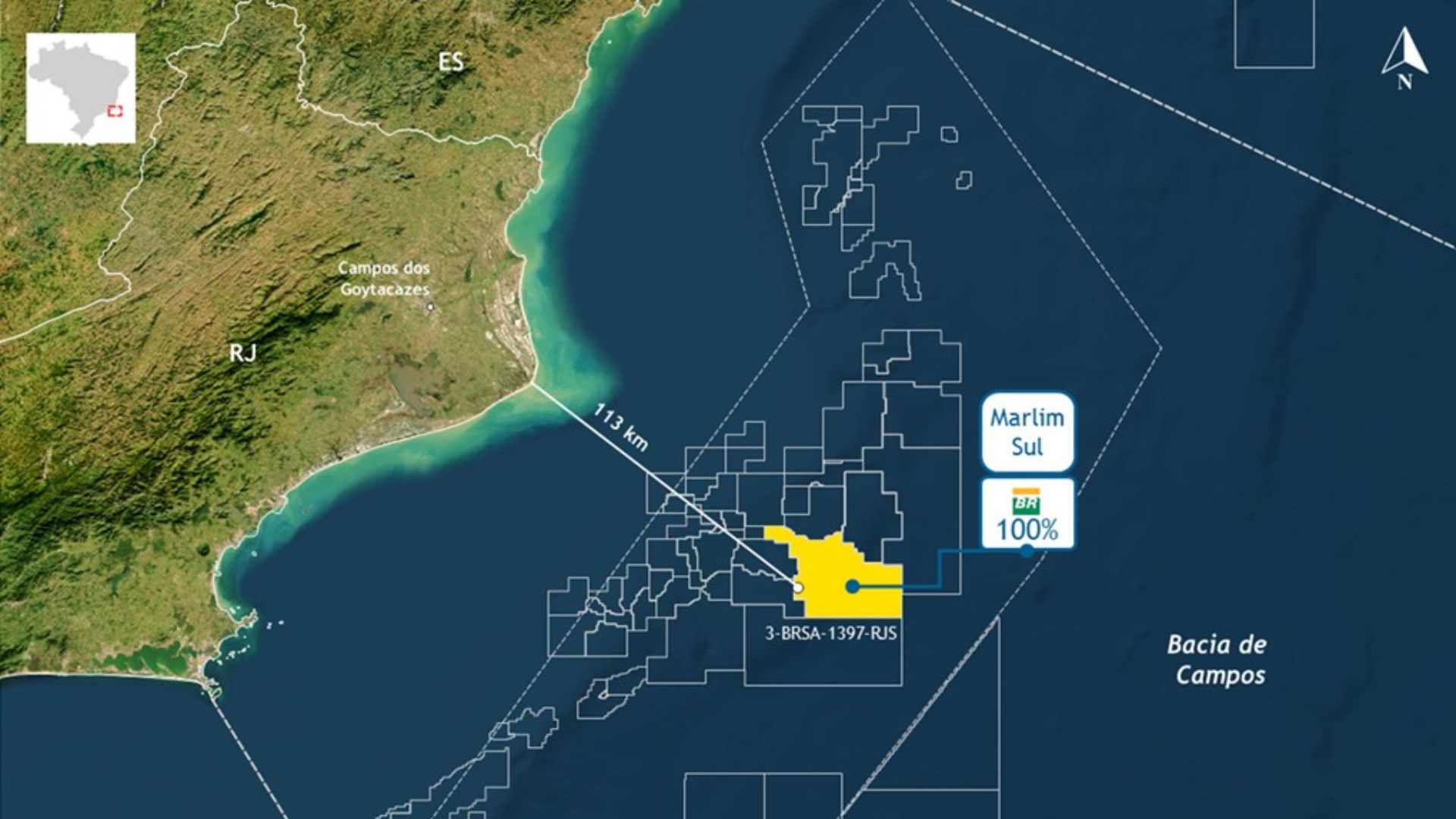
Petrobras finds high-quality oil in the pre-salt at 113 km from RJ and reignites expectations about strategic reserves in the Campos Basin.

-
Ocyan opens registrations for startups focused on innovation in the oil and gas sector and will select projects for Innovation Day with the support of Nexio.

-
Petrobras announces new oil discovery in the pre-salt of the Campos Basin and reinforces Brazil’s prominence with high-quality reserves that can increase production and energy revenues.
-
Alert in the fuel market: Analysts and a former director of ANP warn that oil prices may worsen in the coming months due to global instability.

According to Broadcast, the International Energy Agency’s plan to reduce oil consumption recommends promoting car-free days, working from home, making public transport cheaper, lowering speed limits, and carpooling to achieve a reduction in oil consumption of 2.7 million barrels per day over a four-month period.
Production from Offshore Fields in Pre-Salt Hits Record with 2.9 Million Barrels of Oil Per Day and 98.6 Million Cubic Meters Per Day of Natural Gas, Accounting for About 75% of National Total
In January, offshore fields produced 97.2% of the oil and 87.3% of natural gas. Fields operated by Petrobras were responsible for 94.1% of the commodity and natural gas produced in Brazil.
According to the National Agency of Petroleum, Natural Gas and Biofuels (ANP), production in the pre-salt region in January set records both in volume and as a percentage of total production. There were 2.912 MMboe/d (million barrels of oil equivalent per day) produced, consisting of 2.292 MMbbl/d (million barrels per day) of oil and 98.6 MMm3/d (million cubic meters per day) of natural gas, which accounted for 74.7% of national production. There was a 7.5% increase compared to the previous month and a 10.7% increase compared to January 2021. The production originated from 134 wells.
National Oil Production Was 3.89 Million Barrels Per Day
National production of oil and natural gas in January 2022 was 3.897 MMboe/d (million barrels of oil equivalent per day), consisting of 3.032 MMbbl/d of oil and 137 MMm3/d of natural gas. Commodity production increased by 6.8% compared to the previous month and by 5.6% compared to January 2021. In natural gas, there was a 3.9% increase compared to December and a 0.8% increase compared to the same month of the previous year.
Oil Barrel Price at 100 Dollars Brings Opportunities for Brazil, Which Is a Major Producer and Exporter of the Commodity
The oil barrel priced at around US$ 100, the highest price since 2014, could benefit Brazil, a country that has become a major producer and exporter of the commodity over the last decade. According to Fernanda Delgado, the fact that Russia is losing ground as a supplier will open up possibilities to import from other suppliers, including Iran and Venezuela, and will also create opportunities for Brazil, due to its already established and active market. In the current scenario, Brazil could benefit from high demand and gain part of the international market, encouraging production in Brazil. To learn more, read the full article by clicking here.








Seja o primeiro a reagir!