Portuguese
  Spanish


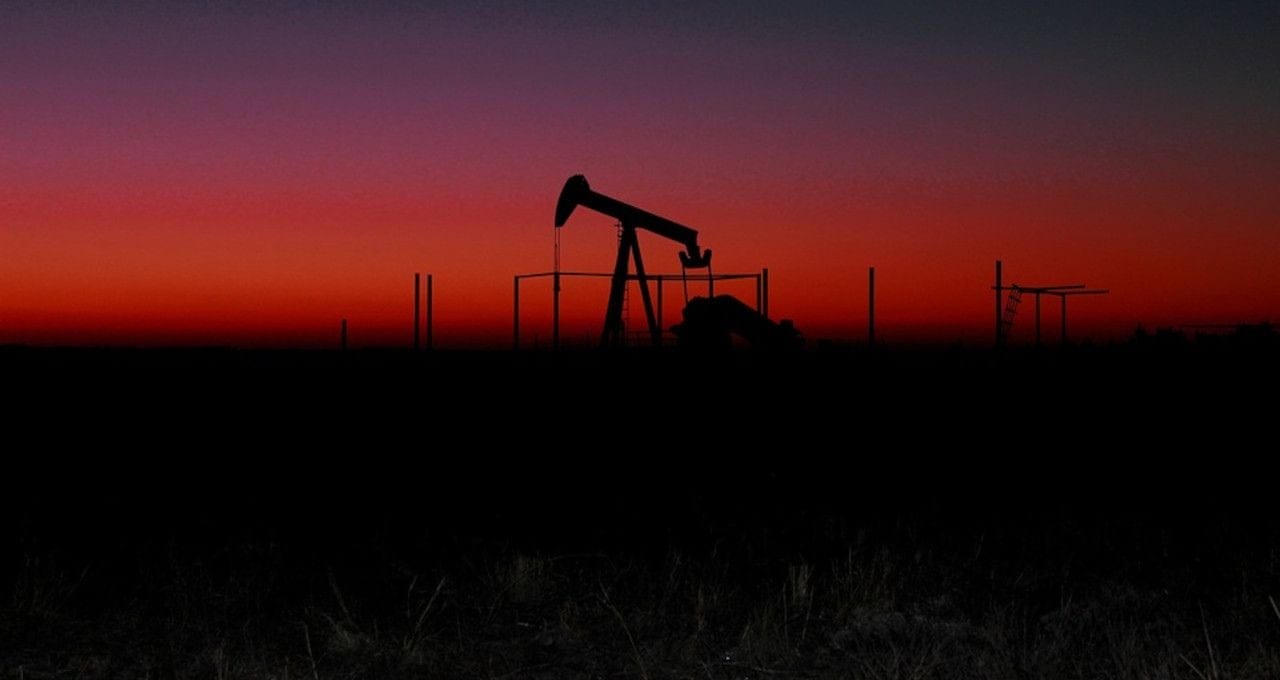

Global Oil Demand Slowdown Affects Prices and Supply: IEA Confirms 4th Quarter Data for 2023, OPEC+ Makes Production Cuts.
The IEA (International Energy Agency) states that countries outside the OPEC+ cartel will be able to meet all projected increases in consumption for next year. It also noted that the conjunction of declining international demand and rising supply from non-OPEC+ countries, such as the United States, is likely to persist. These factors are already impacting oil prices, which have fallen to below $75 per barrel, contrasting with nearly $100 recorded in September.
Brazil helps increase oil production. The agency stated that producers like Brazil and Guyana are expected to contribute 1.2 million barrels per day to the supply of oil from non-OPEC countries next year. It’s no wonder that this year the agency extended an invitation to Brazil to join the group; meanwhile, Venezuela seems to have noticed the production surplus in neighboring Guyana. The U.S. also recorded a record production of oil this year. The country is expected to end 2023 with a record output of 12.9 million barrels of crude oil.
Drastic Slowdown in Oil Production
The International Energy Agency (IEA) announced that oil production has seen a drastic slowdown due to production cuts imposed by OPEC+ and other producing countries. Since the onset of the pandemic, demand for oil has significantly declined, prompting the OPEC cartel to reduce its supply in an attempt to stabilize oil prices.
-
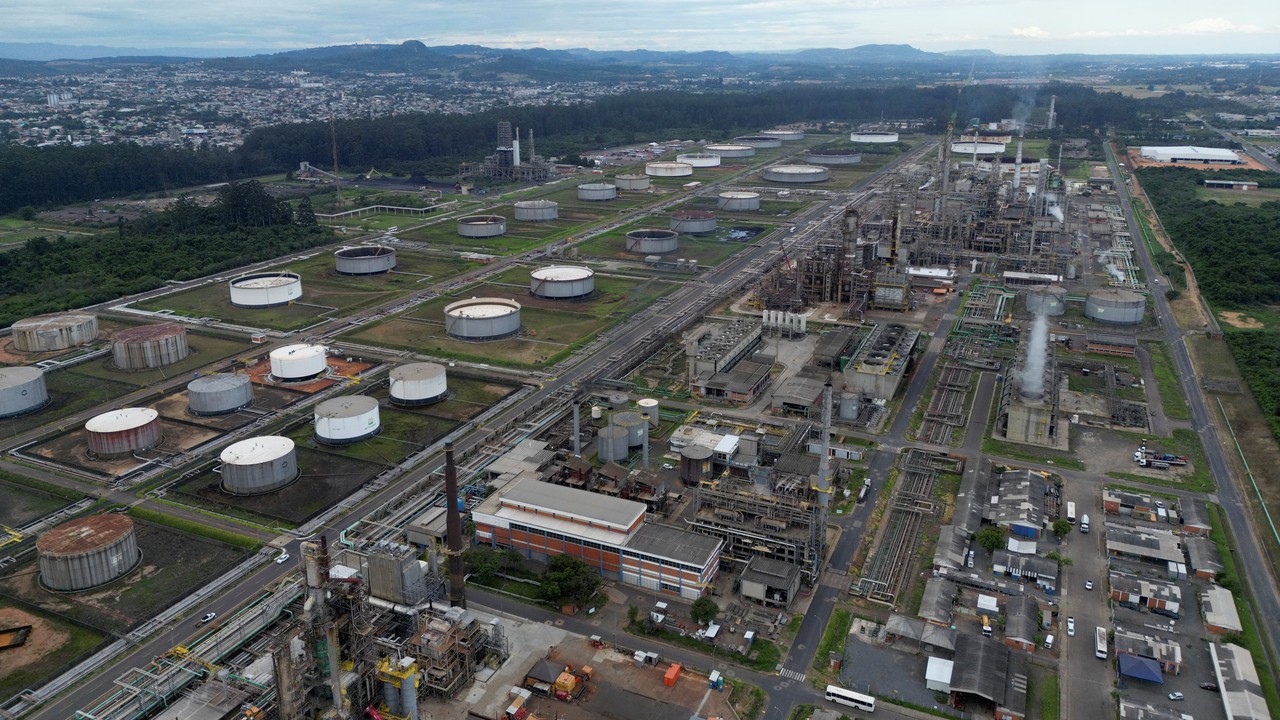
With a record production of nearly 3 million barrels per day, Petrobras resumes importing diesel in July, highlighting the bottleneck in Brazilian refining.

-
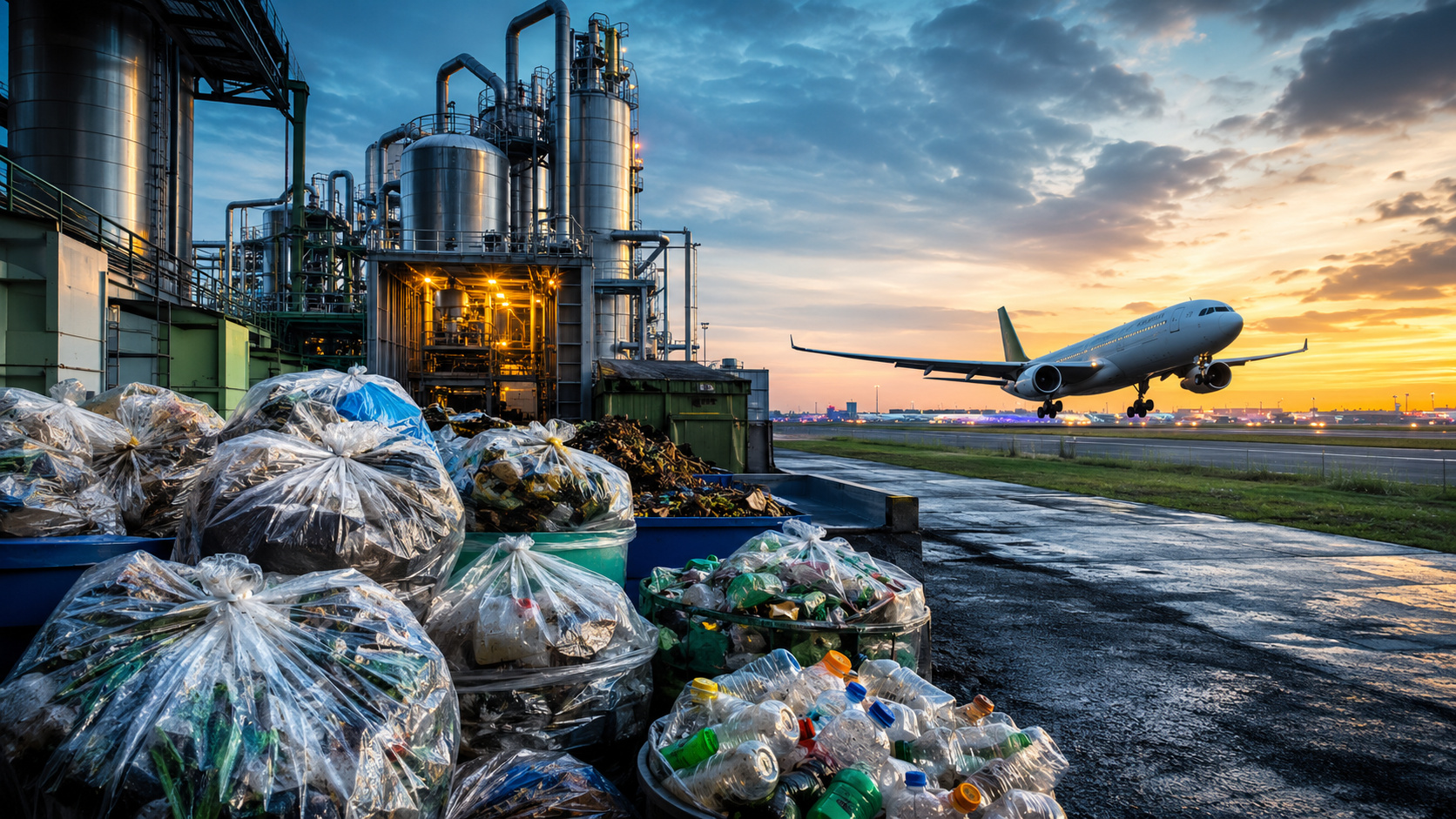
Qantas and Airbus Invest in Company Aiming to Convert Unsorted Household Trash into Jet Fuel

-
Brazil’s ANP Opens 86 New Oil Blocks in the Equatorial Margin, Expanding the Amazon River Mouth Frontier

-
OPEC+ Boosts Oil Supply by 188,000 Barrels per Day in July 2026, Leading to Price Drop from $112 to $89 per Barrel in Under Two Months
OPEC+ Cuts Production to Maintain Oil Prices
OPEC+, which includes OPEC and other producing countries such as Russia, has implemented record production cuts to keep oil prices at acceptable levels. With demand decreasing and oil inventories reaching historically high levels, the OPEC+ cartel sought to control supply to prevent an even greater drop in oil prices.
Brazil and Guyana Increase Their Oil Production
While most OPEC+ member countries have reduced their oil production, Brazil and Guyana have increased theirs. Both countries are expanding their oil production capacity and looking to boost their market share amid reduced output from OPEC+ cartel members.
Venezuela Faces Challenges in Oil Production
Venezuela, once one of the largest oil producers in the world, faces significant challenges in oil production due to political and economic issues. The country has seen its oil production drop to historically low levels and is struggling to maintain its share in the global oil market.
Overall, the situation in oil production remains dynamic, with different countries and groups trying to find a balance between supply and demand in a constantly changing oil market. While the IEA forecasts a slow recovery in oil demand, global uncertainty continues to impact the oil and fossil fuel industry.
Source: MoneyTimes