





 Portuguese
  English
  Spanish
  4 min of reading
  1 comment





The Approved Proposal in the Chamber Ensures That Health Agents and Endemic Agents Can Retire With Integrity and Parity, Reestablishing Rules Extinguished Since 2003 and Creating a Billion-Dollar Fiscal Impact for Municipalities and the Federation
The approval of the new constitutional amendment proposal in the Chamber represents one of the most significant changes in recent social security policy. If confirmed by the Senate, the PEC will allow health agents and endemic combat agents to retire from the age of 50, with a full salary and adjustments equal to those of active servers.
The text reestablishes benefits of integrity and parity, extinguished since 2003, and creates an unprecedented mechanism that guarantees value supplementation by the Federation to agents linked to the INSS. The financial impact of the measure divides opinions and may exceed R$ 11 billion in just three years, according to technical estimates from Congress.
What Changes With the New PEC
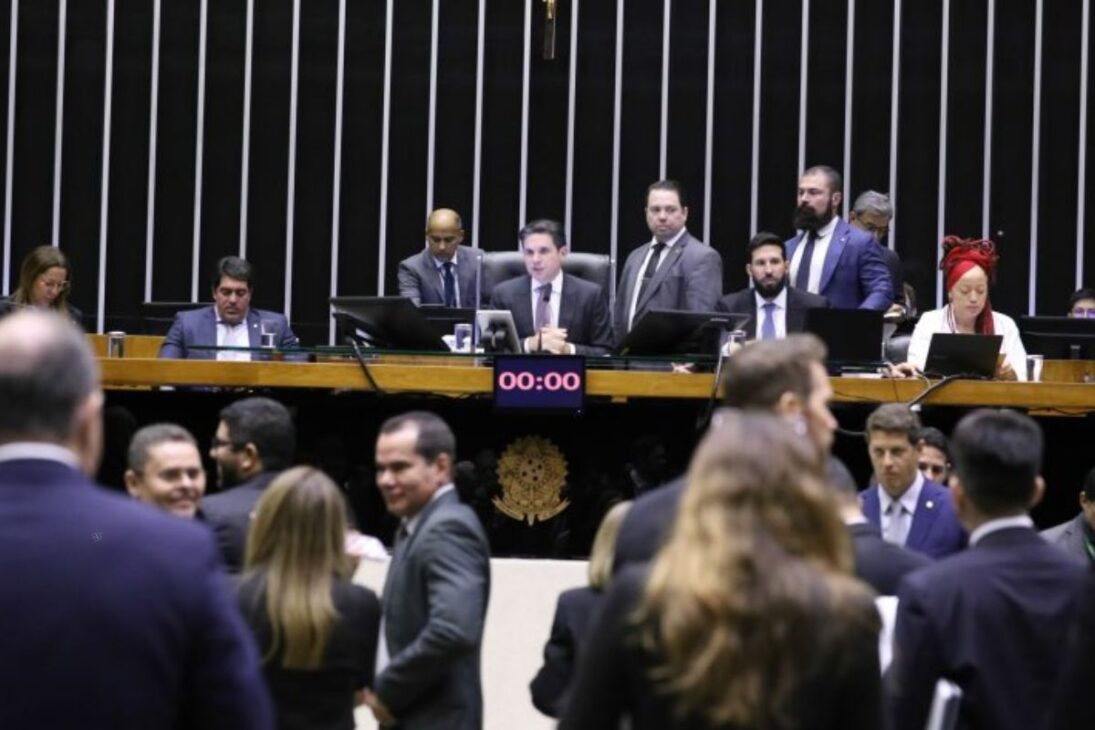
The proposal approved in the Chamber recreates differentiated retirement rules for a category that directly engages in risk activities and constant exposure to diseases.
-
Elderly individuals aged 65 or older who have never contributed to the INSS can receive R$ 1,621 per month in 2026 without having paid any contributions in their lifetime: learn how the benefit works that already supports nearly 7 million Brazilians.

-
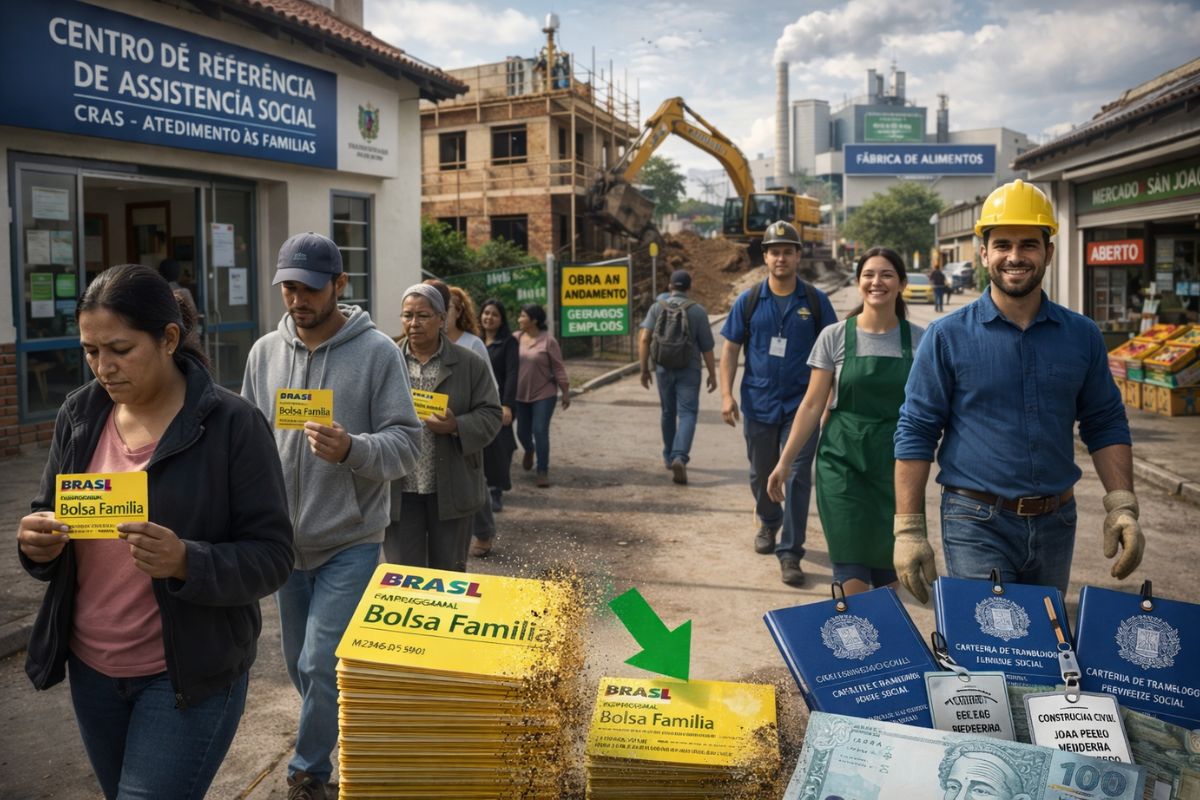
The gaucho city reduced the number of Bolsa Família beneficiaries by almost 40% in just a year and a half with active outreach that connects each registered person directly to job vacancies in Bento Gonçalves in Rio Grande do Sul.
-
The bluest city in Brazil has just gained a new floating bridge for the free crossing between the island and the mainland, connecting residents and visitors to the historic center of São Francisco do Sul every day of the week.

-
In a silent race, Shopee signs a mega contract in Guarulhos and accelerates the e-commerce war with faster deliveries, pressured shipping, and a new threat to rivals in Brazil.


The text establishes that community and endemic agents can retire under more lenient conditions compared to other public servants.
Those entering the career after the promulgation of the PEC will need to fulfill 25 years of contribution and effective service, with a minimum age of 57 for women and 60 for men.
As for those already active, there will be a transition rule until 2040, starting with ages 50 and 52 and gradually increasing every five years until reaching ages 57 and 60 starting in 2041.
Integrity and Parity Return After Two Decades
One of the most symbolic points of the PEC is the return of the integrity and parity rules, eliminated in the 2003 social security reform.
This means that agents can retire with their last active salary and continue receiving adjustments whenever there is an increase for those who remain in service.
In the case of professionals linked to the INSS, the text creates an extraordinary supplementation paid by the Federation to guarantee the same standard of integrity and parity.
This measure is unprecedented in the Brazilian social security system and is expected to increase fiscal pressure on the federal government, as about 3,400 municipalities do not have their own social security regime.
Fiscal Impact Concerns Municipalities
The National Confederation of Municipalities warned that the PEC could generate a cumulative impact of over R$ 21 billion in the coming years.
Since most agents are municipal employees, municipalities argue that the new model transfers burdens without guaranteeing automatic transfers from the Federation.
According to the CNM, the annual payroll of municipal agents already costs R$ 1.6 billion.
The expected increase with special retirement could compromise local budgets, especially in small towns that rely on federal transfers.
The entity argues that the Federation should entirely assume the costs and create a federal career for these professionals.
The Relator’s Argument and Political Support
The relator of the proposal, Deputy Antonio Brito, stated that the goal is to acknowledge the essential role of health agents in prevention and basic care for the population.
He argues that the health risks and emotional burden of the profession justify the creation of a special social security model.
The text also prohibits temporary and outsourced hires, except in cases of public health emergencies.
To enter the career, candidates must pass a public exam, strengthening the stability and institutional ties of these workers.
How Ages and Contribution Time Will Be
Under the PEC rules, women can retire at 50 and men at 52 until 2030, with progressive increases to 57 and 60 years in 2041.
In addition, those with more than 25 years of contribution may anticipate retirement by up to five years.
In the case of agents linked to the INSS, the minimum contribution time will be 15 years, with at least 10 years of effective activity.
The benefit will be full, and the adjustment will follow the same indices applied to active servers, ensuring full parity.
The Political Cost of the Bomb Agenda
Despite strong support from the parliamentary base, government technicians classified the proposal as bomb agenda due to its fiscal impact and generous rules.
Congress estimates indicate that total expenditure could reach R$ 11 billion in three years, while the relator predicts an annual cost of approximately R$ 1 billion.
The government has yet to announce whether it will attempt to amend the text in the Senate, but there is an expectation of negotiation to adjust the supplementation mechanism by the Federation, considered the most sensitive point for public accounts.










I must say this article is extremely well written, insightful, and packed with valuable knowledge that shows the author’s deep expertise on the subject, and I truly appreciate the time and effort that has gone into creating such high-quality content because it is not only helpful but also inspiring for readers like me who are always looking for trustworthy resources online. Keep up the good work and write more. i am a follower.