





 Portuguese
  English
  Spanish
  3 min of reading
  0 comments


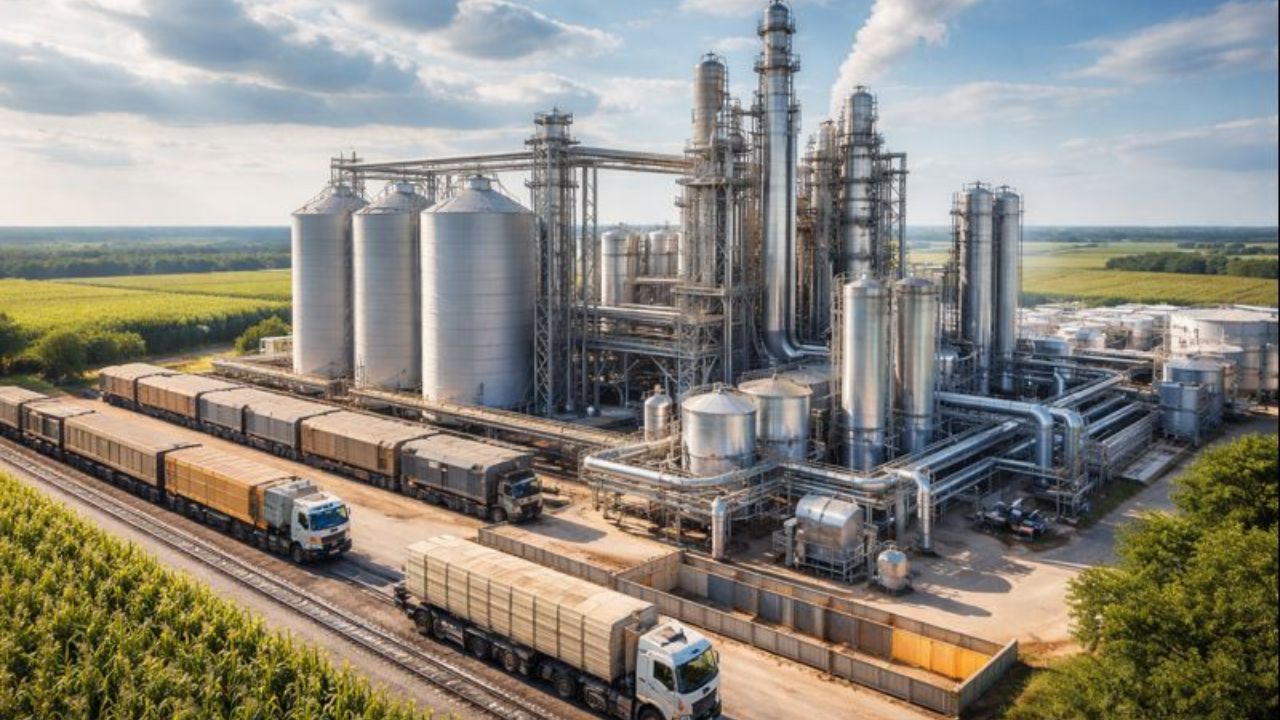
Billion-Dollar Investments in Agribusiness Accelerate Industry, Expand Plants, and Boost the Economy in 2025.
The Brazilian agribusiness started 2025 at an accelerated pace of industrial expansion. According to a survey by the newspaper Valor, agribusinesses announced more than R$ 60 billion in investments throughout the year aimed at expanding existing plants and implementing new facilities in the country, with direct impacts on industry, the economy, and the national productive infrastructure.
The data includes companies in the sector, specialized consulting firms, and official announcements made throughout the year in different regions of Brazil.
These investments signal a strategic move from the agribusiness industry, which aims to meet the growing demand for biofuels, especially corn ethanol.
-
Historic bankruptcy of Centauro shocks the market, and the century-old company puts more than 500,000 products, machines, and complete infrastructure up for online auction.

-
New shoe factory in Ceará is expected to create 400 jobs and strengthen the local economy.
-
No one imagined it, but a mixture of sawdust with a mineral that fights fires surprises scientists with a result that changes the course of fire-resistant construction.

-
From empty land to a high-end house, wooden construction uses a lightweight system, metal structure for the foundation, ventilated ceramic cladding, and special windows to create an efficient and comfortable living space throughout the year.

Moreover, the projects reinforce Brazil’s position as one of the main global hubs of agribusiness integrated with industrial transformation.
See more: Sugarcane Productivity Soars 26.6% and Energizes the Biofuel Market
Corn Ethanol Leads the Wave of New Projects and Expands Productive Capacity
A large part of this investment volume is concentrated in corn ethanol plants, a segment that has gained strength in recent years.
Only the announcements related to the expansion of the industrial capacity of this biofuel totaled R$ 41 billion, according to a survey conducted by the consulting firm FG/A at the request of Valor.
This amount highlights a structural transformation in the ethanol industry. Traditionally associated with sugarcane, production is beginning to incorporate corn as a strategic raw material, especially in regions of the Midwest, where logistics and supply of the grain favor new ventures.
New Plants Should Increase National Production by Billions of Liters
The announced investments are distributed across 44 agribusiness projects that, if all are effectively executed, should add about 12 billion liters per year to the national ethanol production capacity.
This increase represents a significant leap for the biofuel industry and strengthens the sector’s role in the Brazilian energy matrix.
In addition to expanding the supply of renewable fuel, the new plants help to energize local economies.
Municipalities that receive these projects tend to report growth in tax revenue, attraction of suppliers, and increased demand for services related to agribusiness.
Inpasa Leads Major Announcements in the Midwest
Among the most significant announcements is that of Inpasa, which at the end of 2025 confirmed R$ 3.5 billion in investments.
The funds will be used to construct a new industrial plant in Rondonópolis (MT) and to expand the existing unit in Nova Mutum (MT).
These projects reinforce the company’s strategy to consolidate its presence in the Midwest, a region that concentrates a large part of the country’s corn production.
At the same time, they demonstrate how industrial investment decisions are increasingly aligned with agricultural logistics and the availability of raw materials.
Economic Impacts Go Beyond Agribusiness
The billion-dollar announcements benefit not only agribusiness. They also engage sectors such as heavy construction, metallurgy, transportation, and specialized services, creating a multiplier effect on the national economy.
Each new plant requires infrastructure, technology, and skilled labor, broadening the reach of investments.
Furthermore, the advancement of the ethanol industry contributes to reducing dependence on fossil fuels, strengthening the energy transition and sustainability agenda, which is increasingly relevant for investors and international markets.
Industrial Expansion Indicates Long-Term Trend
The volume and diversity of projects announced in 2025 indicate that the expansion of plants is not a one-off movement.
On the contrary, it is a long-term strategy of the Brazilian agribusiness industry, which bets on scale, innovation, and the integration of agricultural production with industrial transformation.
With this, Brazil consolidates its position as a global reference in industrial-based agribusiness, attracting new investments and reinforcing its competitiveness in an increasingly competitive economic landscape.










Seja o primeiro a reagir!