





 Portuguese
  English
  Spanish
  7 min of reading
  15 comments


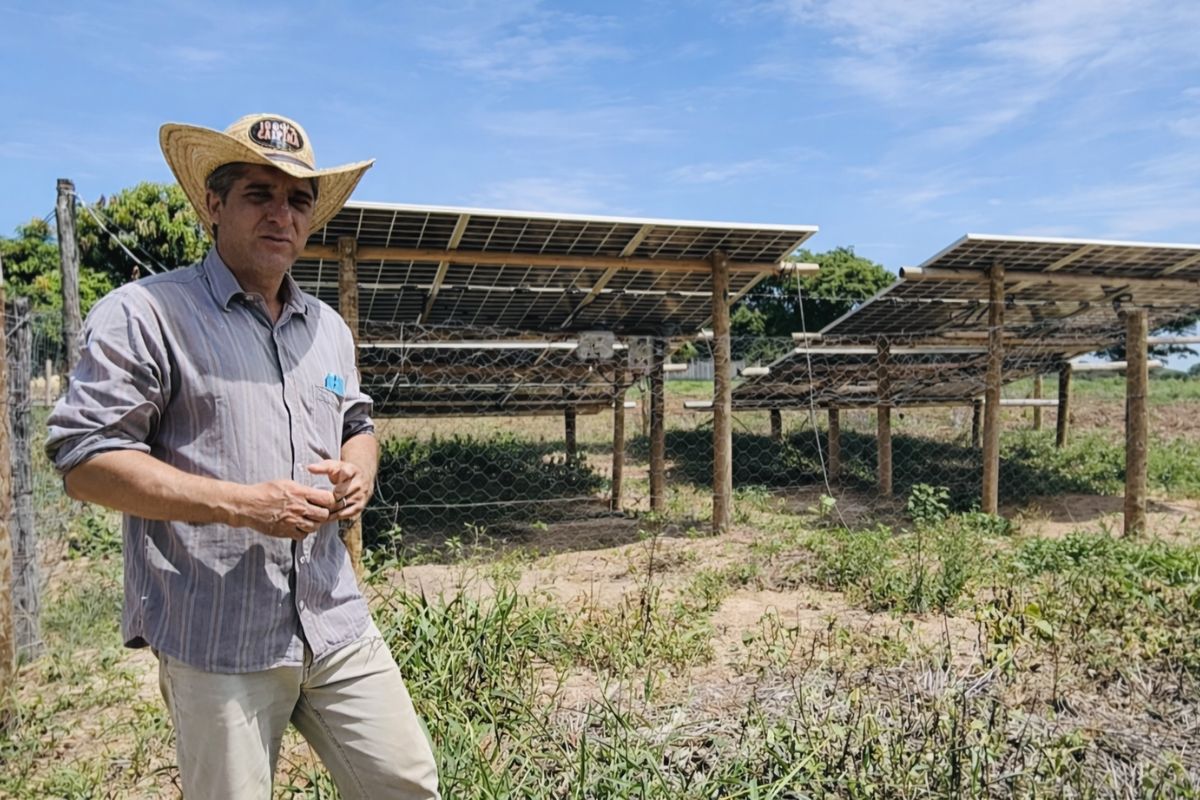


In North of Minas, Farmer Builds Solar System by Himself, Invests About R$ 14 Thousand in Used Panels and New Pump, Irrigates the Crop, Runs the House During the Day and Reduces Energy Costs by 90 Percent.
When a farmer builds a solar system by himself instead of buying a ready-made kit, the goal is not luxury, it’s survival in the field. In Jaíba, in North Minas, a rural producer decided to rely on his own knowledge and courage to assemble, piece by piece, a photovoltaic system capable of pumping water from a deep artesian well, irrigating 3 hectares, and still making a fan, washing machine, and blender work in the house during the day.
The decision came after a shock on the electricity bill. The utility bill exceeded a thousand reais, almost derailing the budget for the farm and triggering the change. Instead of returning to the city and working as an employee again, he chose to sell some cows, raise the money, buy a pump, inverter, used panels, and build the project on his own, on a 5-hectare farm that supports his family from sunrise to sunset.
From Shock on Electricity Bill to R$ 14 Thousand Project

The starting point was clear. The SEMIG bill was too high and, as the producer himself explains, “there’s no crying over electricity bills, if you used it, you have to pay”.
-
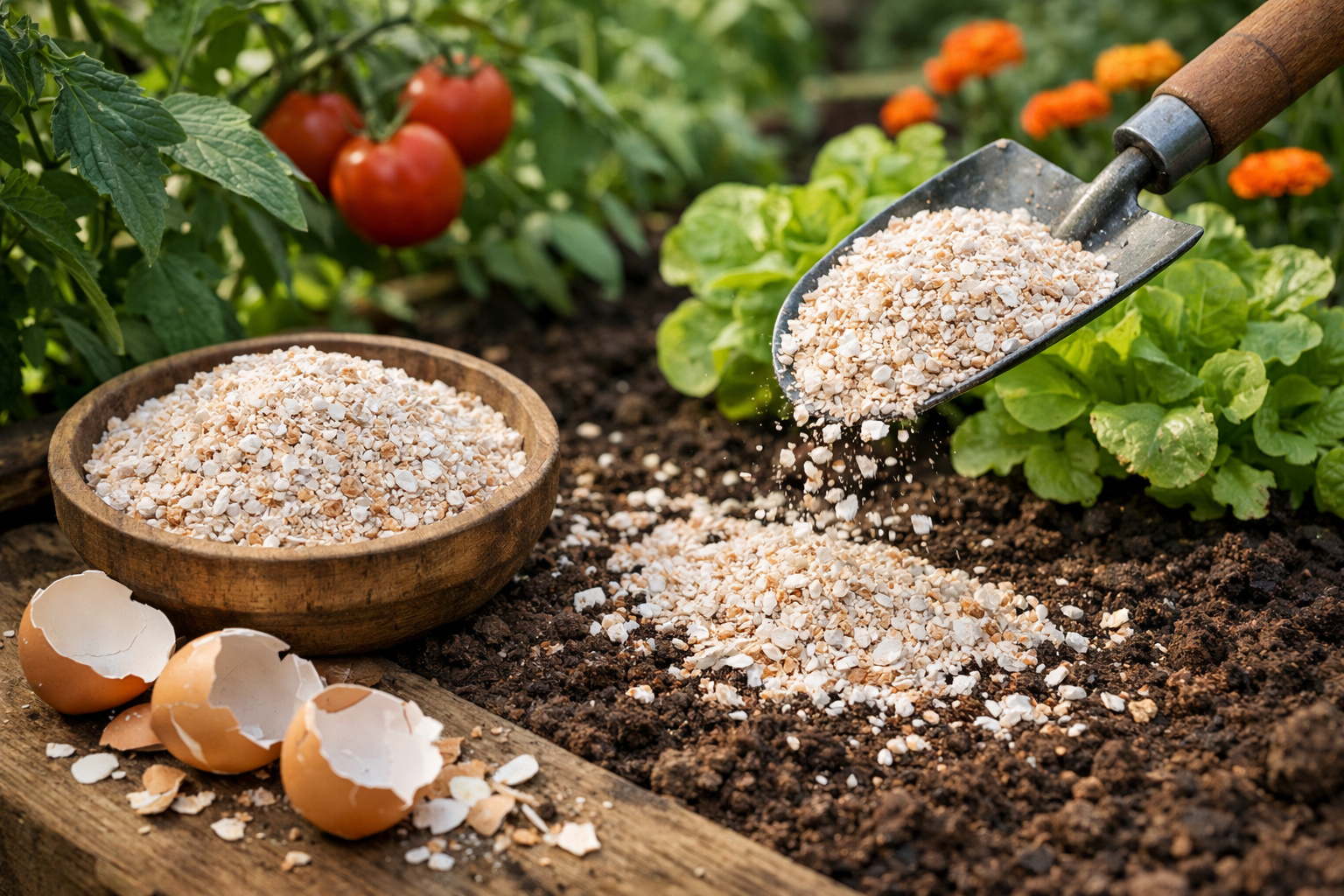
The eggshell that almost everyone throws away is made up of about 95% calcium carbonate and can help enrich the soil when crushed, slowly releasing nutrients and being reused in home gardens and vegetable patches.
-
This farm in the United States does not use sunlight, does not use soil, and produces 500 times more food per square meter than traditional agriculture: the secret lies in 42,000 LEDs, hydroponics, and a system that recycles even the heat from the lamps.

-
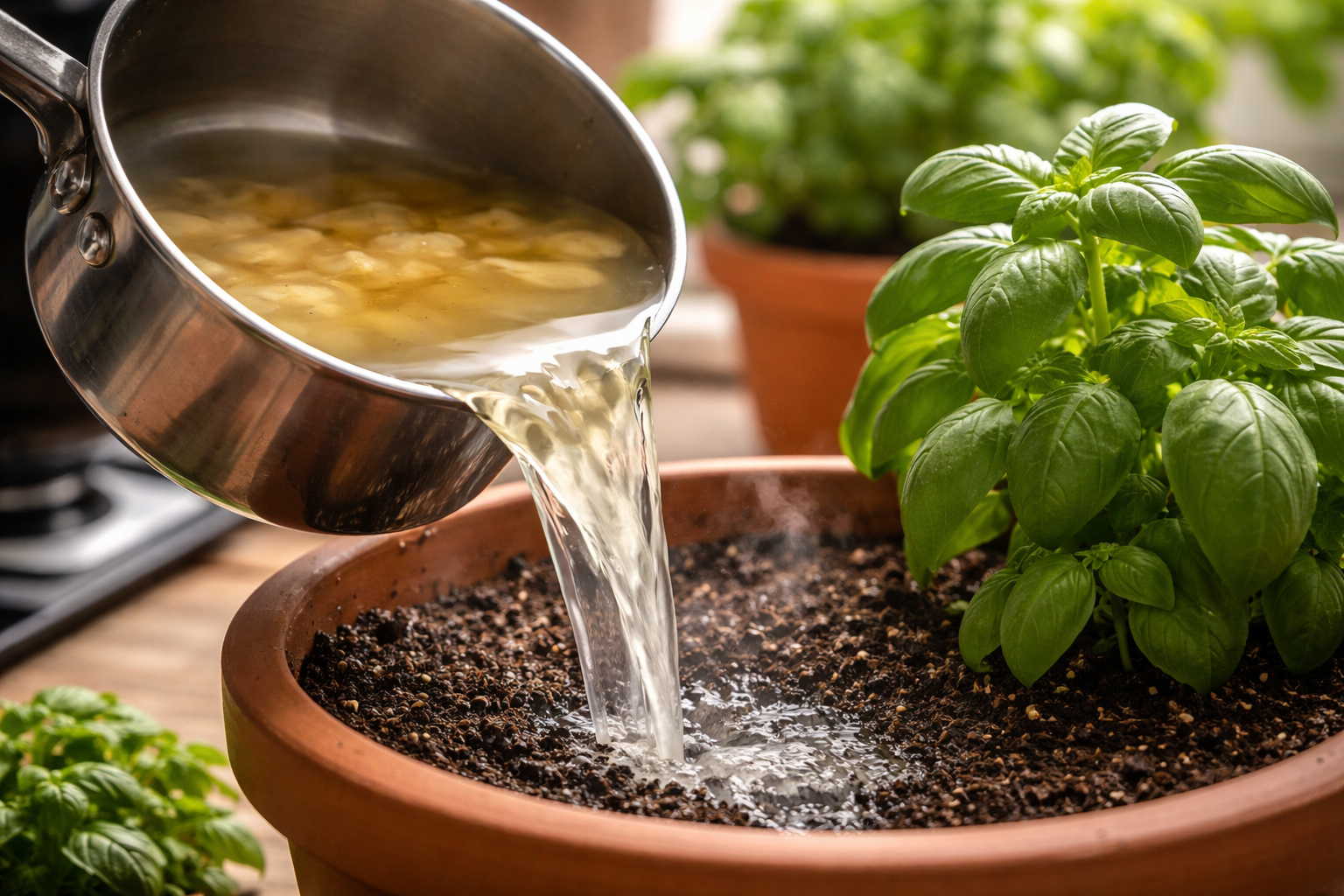
The water that almost everyone throws away after cooking potatoes carries nutrients released during the preparation and can be reused to help in the development of plants when used correctly at the base of gardens and pots, at no additional cost and without changing the routine.
-
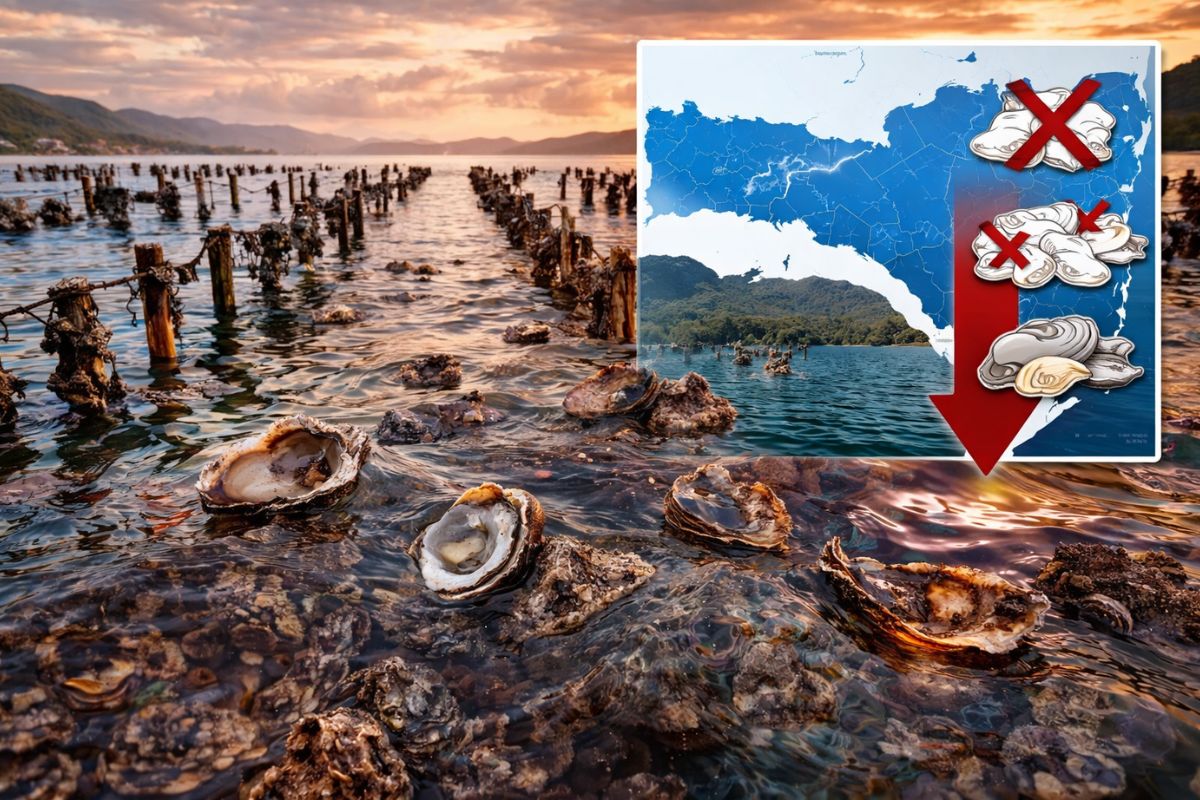
The sea water temperature rose from 28 to 34 degrees in Santa Catarina and killed up to 90% of the oysters: producers who planted over 1 million seeds lost practically everything and say that if it happens again, production is doomed to end.

That’s when he decided he needed to find a way to stay on the farm, maintain irrigation for the crops and cattle pens, and at the same time, reduce the fixed cost of electricity.
Instead of hiring a company to deliver everything ready, the farmer builds a solar system by himself from the beginning.
He researched, chose the parts, made the purchase of the pump, inverter, wiring, and panels. It wasn’t an off-the-shelf photovoltaic kit, but a system designed for the reality of the farm: deep well, high flow, and need for constant irrigation.
The main investment was concentrated in two items. The three-phase submersible pump of 5 horsepower and the inverter cost about R$ 9,500, purchased from a local company.
The panels, bought used, cost R$ 450 each. Considering the 10 panels that effectively power the system, it was R$ 4,500. Adding the pump, inverter, and modules together, the project totaled approximately R$ 14 thousand, a value made feasible by selling cattle and careful planning.
Strong Well, Abundant Water, and Tailored Energy
Before talking about the panels, the producer makes a point of showing the foundation of everything: the artesian well. Drilling of about 95 meters, with water vein found at 87 meters and flow of approximately 40 thousand liters per hour.
It is this water that ensures irrigation of the crops and pastures and makes the solar system a productivity investment that pays off.
The well has a dry section of about 20 meters, as he explains, but the rest of the column is filled with water, allowing for safe pumping during long irrigation periods.
To accompany this structure, the old single-phase pump was replaced with a more powerful three-phase pump, of 5 horsepower, capable of delivering a flow of around 17 thousand liters per hour.
The farmer builds a solar system by himself thinking about the combination between pump, inverter, and panels, adjusting the system to directly activate the pump with the energy generated by the sun.
No technological excesses, just what is necessary to take the water from the well and deliver it to the crops at the lowest cost possible.
Used Panels, Strings, and an Off Grid System in the Field
On top, over simple structures, are the photovoltaic panels. There are 12 modules of 400 watts each, organized in two strings, six on each side.
However, because of the inverter’s capacity, he opted to use only 10 panels in the main system, enough to safely run the 5-horsepower pump.
Two panels were left over and were deactivated. Instead of leaving them lying around, the farmer donated these modules to a neighbor, who also intends to build his own system.
It’s another reflection of the logic of those who live off the land: when the farmer builds a solar system by himself, he learns, tests, and ends up helping other producers to follow the same path.
The system was designed in an off grid format directly for the pump. This means that the energy generated by the panels goes to the inverter and, from the inverter, goes directly to the pump, without injecting into the utility grid and without using storage batteries. The focus is to reduce the irrigation cost, which was the main villain of the electricity bill.
Irrigation of 3 Hectares and a 90 Percent Decline in Grid Consumption
With the 10 panels and the 5-horsepower pump, the farmer can irrigate about 3 hectares on the farm. The water from the well supplies crops and cattle pens, maintaining production even in periods of low rainfall.
Solar energy has become the main source for this pumping, alleviating the use of the traditional power grid.
The results showed on the bill. What used to come in the range of a thousand reais now drops, for most months, to values close to the minimum fee, or just above it.
In months of greater nighttime use, when he chooses to irrigate at night connected to the grid, the charge goes up a bit, staying around just over a hundred reais.
Even so, he estimates that the consumption of energy from the utility has decreased by about 90 percent compared to the period before the solar system.
In practice, this means more breathing room to maintain the farm, buy supplies, care for the cattle, and invest in improvements without relying so much on the money that used to go almost entirely to the electricity bill.
Hybrid System in Practice: Pump and House Powered by the Sun
One of the most interesting points of the project is the use of the same energy generated for the pump also inside the house.
The farmer builds a solar system by himself with a unique idea: to pull part of the three-phase energy that powers the pump and take it to the residence, which is about 50 meters from the panel set.
With the help of a technician, he installed circuit breakers to derive two phases of the supply and send energy to the house during the day, while the system is operating.
There, a voltage controller makes the conversion to 110 volts, the standard for the family’s equipment.
Thus, fan, washing machine, blender, and other devices run with the energy that is already being used for irrigation, without batteries and without injecting into the grid.
It’s a simple, yet smart arrangement that takes advantage of the period of strong sunlight to minimize utility consumption during the day.
A Medium Project That Fits the Reality of Small Producers
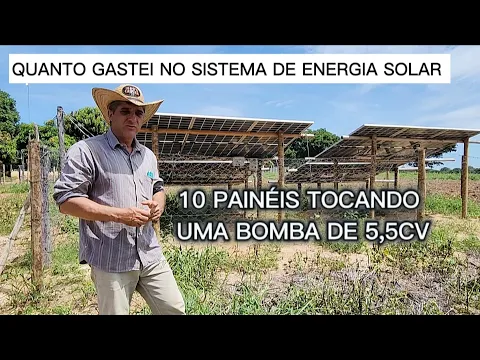

The producer himself defines the system as a medium project. It’s not a small system with just a few panels to pump water to a cattle trough, but it’s also not a large solar farm connected to the grid.
It’s a middle ground designed for those who need to irrigate a significant area while also wanting to reduce dependence on utility energy.
For smaller properties, he explains that it would be possible to set up an even more compact system. For water use in the house or for small animals, a half-horsepower or one-horsepower pump, powered by four panels, could already solve the problem, as long as it’s properly sized.
The message is that there is a path for different scales, as long as one understands well the water and energy needs of each farm.
What the Story Teaches for Those Who Want to Do the Same
By sharing the step-by-step, the producer makes it clear that this is not an advertisement for a company, it’s a life experience. He shows the well, the pump, the panels, the inverter, the electrical command, and the wiring path to the house.
He explains what worked, what made the project more expensive, how the pump replacement went, the purchase of the used panels, and the decision to assemble everything without depending on a ready-made kit from the internet.
At its core, the story of a farmer who builds a solar system by himself is also the story of someone who refuses to give up life in the field, even in the face of high bills and a difficult economic scenario.
He prefers to study, ask for technical help when necessary, sell some cows, and invest in autonomy, rather than abandon the farm and return to the city as an employee.
In the end, the tone is one of invitation. He emphasizes that the channel and the project exist to help other farmers who want to build the same type of system, who have land, water, and a desire to reduce costs, but haven’t taken the first step yet.
In the field, cheaper energy means a greater chance of staying on the land and living off what the land produces.
And you, do you think a project where the farmer builds a solar system by himself is worth the effort and investment, or do you still have reservations about betting on this type of solution on your property or in your house?









Se todos poderem produzir ao máximo sua energia, o preço cai e quebra o monopólio do estado..
Sensacional parabéns. O nome da concessionária de energia é CEMIG e não SEMIG , como está escrito
Achei incrível sua ideia gostaria de montar esse projeto, tenho uma pequena propriedade na região de uberaba mg. Gostaria de receber seu apoio se possível. Por gentileza ficarei grato