





 Portuguese
  English
  Spanish
  5 min of reading
  0 comments


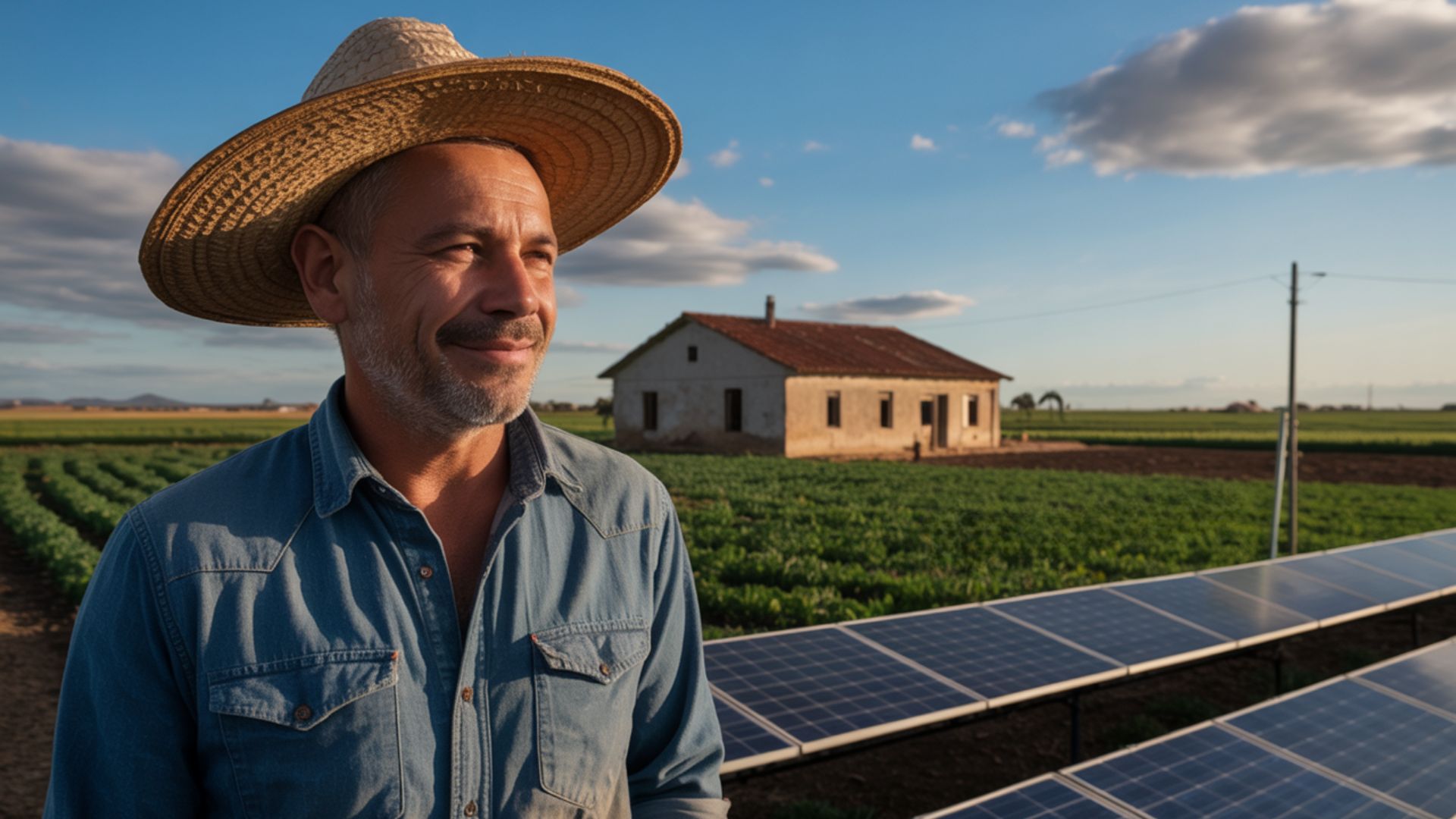
Use of Solar Panels in Rural Areas Grows Worldwide and Brings Economic, Environmental, and Energy Benefits, Even Amid Cuts in California Tariffs.
The use of solar energy in agricultural areas is becoming an increasingly common practice worldwide. With the decline in the cost of renewable energy technologies and the worsening water scarcity in productive regions, many farmers have been reconfiguring their properties to generate electricity with solar panels, harvesting not only food but also sunlight.
In California, a recent study revealed that the practice has been highly profitable for producers in the Central Valley over the past two decades. On average, solar energy installation has provided farmers with an annual revenue of US$ 124,000 per hectare, a figure 25 times higher than the earnings from traditional cultivation on fallow land.
Cultivated Lands Become a Source of Solar Energy
The Central Valley of California is one of the most productive agricultural regions in the United States. Responsible for one-third of the country’s fruits and vegetables, it occupies only 1% of the national agricultural area. However, high productivity comes with severe challenges, such as excessive use of groundwater and prolonged periods of drought.
-
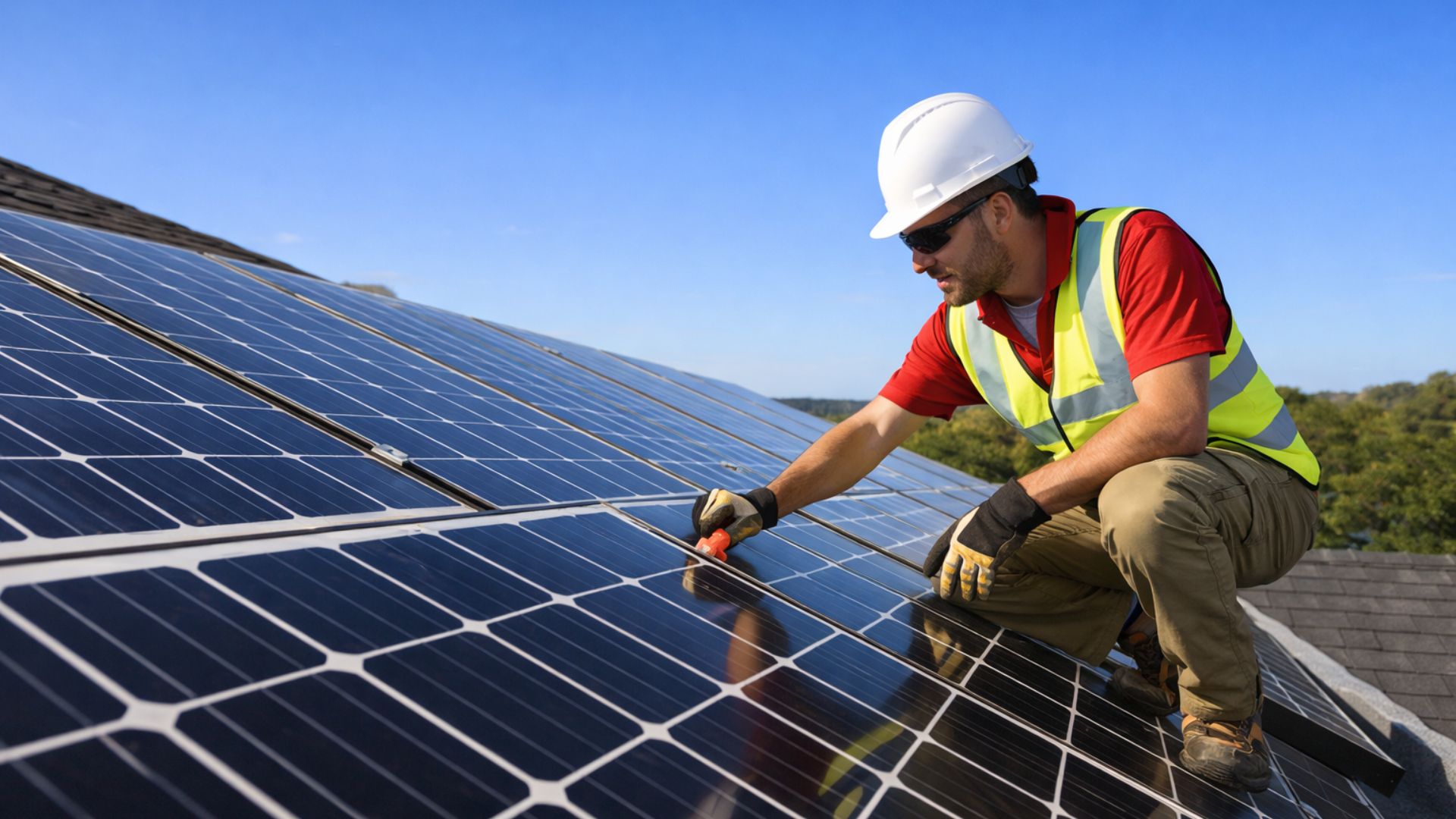
Seagri’s headquarters invests in solar energy with Neoenergia Coelba and promises to cut electricity costs, highlighting a strategic advance in sustainability and energy efficiency within state public administration.
-
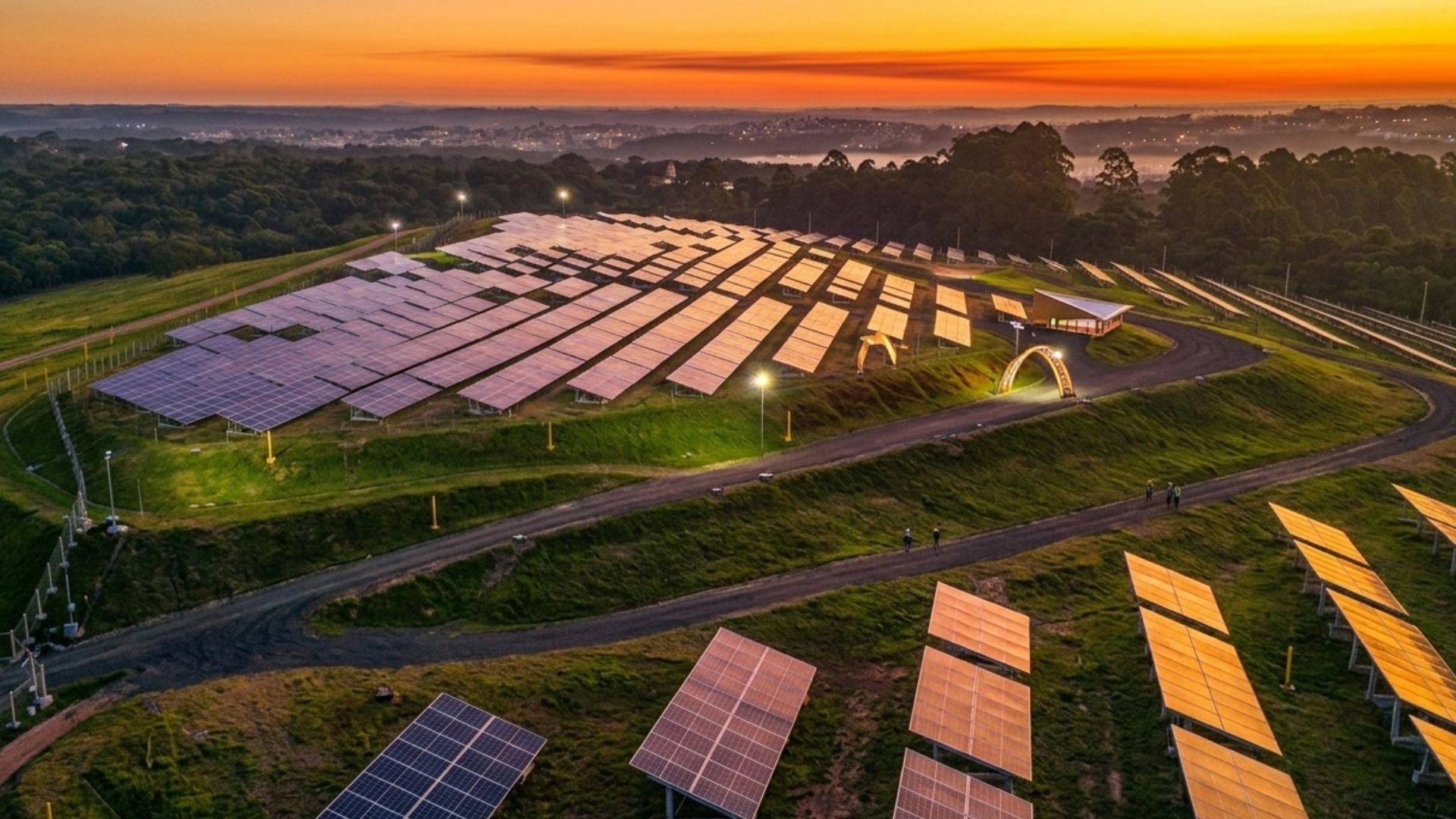
Solar Pyramid draws attention by converting solar energy into million-dollar savings and repositioning the City Hall of Curitiba as an example of innovation, sustainability, and intelligent use of public resources.
-
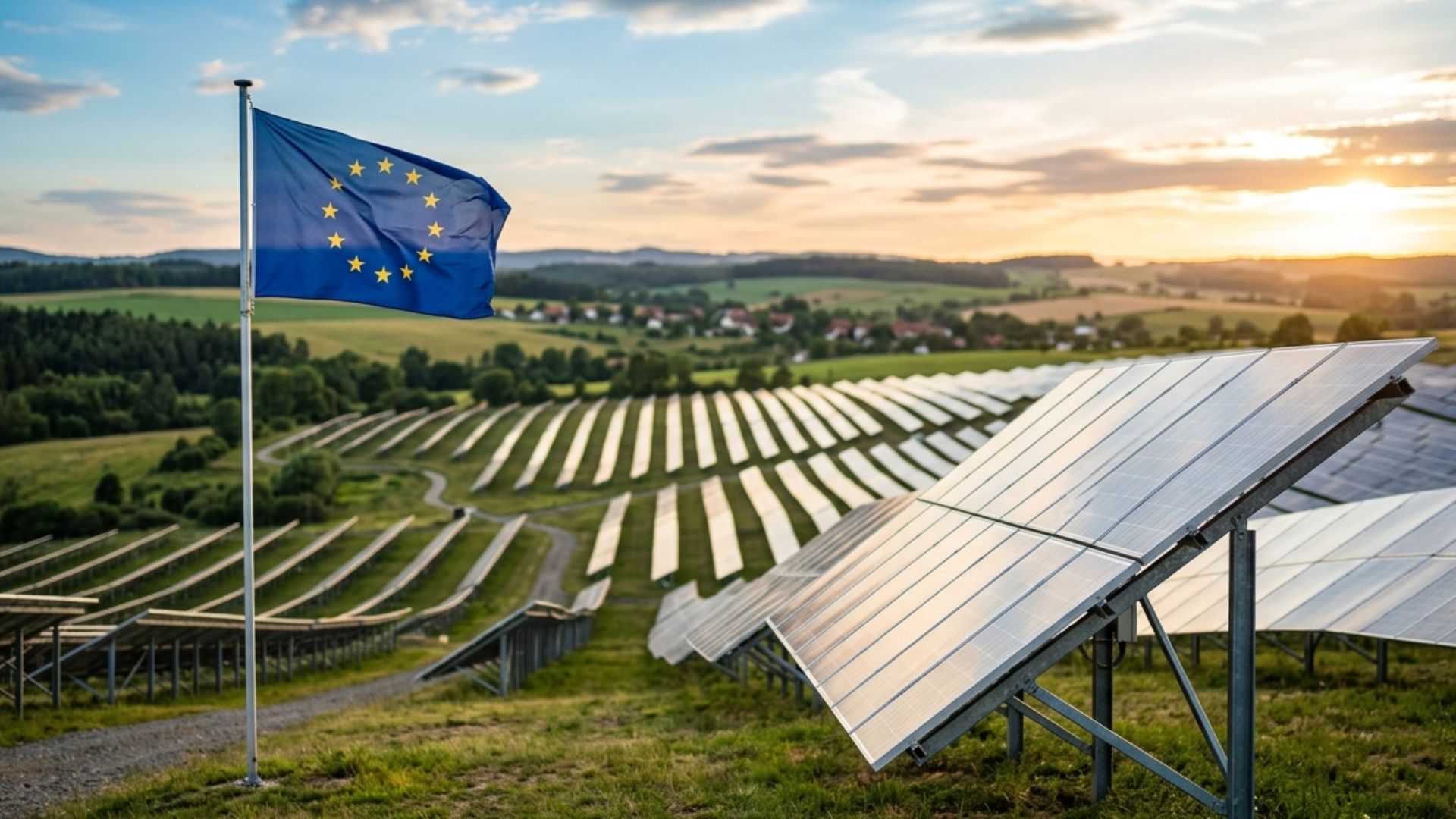
Europe records strong euro economy with solar energy in March and sparks curiosity about which country leads growth that redefines the energy market and reduces costs.
-
Piauí reaches a historic milestone in energy transition: State records nearly 160,000 households powered by solar energy and leads growth in the Northeast.
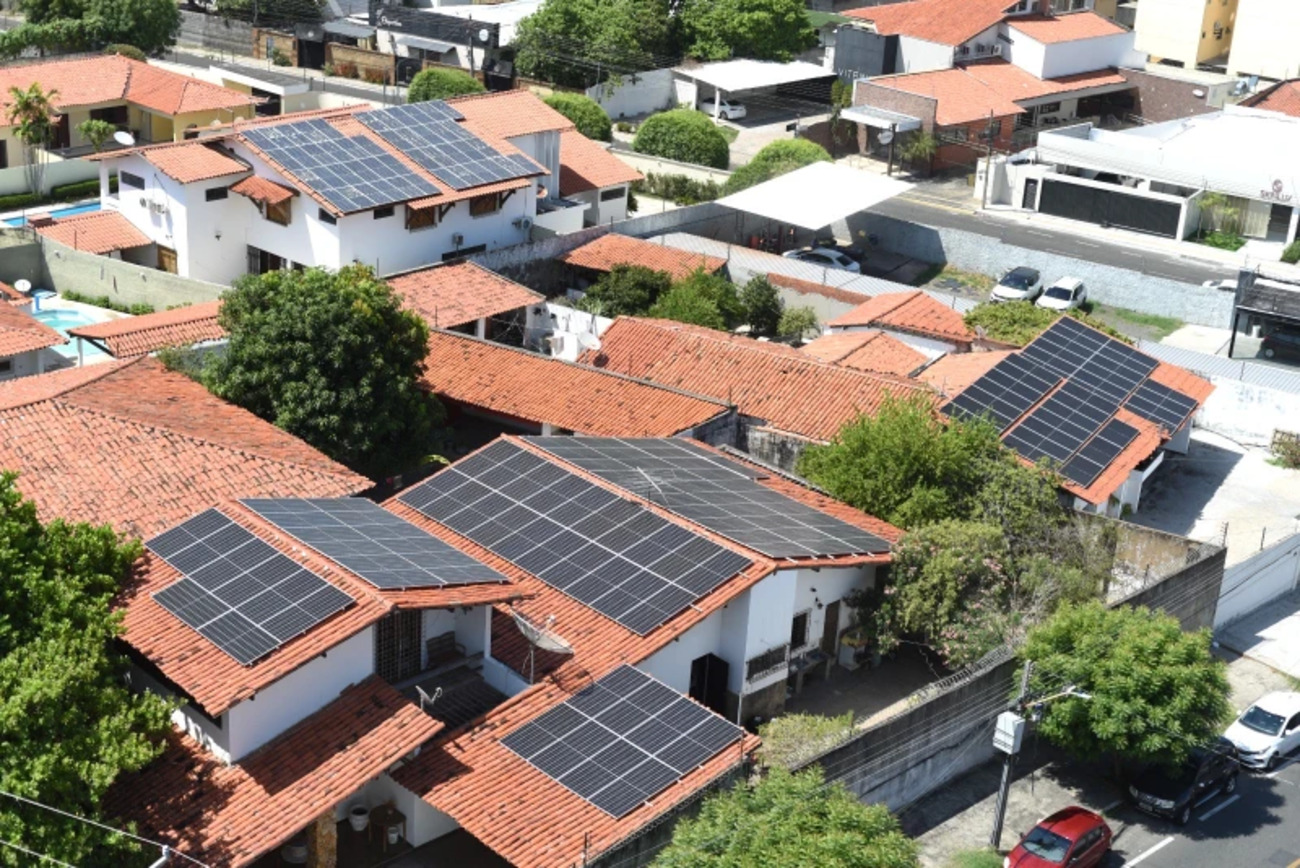

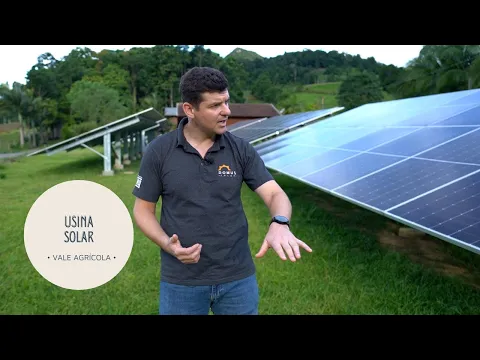

To overcome these difficulties, many farmers have begun to use parts of their land for solar energy generation. The panels are installed in fallow areas or in sections where farming has become unfeasible due to water resource scarcity.
The energy generated is used directly on the properties, powering irrigation systems and other activities. The surplus is directed to the electrical grid, providing additional income to producers.
Agriculture and Renewable Energy in the Same Space
In addition to generating energy, many farmers are adopting integrated practices known as agrivoltaics, where specific crops are planted under the solar panels. This combination is especially useful for crops sensitive to excessive sunlight, such as leafy greens and red fruits.
The shade provided by the panels reduces water evaporation in the soil, requiring less irrigation. In contrast, the microclimate created helps cool the panels, increasing their energy efficiency.
Other producers are transforming shaded areas into pastures. Livestock grazing under the panels naturally fertilizes the soil, encouraging vegetation growth and benefiting native pollinators.
According to Ryan Romack, founder of AgriSolar Ranch, the vegetation under the panels tends to be greener and healthier. “Especially where sheep have grazed for longer, the improvement in soil quality is noticeable,” he states.
Challenges with New Regulations
Despite the success of integrating solar energy and agriculture, the profitability of the practice faces new obstacles. Recently, California reduced an average of 75% in the tariffs paid for electricity generated and sent to the grid by rural producers.
The change has discouraged some farmers who planned to invest in new photovoltaic systems. According to Karen Norene Mills, vice president of the California Farm Bureau, “the math that used to justify the investment no longer adds up.”
Nevertheless, many experts believe that food production and energy generation do not need to be mutually exclusive. Solar energy can be integrated into the production system without completely eliminating the agricultural function of the land.
Risks and Adjustments in Land Use
The study also revealed that by converting productive areas into solar energy fields, the Central Valley lost an amount of food equivalent to 86,000 people per year in calories. However, researchers point out that markets adjust over time as other regions begin to meet this food demand.
The expectation is that by the end of the panels’ lifespan—usually between 25 and 30 years—the soil will be richer in nutrients, ready to be reused for agriculture. Even in areas that remain fallow, the ecosystem tends to recover and provide long-term benefits.
Jake Stid, a scientist at Michigan State University and the lead author of the study, states that solar energy can be managed in a way that benefits the planet, producers, and ecosystems simultaneously.
Energy, Water, and Climate: A Rural Equation
The advancement of renewable energy in the field is directly linked to the search for solutions in the face of climate change and pressure on water resources. The use of solar panels offers a sustainable alternative in regions where the soil is no longer as productive, and water has become a scarce resource.
In the current context, farmers face the need to reduce the use of groundwater while maintaining their production and income. With the generation of solar energy, it is possible to operate equipment such as water pumps at lower costs and sell electricity to supplement the property’s budget.
For many producers, converting even a small part of their land to generate energy is already enough to financially balance the rest of the agricultural operation.
Brazil and the Rural Potential for Solar Energy
Although the study was conducted in the United States, the findings are also relevant to the Brazilian agricultural sector. The country has ample solar availability and vast rural areas that could adopt similar solutions.
Incentive programs for distributed generation and regulations for micro-generators are already in effect, but the challenge remains to expand access to credit and reduce bureaucracy so that farmers of different scales can participate in this transition.
The combined use of solar energy, rotational grazing, environmental preservation, and shade cultivation could be a model to be replicated in various Brazilian regions, contributing to energy and water security in rural areas.
Solar Energy as a New Agricultural Crop
The generation of solar energy is no longer just a technological or environmental issue. It has become part of the business strategy of farmers who wish to sustain their activities amid climate change, pressure on natural resources, and market fluctuations.
For many of them, sunlight has become a valuable commodity, harvested through panels and converted into electricity, income, and stability. More than a replacement of crops, it is an intelligent adaptation that combines productivity, preservation, and innovation in land use.
Source: Canary Media









Seja o primeiro a reagir!