





 Portuguese
  English
  Spanish
  5 min of reading
  0 comments


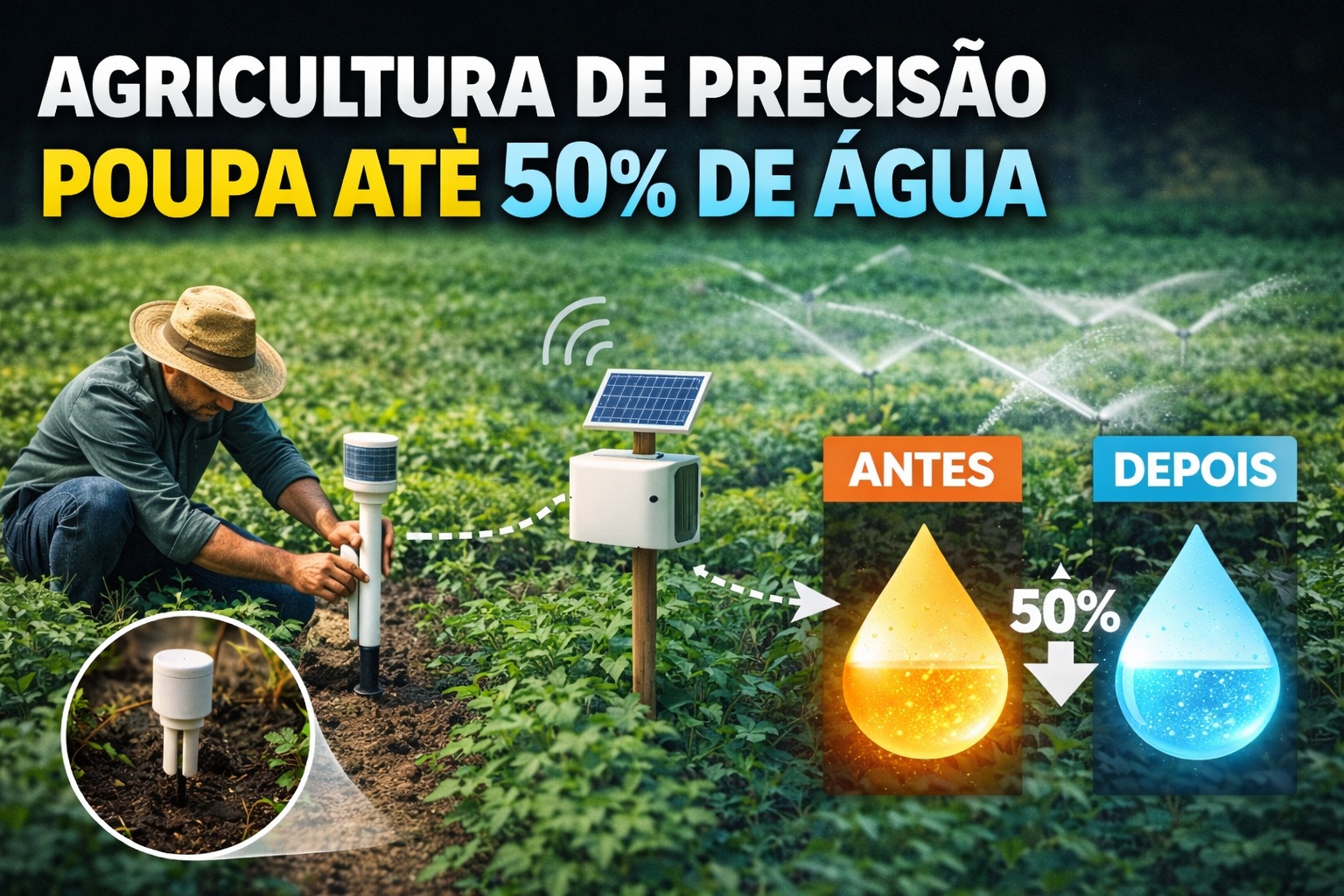
Subsurface Irrigation With Buried Sensors Reduces Evaporation, Saves Up to 50% of Water, and Allows Precise Control of Soil Moisture in Crops Under Climate Stress.
The pressure for water efficiency in agriculture has never been greater. With longer droughts, rising energy costs, and increasingly stringent environmental restrictions, farmers in arid and semi-arid regions have started adopting a combination that is changing the game of modern irrigation: subsurface drip irrigation combined with buried soil sensors. This technique drastically reduces water loss through evaporation, delivers moisture exactly in the root zone, and allows data-driven decisions in real time — something unthinkable in conventional irrigation.
Unlike sprinklers or center pivots, which wet large surface areas and lose a significant amount of water to the air, the system operates below the ground, protecting the applied moisture from sunlight, wind, and surface compaction.
What Is Subsurface Drip Irrigation and Why Does It Reduce Evaporation So Much?
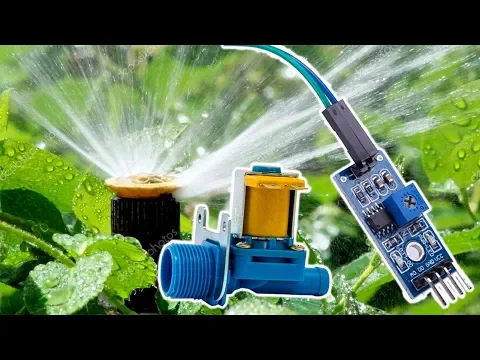

Subsurface drip irrigation, internationally known as SDI (Subsurface Drip Irrigation), consists of buried drip tubing lines usually placed between 20 and 40 centimeters deep, positioned directly in the region where the active roots of the plants are concentrated.
-
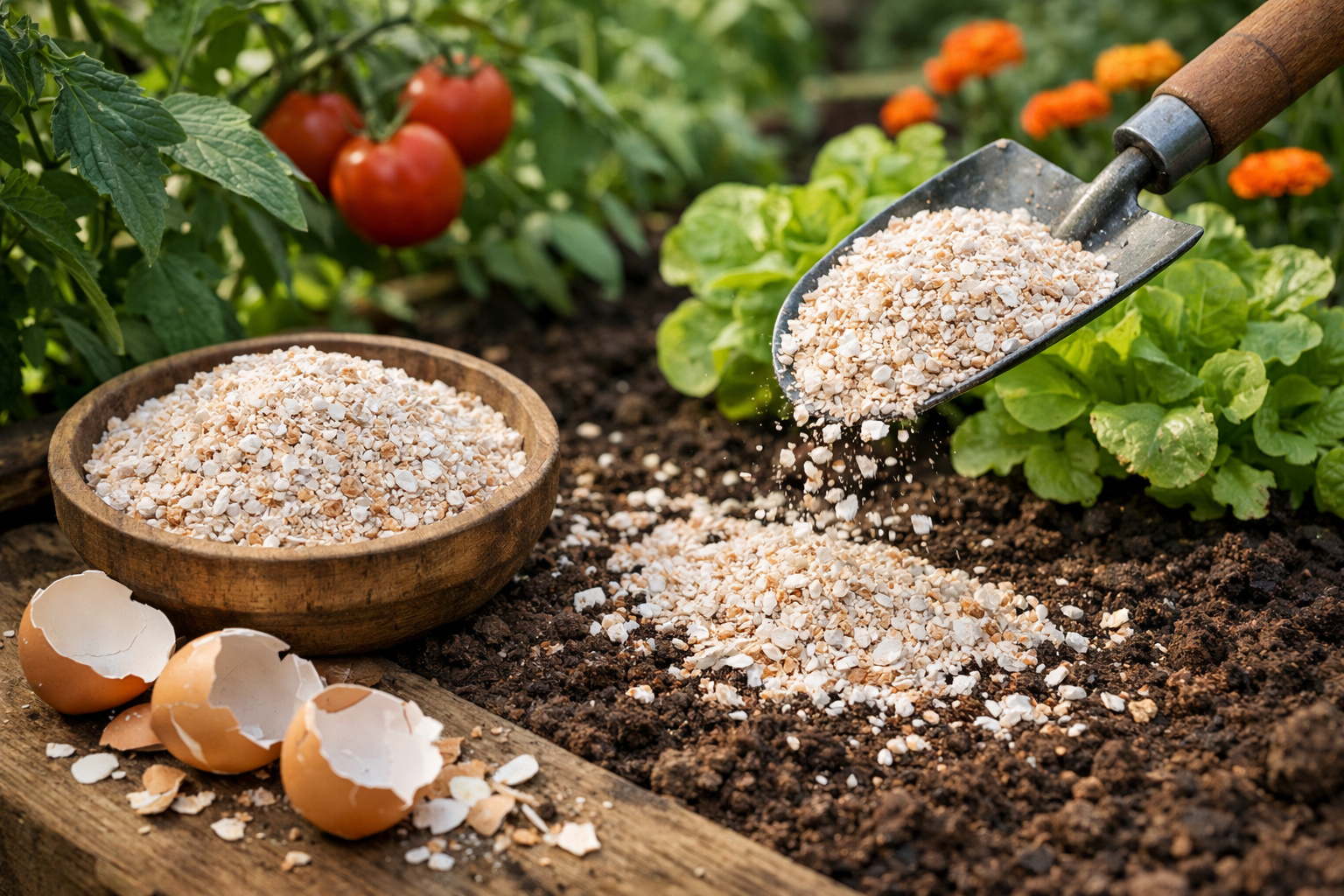
The eggshell that almost everyone throws away is made up of about 95% calcium carbonate and can help enrich the soil when crushed, slowly releasing nutrients and being reused in home gardens and vegetable patches.
-
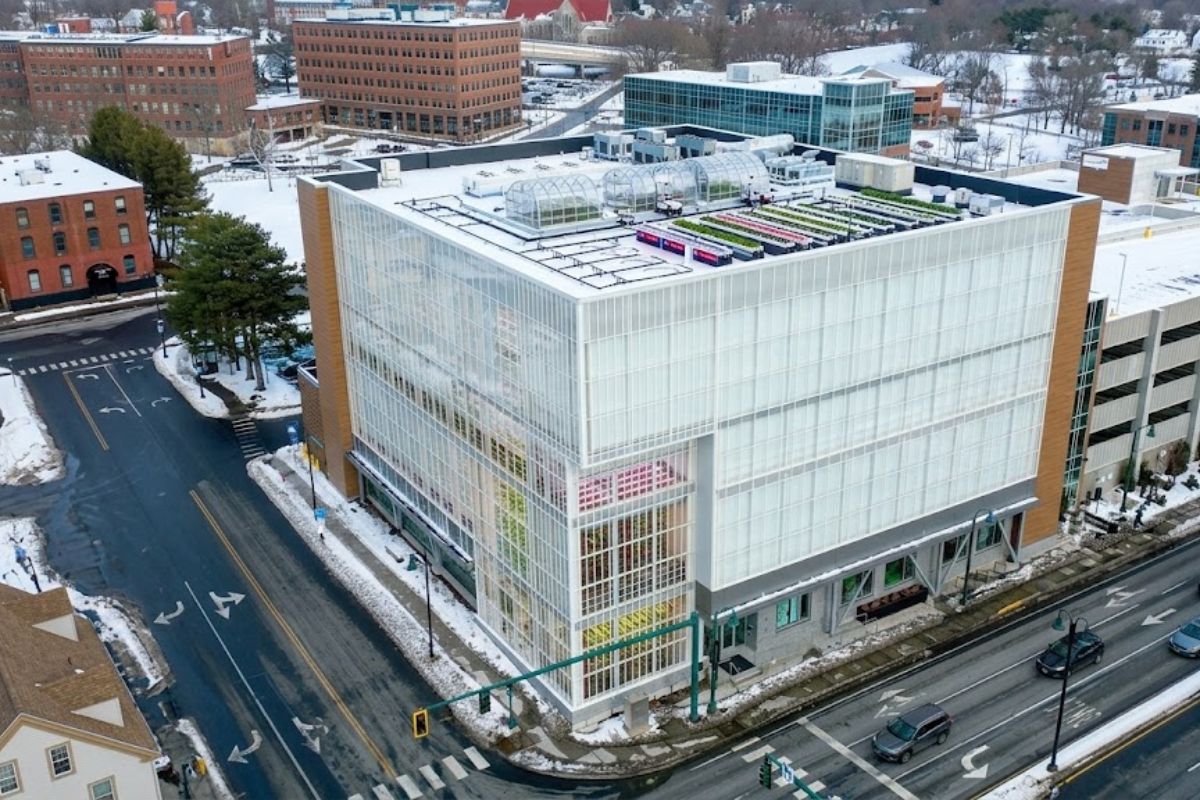
This farm in the United States does not use sunlight, does not use soil, and produces 500 times more food per square meter than traditional agriculture: the secret lies in 42,000 LEDs, hydroponics, and a system that recycles even the heat from the lamps.
-
The water that almost everyone throws away after cooking potatoes carries nutrients released during the preparation and can be reused to help in the development of plants when used correctly at the base of gardens and pots, at no additional cost and without changing the routine.

-
The sea water temperature rose from 28 to 34 degrees in Santa Catarina and killed up to 90% of the oysters: producers who planted over 1 million seeds lost practically everything and say that if it happens again, production is doomed to end.


In this arrangement, water does not need to cross the soil surface. It is released slowly underground, forming a stable wet bulb that expands laterally and vertically according to the soil texture. Since there is no direct exposure to the environment, evaporation losses can fall by 30% to 50%, depending on climate, crop, and management.
In addition to water savings, the system reduces:
- growth of surface weeds
- formation of soil crusts
- nutrient leaching
- compaction caused by machinery on wet soil
The Role of Buried Sensors in Precision Irrigation Control
The technological leap in subsurface drip irrigation occurred when it started being integrated with soil moisture and water potential sensors. These sensors are installed at different depths and distances from the drip lines, allowing the farmer to know exactly when to irrigate, how much to irrigate, and for how long.
Instead of irrigating on a fixed schedule, management becomes based on the actual needs of the plant, measured directly in the soil. This prevents both water stress and excess watering, which compromises root aeration and fosters diseases.
The sensors continuously send data to controllers or digital platforms, which can automatically operate valves and pumps only when critical levels are reached.
Main Types of Sensors Used in Subsurface Irrigation
There are three main categories of sensors widely used in SDI systems, all with real applications in the field.
Capacitive Soil Moisture Sensors
These are the most popular due to their good cost-benefit ratio. They work by measuring the soil’s dielectric constant, which varies with water content.
Technical characteristics:
- quick response
- continuous reading
- low maintenance
- good accuracy in calibrated soils
Commonly used models:
- Decagon / METER Group TEROS 10 and TEROS 12
- Sentek Drill & Drop
- Vegetronix VH400
These sensors are usually buried between 20 and 60 cm, depending on the crop.
Tensiometers and Matric Potential Sensors
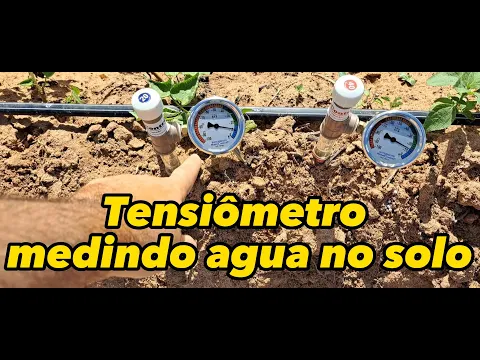
They measure the force that the plant needs to exert to extract water from the soil, being extremely useful for crops sensitive to water stress.
Technical characteristics:
- measure actual water availability
- ideal for clayey soils
- slower response than capacitive sensors
Models used in the field:
- Irrometer Watermark 200SS
- Soilmoisture Equipment Tensiometers
They are very common in fruit cultivation, horticulture, and vineyards.
Advanced Multiparameter Sensors
More sophisticated equipment that combines moisture, temperature, and electrical conductivity, also allowing monitoring of salinity and the risk of salt accumulation.
Technical characteristics:
- high accuracy
- integration with IoT platforms
- higher cost
Known models:
- METER Group TEROS 21 and TEROS 31
- Sentek EnviroSCAN
How Much Water Can Really Be Saved in the Field?
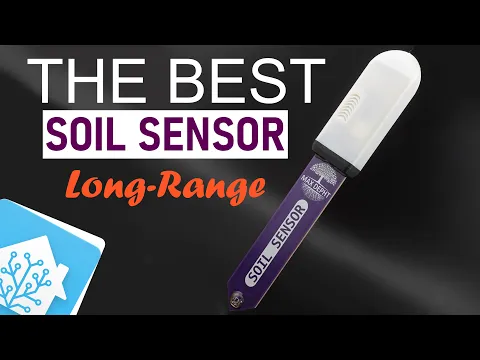
Field studies in arid regions of the United States, Israel, Spain, and Brazil show consistent reductions in water consumption when SDI is combined with sensors.
Observed results:
- average savings of 30% to 50% in water
- productivity increase of 10% to 25% in crops such as corn, cotton, sugarcane, and vegetables
- significant reduction in pumping energy costs
In irrigated corn crops in the western United States, well-calibrated systems operated with less than 500 mm per cycle, compared to over 800 mm in conventional sprinkling.
Depth of Tubes and Positioning of Sensors
The system’s performance directly depends on the correct positioning of the components.
Common technical parameters:
- drip tubes: 20 to 40 cm deep
- primary sensors: at the same depth as the active roots
- secondary sensors: 10 to 20 cm below the root zone, to detect deep percolation
This arrangement allows for identifying whether water is being applied beyond what is necessary, avoiding waste and leaching of fertilizers.
Integration with Fertigation and Total Automation
Another differentiator of the system is the direct integration with fertigation. Nutrients are applied together with water, in precise doses, directly into the root zone, increasing the efficiency of fertilizer use.
When combined with automatic controllers, the system can:
- adjust the moisture applied per plot
- respond to real-time climate changes
- operate without direct human intervention
In medium and large properties, this represents not only water savings but also a significant reduction in labor.
Limitations and Technical Precautions of the System
Despite the advantages, subsurface drip irrigation requires rigorous technical planning.
Critical points:
- efficient water filtration to avoid clogging
- careful management of aggressive roots
- constant pressure monitoring in the system
- periodic maintenance of sensors
If poorly sized, the system may suffer from blockages or irregular moisture distribution.
Why This Technology Has Become Strategic in Regions Under Climate Stress
With the intensification of climate change, techniques that extract more production per liter of water have become essential. In regions where water availability defines agricultural viability, subsurface irrigation with sensors has become a strategic survival tool for productive farming.
It’s not just about saving water, but about precisely controlling an increasingly scarce resource. Therefore, the technology is rapidly advancing in grain areas, fruit cultivation, horticulture, and even irrigated pastures.









-

-

-

3 pessoas reagiram a isso.