





 Portuguese
  English
  Spanish
  4 min of reading
  0 comments


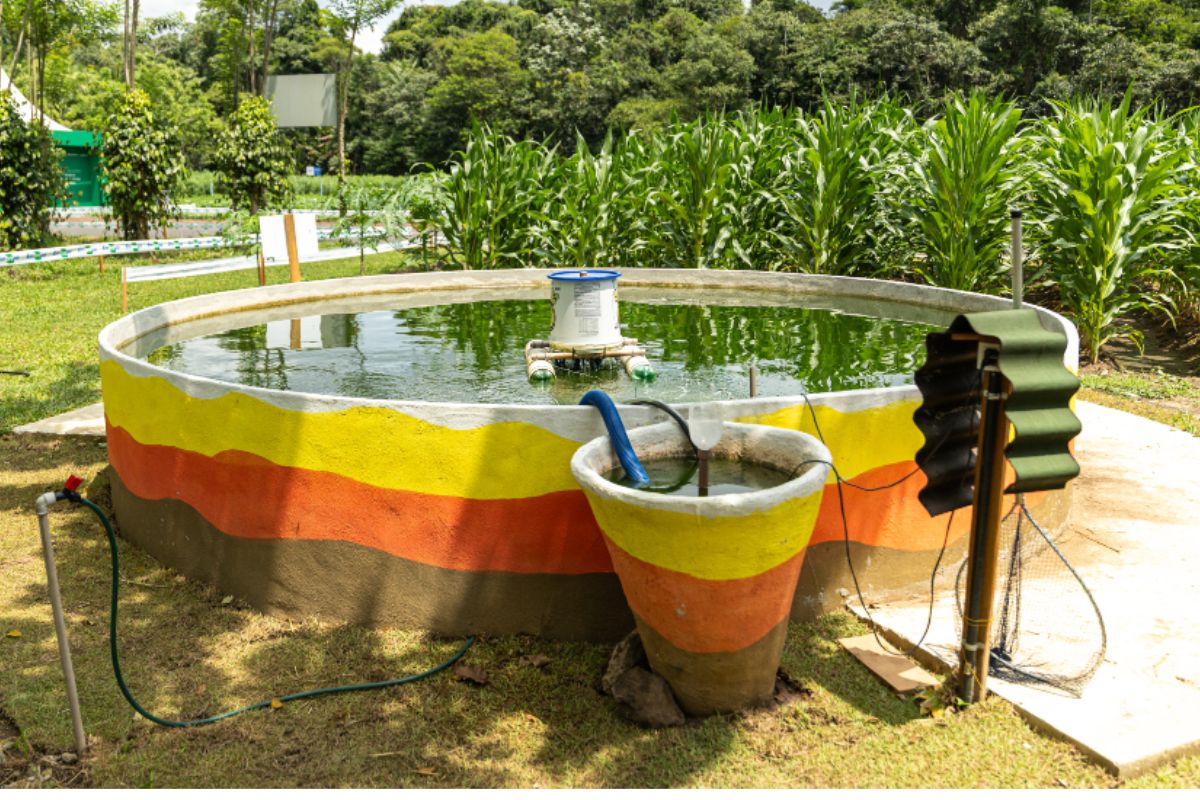
In Discussion at AgriZone, Experts Presented Innovative Initiatives in Urban Agriculture That Combine Sanitation, Food Security, and Embrapa Technologies to Strengthen Sustainable Production in Cities
Urban agriculture has been gaining ground as an essential alternative to ensure food security, sustainability, and climate adaptation in Brazilian cities, according to a news article published.
During the 30th United Nations Conference on Climate Change (COP30), held in Belém (PA), the panel held at the AgriTalks Arena of AgriZone, a space of Embrapa dedicated to sustainable agriculture, highlighted inspiring experiences that combine social technology, public policies, and community engagement.
The event took place on the afternoon of last Monday, the 10th, bringing together researchers, public managers, and representatives of reference projects in the country.
-
While Russia dominates the global wheat market, Brazil emerges as an unexpected competitor in the Cerrado, offering grain available in July and August when stocks in the Northern Hemisphere are at their lowest point of the year.

-
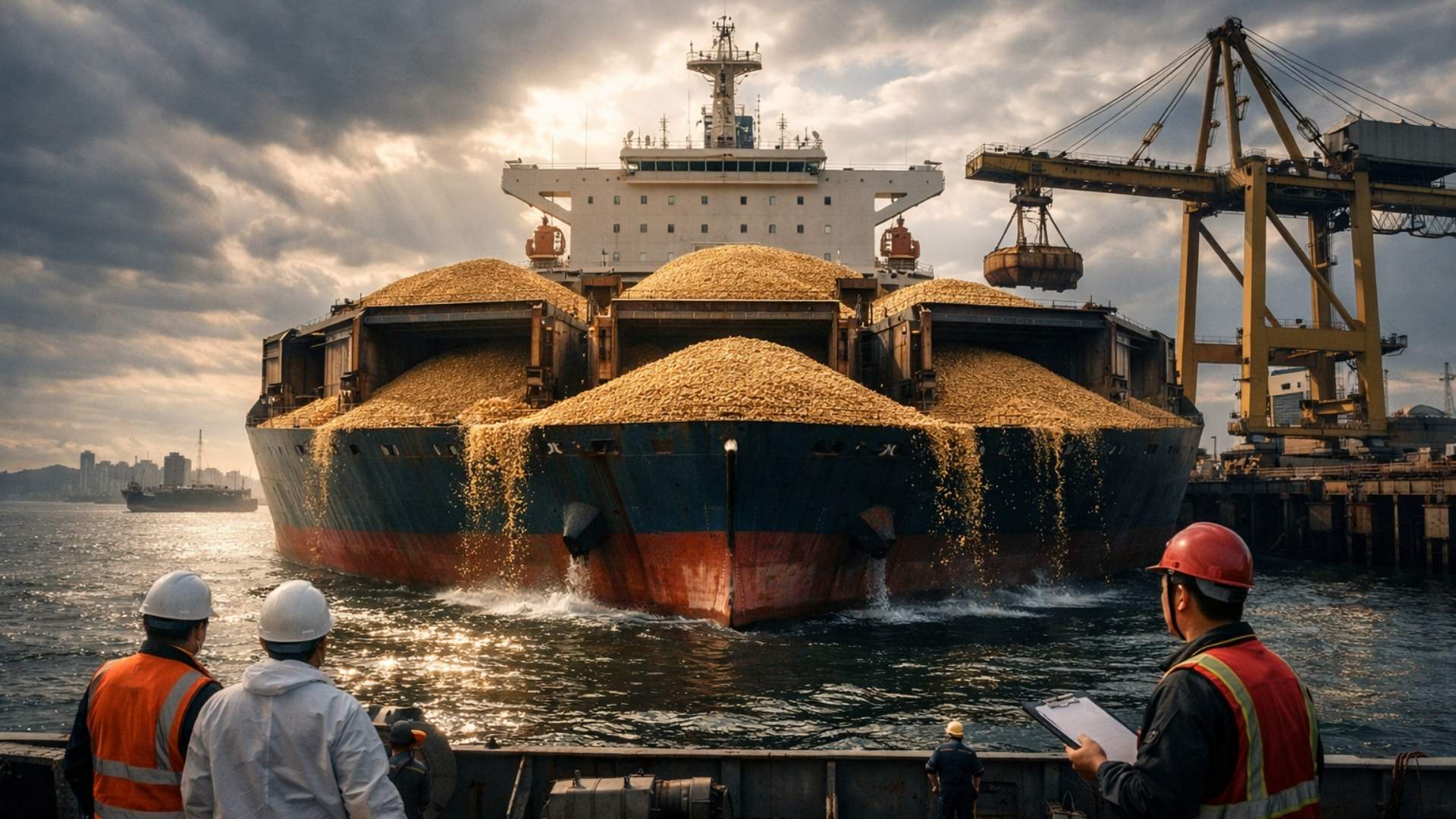
China returned almost 20 Brazilian ships with soybeans, but now everything could change: the country that buys 80% of the grain is considering relaxing regulations after impurities held up shipments of thousands of tons and caused million-dollar losses.
-
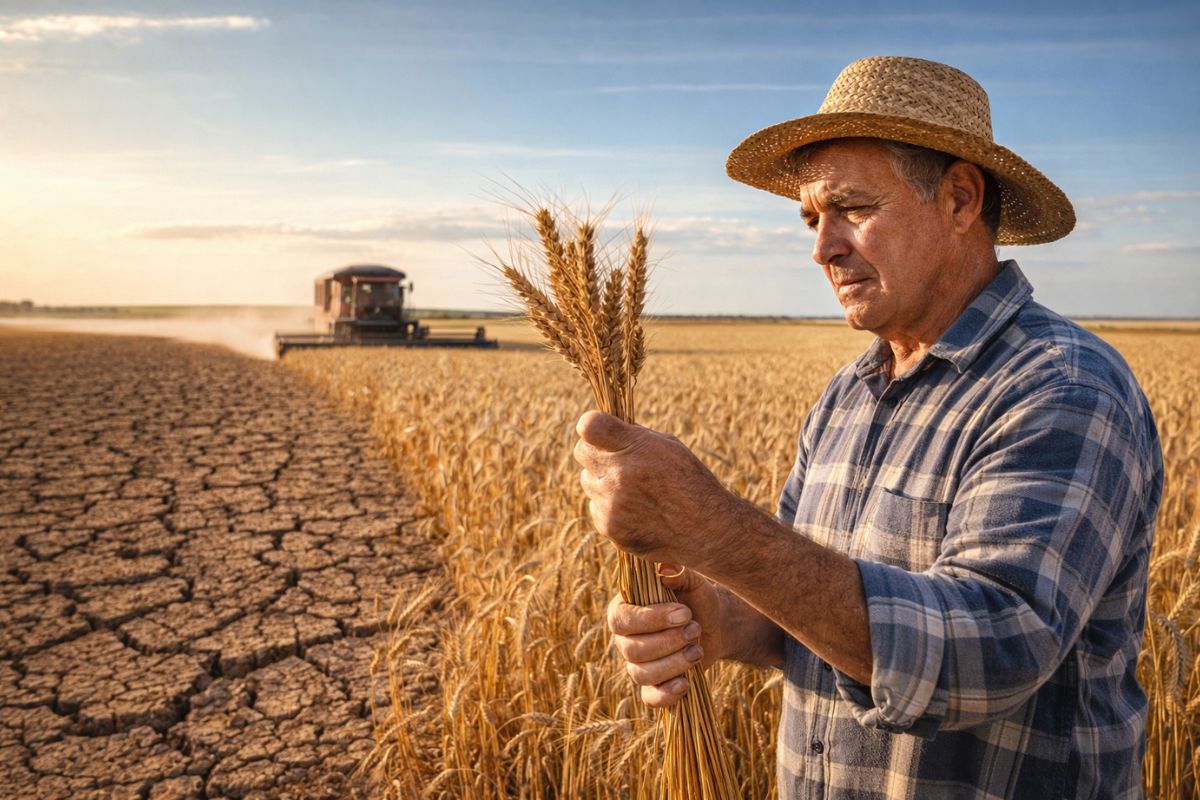
The drought of the cerrado was considered an enemy of wheat, but Brazilian scientists turned the lack of rain into a competitive advantage by creating a grain with quality that is already attracting the attention of international mills around the world.
-
THE OWNER of Brazil: a farmer who came from laundries, created an ’empire’ and today runs a company valued at R$ 42 billion after tripling its value in less than a year and receiving a billion-dollar investment from the USA.


Moderated by Kelliane Fuscaldi, an analyst at Embrapa and the national coordinator of Urban and Periurban Agriculture at the National Food and Nutritional Security Secretariat (Sesan), the panel presented four initiatives linked to the National Urban and Periurban Agriculture Program, three of which were developed by Embrapa: Tá Na Horta, Sisteminha, and Urban Agriculture with Basic Sanitation.
These actions demonstrate how food production can be integrated into the urban environment in a healthy, resilient, and participatory manner.
Sustainable Community Gardens as a Model for Social Inclusion
Among the experiences presented, the Tá Na Horta project stood out for promoting sustainable community gardens in vulnerable urban areas.
Developed by Embrapa in partnership with the Ministry of Development and Social Assistance (MDS), the pilot project was implemented in Brasília (DF) alongside a cooperative of recyclable material collectors.
The proposal was to create a simple and accessible garden model, focusing on food security and local income generation.
The Embrapa consultant, Henrique Carvalho, explained that the initiative trained around 50 people in two stages and resulted in the creation of an online course on community garden management, scheduled for 2026.
The goal is to provide technical and management tools that enable the self-sufficiency of communities, ensuring that cultivation remains active and productive.
The action also encourages community trade of surpluses, broadening the social and economic reach of the gardens.
Food Production in Cities with Sustainable Technologies from Embrapa
Another highlight of the panel was the Sisteminha Embrapa, a set of integrated technologies that allows for food production in cities in an autonomous and sustainable manner.
According to researcher Guilhermina Cayres of Embrapa Cocais (MA), the system was developed to serve families of up to five people, ensuring nutritional balance with low environmental impact.
The model consists of five modules: fish tank, egg-laying chickens, composting, worm farming, and vegetable cultivation, and can be adapted to local habits.
Each unit occupies a minimum area of 100 m², allowing its application in both backyards and idle urban land.
In partnership with the MDS, 300 new implementations are planned across the country, with the training of social organizations to accompany the process.
According to Guilhermina, the goal is to achieve food sovereignty and promote autonomy through sustainable technologies from Embrapa.
Basic Sanitation and Urban Agriculture: A Partnership for Resilient Cities
The project Urban Agriculture with Basic Sanitation presented an innovative approach by integrating basic sanitation and agriculture.
Researcher Wilson Tadeu from Embrapa Instrumentation (SP) explained that the focus is on simplicity and community self-management.
Among the project’s pillars are the reuse of treated effluents through the Biodigester Septic Tank, soil fertilization, and the encouragement of healthy food production on a local scale.
The initiative will initially be implemented in Biguaçu, in the metropolitan area of Florianópolis (SC), with the aim of serving as a replicable reference throughout Brazil.
The proposal aims to demonstrate how accessible technologies can be applied in the daily routines of communities, reinforcing the connection between sanitation, the environment, and food security.
During the panel, Kelliane Fuscaldi emphasized that cities consume about 80% of the food produced and that urban agriculture plays a crucial role in mitigating greenhouse gas emissions.
In addition to bringing production and consumption closer, it reduces waste and contributes to meeting the climate goals outlined in the Nationally Determined Contributions (NDCs).
The secretary also highlighted that, with the publication of the law of the National Policy on Urban and Periurban Agriculture in 2024 and the update of the National Program in 2023, Brazil strengthens its legal framework to promote more sustainable and socially just cities, connecting food, the environment, and citizenship.





-

-

2 pessoas reagiram a isso.