





 Portuguese
  English
  Spanish
  3 min of reading
  0 comments


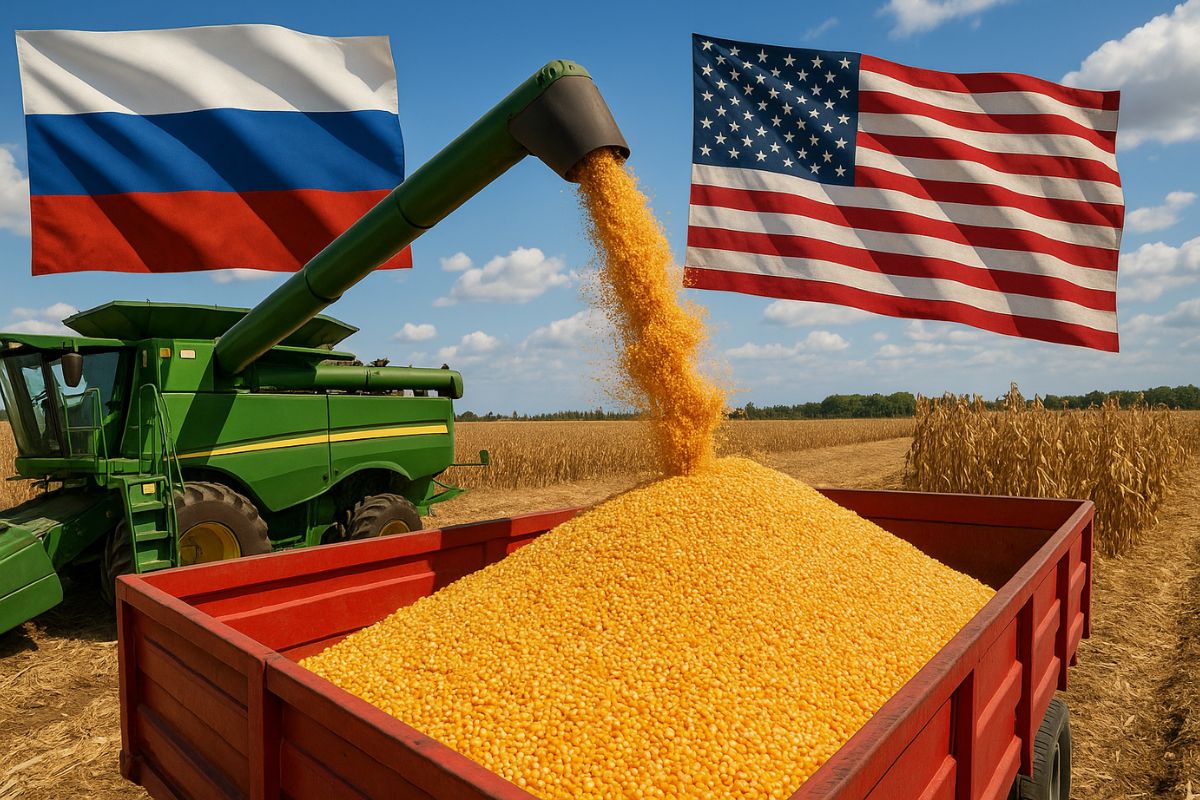
Brazilian Agriculture Imports Tons of Fertilizers from Russia. Sector Alerts Itamaraty After Threat of Secondary Sanctions Made by Trump Amid Geopolitical Crisis
The brazilian agriculture has raised a red flag in light of the possibility of economic sanctions from the United States, motivated by the increasing purchases of fertilizers from Russia. According to Folha de S.Paulo, industry leaders and members of the agribusiness caucus have already brought the issue to the Itamaraty, fearing that the new tariff imposed by Donald Trump might extend to products strategic to the national production chain.
The concerns grew after the former American president stated that countries continuing to purchase Russian exports, such as oil, gas, uranium, and fertilizers, could face indirect economic retaliation. Brazil is highly dependent on these inputs, especially fertilizers, more than 90% of which are imported, with Russia being the main supplier.
What Is the Real Risk of Sanctions to Brazilian Agriculture?
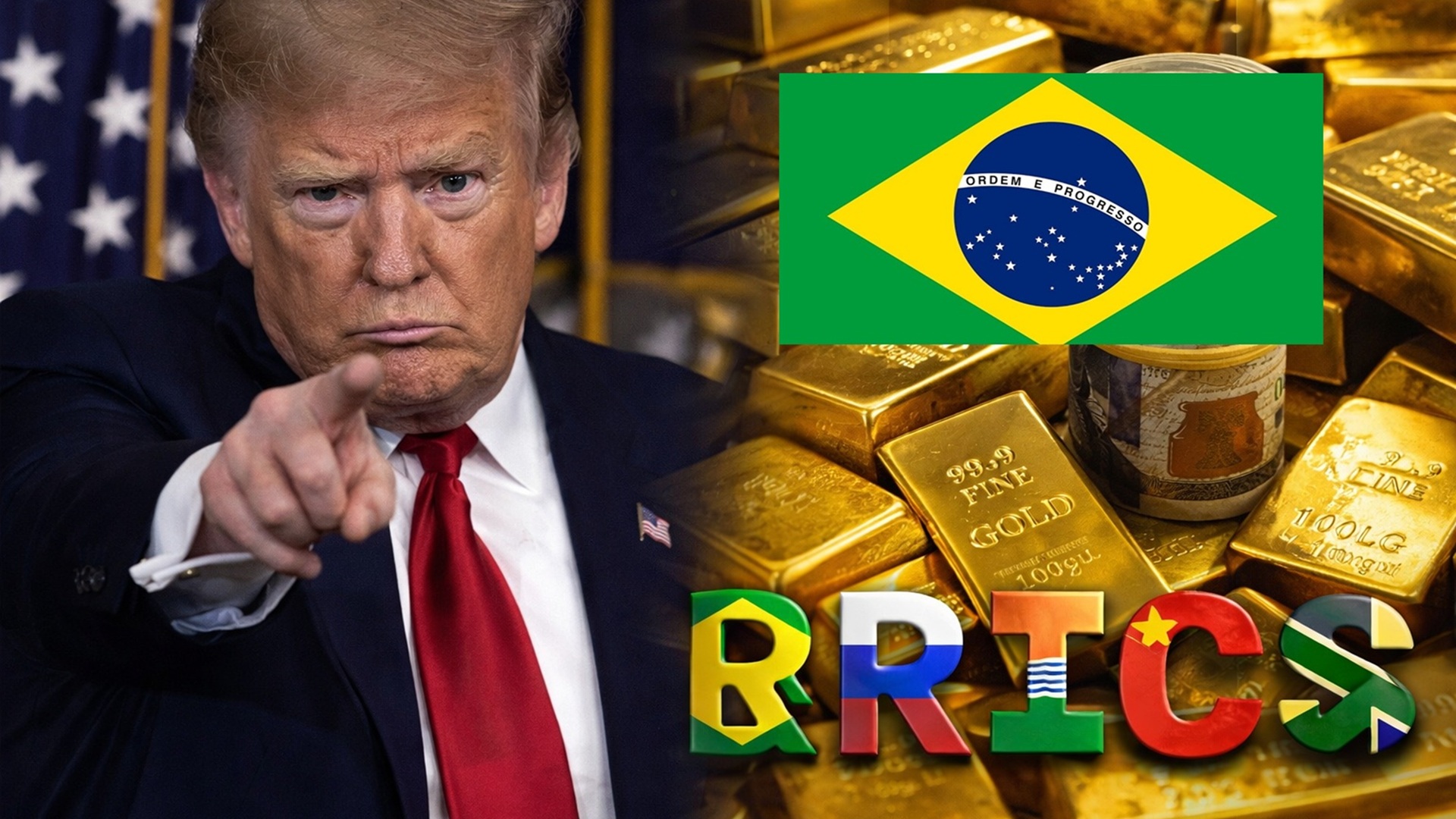
Since the beginning of 2025, Trump has hardened his rhetoric against countries maintaining trade relations with Russia, even after the western sanctions due to the war in Ukraine. On July 14th, he threatened to impose secondary tariffs of up to 100% on goods from countries still purchasing Russian products, including fertilizers, which directly affects Brazil.
-
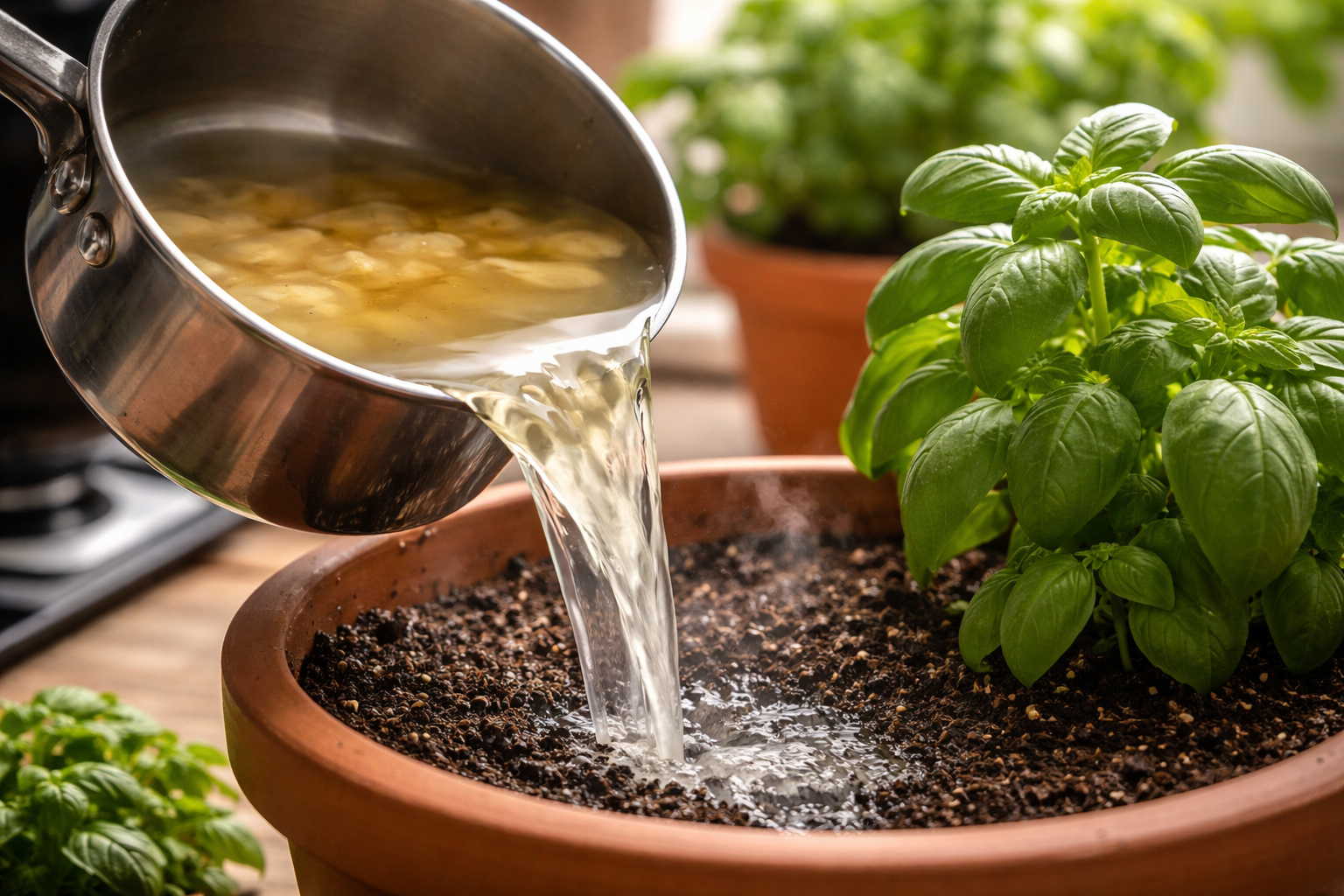
The water that almost everyone throws away after cooking potatoes carries nutrients released during the preparation and can be reused to help in the development of plants when used correctly at the base of gardens and pots, at no additional cost and without changing the routine.
-
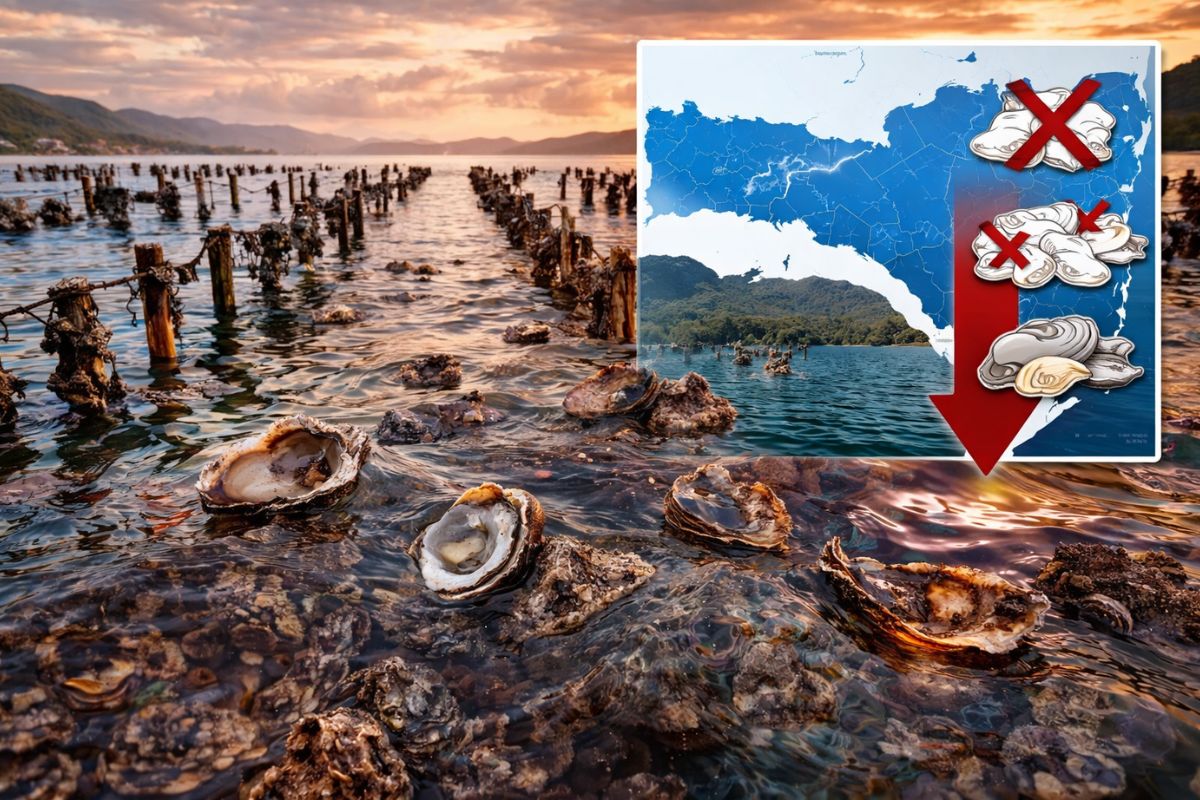
The sea water temperature rose from 28 to 34 degrees in Santa Catarina and killed up to 90% of the oysters: producers who planted over 1 million seeds lost practically everything and say that if it happens again, production is doomed to end.
-
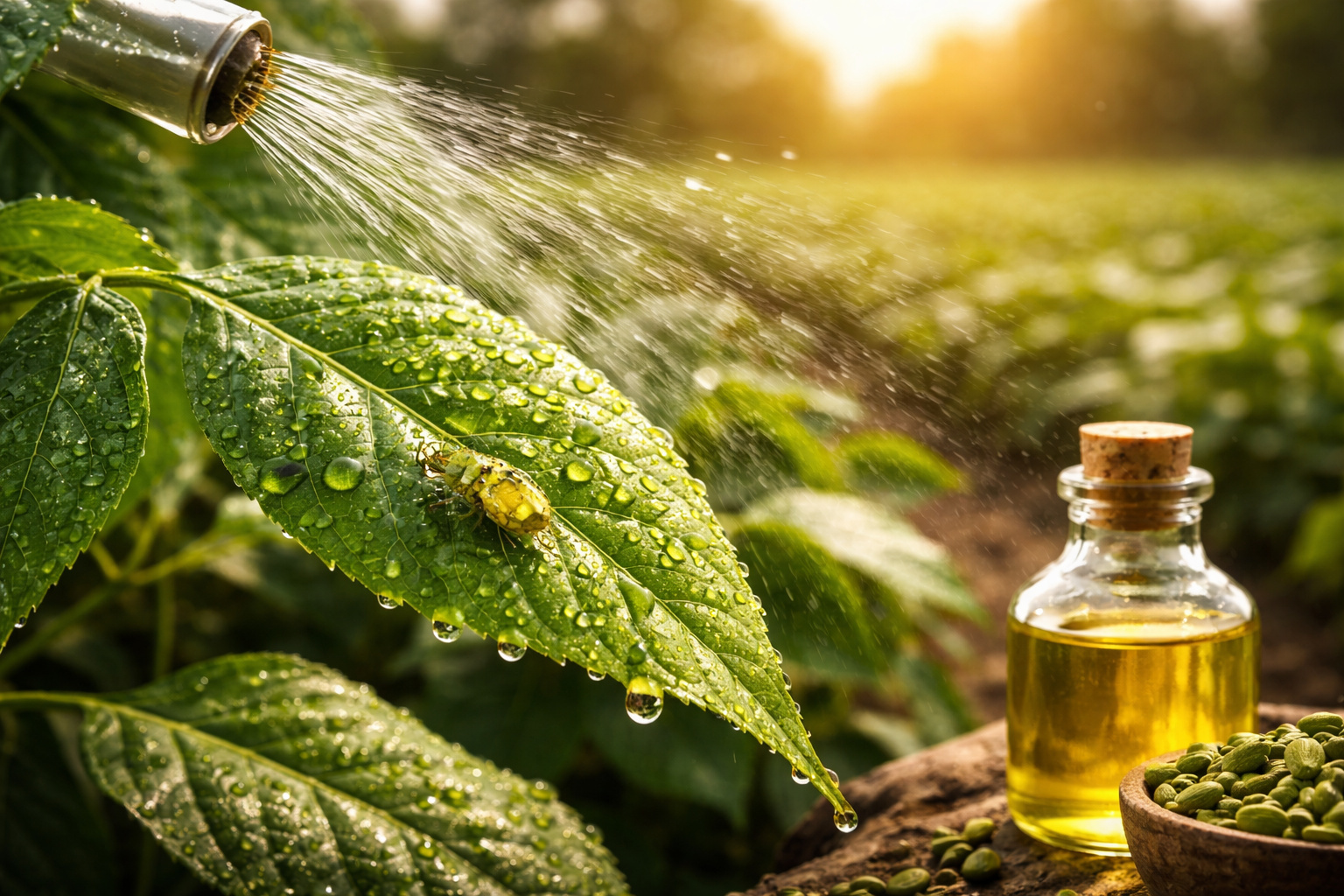
An Indian tree that grows in the Brazilian Northeast produces an oil capable of acting against more than 200 species of pests and interrupting the insect cycle, gaining ground as a natural alternative in soybean, cotton, and vegetable crops.
-
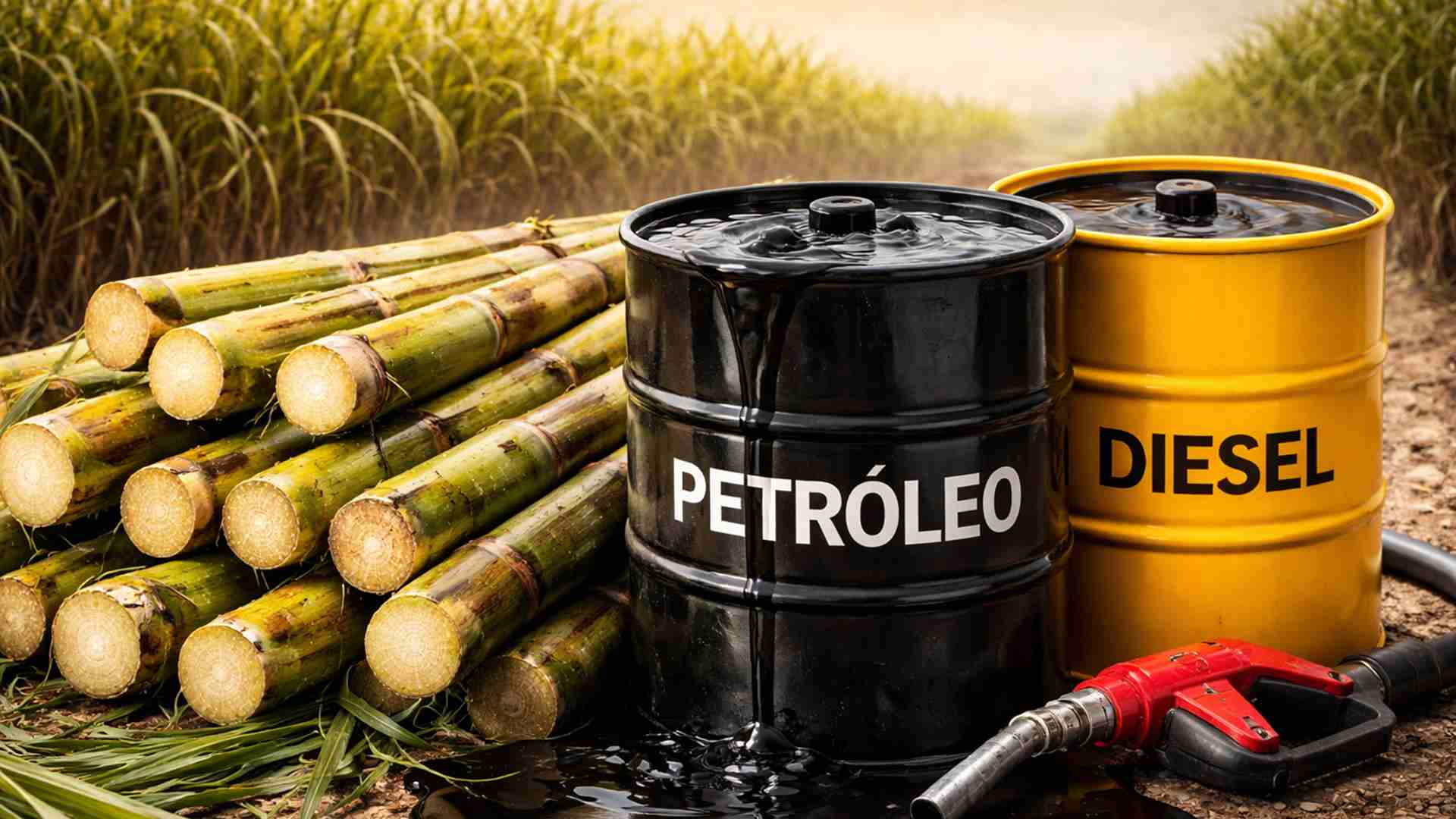
The rise in oil prices in the Middle East is already affecting Brazilian sugar: mills in the Central-South are seeing their margins shrink just as ethanol gains strength.

This measure, if confirmed, would not directly impact the fertilizers themselves, but rather the Brazilian products exported to the U.S., as a form of indirect pressure. The fear in the agribusiness sector is that this would harm the competitiveness of exports such as soybeans, corn, beef, and coffee, jeopardizing the trade balance and the rural economy.
What Is the Size of Brazil’s Dependency on Russian Fertilizers?
According to official data from the MAPA (Ministry of Agriculture and Livestock), over 30% of the fertilizers imported by Brazil come from Russia, surpassing traditional partners such as China, Canada, and the United States. Brazil ranks fourth in the world in consumption of these inputs, behind only China, India, and the U.S.
In 2025, the country had already imported 5.71 million tons of Russian fertilizers in the first half of the year, at a cost of US$ 1.98 billion. The estimate is that the total for the year will exceed 12 million tons, hitting a new historical record. This dependency has only grown over the last decade: in 2015, it was 3.7 million tons; in 2023, it jumped to 9.3 million.
What Does the Brazilian Government Say?
So far, the federal government avoids strong statements on the matter. The Agribusiness Parliamentary Front also prefers silence. However, diplomatic backchannels indicate that Itamaraty has already been formally alerted by sector representatives about the risks of sanctions.
During a recent trip to the United States, Brazilian senators tried to sensitize the American government about the complexity of trade relations with Russia.
According to a report from Folha, Americans are particularly concerned about the growing volume of Russian diesel purchased by Brazil, the second most imported item, behind only fertilizers.
What Would Be the Immediate Impacts for the Agricultural Sector?
The main effect would be an increase in production costs, should the fertilizer supply chain be affected. With over 73% of consumption concentrated in soybeans, corn, and sugarcane, a disruption in supply or price hikes would pressure food inflation, in addition to compromising harvest planning.
Moreover, an indirect sanction via export surtax could reduce Brazil’s access to the American market, forcing the country to seek new buyers or negotiate under unfavorable conditions.
Do you think Brazil should immediately diversify its fertilizer sources? Do Trump’s threats justify a firmer diplomatic reaction? Share your opinion; we want to hear from those closely following agriculture.








-

Uma pessoa reagiu a isso.