





 Portuguese
  English
  Spanish
  2 min of reading


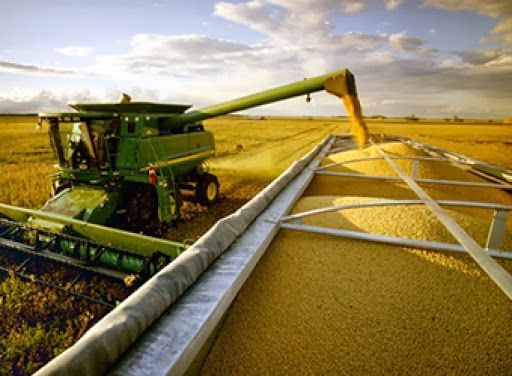
Only 17% of Public Bank Aid Will Be Allocated to Agribusiness as a Measure Against the Coronavirus Crisis
Agribusiness, responsible for years for the good results in GDP, positive trade balance, and turnover of the Brazilian economy, will receive just under 17% of the new credit announced by public banks as a relief measure against the coronavirus pandemic.
Also See:
- The Brazilian Institute of Oil (IBP) and the Federal Government Work to Maintain the Entry of Foreign Workers onto the Platforms
- Resume Registration for Mariners in the Database of DOF Subsea Company for Positions in Rio de Janeiro
The total aid, in billions, will be distributed among the following sectors:
-
Larger than entire cities in Brazil: BYD is building a 4.6 km² complex in Bahia with a capacity for 600,000 vehicles per year, but the discovery of 163 workers in conditions analogous to slavery has shaken the entire project.

-
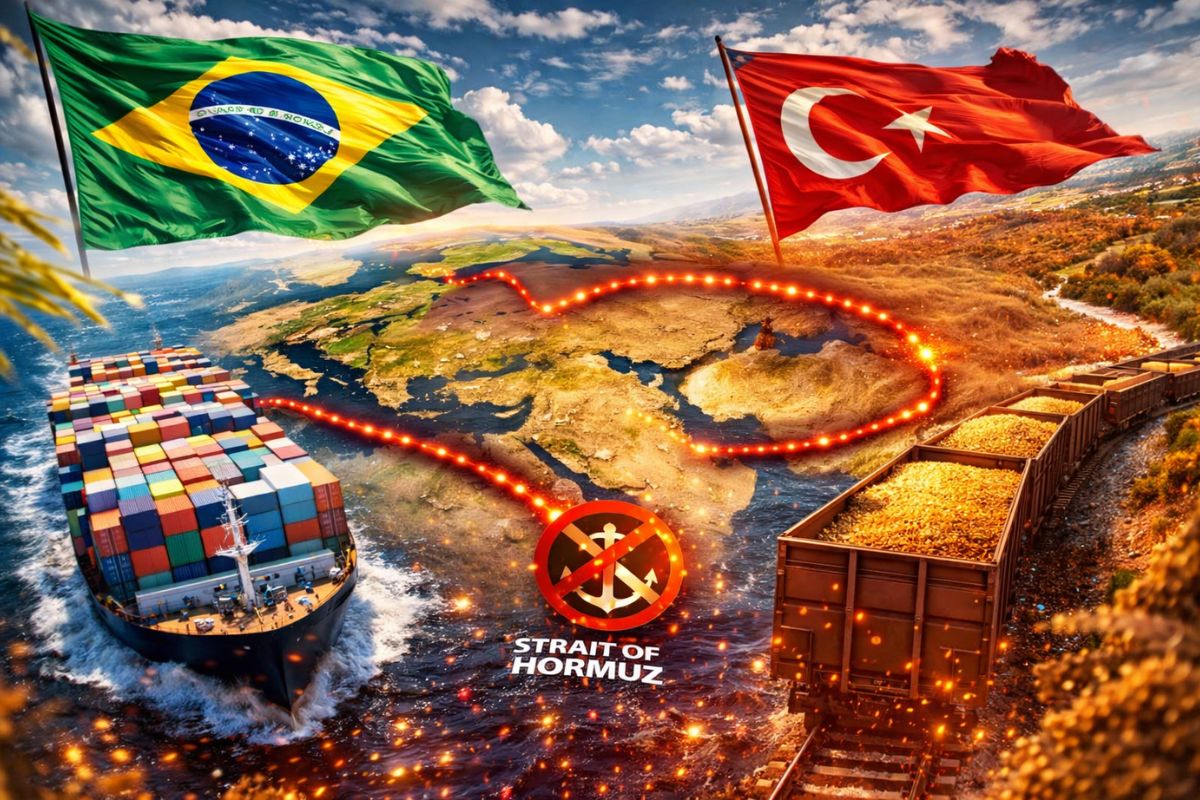
Unable to pass through Hormuz, Brazil activated a plan B that uses Turkey as a gateway to the Middle East: the route through Gibraltar and the Mediterranean is longer and more expensive but ensures that chicken, beef, and corn continue to reach Arab markets.
-
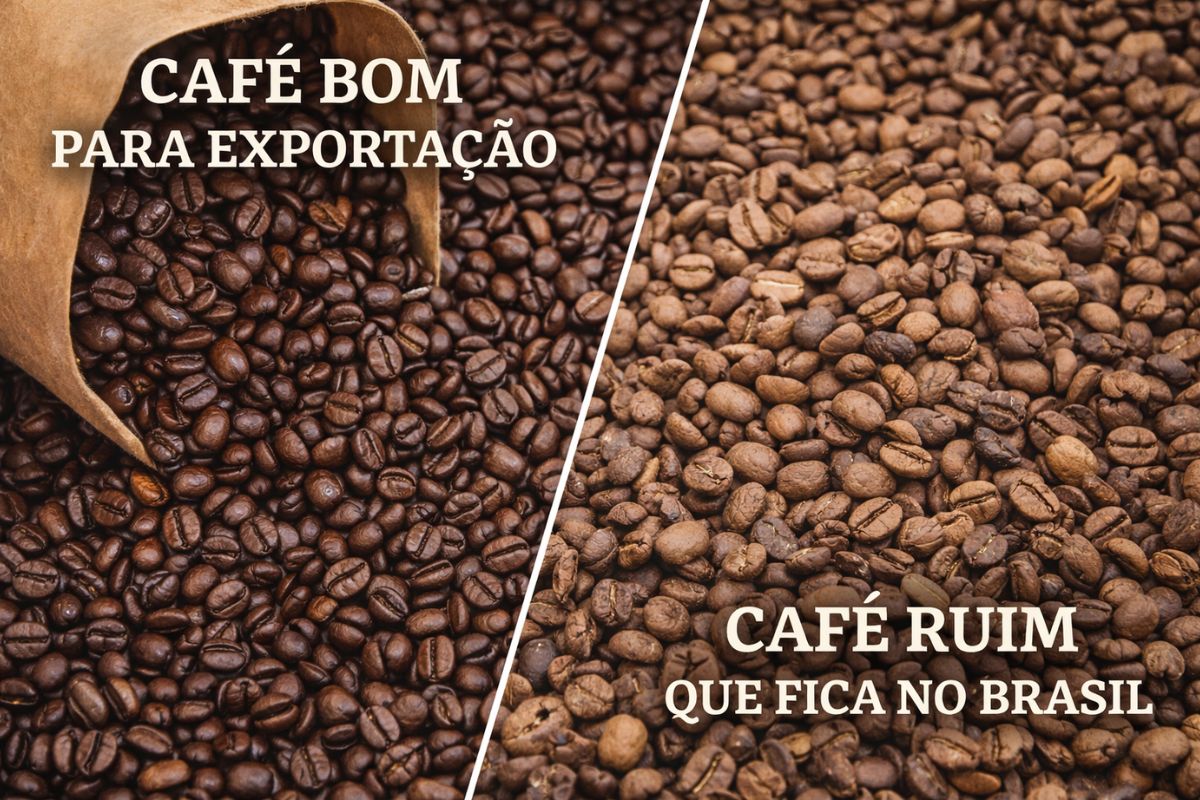
You grew up hearing that the good coffee from Brazil goes all abroad and the bad coffee stays for Brazilians, but this story has completely changed, and the numbers show that in the 1980s, thirty percent of the coffee sold here was adulterated with corn and barley.
-
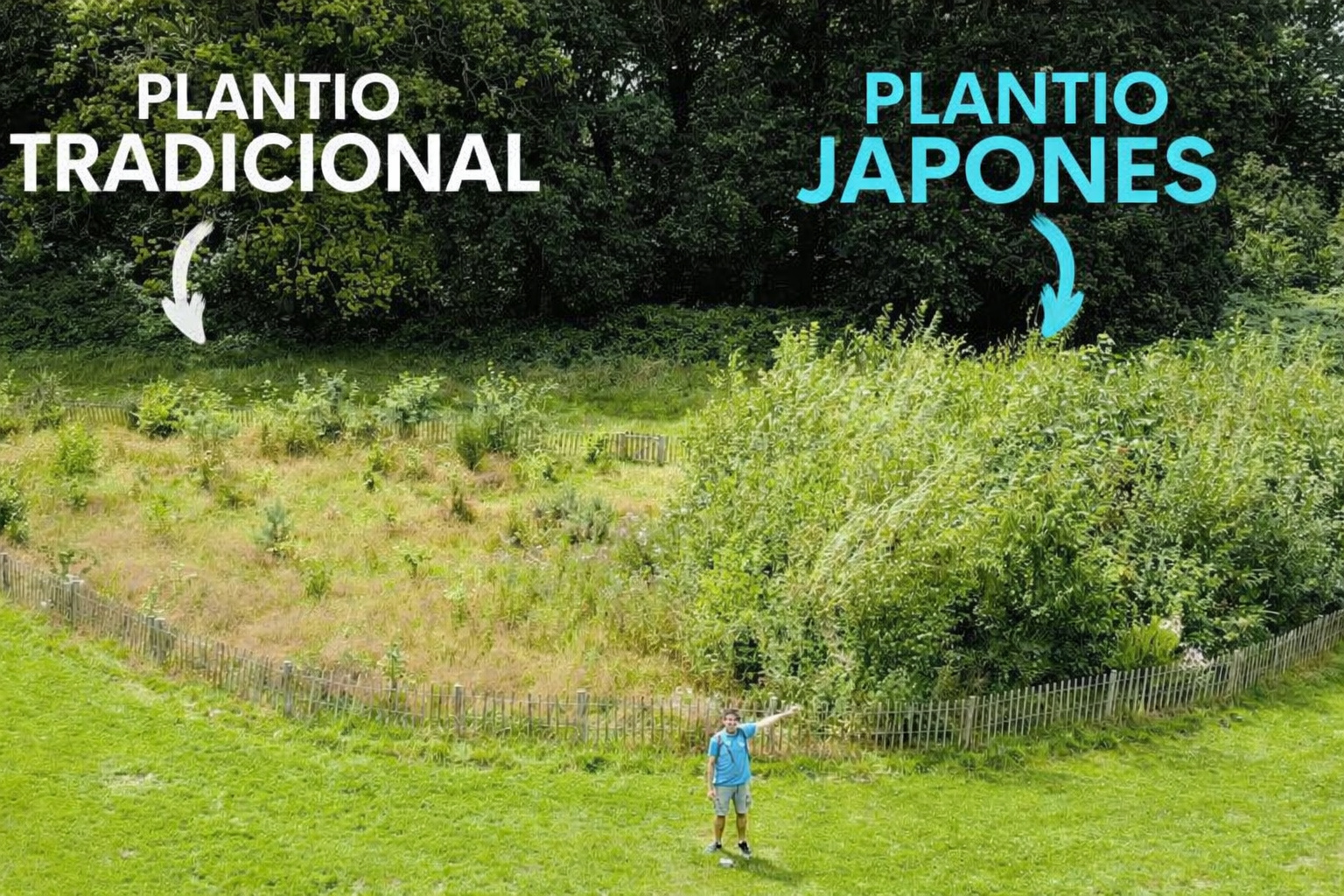
Engineer creates reforestation method that transforms small plots into dense forests in a few years using local biomass and can reduce environmental recovery costs.

Companies – R$ 88 billion;
Purchase of small and medium bank portfolios – R$ 30 billion;
Individuals – R$ 24 billion;
Hospitals, states, and municipalities – R$ 6 billion;
Agribusiness – R$ 30 billion;
The negotiations to provide the capital should focus on expanding credit for working capital, deferring debt installments, and extending debt maturities. Of the R$ 30 billion released for agribusiness, R$ 25 billion come from Banco do Brasil and R$ 5 billion from Caixa Econômica Federal.
The difference in the amount granted between the two banks will not lead to a market dispute. Caixa does not anticipate future expansion of these credit lines, and the focus of the granted amount will be on micro and small businesses.
Agribusiness has access to credit lines with different particularities compared to other sectors, such as conditions and deadlines (linked to harvests). However, there is no impediment to obtaining capital under normal conditions.
According to CNA (National Confederation of Agriculture and Livestock of Brazil), agribusiness is responsible for 21% of Brazil’s GDP and for keeping the Brazilian trade balance in surplus. Annually, it records a positive balance that offsets the deficits of all other sectors.
In 2019, R$ 97 billion was the balance of Brazilian exports from the sector, products mainly destined for China, the European Union, and the United States (heavily affected by the Coronavirus).






Seja o primeiro a reagir!