





 Portuguese
  English
  Spanish
  3 min of reading


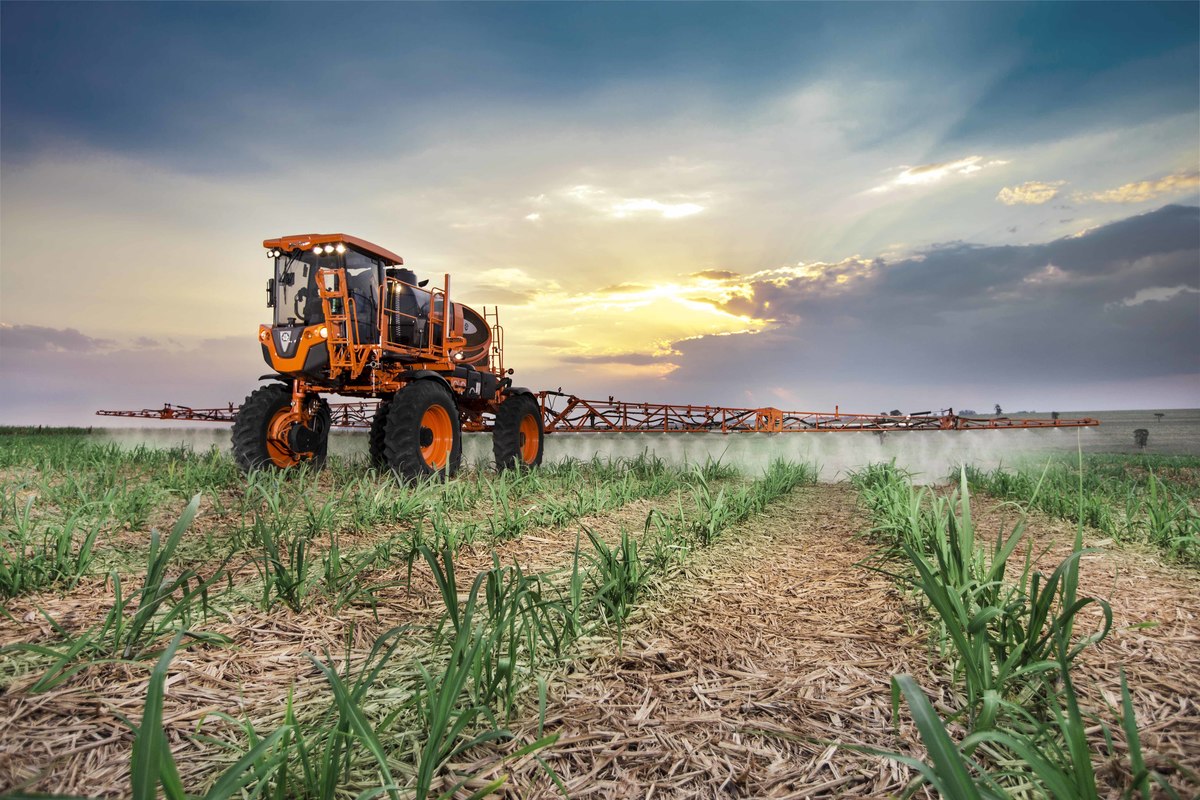
The Production of Sugarcane from Synthetic Seeds Will Make the Process Even More Optimized and Agile. The CTC Seeks to Make a True Revolution in the National Agri-business with the Project, Which Has Been Underway Since 2011.
In an effort to ensure even more optimized solutions for the national agribusiness sector, the Sugarcane Technology Center (CTC) continues its project on synthetic sugarcane seeds. The organization aims to make planting faster, more efficient, and significantly increase productivity. Unlike all processes used so far, which required a piece of the plant, the research center’s initiative produces seeds in a laboratory.
Synthetic Seed Project for Large-Scale Sugarcane Production Is the CTC’s New Bet for Brazilian Agribusiness
Even with the technological advancements of recent years, the national agribusiness sector still faces a significant challenge: optimizing sugarcane planting.
This is due to the high cost of renewing sugarcane plantations and the difficulties in adopting new varieties that remain relevant problems in this process.
-
The largest food company on the planet, JBS, has just opened a 4,000 square meter laboratory in Florianópolis to develop customized proteins that modulate muscle mass gain, immune response, and metabolic performance.

-
After nearly 30 bids and competition among industry giants, a Spanish company purchases one of the largest airports in Brazil for almost R$ 3 billion and takes over the management of Galeão in a concession that will last until 2039.

-
Rain gains strength in April, potentially exceeding 150 mm, placing the North, Northeast, and the coasts of the South and Southeast at the center of the heaviest forecast of the week.

-
The Federal Revenue Service now automatically cross-references everything you declare with data from banks, credit cards, brokerage firms, and insurance companies, and any discrepancy between your income and your expenses triggers an alert in seconds.


The current productivity of the plant is currently stagnant, as all attempted processes thus far use a piece of sugarcane for planting.
With this in mind, the CTC has been developing a synthetic seed project for large-scale production of the product since 2011.
Even after more than 10 years in development, the initiative gained momentum only in the last four years.
There was validation of the biological aspect regarding the possibility of producing synthetic seeds of the plant and eliminating the need to use the plant species itself in production.
“All the alternative planting systems that have been attempted until today always used a piece of sugarcane; you have to plant a field, take that piece and turn it into a root. So, the idea of this project is to move away from that concept and go to something completely innovative,” says research manager Suleiman Hassuani.
Even Without a Defined Timeline, Synthetic Seeds Are Expected to Be Used in Sugarcane Production Still in 2023
The major innovation of the CTC project is the possibility of large-scale production of synthetic sugarcane seeds.
Thus, after the biological validation of this planting stage, the research center has moved toward optimizing this production, as well as ensuring the quality of the seeds.
With this advancement, the CTC board intensified its investment in the product and initiated actions to allow its commercial launch.
The director of human resources and corporate communications, Fabio Hayashida, commented on the advancements in the project.
He highlighted that, although accelerated, the venture still does not have defined timelines for being launched commercially to the national sugar-energy sector.
However, even without a final timeline, it is expected that synthetic sugarcane seeds will reach planting still in 2023 at the CTC’s partner mills.
The specialist added that referring to this project as “synthetic seeds,” while practical, minimizes the scale of the initiative.
This is because the entire planting and production process for this species will be revolutionized with the use of the seeds.
“Currently, planting sugarcane is a war operation that lasts an entire year. To plant 1 hectare, you need 20 tons of cuttings,” he states.
With the synthetic seed project, the CTC seeks to make the entire sugarcane production chain even more efficient.
Meet the CTC
The CTC — Sugarcane Technology Center is the global leader in sugarcane science, constantly seeking innovation in the area of genetic improvement, whether through conventional techniques, biotechnology, or planting methods.








Seja o primeiro a reagir!