





 Portuguese
  English
  Spanish
  6 min of reading
  0 comments



Largest Recall in Automotive History Involves Over 100 Million Airbags Worldwide, At Least Eight Deaths in Brazil, and About 2.5 Million Vehicles Still Running with a Fatal Airbag That Can Explode in Minor Collisions.
A collision at about 30 km/h should not kill anyone. In 2016, however, the crash of a 2002 Honda Civic in Texas ended with the death of 17-year-old Huma Hanif, who was hit in the neck by metal shards from the airbag itself. Investigators said she should have walked away from the car, but the safety device behaved like a grenade inside the vehicle.
Huma’s case was not isolated. U.S. authorities estimate that by 2024, at least 28 deaths in the country and 35 worldwide will be directly related to the rupture of Takata airbags, which explode instead of inflating in a controlled manner. In many cases, the collision was at low speed and the metal fragments struck the heads or necks of the victims.
In Brazil, at least eight deaths have already been officially linked to the so-called Takata Fatal Airbag, including that of Eurides Ferreira Lopes, 37, in 2024, in Rio Verde (GO), after a crash that seemed simple. By December of that year, media outlets were even reporting a possible ninth case under investigation, involving a military police officer in Rio de Janeiro.
-
After 377 years of history, the Brazilian Army will have its first female general: Colonel Claudia Cacho has been promoted to brigadier general by Lula and will receive the sword and command baton this Wednesday in Brasília.

-
A Mercado Livre customer opened their package and found 32 resumes of people looking for jobs crumpled as protective paper inside the box, exposing names, addresses, documents, and phone numbers of dozens of candidates.

-
Iceberg A23a, one of the largest in the world, is undergoing accelerated collapse and may disappear: what explains the end of the ice giant?

-
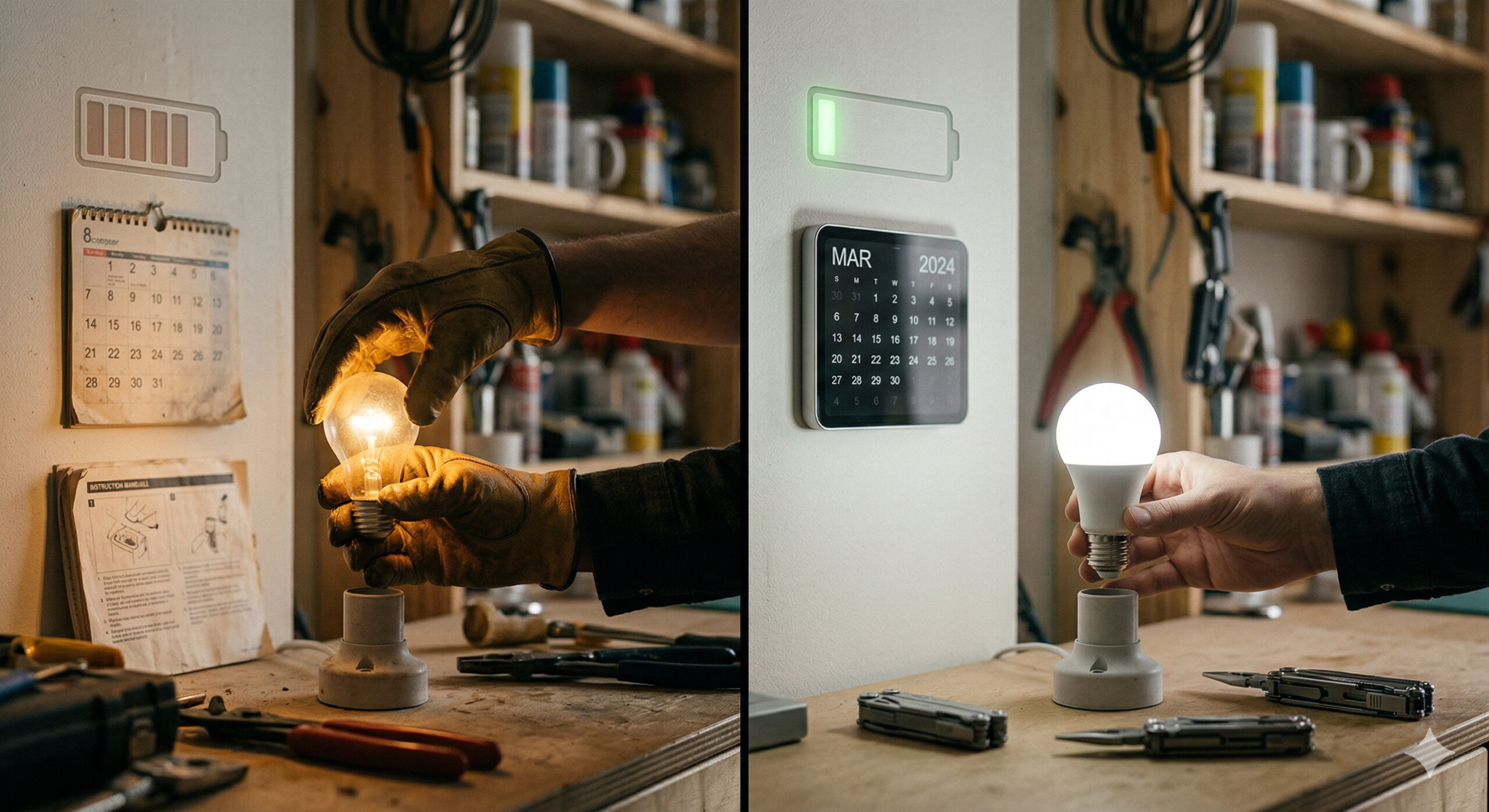
The simplest swap at home can reduce energy consumption by up to 90% without changing habits, using a technology that lasts up to 25 times longer and consumes only a fraction of the electricity.
As deaths accumulate, the problem remains far from over. Estimates from consumer protection agencies and recent reports indicate that between 2.4 and 2.6 million vehicles are still on the road in Brazil with defective airbags, even after years of free Takata Recall campaigns. This is, according to traffic authorities and international entities, the largest recall in automotive industry history.
From Safety Device to Grenade: The Hidden Defect in Takata Airbags


Behind the scandal lies a technical and commercial decision by Takata to use ammonium nitrate as a propellant inside the airbag inflator. It is the same type of compound used in industrial explosives, compressed into small tablets to inflate the bag in milliseconds. In hot and humid climates, however, this material becomes unstable over time, increasing the risk of uncontrolled explosions.
When ammonium nitrate degrades, the reaction ceases to be controlled. Rather than just filling the bag with air, the inflator can burst and launch metal pieces at speeds exceeding 300 km/h towards the driver and passenger. This scenario has undermined the promise of the airbag as a lifesaver and turned the component into a potential weapon inside the car.
Investigations have shown that Takata was aware of flaws in its inflators since the early 2000s, with lab tests in which components exploded. Nevertheless, the company continued supplying airbags to automakers worldwide, and executives were even accused of manipulating data to conceal the defects. In 2017, three executives were prosecuted for fraud in the U.S., and the company was ordered to pay $1 billion in fines and compensations, shortly before filing for bankruptcy.
Brazil Still Has Millions of Cars with Fatal Airbags on the Streets
In Brazil, the scale of the problem is significant. A report by Quatro Rodas magazine indicates that around 4.4 million vehicles were called for the recall of Takata airbags, but approximately 2.5 million have not yet had the part replaced. Data from the National Consumer Secretariat (Senacon) and TV programs like Fantástico mention something between 2.4 and 2.6 million cars with defective airbags still in circulation.
The consequences of this negligence are already reflected in the statistics. According to specialized reports, eight Brazilian deaths have been confirmed as related to Takata airbags by December 2024, with Eurides Ferreira Lopes’s case becoming a symbol of the ignored risk in Rio Verde. Just a few days later, new investigations began to determine whether an accident in Rio de Janeiro could represent the ninth victim.
Hot and humid weather, common in much of Brazilian territory, exacerbates the situation. Road safety authorities explain that vehicles exposed to intense heat for years are more likely to experience inflator ruptures, precisely due to the aging of ammonium nitrate. This makes regions such as the North, Northeast, and part of the Midwest have an even more critical risk for those still driving with a pending recall.
Even with the known risk, adherence to recalls has historically been low. Chevrolet, for example, offered R$ 500 in fuel for owners of Celta and Classic models to bring their cars in for an airbag replacement after a death case investigated by police in Sergipe. Even so, millions of drivers did not show up at dealerships, often due to ignorance, distrust, or simple negligence.
This scenario led Brazil to toughen its regulations. Since April 2021, the Traffic Code requires that safety recalls be conducted for the vehicle to be licensed, and the information about unmet recalls becomes part of the document after one year of notification. In practice, however, there is still a sort of race against time to remove millions of vehicles with defective airbags from circulation.
Europe Reacts with “Do Not Drive” Orders; What This Reveals to Brazil
While Brazil struggles to increase adherence, some countries have adopted harsher measures. In June 2025, France mandated that 2.5 million vehicles equipped with Takata airbags be subjected to a major recall, with 1.7 million of them under a “do not drive” order until the part is replaced, following the death of a female driver in Reims. The decision also led to the immobilization of hundreds of thousands of Citroën C3 and DS3 cars across Europe.
The European stance reveals the level of seriousness attributed to the problem by foreign authorities. While there, they discuss prohibiting the circulation of unrepaired cars, here it is still common to see drivers daily operating a potentially explosive airbag on the dashboard, despite the obligation to conduct a recall to license the car. The comparison helps to expose the disconnect between the real risk and the perception of some Brazilian owners.
How to Check if Your Car Is on the List and Make the Recall for Free
The safest way to find out if your car is involved in the Takata Recall is to check the chassis number or Renavam. The driver can access the Senatran portal, the automaker’s website, or services that compile recall campaigns from various brands, such as tools maintained by the automotive press. In all cases, it’s essential to check not only for the airbag but for any pending safety recalls.
The chassis number is usually engraved at the base of the windshield, in the engine compartment, or on the vehicle documentation. With that code in hand, the inquiry takes a few minutes and shows whether there is an open campaign, the type of component involved, and the procedure for scheduling the repair. The replacement of the airbags is entirely free and generally takes only a few hours, requiring that the vehicle be taken to an authorized dealership.
Experts recommend giving maximum priority to cars manufactured between the early 2000s and 2012, when most defective inflators were installed. For vehicles that have been running for many years in hot and humid regions, the combination of material aging and intense use makes the risk even higher. Therefore, the guidance is simple: if there is any airbag recall, the replacement should be done as soon as possible.
Lessons from the Takata Case: Safety or Profit First?
The Takata airbag scandal exposed failures throughout the automotive supply chain. Documents and investigations indicate that the manufacturer knew the risks of using ammonium nitrate, that tests were manipulated, and that automakers like Honda were aware of issues years before the first large recall campaigns but delayed action. The drive for cost reduction, competition for contracts, and slow oversight created a perfect environment for a global safety crisis.
For vehicle safety experts, the case sends a clear message. It is essential to strengthen transparency in testing, tighten fines and sanctions, ensure that recalls are widely publicized, and, in high-risk situations, even consider issuing “do not drive” orders. At the same time, consumers need to take a more active stance, pressuring automakers, checking for pending recalls, and not downplaying a defect that can turn a simple protective device into a cause of death.
In the end, there’s an uncomfortable question. Do you think automakers and suppliers should be criminally liable for deaths linked to defective airbags, or does part of the responsibility also fall on those who ignore the recall and continue driving with their car at risk? Share in the comments if you have ever done an airbag recall, if you had difficulty scheduling the service, or if you still have doubts about your vehicle’s safety.







-

-

3 pessoas reagiram a isso.