





 Portuguese
  English
  Spanish
  5 min of reading
  0 comments


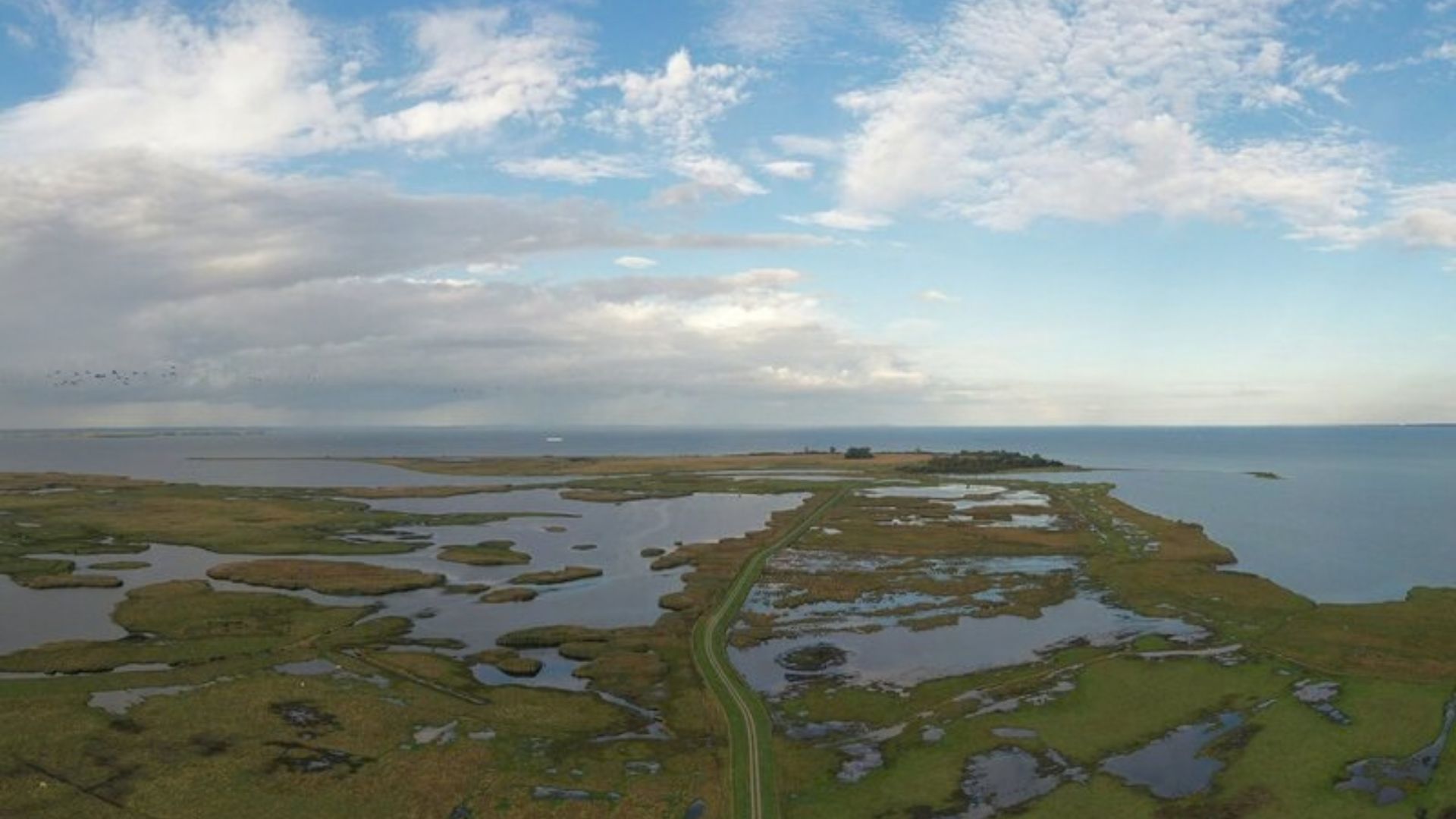
Intervention on the Baltic Coast Reopened Drained Areas to the Advance of Saltwater and Restored a Natural System that Reduces Erosion, Retains Carbon in the Soil, and Enhances Coastal Protection with the Gradual Return of Marshes and Habitats Used by Aquatic Birds.
The removal of 4.5 kilometers of dikes in two stretches of the German Baltic coast allowed the sea to reclaim about 200 hectares that were previously drained for agricultural use, reactivating salt marshes that help to mitigate waves, contain erosion, and reinforce coastal protection.
The areas were reopened in November 2019 and March 2020, and the restoration began soon after the entry of saltwater.
The intervention took place in two polders of approximately 100 hectares each, a term used to designate lands artificially isolated from the sea by dikes and drainage systems.
-
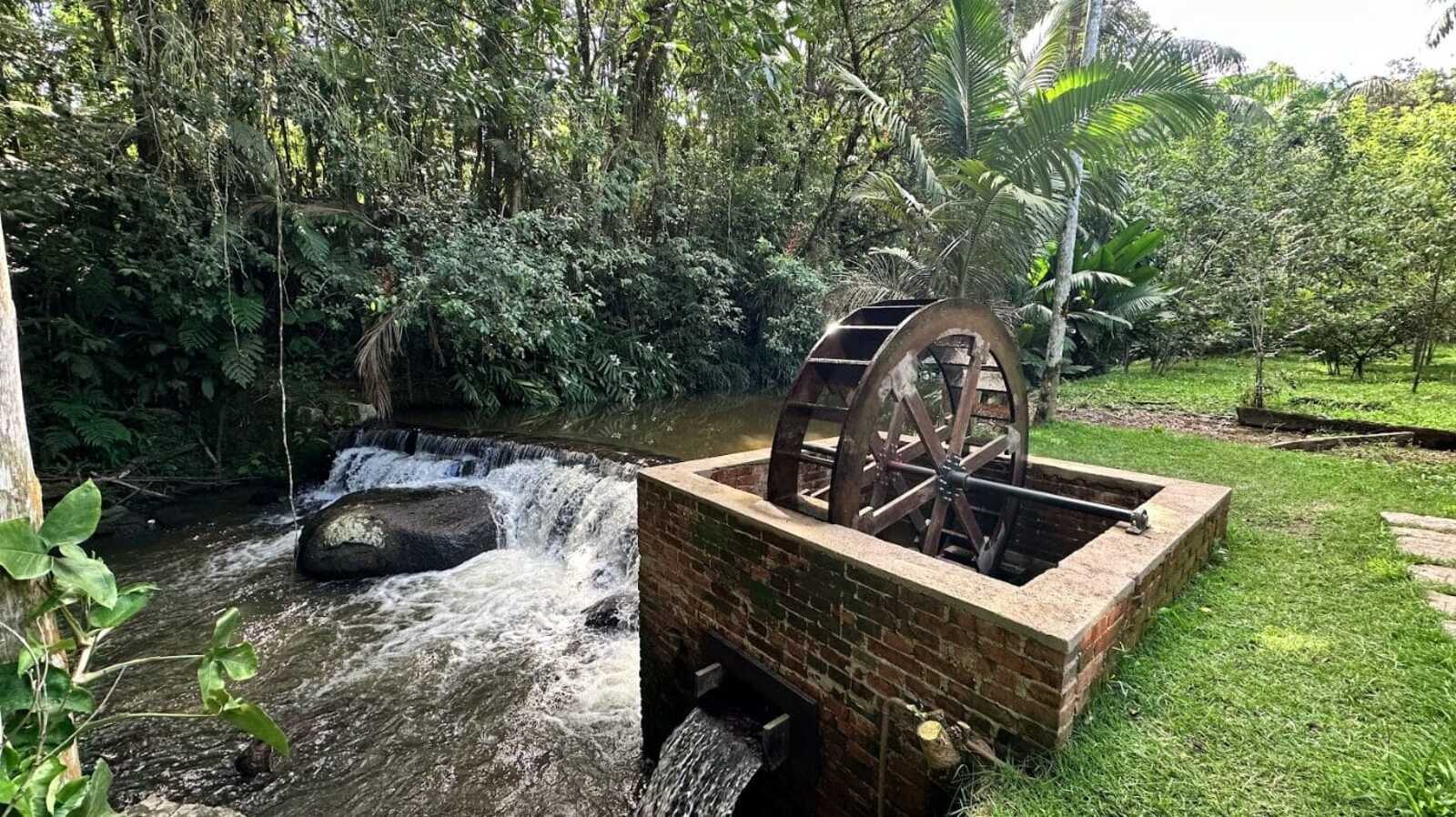
While restoring a historic mansion from 1910, a brick structure with an old turbine that generated energy from the Rio do Testo emerged, along with a hidden door and a rare floor concealed under layers of wax.
-
Italian researchers have detected what appears to be a second Sphinx buried under the sands of Egypt, and satellite scans reveal a gigantic underground megastructure hidden beneath the Giza Plateau for over 3,000 years.

-
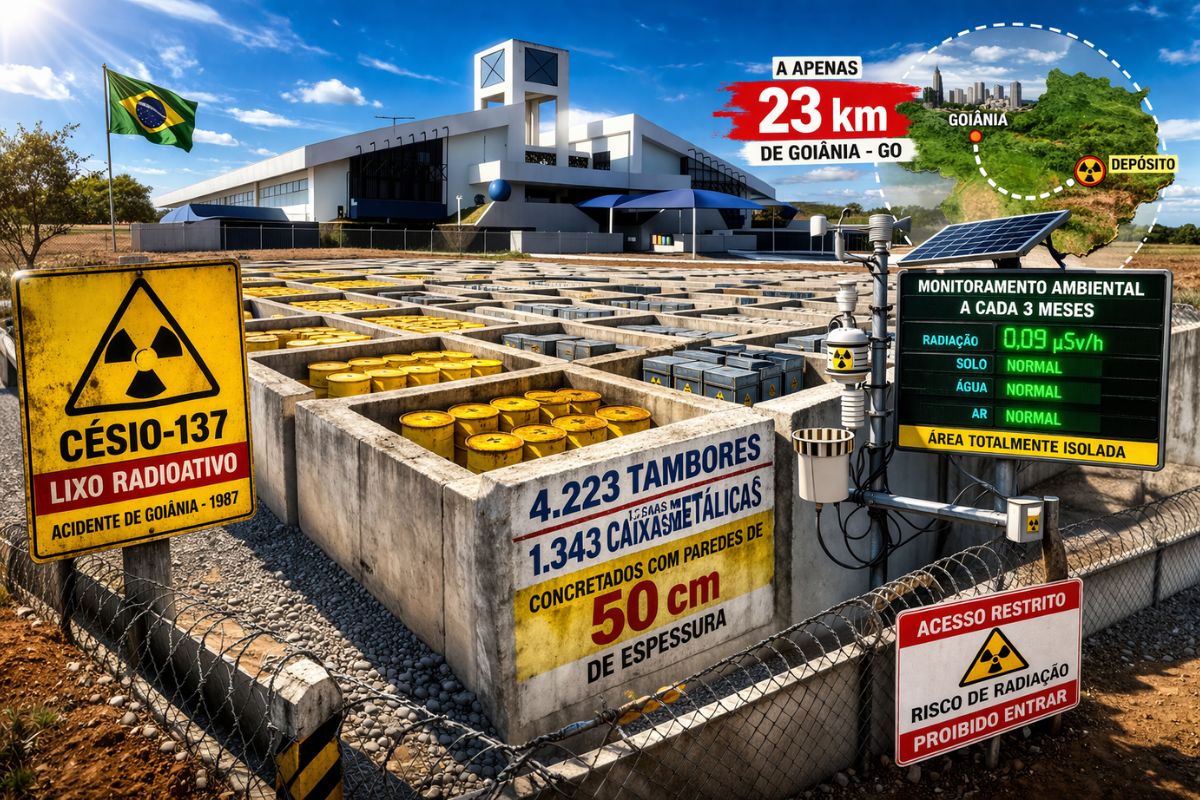
There are 4,223 drums and 1,343 metal boxes concreted with 50-centimeter walls that store the radioactive waste from Cesium-137 in the worst radiological accident in Brazil, just 23 kilometers from Goiânia, with environmental monitoring every three months.
-
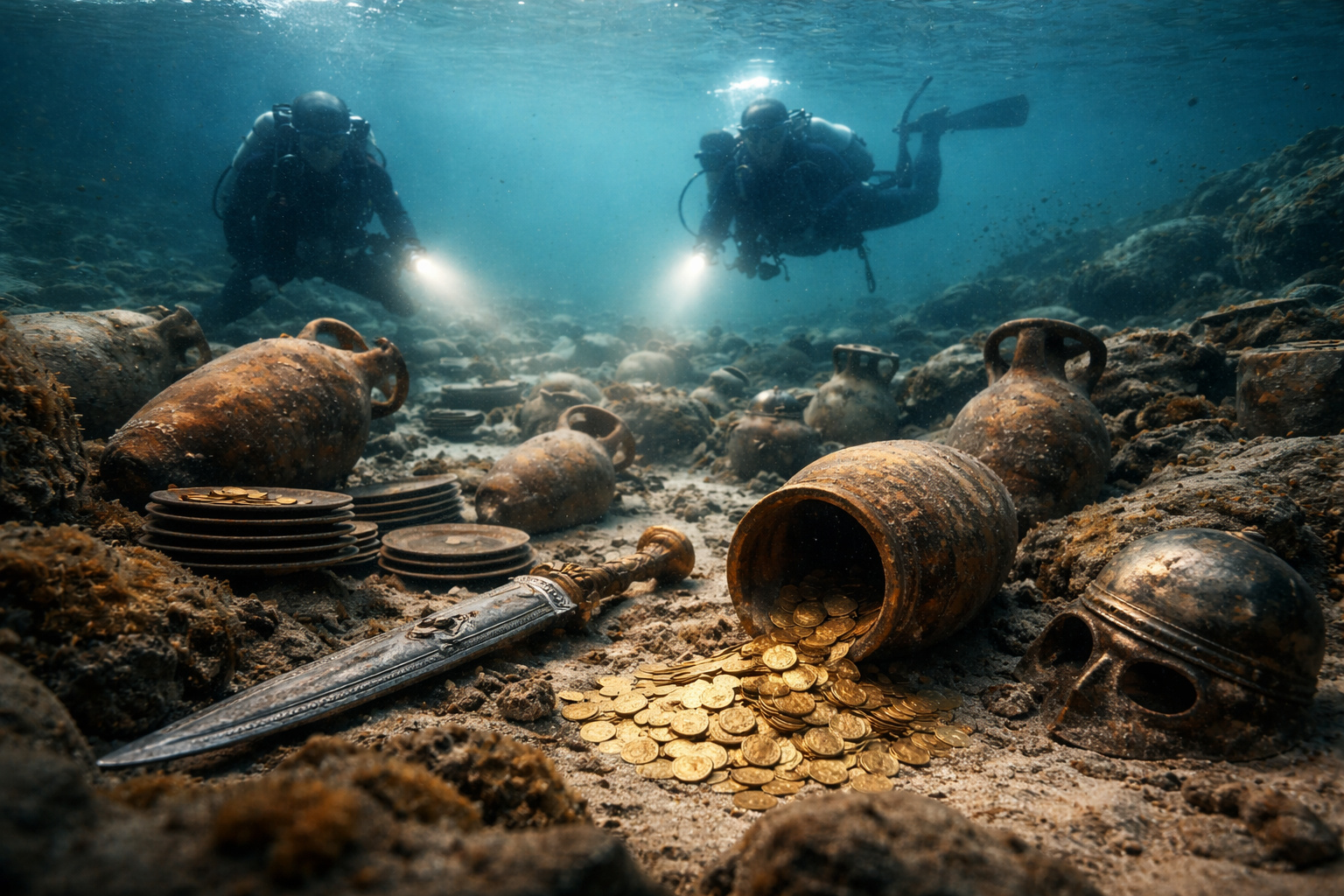
Giant Roman treasure found at the bottom of Lake Neuchâtel in Switzerland reveals an advanced trade system, circulation of goods, and armed escort in the Roman Empire about two thousand years ago.

When this blockage is maintained for decades, natural flooding ceases to occur, the typical vegetation loses space, and the peat soils begin to degrade more rapidly.
Project on the German Coast Reopened Polders to the Sea
In the coastal area of the project, WWF Germany reported that there are 67 polders, totaling about 15,000 hectares, which indicates the accumulated liability over decades of water containment.
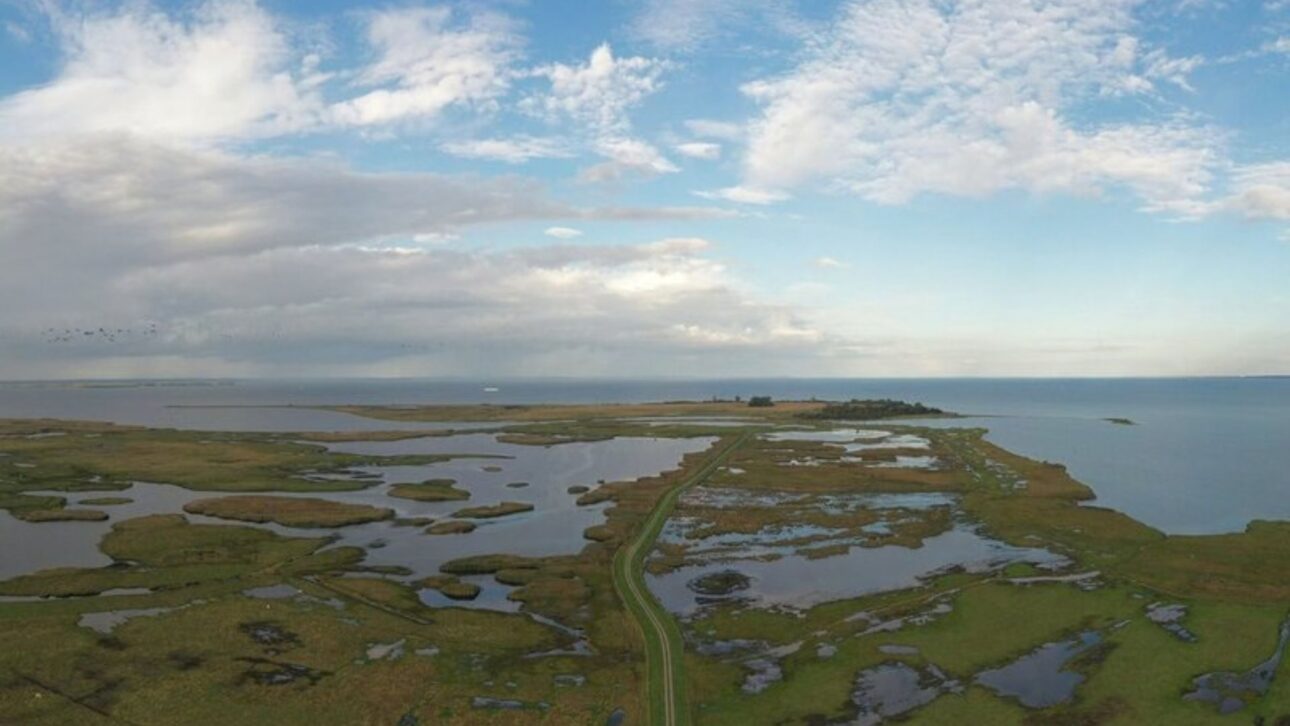
For the initial restoration, two areas deemed environmentally, land-use, and coastal defense viable were selected.
The work was structured to restore marine dynamics without abandoning the protection of areas that continued to be in human use.
Instead of simply opening the gates, the project removed the old dikes, repositioned the defense to more inland areas, and reorganized the containment line, allowing saltwater to circulate again where there were previously drained pastures.
Salt Marshes Returned to Grow in the Baltic
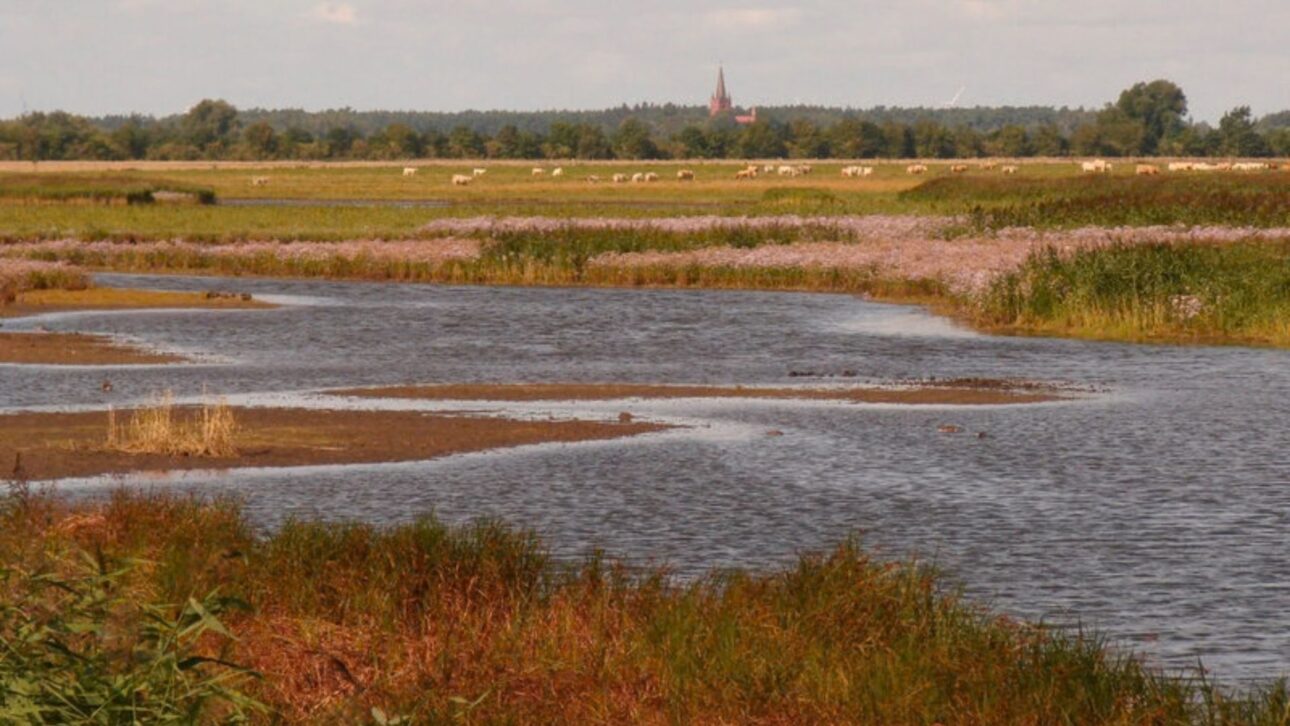
According to documentation from WWF Baltic, as soon as they were flooded, the old polders began to revert to the state of salt marshes, keeping pace with the level of the Baltic Sea.
This recovery involves more than just the presence of water.
It reinstates sediment deposition, periodic flooding, and the advance of salt-tolerant plants.
This point is central because the marsh functions as a living interface between the sea and dry land.
With denser vegetation and an irregular surface, the environment increases the roughness of the terrain, dissipates some of the water’s energy, and reduces the direct impact of waves on the main coastal defense line.
Peat Soil Returned to Retain Carbon
In addition to its physical function on the coast, the restoration also aims to address a climate problem.
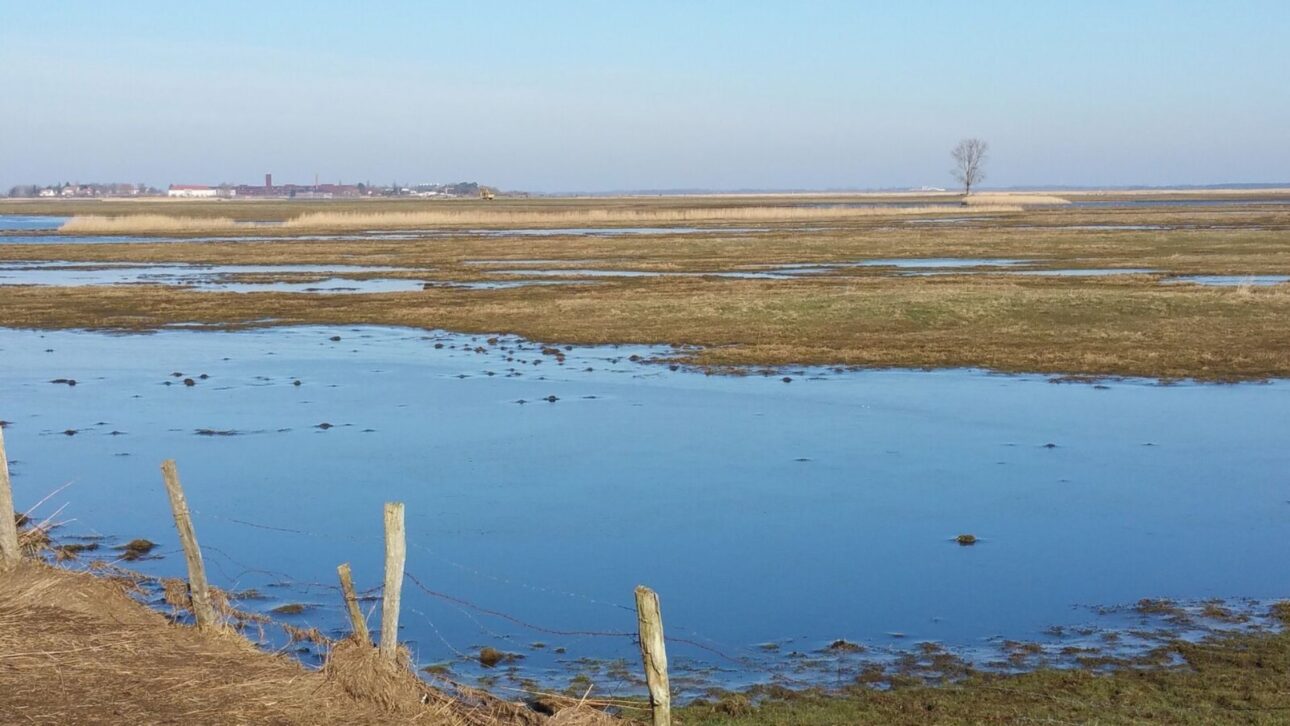
In a technical presentation in 2022, WWF Germany estimated that the 200 re-flooded hectares could prevent emissions and result in the storage of about 5,000 tons of carbon dioxide per year in the soil, precisely because rewetting slows down peat oxidation.
The same documentation indicates that, in the two drained polders, the peat layer shrank about 1 centimeter per year.
When this type of soil remains dry, it decomposes and releases carbon; when it becomes flooded again, degradation slows down, and the area recovers part of its original ecological function.
The observed results were not limited to the soil.
WWF Baltic recorded that the restored area became a hotspot for aquatic and migratory birds, including different species of ducks, by restoring more suitable conditions for feeding, shelter, and breeding in a coastal landscape previously simplified by intensive land use.
Agreements with Owners Made Restoration Possible
Before the works, the project needed to resolve a less visible but crucial step.
In one case, the area had already been acquired by the Baltic Sea Foundation for the purpose of environmental reconversion; in the other, the land remained divided between private owners and the Karsten Nendel Foundation, which required specific agreements to facilitate the intervention.
According to WWF Baltic, the owners of the second polder received compensations calculated based on the loss of market value of the land and the expected reduction in harvests over 25 years.
In return, they formally committed to not rebuilding the removed dikes nor reactivating the old hydraulic system.
Institutional engineering was as important as environmental considerations because it prevented restoration from being restricted to an isolated experiment.
According to WWF, farmers linked to the area continued to be eligible for European subsidies, which helped reduce local resistance and demonstrated that coastal adaptation and economic arrangements can go hand in hand.
Natural Coastal Defense Gains Ground in Germany
The German case gained relevance for combining coastal defense, biodiversity, and climate in a single intervention.
A study published in 2023 in the journal Communications Earth & Environment indicated that managed realignment, a strategy based on the controlled retreat of dikes and the recovery of wetlands, can reduce population exposure to flooding more than merely raising existing barriers in segments of the German Baltic coast.
This logic is also evident in the Wadden Sea Quality Status Report 2024, which states that rarely flooded polders receive little sediment and thus have a low capacity for vertical gain.
The report asserts that this dynamic can be restored by dismantling dikes or through coastal realignment, a mechanism that returns space for nature to operate again.
In other words, restoration does not take effect merely by “letting in water.”
What is being restored is a system where sediments, halophytic vegetation, and periodic flooding help stabilize the land and absorb part of the marine energy, something that rigid structures, alone, cannot fully replicate.
Recovery of Marshes Reinforces Coastal Protection
The experience also draws attention because it was implemented on a relatively modest scale, yet with measurable impact.
Instead of solely betting on continuous hardening of the coast, the project repositioned protective infrastructure, reopened two polders, and allowed the return of a landscape that historically already played roles in ecological filtering, carbon retention, and wave attenuation.
On the Baltic coast, where pressure on coastal habitats has accumulated due to drainage, agriculture, and artificial water containment, the German result reinforces a shift in approach.
Coastal defense no longer relies solely on dikes and begins to incorporate natural processes that had been interrupted, with simultaneous benefits for the soil, fauna, and resilience of the coastline.







-

-

-

-

-

24 pessoas reagiram a isso.