





 Portuguese
  English
  Spanish
  3 min of reading
  0 comments



Bill Goes for Governor Sanction and Puts the State at the Forefront of Planning for Renewable Energy Exploration at Sea.
In a strategic move for the economic and environmental future of Rio de Janeiro, the State Legislative Assembly (Alerj) approved, in a second discussion, the Bill 4.255/24. The measure establishes the State Policy for Supporting Offshore Energy Transition and Marine Spatial Planning, aiming to prepare the state to lead in the new frontier of energy generation in the country.
The text, which is now awaiting the sanction or veto from Governor Cláudio Castro, has as its central objective to organize the participation of Rio de Janeiro in the transition process to clean energy sources, respecting the federal competencies over offshore exploration and the use of territorial sea.
Preparation for the Future
The original author of the proposal, Deputy Tia Ju (REP), highlighted the importance of the measure, especially in the context of international climate commitments. According to her, the initiative directly addresses the goals discussed at COP30, an event she participated in.
-
With Announcement for ROV Course in Partnership with Zen, Rio das Ostras Aims to Transform Technical Qualification into Real Jobs in the Competitive Offshore Market

-
Free Offshore Steward Course in São Gonçalo Emerges as a Strategic Opportunity for Those Seeking Qualified Work at Sea

-
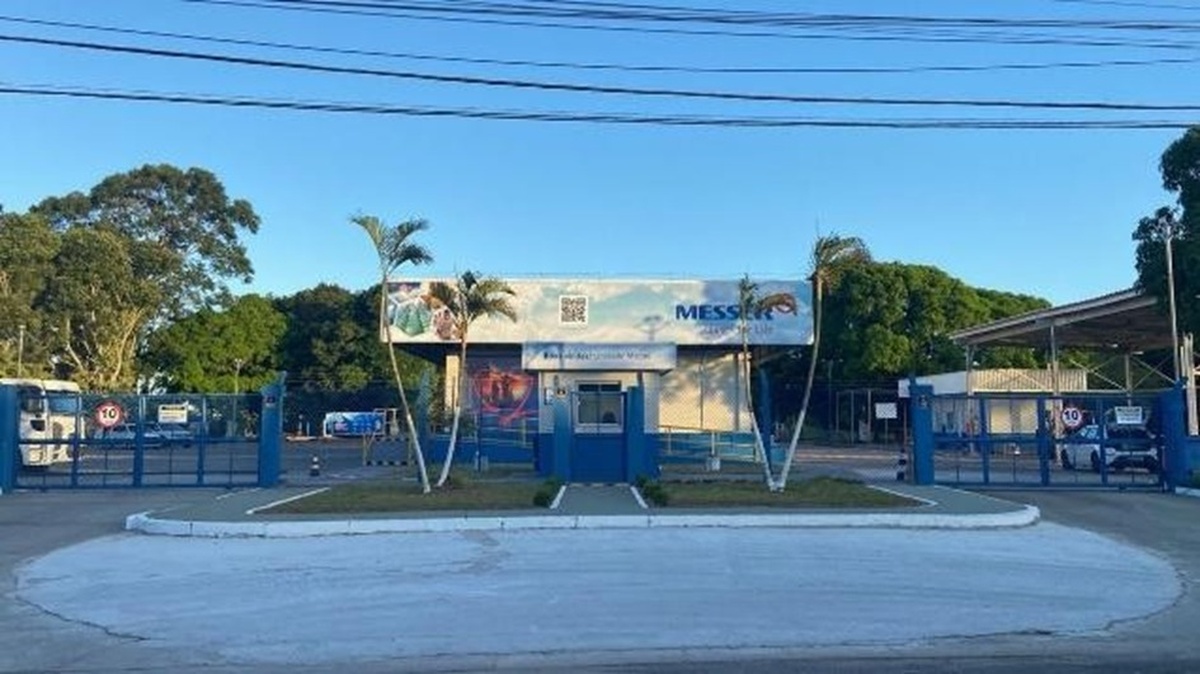
Messer Gases Reopens Branch in Macaé to Serve Offshore Oil and Gas Market in Northern Fluminense with Supply of Oxygen, Argon, and CO₂
-
Offshore Profession Simplified: Comprehensive Guide Reveals How to Trade Common Routine for High Salaries and Long Breaks in Life Aboard in the Oil Sector


“Rio de Janeiro faces a series of challenges in this area, and this bill comes to prepare our state by instituting this policy and providing a significant incentive for offshore energy”, the parliamentarian stated to Alerj.
The policy will be aligned with the Strategic Economic and Social Development Plan of the State (Pedes 2024/2031). Among its main functions are technical support for national planning, contribution with socio-environmental data and studies, and encouragement for the training of specialized local labor and productive chains aimed at the sector.
Rio as an Offshore Hub
The lack of specific federal legislation for offshore wind energy in Brazil has been a barrier to the sector’s development. Tia Ju emphasized that Rio de Janeiro has a unique competitive advantage to unlock this potential.
“Rio has all the necessary infrastructure for the full development of the sector, as it has airports, ports, shipyards, oil and gas companies with expertise in offshore exploration, sophisticated research centers, and universities,” the deputy pointed out.
Social Participation and Partnerships
The new policy stipulates that the state acts in the management of the coastal zone in coordination with national plans, such as the National Energy Plan. Additionally, the state government may enter into agreements with the federal government, municipalities, and private institutions for technical cooperation and environmental oversight.
A key point is the guarantee of public participation. The implementation of the policy must observe principles of transparency, with public hearings and consultations, especially in coastal areas that will be directly impacted by future projects.
The proposal has the co-authorship of Deputies Carlos Minc (PSB), Samuel Malafaia (PL), Fred Pacheco (PMN), Renan Jordy (PL), Dionisio Lins (PP), Luiz Paulo (PSD), and Célia Jordão (PL).









Seja o primeiro a reagir!