





 Portuguese
  English
  Spanish
  3 min of reading
  0 comments


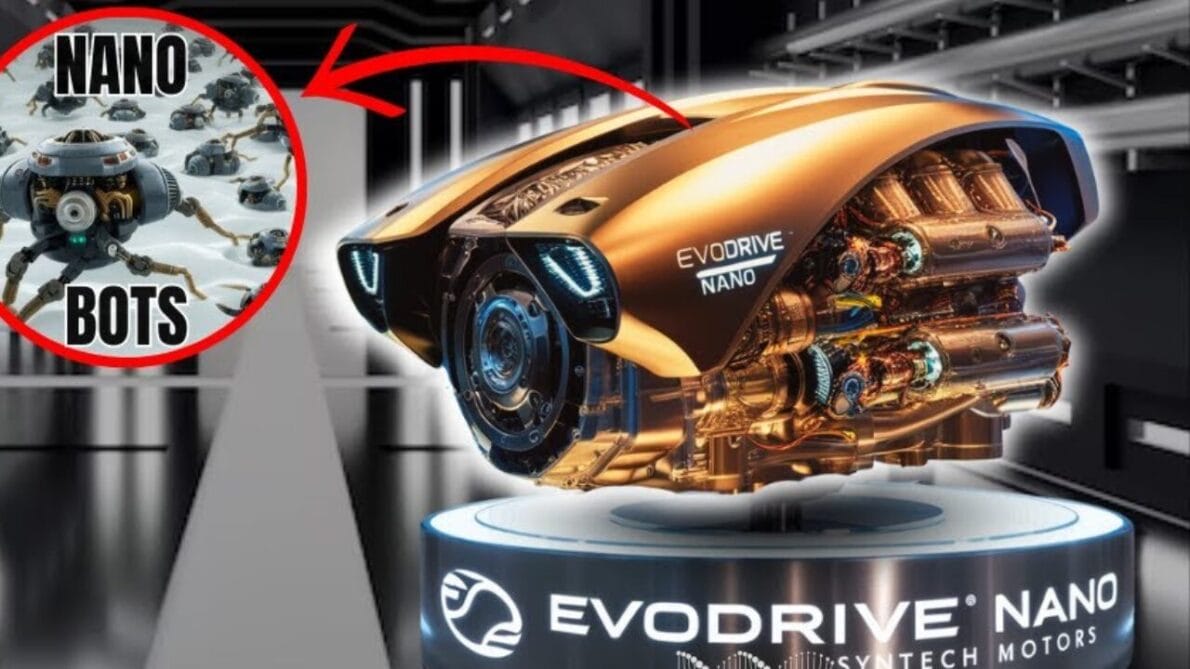
New Revolutionary Engine From China Promises to Transform the Automotive Industry With Unprecedented Adaptability
A business that seems like something out of a science fiction movie, but is as real as the chaotic traffic on Monday mornings. China has unveiled a new engine that uses DNA and nanobots to adapt to different fuels and environments. This advancement could be a milestone in the quest for truly sustainable mobility. Come with me to better understand this story.
The company behind this innovation is Syntec Motors, a technology engineering firm located in Hangzhou, China. Although it may not be as famous as the industry giants, Syntec Motors is gaining recognition for its advancements in biotechnology applied to transportation. Founded in 2015, this company has been specializing in synthetic biology research and intelligent propulsion systems, placing itself at the forefront of automotive innovation.
EvoDrive Nano: The New Adaptable Engine


The new engine called EvoDrive Nano is equipped with a sophisticated system of advanced sensors and nanobots that work together to allow the engine to dynamically adapt to its environment. These systems not only improve the engine’s efficiency but also revolutionize the way it interacts with different fuels and environmental conditions.
-
An aquatic seed consumed for centuries in Asia is going viral in the West after studies highlighted its antioxidant compounds and potential anti-inflammatory properties. It pops like popcorn, has low fat content, and is already being called the new functional snack.

-
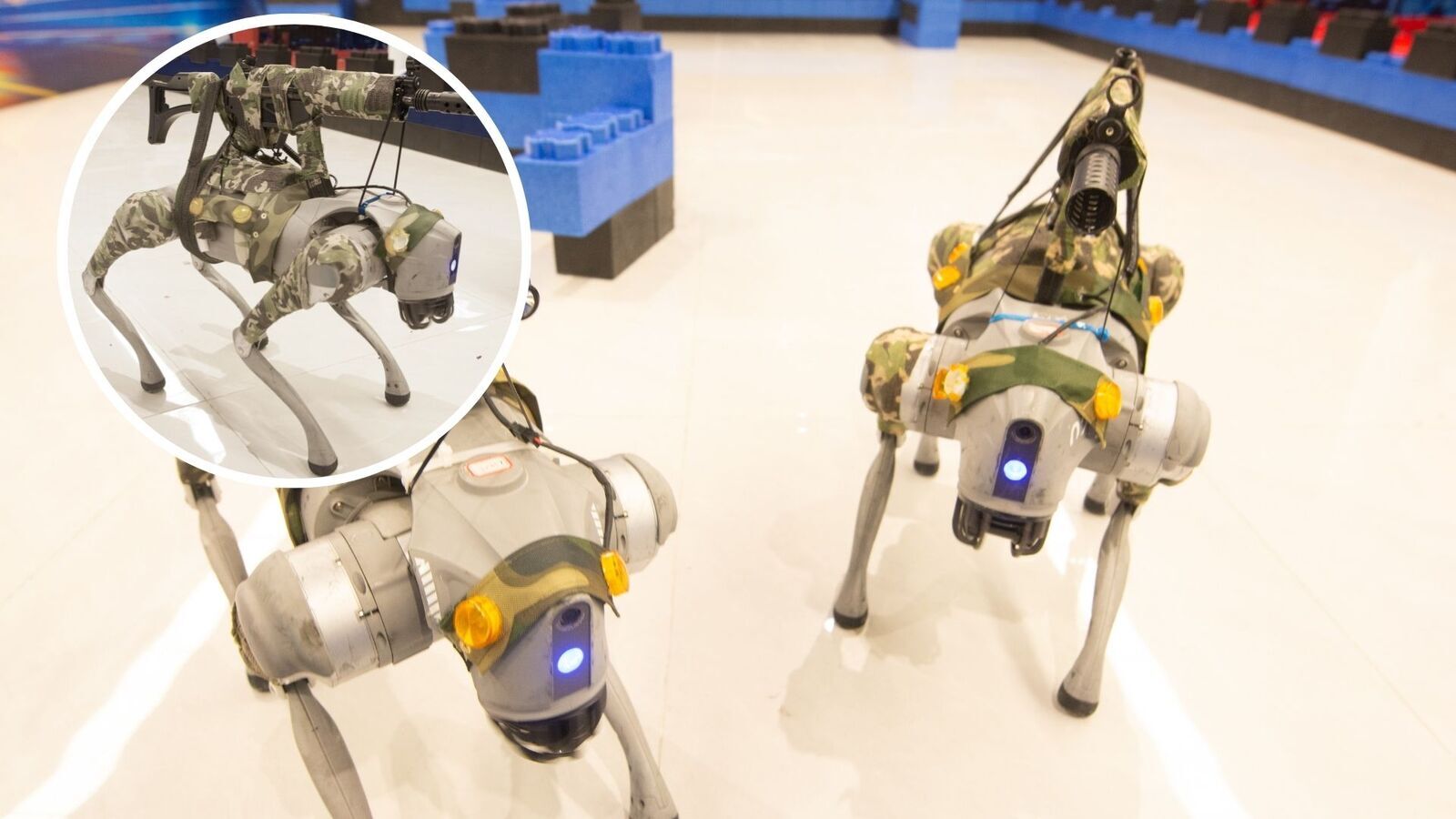
China showcases robot dogs that act in groups like a coordinated pack, make decisions together, and could change the way modern wars operate.
-
The coldest seawater ever recorded in Earth’s history was hidden under extreme ice 717 million years ago and reached an impressive -15°C.

-
China has launched the world’s first floating artificial island, a scientific structure designed to face open seas, test equipment weighing hundreds of tons, and reach depths of 10,000 meters.


The sensors on the EvoDrive Nano are strategically distributed throughout its structure, collecting real-time information about the environment, including temperature and humidity. With advanced spectrometry technology, these sensors analyze the gases present in the air, identifying the concentrations of oxygen, nitrogen, and other elements. This allows the engine to adjust its air-fuel mixture to optimize combustion and reduce emissions.
Nanobots: The Small Great Heroes
The nanobots are a critical component of the new engine EvoDrive Nano, allowing for unprecedented adaptability and efficiency. These tiny robots, operating on a nanoscale (approximately 1 to 100 nanometers), perform several critical functions to optimize the engine’s performance.
The nanobots transport and assemble fragments of synthetic DNA, which contain precise instructions for reconfiguring the engine’s enzymes, adapting them to specific combustion needs. With a diameter of 50 nanometers, these robots can move quickly in a liquid environment within the engine, performing multiple transport and assembly cycles per second. This means that a single nanobot can assemble and adjust several DNA sets in a minute, enabling rapid adaptation.
Feasibility of Mass Production of This Technology From China
Let’s be honest, this whole story sounds incredible, but there are some question marks. First, we have to consider the feasibility of mass production of this technology. It’s not easy or cheap to develop and integrate nanobots into conventional engines. Also, there are safety issues to be resolved – such as ensuring that these nanobots do not pose environmental or health risks?
Another point to consider is the technological dependency. Will China be able to maintain this exclusive technology? Or will other nations and companies be able to replicate and even improve upon this innovation? And what about the issue of patents and intellectual property rights?
Despite the doubts and challenges, it cannot be denied that China is once again ahead when it comes to technological innovation. The new engine from Syntec Motors promises to transform the industry automotive, offering a solution that adapts to any fuel and environmental condition. If all goes well, this technology could be a significant step towards a future of sustainable and efficient mobility. Let’s closely monitor and see how this story unfolds!







Seja o primeiro a reagir!