





 Portuguese
  English
  Spanish
 3 min of reading
  0 comments


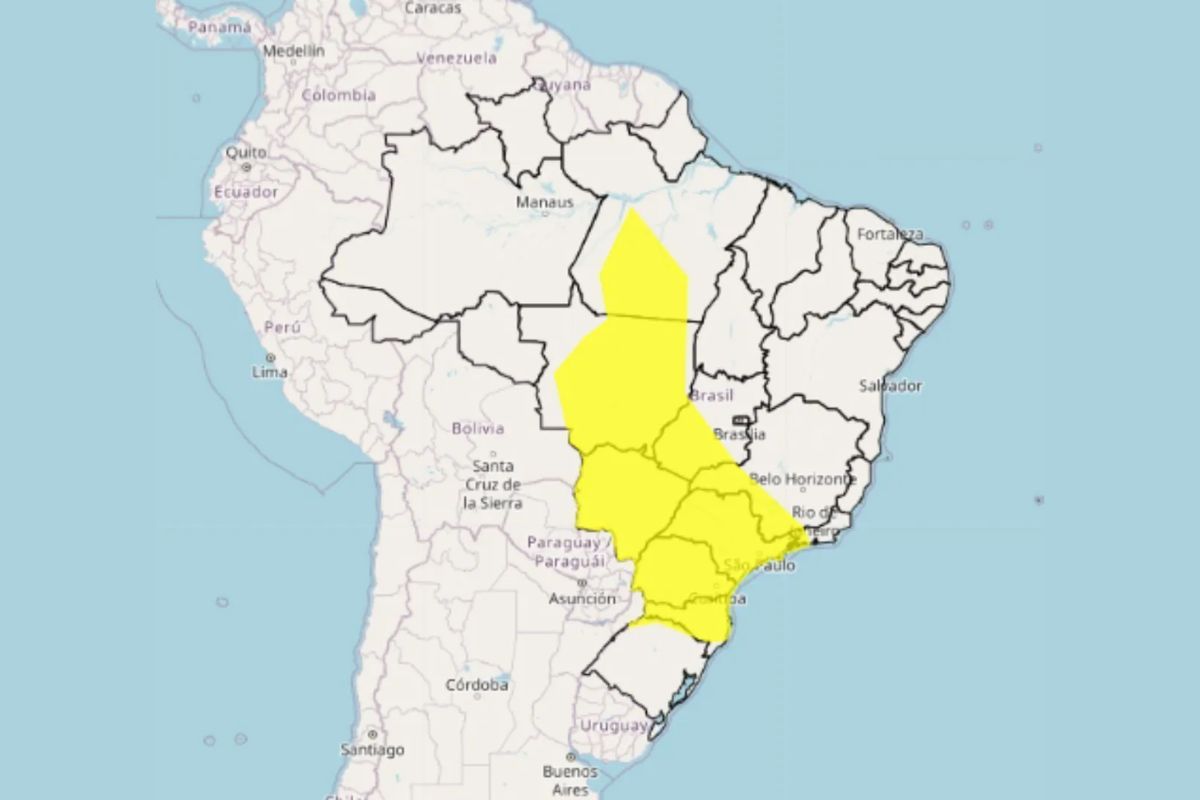
While Part Of Minas Gerais Faces Flooding And Winds Of Up To 60 Km/H, 75 Other Cities Are Under Low Humidity And Fire Risk In The Yellow Alert Issued By Inmet
The yellow alert issued on Tuesday (28) by the National Institute of Meteorology (Inmet) shows a contrasting scenario in Minas Gerais. While 32 cities are at risk of heavy rainfall, with precipitation of up to 50 millimeters per day and winds that can reach 60 km/h, 75 others are experiencing dry weather, with relative humidity between 20% and 30%.
The situation is concerning because both extremes require attention from the population and the authorities. On one hand, there is a risk of flooding, lightning strikes, and falling branches. On the other hand, the dry air increases the chances of wildfires and respiratory problems, especially among the elderly and children.
Cities Under Alert For Rain And Wind
The heaviest rains are concentrated in the South and Central-West regions of Minas Gerais, affecting cities that have already been registering increased cloud cover in recent days.
-
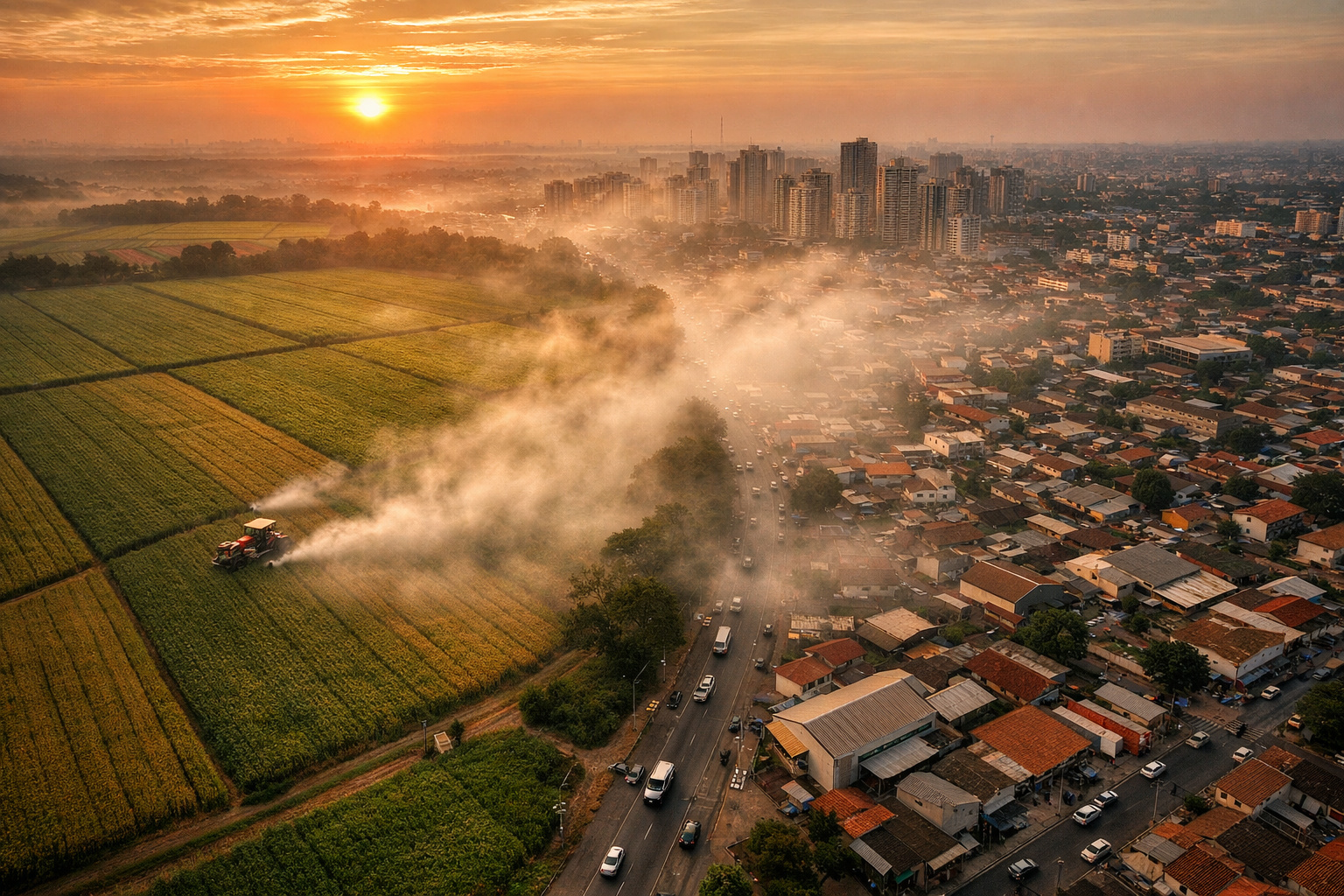
Scientists from USP issue a warning about the air in the countryside after a study indicates that breathing outside of São Paulo may conceal silent risks, with evidence that worries experts about health impacts.
-
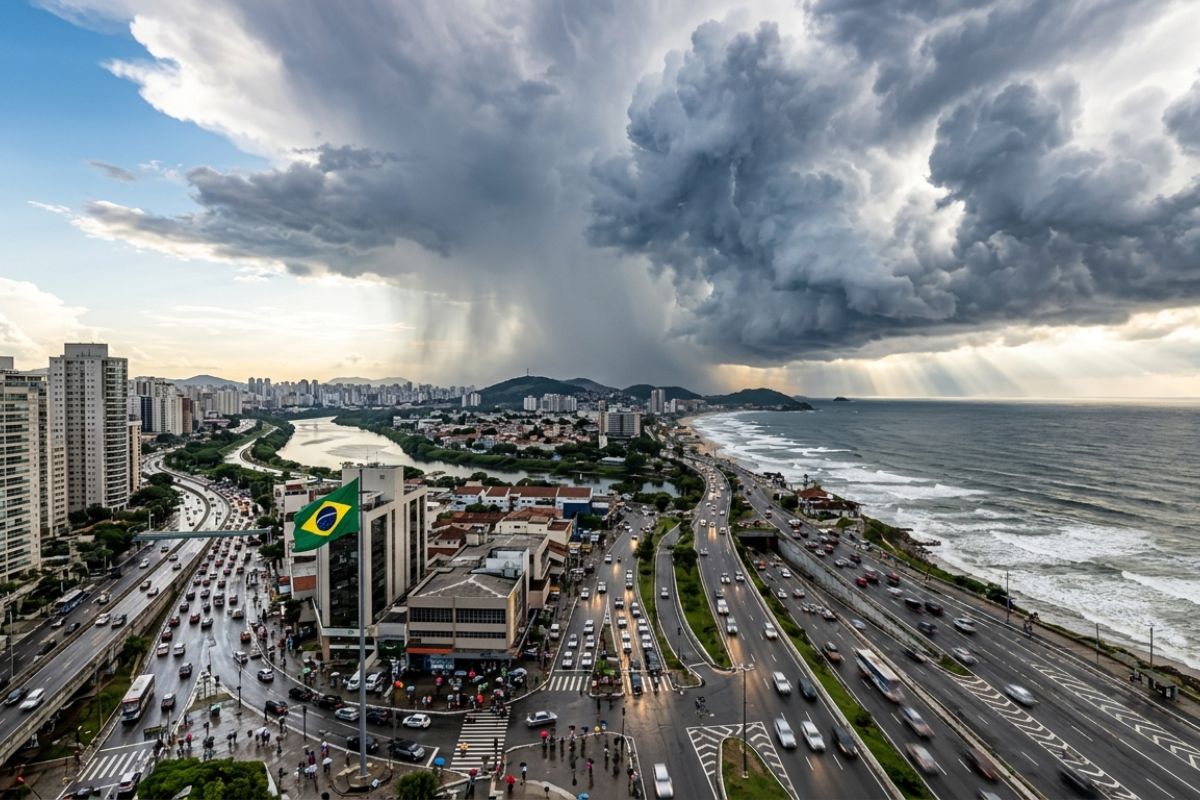
The change in weather arrives tomorrow: heavy rains and storms return to the Central-South after a hot week, with a cold front along the coast bringing instability between Santa Catarina, Paraná, and the Southeast, affecting capitals strongly until Thursday.
-
The rapporteur of the critical minerals project said today that Brazil will not create a state-owned mining company, but Lula has already discussed the creation of Terrabras with ministers last Friday, and the United States has already invested 565 million dollars in a Brazilian mining company without waiting for a response from the government.

-
Roads made with recycled plastic, crushed tires, and construction waste are already being applied in several countries, reducing tons of waste in landfills and increasing the durability of the pavement by replacing traditional materials.


According to Inmet, the forecast indicates precipitation of 20 to 30 millimeters per hour, potentially reaching 50 millimeters daily, accompanied by strong winds and thunderstorms.
These conditions raise the risk of power outages and falling trees, as well as flooding in urban areas.
The Civil Defense recommends that the public avoid sheltering under trees, refrain from parking vehicles near towers or metal signs, and disconnect electronic devices during storms.
Municipalities Under Alert For Dry Weather
In contrast, the northern and northwestern parts of Minas are experiencing the opposite situation, with humidity levels well below ideal.
The World Health Organization (WHO) recommends that humidity levels stay between 40% and 70%, but in parts of the state, the percentage has dropped to 20%, characterizing critical levels for health and the environment.
In these areas, the Civil Defense emphasizes the importance of staying hydrated, avoiding physical activities during the hottest hours of the day, and keeping environments humidified.
The dry weather increases the risk of wildfires, and any ignition source can spread rapidly due to the parched vegetation.
Regional Differences And Climatic Influence
The division of alerts reflects the transition of air masses over the Minas territory.
While the advance of a cold front brings instability to the southern part of the state, warm and dry air persists in the higher and interior regions, reinforcing the thermal amplitude and climatic contrasts typical of this time of year.
Meteorologists explain that this combination is common between the end of spring and the beginning of summer, when the country begins to receive more solar radiation and rainfall becomes more frequent in the Southeast, although in an irregular manner.
Recommendations From The Authorities
Inmet and the Civil Defense advise the public to follow daily updates of the alerts, which can change rapidly as the instability fronts move.
In case of emergencies, the reference contacts are 199 (Civil Defense) and 193 (Fire Department).
The agencies also reinforce preventive measures: do not shelter under trees, avoid using electrical equipment during storms, and stay alert to signs of smoke in vegetated areas.
Small actions can significantly reduce risks to life and the environment.
In your city, is the weather leaning more towards rain or dry heat? Does the yellow alert reflect what you have been seeing there? Leave your comment and tell how the weather is in your region.





-

Uma pessoa reagiu a isso.