





 Português
  Inglês
  Espanhol
  2 min de leitura
  0 comentários


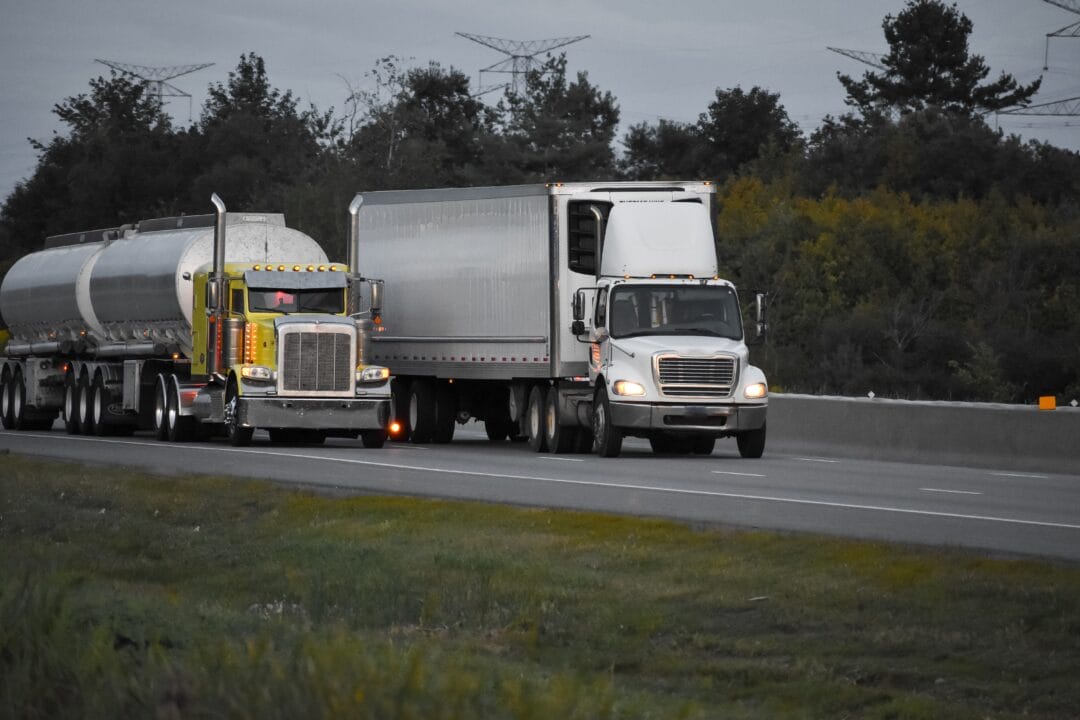
Environmental Impact of Transport Requires Urgent Action
The global climate crisis is forcing the transport and logistics sector to rethink its operational practices. With the release of a new study by the World Meteorological Organization (WMO) indicating a 0.5% rise in CO2 in 2022, the need for sustainable and responsible measures becomes more pressing. In Brazil, where cargo transport accounts for 5.1% of GDP, environmental issues are now an unavoidable priority.
The Relevance of Ground Transportation and Environmental Challenges
The ground transport sector, responsible for 60% of product movement in Brazil, according to data from the National Transport Confederation (CNT), now faces the challenge of positively contributing to the environment. Strategies to reduce ecological impact must be integrated into operations, including reviewing the working conditions of drivers and implementing clean technologies.
Environmental concerns are shared by experts like James from KORSA Risks & Insurance, who emphasizes the importance of addressing CO2 emissions with the same intensity as insurance and coverage issues. “It’s not just about the future; climate change is already affecting Brazil. Environmental preservation measures must be a priority to ensure the planet’s survival,” argues James.
-
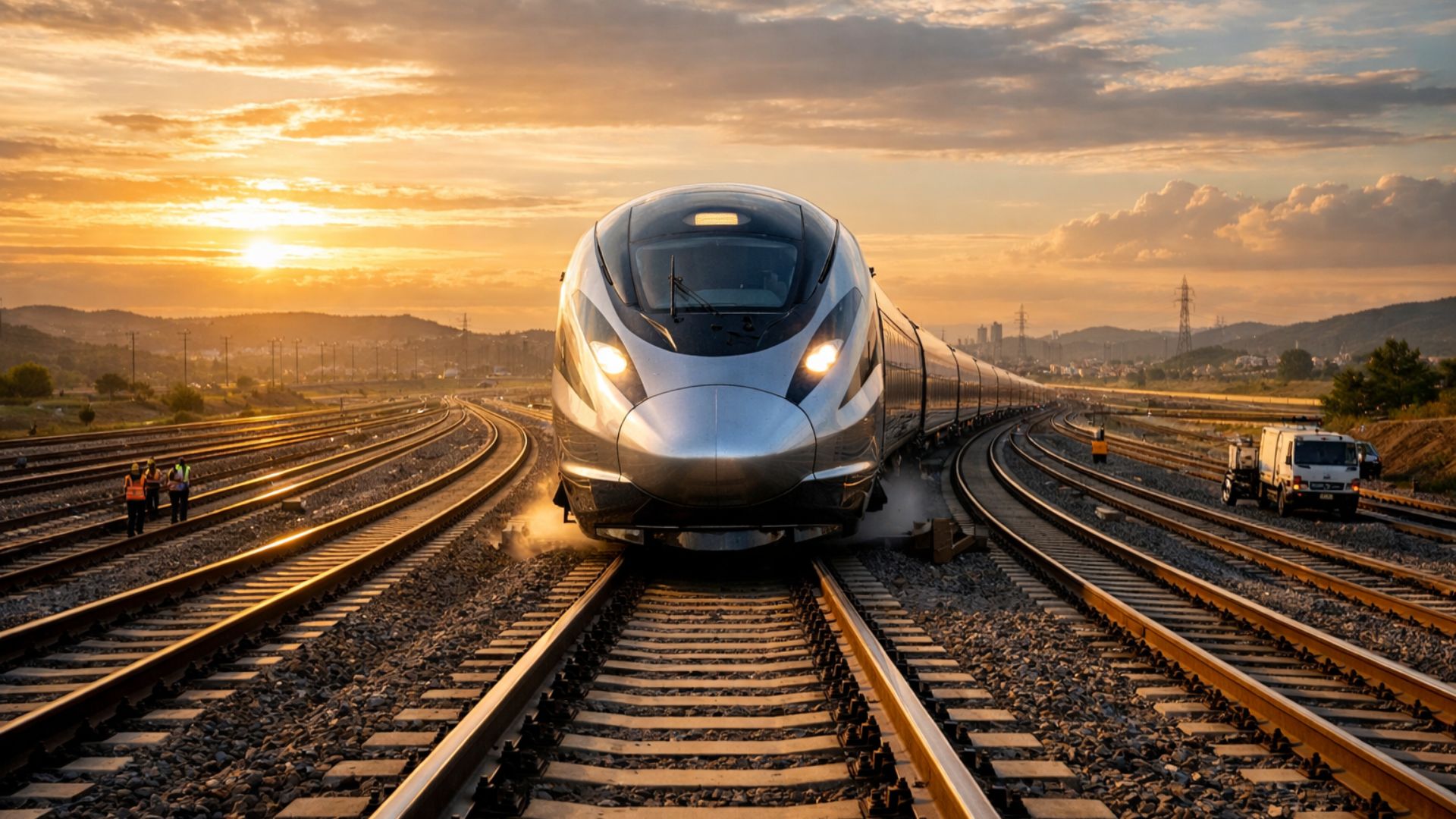
São Paulo surprises the world with a colossal railway network project that promises over 1,000 km of tracks, R$ 194 billion in investments, and 40 projects connecting the capital to the interior with fast and sustainable trains.
-
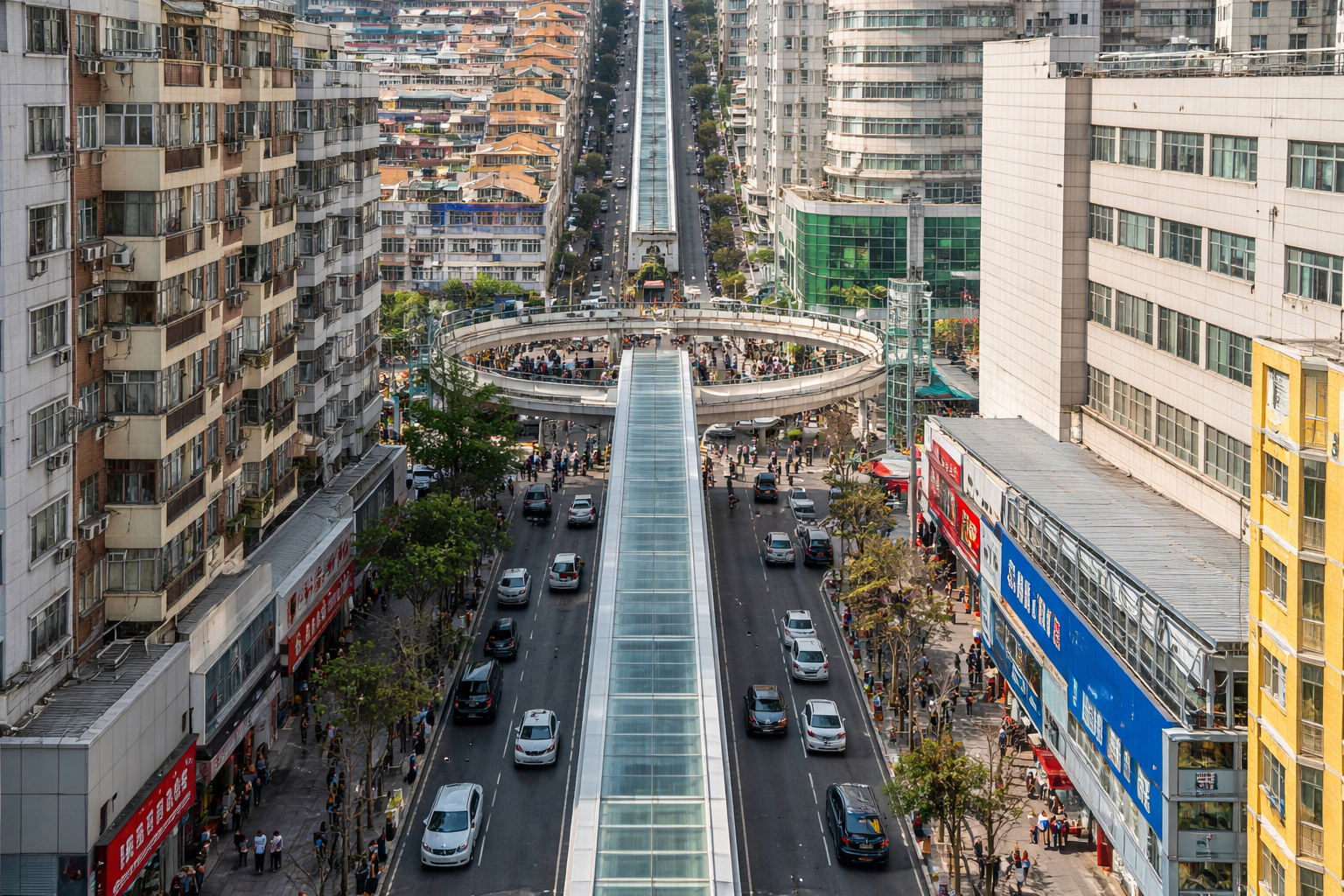
The world’s largest escalator, measuring 905 meters in China, reduces urban travel time from 1 hour to about 20 minutes and transforms mobility in mountainous regions with an engineering solution adapted to the terrain.
-
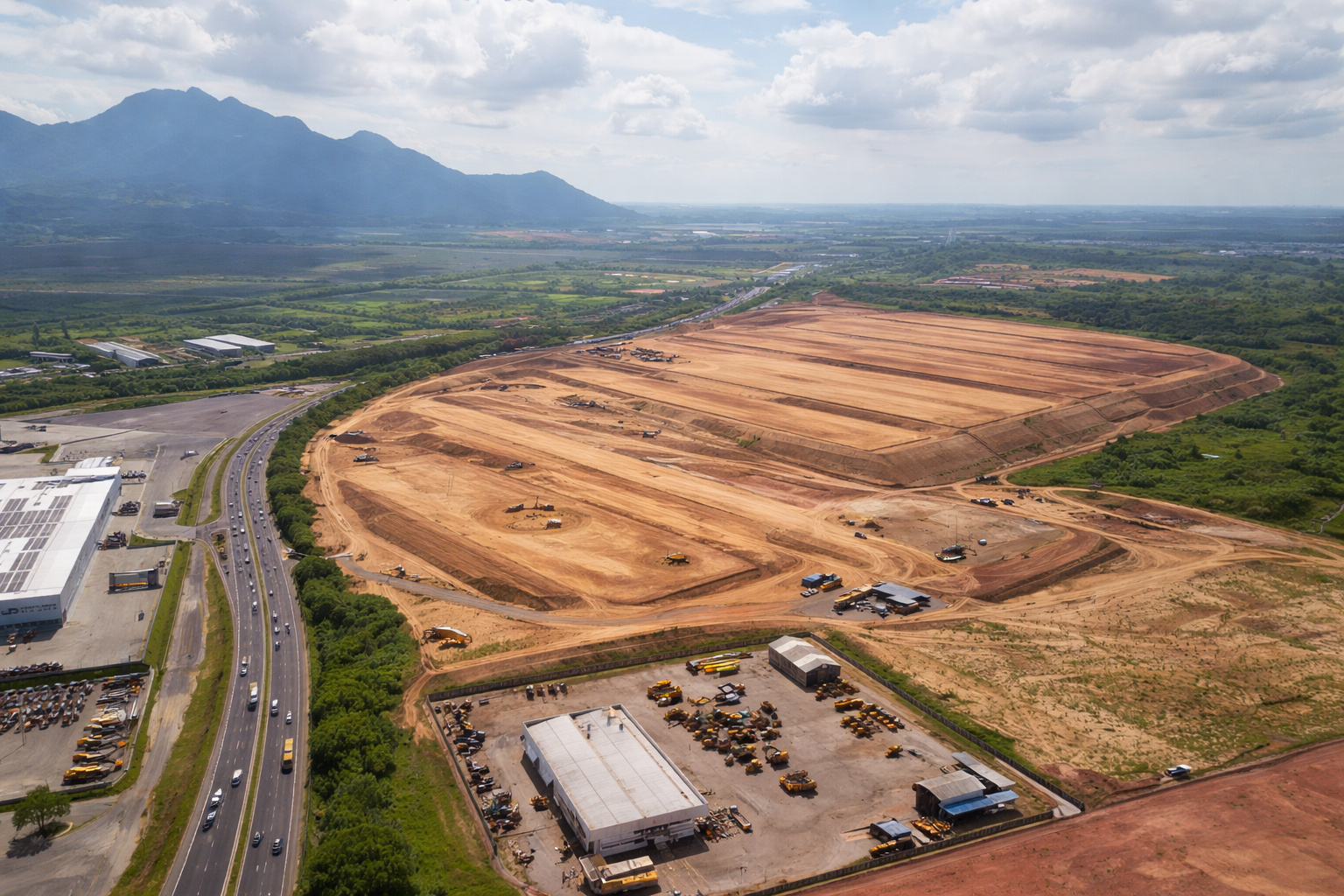
A R$ 300 million logistics giant is taking shape in Serra with over 100,000 m² and raises a question: how can this transform e-commerce and distribution in the state?
-
Could Uber Rides Lose Minimum Fare? Understand What’s Happening!


Innovations and Solutions for a Sustainable Future
The climate crisis demands innovative and immediate solutions. One example is KORSA’s “Environmental Liability for Cargo Transport” product, which offers coverage for environmental incidents and reinforces the importance of sustainable practices in logistics.
In addition to environmental insurance, Risk Management is also a vital tool. It includes driver training, travel plans with scheduled stops, and respect for work hours, essential measures to mitigate risks and promote sustainability in the sector.
The alert for the climate crisis, evidenced by historical marks of environmental degradation in Brazil and around the world, underscores the urgency for coordinated and effective actions. It is crucial that all sectors, including transport and logistics, take responsibility and adopt sustainable practices to reverse the current scenario and protect the environment for future generations.
| Source: KORSA’s CEO, James Theodoro. |









Seja o primeiro a reagir!