






 Portuguese
  Spanish
  2 min of reading
  0 comments


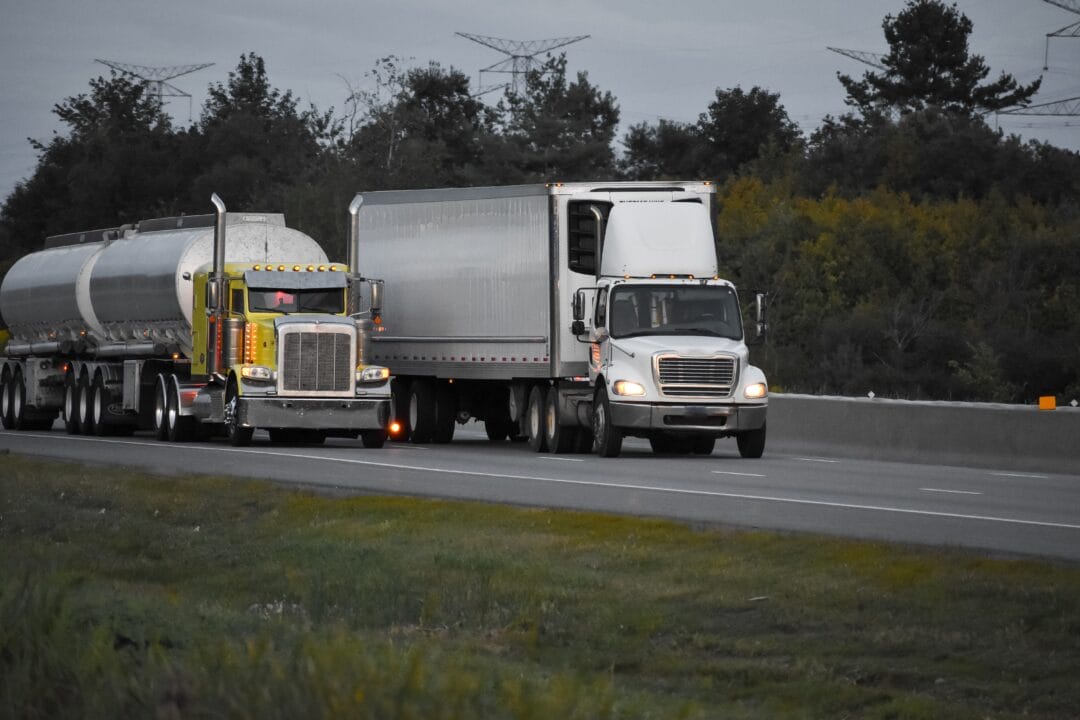
Environmental Impact of Transport Requires Urgent Action
The global climate crisis is forcing the transport and logistics sector to rethink its operational practices. With the release of a new study by the World Meteorological Organization (WMO) indicating a 0.5% rise in CO2 in 2022, the need for sustainable and responsible measures becomes more pressing. In Brazil, where cargo transport accounts for 5.1% of GDP, environmental issues are now an unavoidable priority.
The Relevance of Ground Transportation and Environmental Challenges
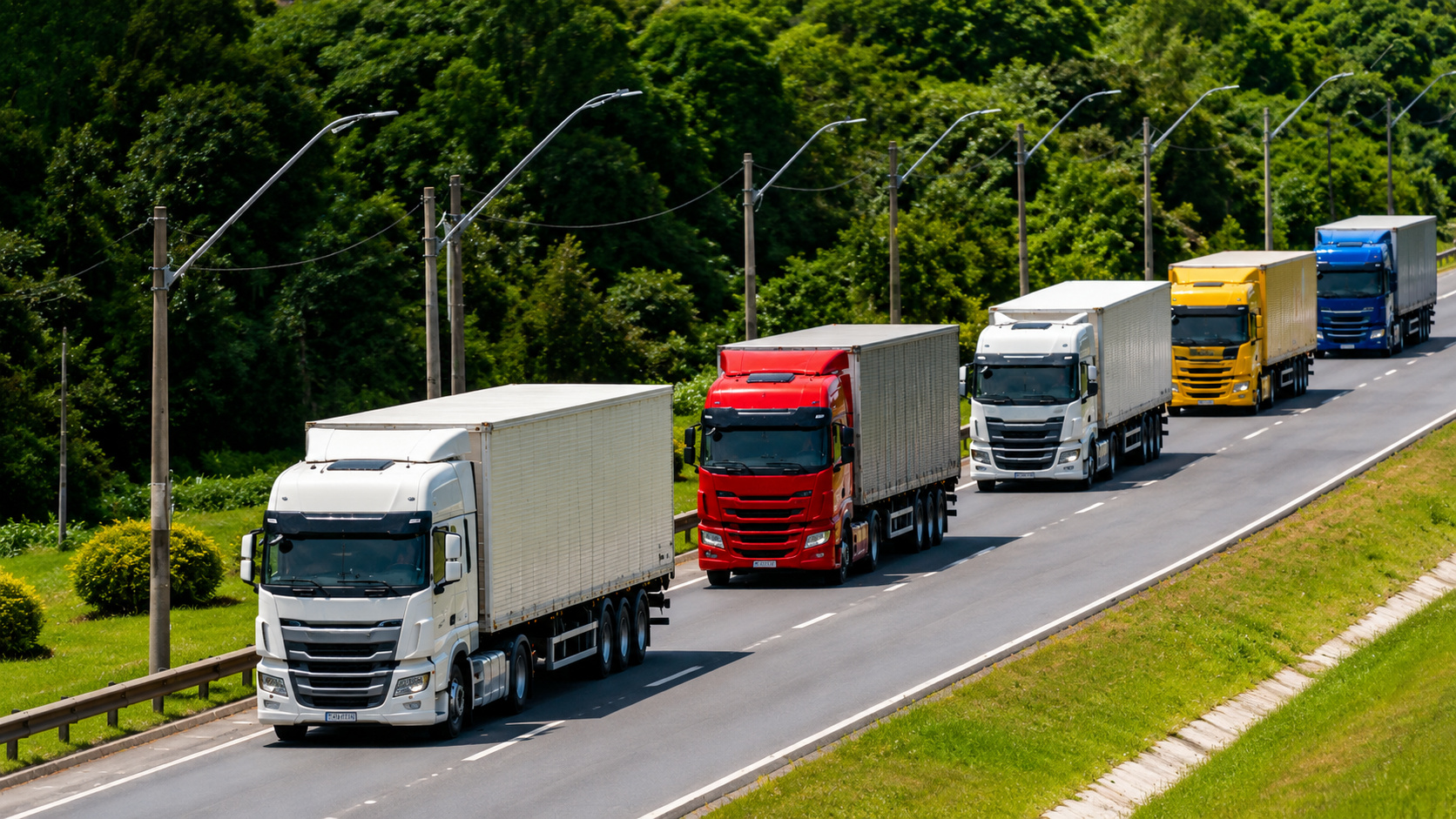
The ground transport sector, responsible for 60% of product movement in Brazil, according to data from the National Transport Confederation (CNT), now faces the challenge of positively contributing to the environment. Strategies to reduce ecological impact must be integrated into operations, including reviewing the working conditions of drivers and implementing clean technologies.
Environmental concerns are shared by experts like James from KORSA Risks & Insurance, who emphasizes the importance of addressing CO2 emissions with the same intensity as insurance and coverage issues. “It’s not just about the future; climate change is already affecting Brazil. Environmental preservation measures must be a priority to ensure the planet’s survival,” argues James.
-
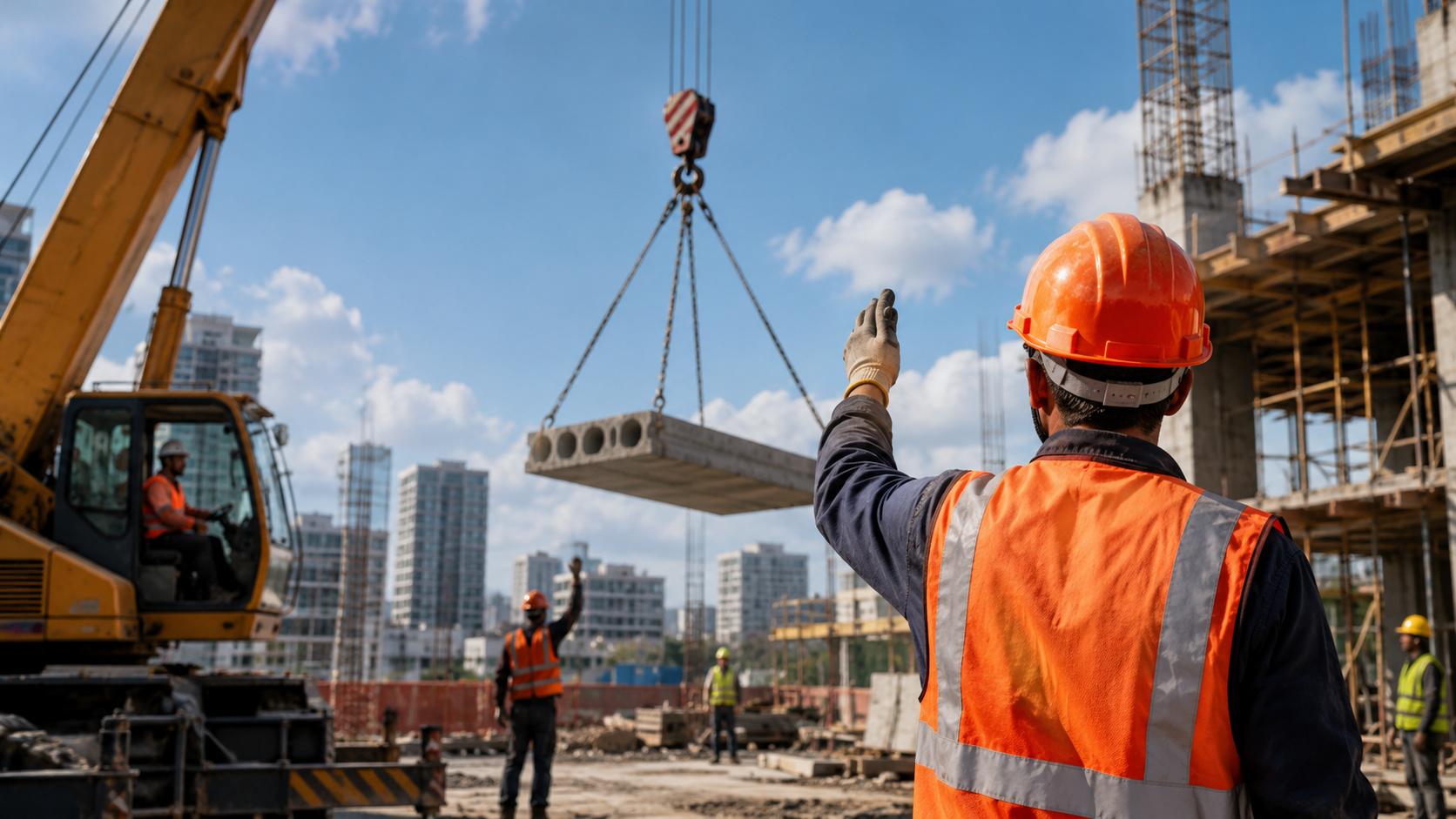
Why can the crane operator only obey the correct signalman on the construction site: among dozens of workers, a hand raised by the wrong person can confuse the maneuver and turn a load of tons into an immediate risk.

-
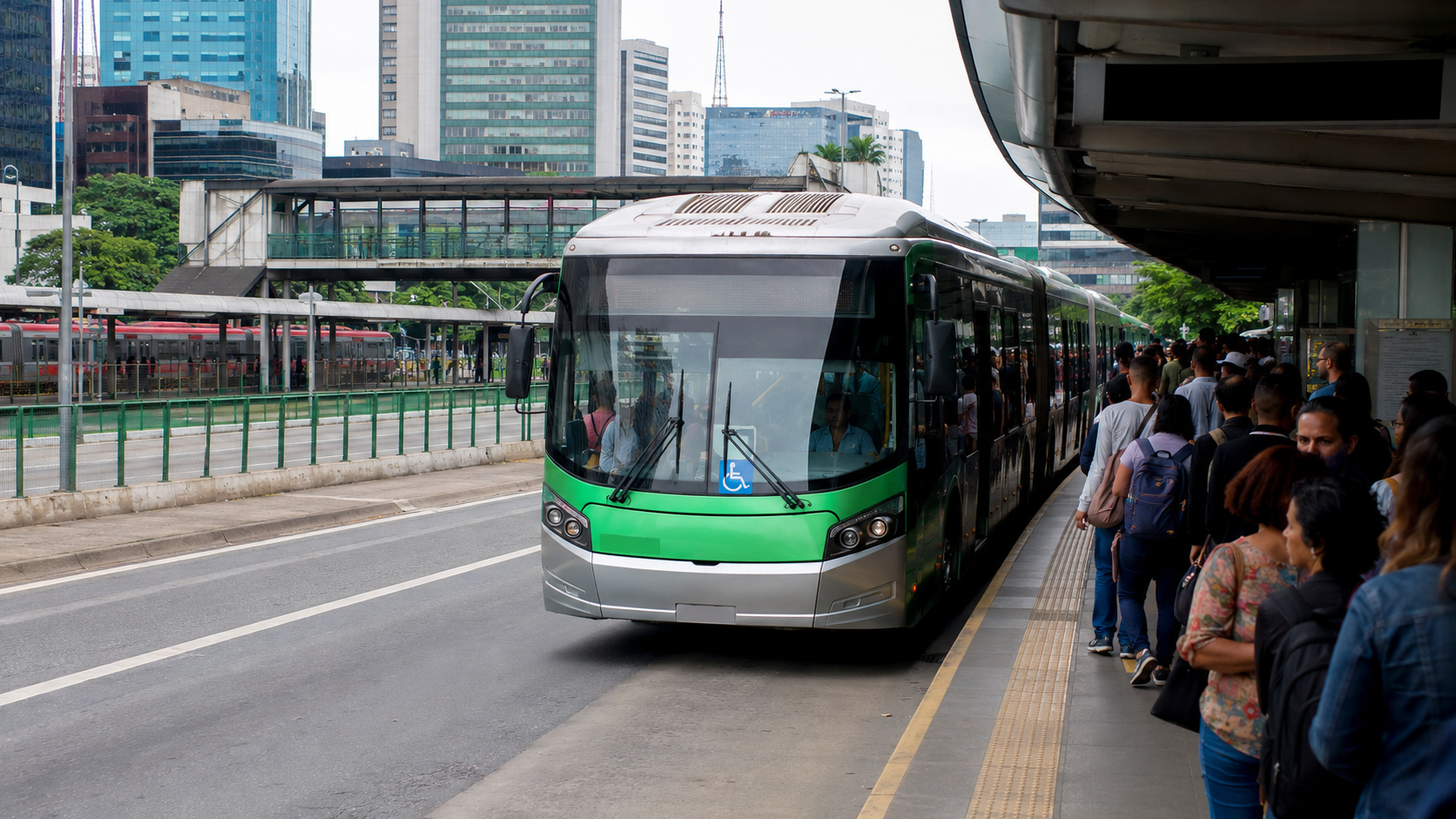
What changes with the new public transportation rules that can reduce pressure on fares and pave the way for zero fare in Brazil?
-
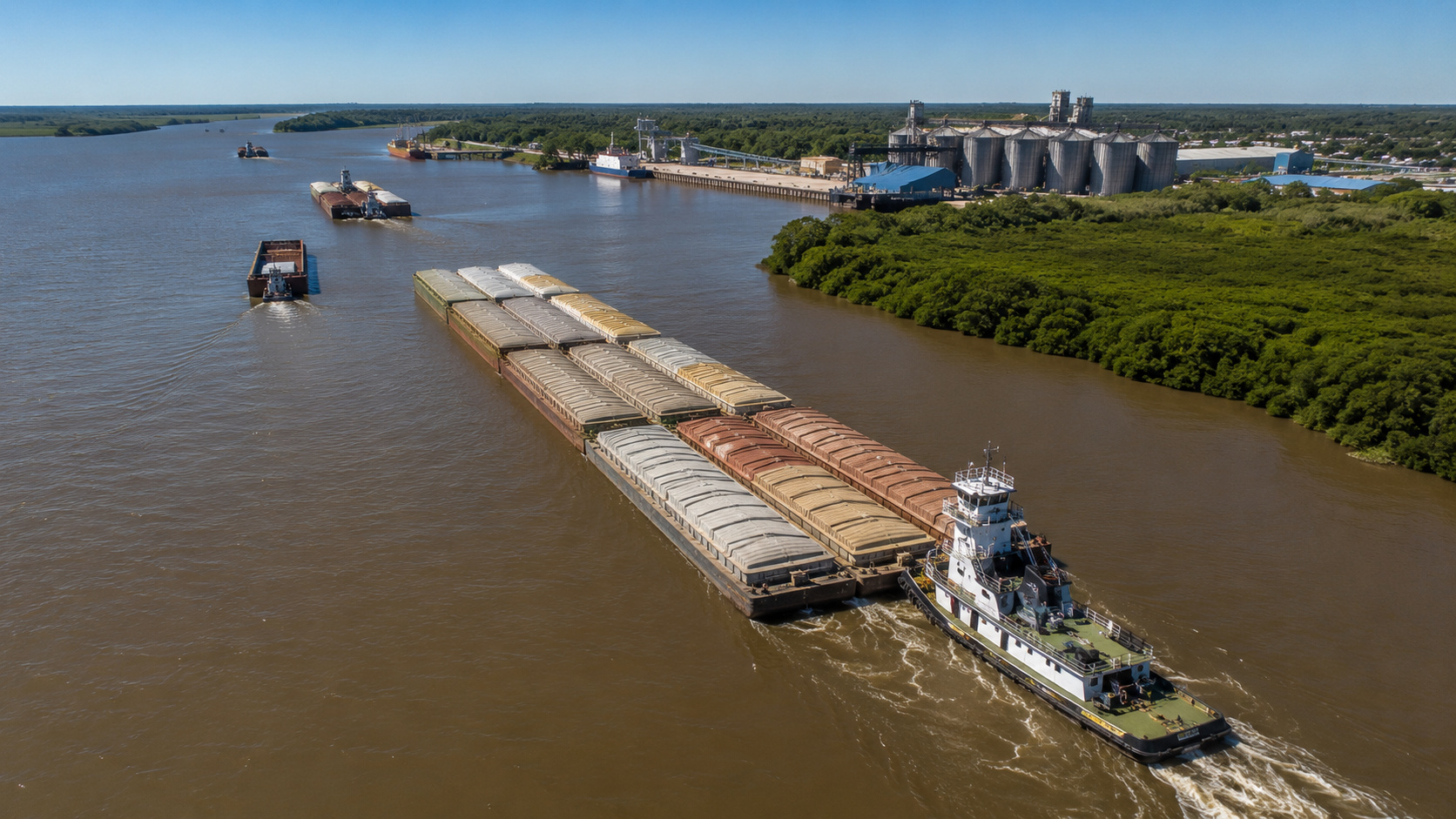
Argentina confirms Belgian giant to lead strategic Paraná River waterway and promises to reduce logistical costs on one of South America’s most important routes
-
MBRF surprises the logistics sector by demonstrating how Artificial Intelligence can directly influence deliveries throughout Brazil by reorganizing distribution routes in seconds, optimizing fleet usage, reducing logistics costs, and speeding up product arrivals even in the face of unforeseen road incidents.
Innovations and Solutions for a Sustainable Future
The climate crisis demands innovative and immediate solutions. One example is KORSA’s “Environmental Liability for Cargo Transport” product, which offers coverage for environmental incidents and reinforces the importance of sustainable practices in logistics.
In addition to environmental insurance, Risk Management is also a vital tool. It includes driver training, travel plans with scheduled stops, and respect for work hours, essential measures to mitigate risks and promote sustainability in the sector.
The alert for the climate crisis, evidenced by historical marks of environmental degradation in Brazil and around the world, underscores the urgency for coordinated and effective actions. It is crucial that all sectors, including transport and logistics, take responsibility and adopt sustainable practices to reverse the current scenario and protect the environment for future generations.
| Source: KORSA’s CEO, James Theodoro. |





Be the first to react!