





 Portuguese
  English
  Spanish
  4 min of reading
  0 comments


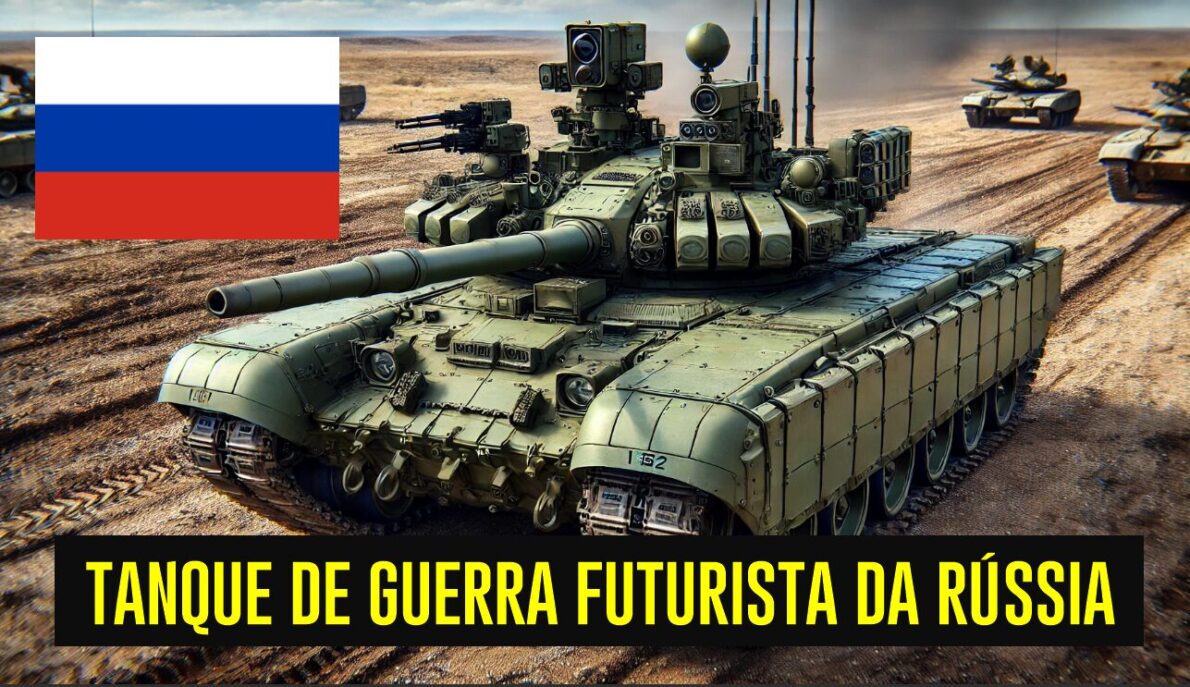
Russia Is Developing The Unmanned Combat Tank With Artificial Intelligence (AI) — See What The Impact May Be On The Battlefield
Russia is accelerating the development of an unmanned combat tank with artificial intelligence (AI), in an attempt to revolutionize military operations in the ongoing conflict in Ukraine. The T-72 tank, already widely used by the Russian Armed Forces, has been chosen as the platform for the creation of these autonomous vehicles, referred to as T-72 Shturm.
This initiative is part of an experimental design project led by Uralvagonzavod (UVZ), under the direction of the Russian Ministry of Defense, as reported by military expert Viktor Murakhovsky on September 24, 2024.
Murakhovsky, a retired colonel and editor-in-chief of the military magazine “Arsenal of the Fatherland,” stated that the T-72 was selected due to its cost-effectiveness, robustness, protection capability, and mobility.
-
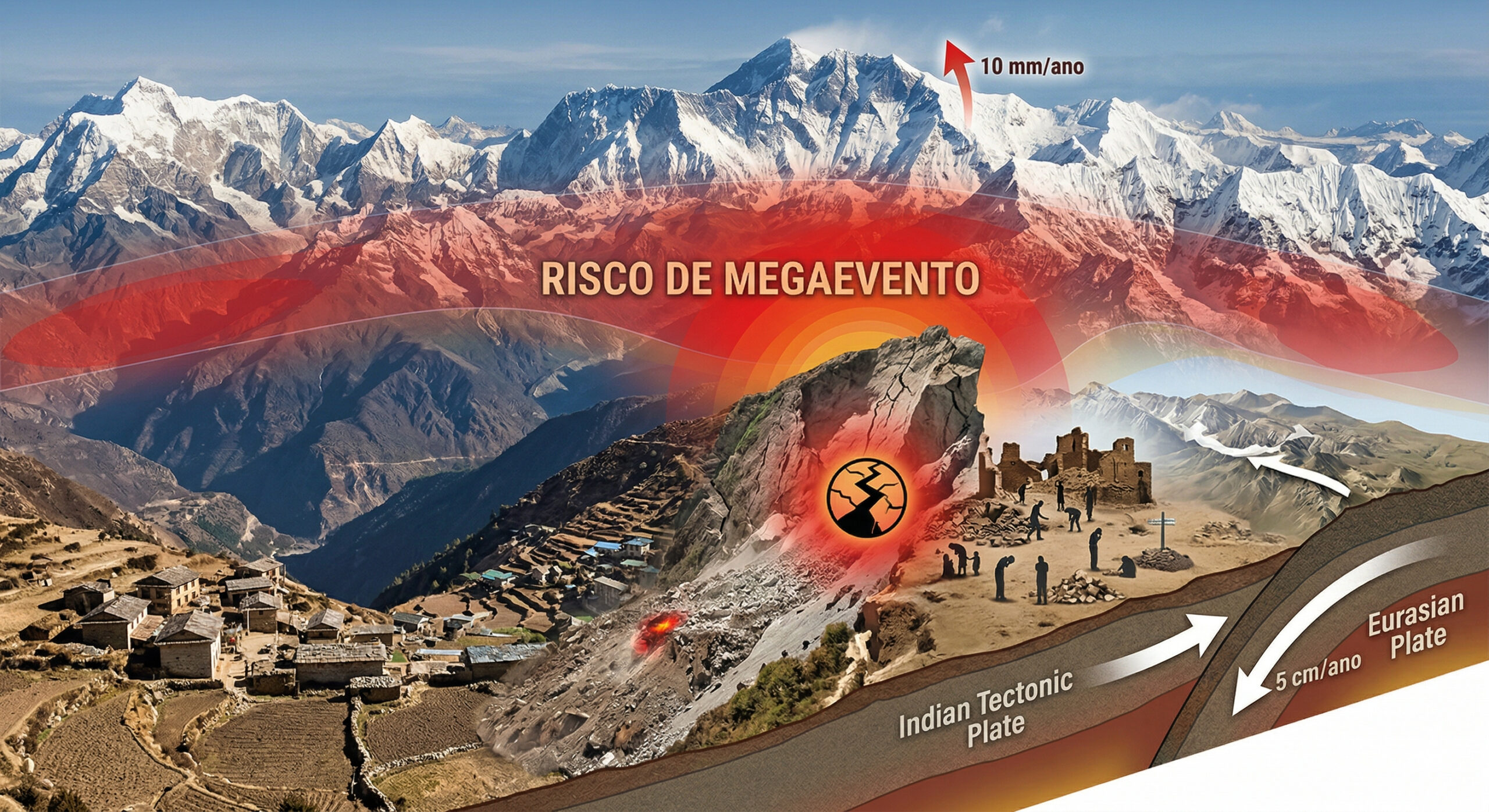
The Himalayas continue to grow to this day, with tectonic plates advancing 5 cm per year, mountains rising up to 10 mm annually, and the 2015 earthquake that killed 9,000 people may have increased the risk of an even larger seismic mega-event.
-
At an altitude of 400 km by astronauts from the International Space Station, Paris transforms at night into a golden mesh so precise that it reveals the outline of the Seine River, avenues, and entire neighborhoods like a luminous map drawn over the Earth.

-
iPhone 17 reaches historic low price with 256 GB, 120 Hz display, and drops to R$ 5,703 on Shopee, featuring A19 chip, dual 48 MP cameras, battery life of up to 30 hours, and advanced AI features.

-
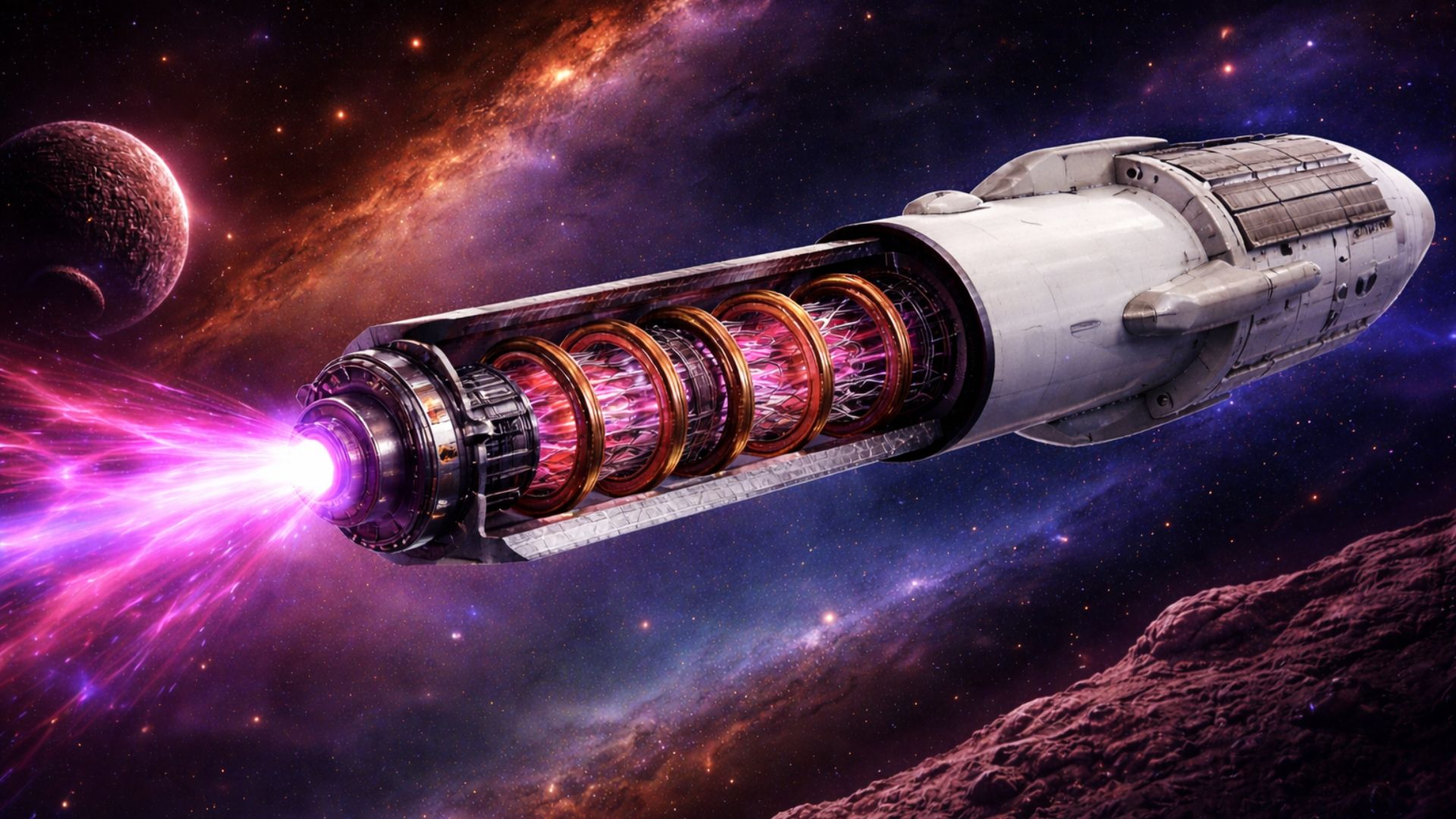
Trip to Mars getting closer: Pulsar Fusion, from the UK, advances with plasma ignition in fusion engine and could drastically reduce space travel time, making crewed missions faster, safer, and economically viable.

These features are essential to transform the T-72 into a Remote Control Tank (RTK) capable of operating in complex combat scenarios with little or no human intervention.
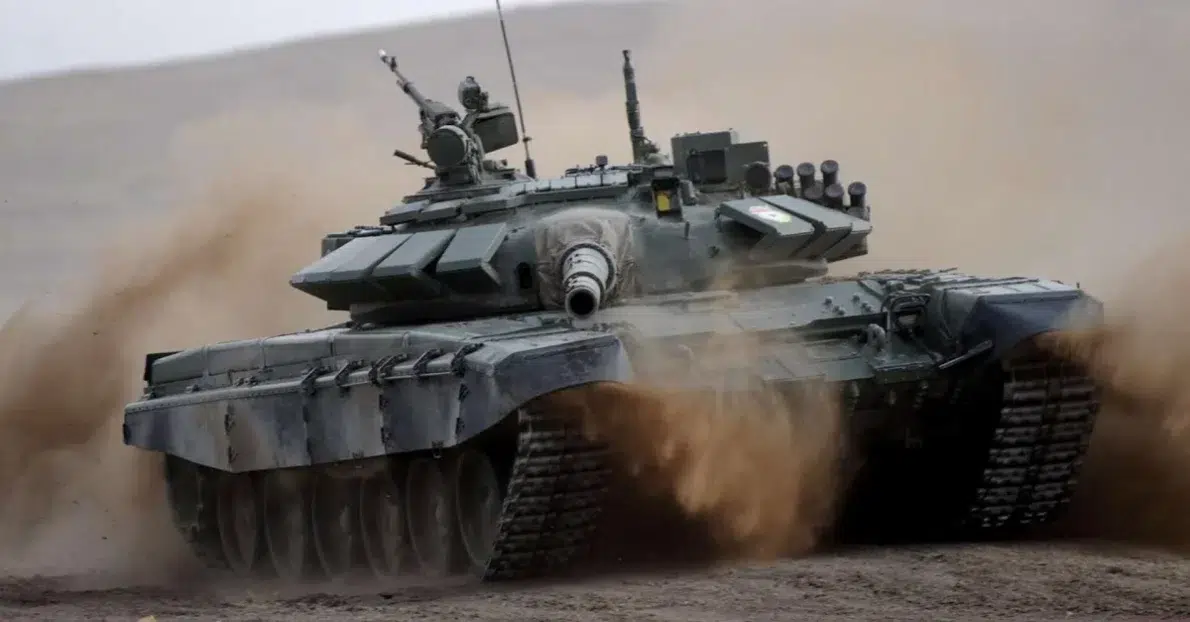
The Shturm Combat Tank Project
The Shturm project was conceived before the conflict in Ukraine, but the progression of the war accelerated the development and testing of this unmanned combat tank. UVZ began testing in 2023, using the T-72B3 model as a base.
The exercises included live firing at simulated targets, assessing the performance of the main weaponry, a 125 mm gun, as well as other autonomous capabilities.
These tests mark a significant advancement in Russia’s attempt to integrate AI and autonomous systems into its ground forces.
The choice of a already tested and modified tank gun for the T-72 Shturm reflects the strategic use of armaments already proven in combat.
The 2A46 125 mm gun, with a shortened barrel, has been adjusted to operate efficiently in this new unmanned system. In addition, the tank will be equipped with the RPO-2 “Shmel-M” flamethrower, 30 mm autocannons, and unguided thermobaric rockets of 220 mm, derived from the TOS-1A Solntsepyok system.
This combination of armaments allows the RTK Shturm to execute a wide range of offensive operations.
Artificial Intelligence and Autonomous Control
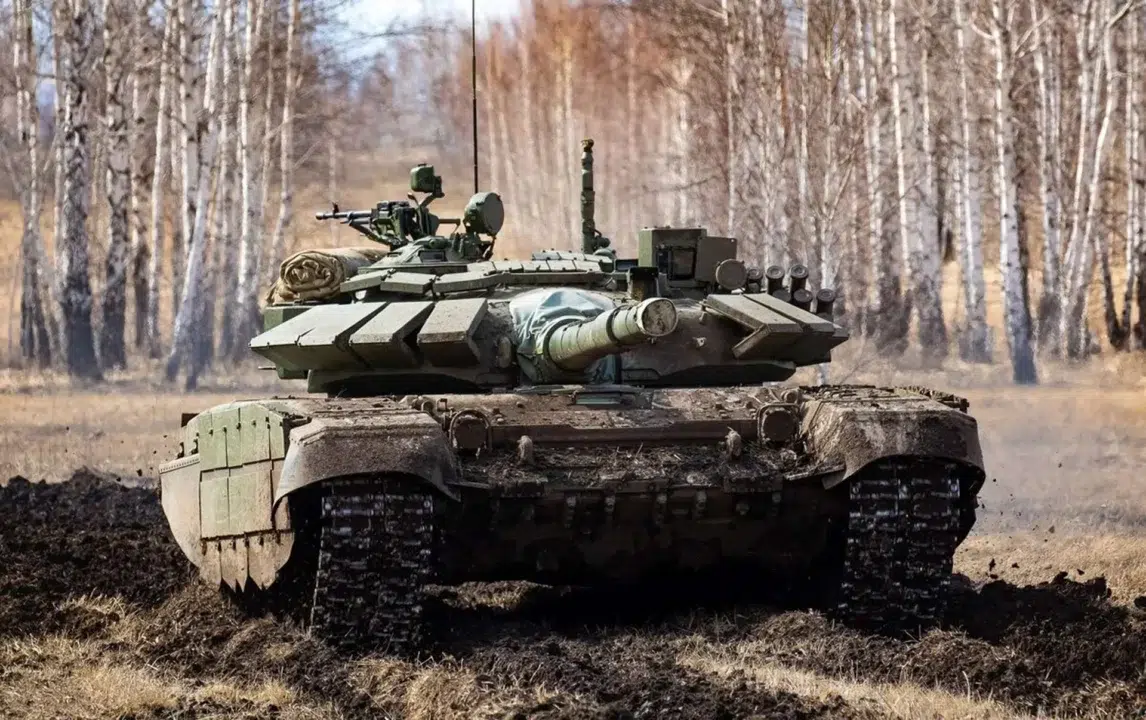
The most innovative element of the T-72 Shturm is its ability to operate autonomously, based on artificial intelligence and neural networks.
The fire control system, inspired by technologies employed in the T-90M and T-14 Armata tanks, has been adapted to allow the T-72 to identify targets and make firing decisions independently.
This provides a significant advantage on the battlefield, allowing the tank to react quickly to threats without relying on direct human oversight.
The control and navigation systems of the RTK also represent a major advancement. Sensors in ultrasonic, visible, and infrared spectra allow the vehicle to move in formation with other tanks, navigate rough terrain, and avoid obstacles.
AI, combined with these detection technologies, makes the T-72 Shturm capable of adapting to different combat scenarios and making complex tactical decisions.
Impact on Military Dynamics
Yuri Knutov, another Russian military expert, highlighted the potential impact of this unmanned combat tank on the operational dynamics of the Russian Armed Forces.
According to Knutov, the use of autonomous vehicles can significantly reduce the risk to soldiers in combat, especially in situations where exposure to enemy fire would be dangerous. By operating remotely, tanks can be sent to high-risk areas without putting human lives in danger.
However, the deployment of unmanned vehicles requires tactical adjustments. The effectiveness of guided anti-tank missiles, often employed by Ukrainians, has already proven to be a substantial threat to traditional armored vehicles.
Knutov suggests that, to maximize the effectiveness of unmanned tanks, military commanders should adopt new tactics, such as the “tank carousel,” where three vehicles take turns in combat, providing greater flexibility and minimizing losses.
The T-72B3 and The Evolution of Russian Tanks
Introduced in 2011, the T-72B3 is a modernized version of the T-72B tank, designed to come close to the performance levels of more modern tanks, such as the T-90A.
Equipped with the 2A46M-5 smoothbore gun of 125 mm, the T-72B3 can fire a variety of projectiles, including guided anti-tank missiles with a range of up to 5,000 meters. In addition, it has additional armaments, such as PKT and “Kord” machine guns for anti-aircraft defense and ground combat.
One of the main highlights of the T-72B3 is its armor. Equipped with Relikt Explosive Reactive Armor (ERA) modules, the tank offers greater protection against penetrative munitions and tandem warheads.
This is complemented by the Kontakt-5 ERA system, which further increases the vehicle’s resistance. Additionally, the T-72B3 is equipped with nuclear, biological, and chemical (NBC) protection systems, ensuring crew safety in contaminated environments.
The mobility of the T-72B3 is also notable. Powered by a V-84MS diesel engine, which generates 840 horsepower, the tank can reach speeds of up to 60 km/h on roads and 35-45 km/h on rough terrain.
With wide tracks and a robust suspension, the vehicle is capable of traversing difficult terrain with relative ease, making it a versatile platform for operations in various combat scenarios.








Seja o primeiro a reagir!