





 Portuguese
  English
  Spanish
  3 min of reading
  0 comments


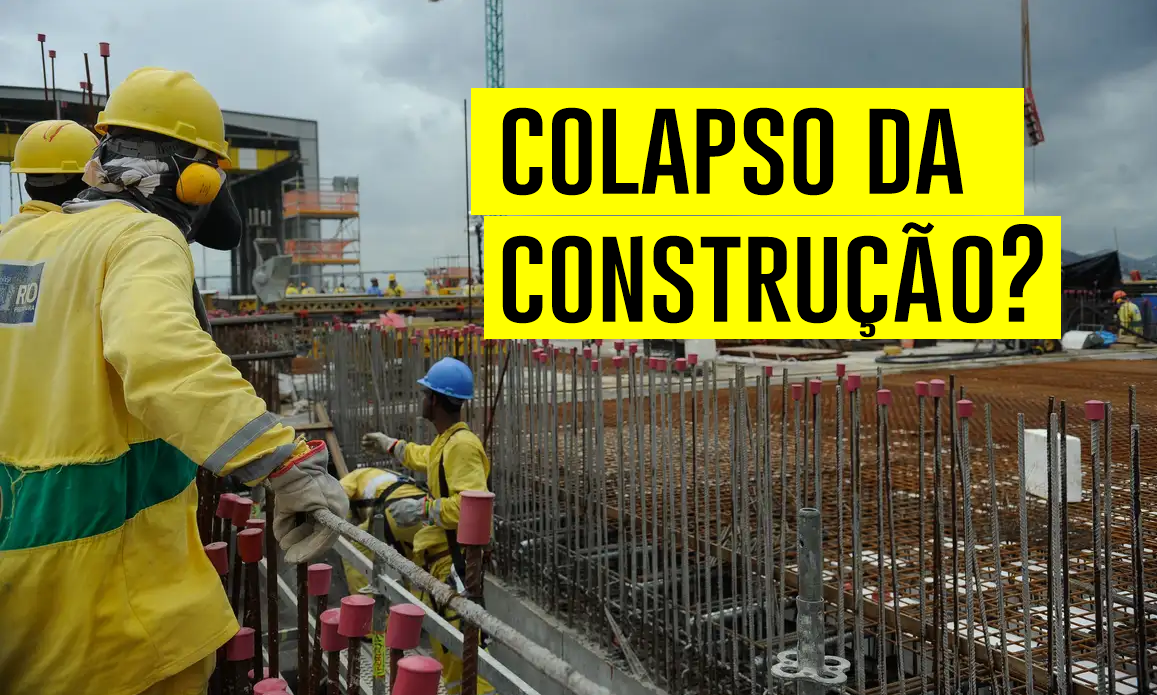
Representatives of the Construction Industry Warn That Changes to the 6-to-1 Scale Could Have Catastrophic Impact on the National Industry
The possible extinction of the 6-to-1 scale in Brazil is generating intense debates, especially in the construction industry, a sector that employs thousands of workers, according to Caged (General Register of Employed and Unemployed Workers). According to Eduardo Aroeira, Vice President of Cbic (Brazilian Chamber of the Construction Industry), this change would be disastrous for the sector, directly impacting productivity and project delivery.
“We do not have these workers,” Aroeira stated, emphasizing that if the scale is altered, it will be necessary to seek more labor to avoid project delays, something that, currently, would be impractical due to low availability of qualified workers.
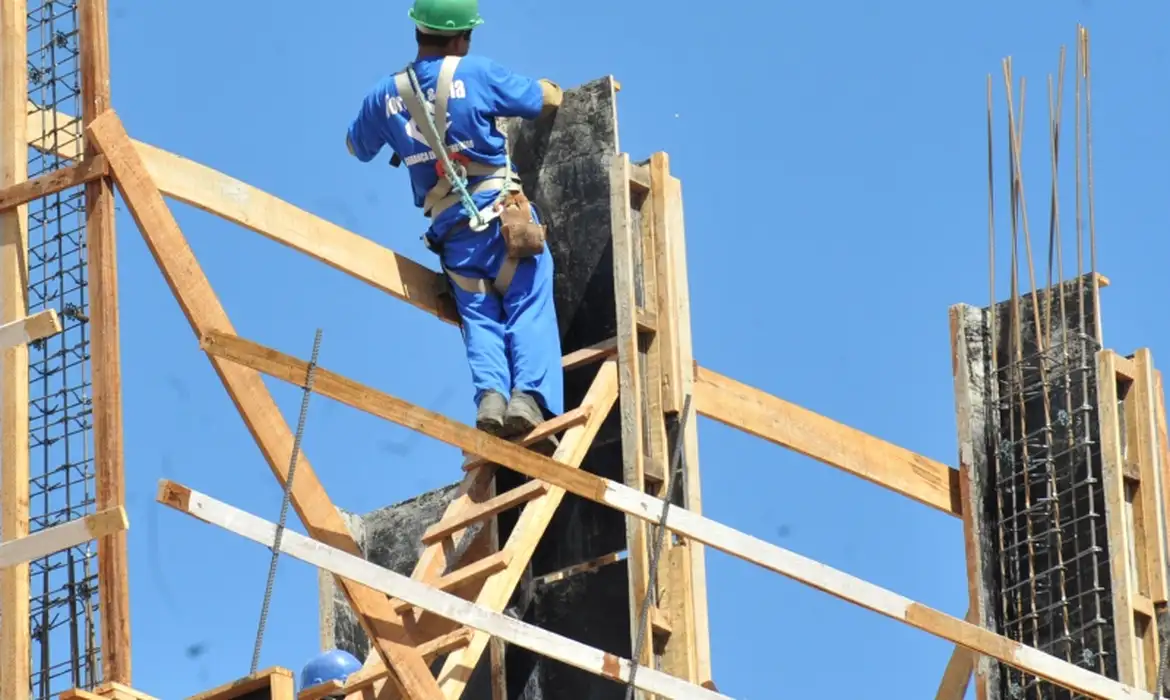
Labor Shortage in the Construction Sector
The construction sector faces a chronic labor shortage issue, worsened by a lack of professional qualifications and the disinterest of young people in working on construction sites. Data collected by Cbic shows that the workforce is aging: the average age of workers has risen from 38 years in 2016 to 41 years in 2023, reaching 43 years in the state of São Paulo.
-
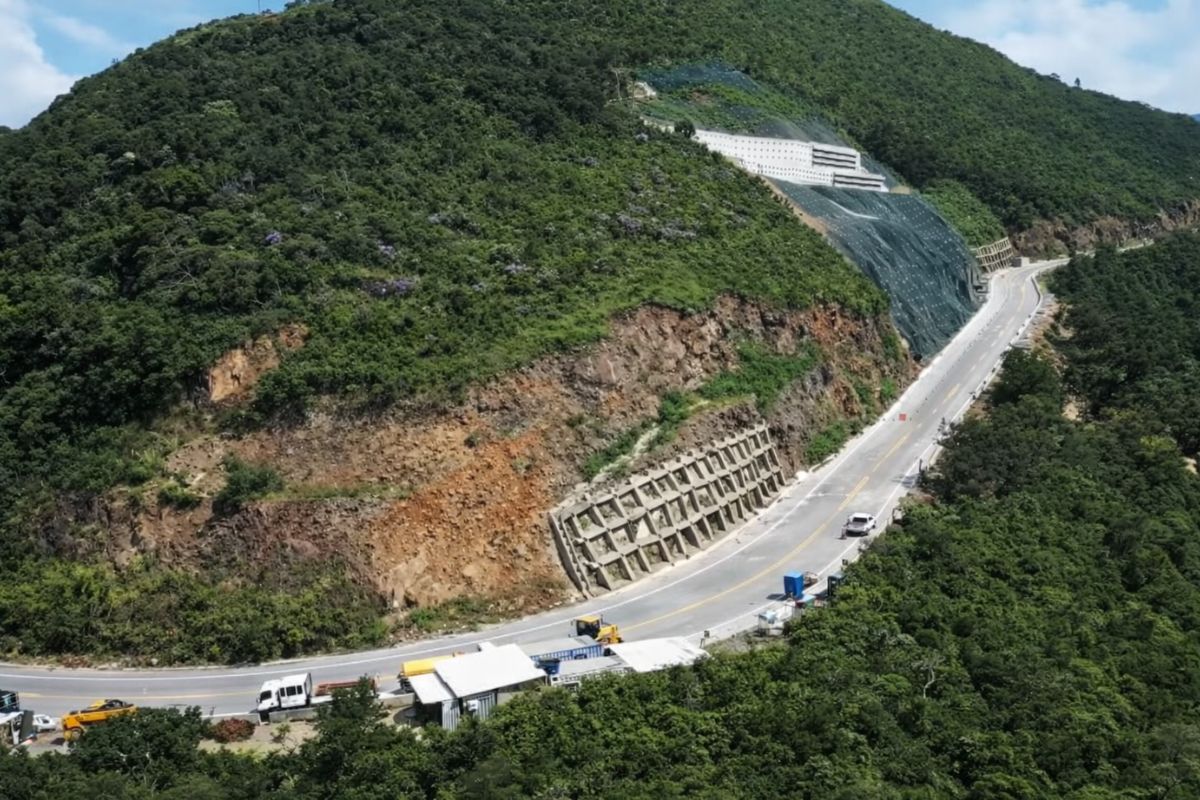
The section of Serra da Rocinha on BR-285 is now open in Timbé do Sul: 50 m tensioned curtains and top-down technique stabilize the slope, with a stairway duct controlling the water.
-
Scientists use sawdust mixed with clay to create a lighter brick, promising efficient thermal insulation and impressing by transforming waste into a solution for construction.

-
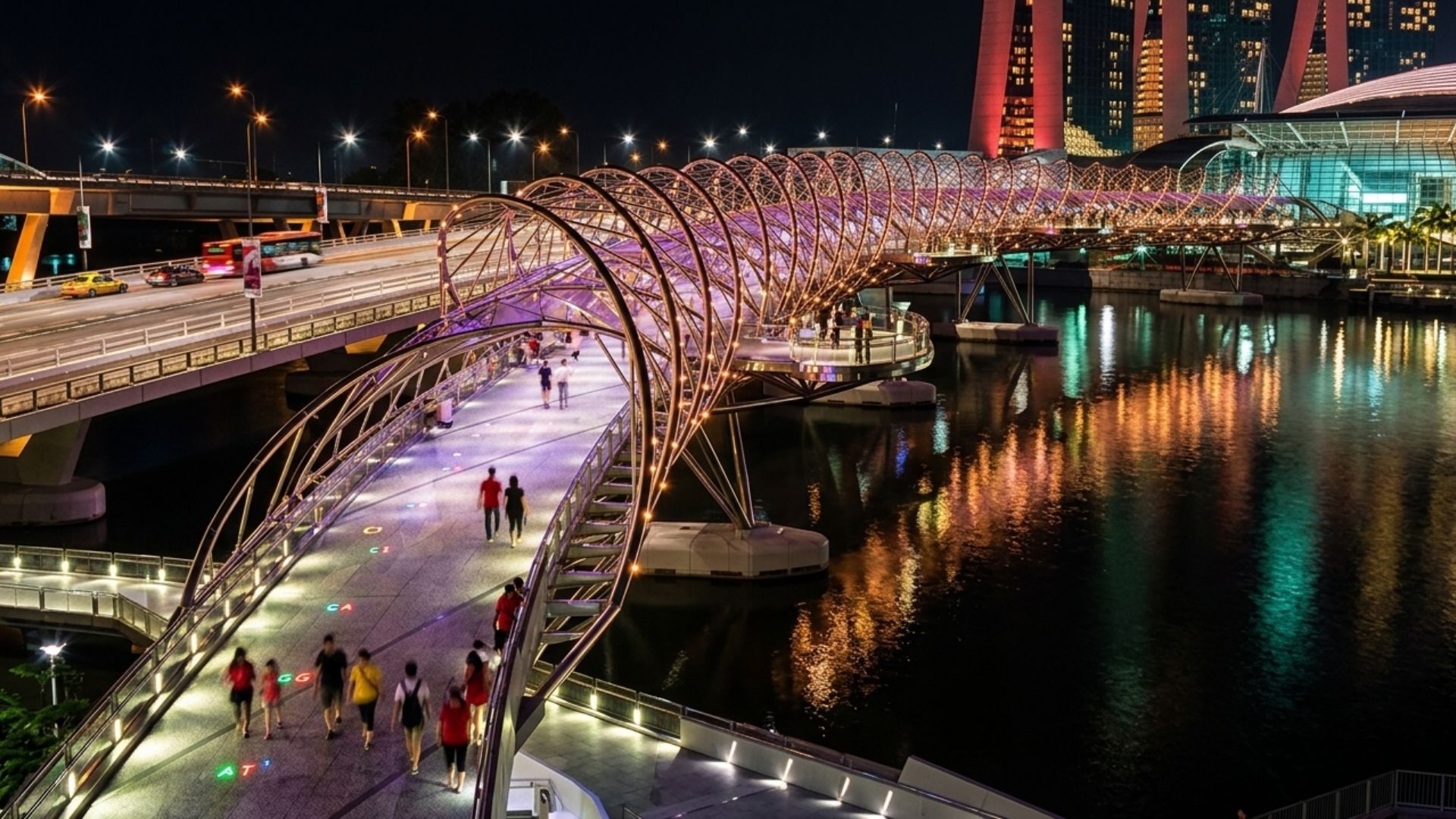
With a DNA shape, this bridge in Singapore draws attention in modern architecture and surprises tourists by transforming a simple crossing into an unforgettable visual experience in the urban heart.
-
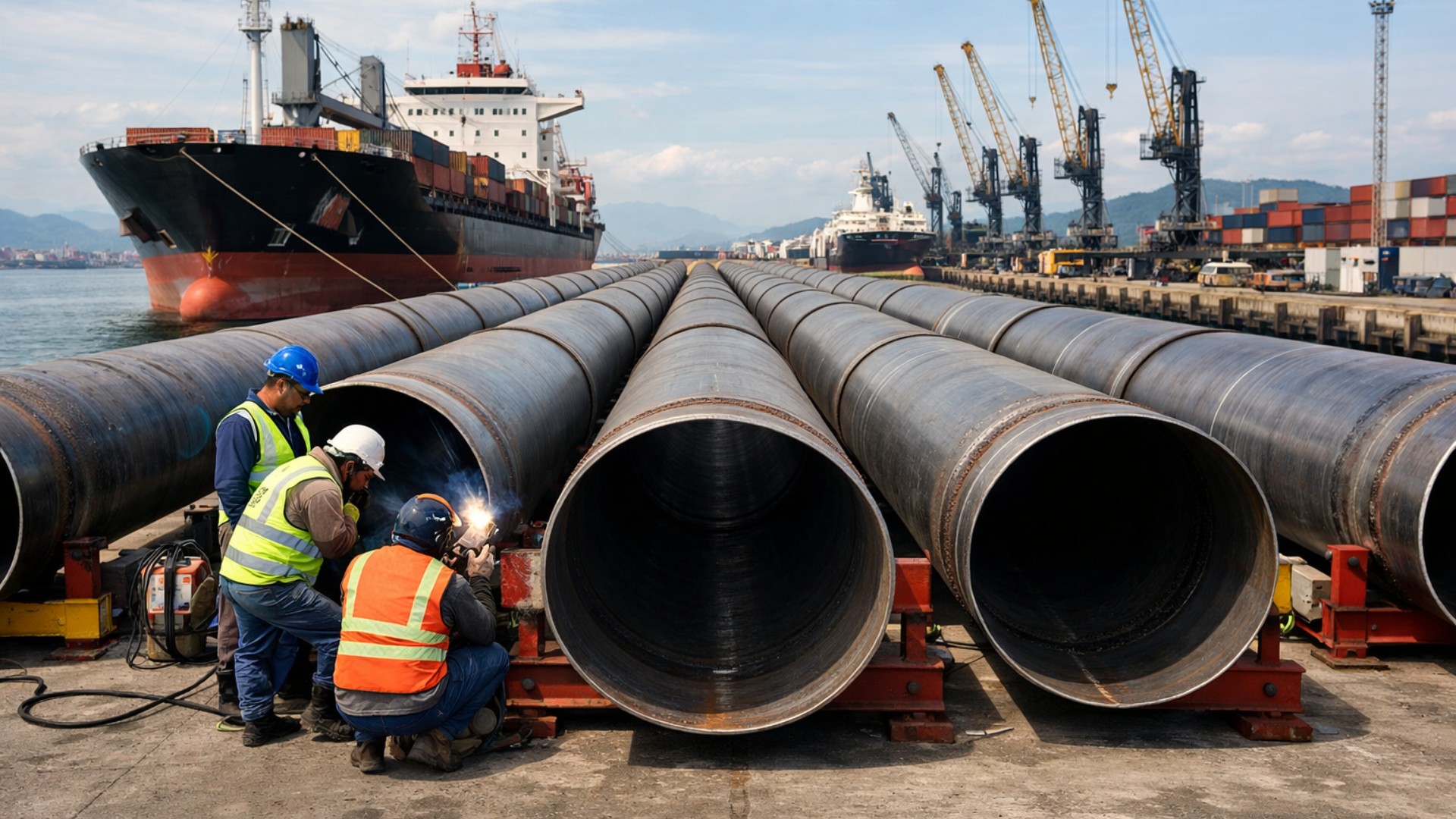
Giant underwater pipeline begins to take shape with a R$ 134.7 million project at the Port of Santos: the 1.7 km structure uses 12-meter and 700 mm pipes to supply water to 450,000 people in Guarujá.

Moreover, a large portion of these workers operates informally, with an average weekly workload of 38.8 hours and an average monthly income of R$ 2,552.99. According to Aroeira, this reality increases the challenges for the industry to maintain productivity while facing a growing demand for new projects.
“We are, today, practically at full employment and our major struggle is not to employ people but to increase productivity. Changing the scale at this moment […] would generate unemployment or informality,” Aroeira stated during a press conference held on the morning of this Monday (18).
Growth Amid Challenges
Despite these difficulties, the Brazilian real estate sector has been recording growth records. Cbic points to an increase in launches and sales in the last quarter compared to the same period last year, indicating that demand remains strong. However, industry experts believe that the end of the 6-to-1 scale could reverse this positive scenario.
For Ely Wertheim, Vice President of Real Estate Industry at Cbic, the change would be a disservice to the country. “We should be producing, increasing productivity, investing in training, employing, delivering on time — not just apartments, it applies to any industry, any service. ”
The Debate Over the 6-to-1 Scale
The 6×1 scale allows workers to have only one paid day off per week. Recently, Deputy Erika Hilton (PSOL-SP) introduced a constitutional amendment proposal (PEC) aimed at altering this workweek. The text suggests adopting a four-day workweek, a measure already implemented in other countries and tested by some companies in Brazil.
During the Republic Proclamation holiday, protests supporting the end of the scale occurred in several state capitals. Protesters compared the 44-hour workweek to slavery, highlighting the social impact of the discussion.
Despite the resistance from sectors such as construction, the PEC has already reached the minimum number of signatures required for processing in the Chamber of Deputies. Erika Hilton stated that the text will proceed to the CCJ (Committee on Constitution, Justice and Citizenship) for admissibility analysis.
Productivity as a Solution
As the debate progresses, representatives of the construction industry emphasize the need to focus on measures that improve working conditions and increase efficiency. “The priority discussion, in our interest, is how we can improve the conditions for workers, with increased productivity, different ways of building,” Aroeira concluded.
Although the proposal to change the 6-to-1 scale may be seen as an opportunity to modernize labor relations, the perspective of strategic sectors, such as construction, reinforces the complexity of the issue.










Seja o primeiro a reagir!