





 Portuguese
  English
  Spanish
  3 min of reading
  0 comments


The Lula Government Is Studying the Possibility of Further Increasing Taxes on Purchases Made on International Websites, the Famous Blouse Tax
Next Thursday (5), the National Committee of State Finance, Tax, or Revenue Secretaries (Comsefaz) is expected to discuss a controversial proposal: increasing the ICMS rate under the Remessa Conforme Program, the famous blouse tax.
The “blouse tax” may increase from 17% to 25%. The measure, which meets the pressures of the national retail sector, promises to significantly impact the wallets of consumers and international shopping platforms such as Shein, Shopee, and AliExpress.
-
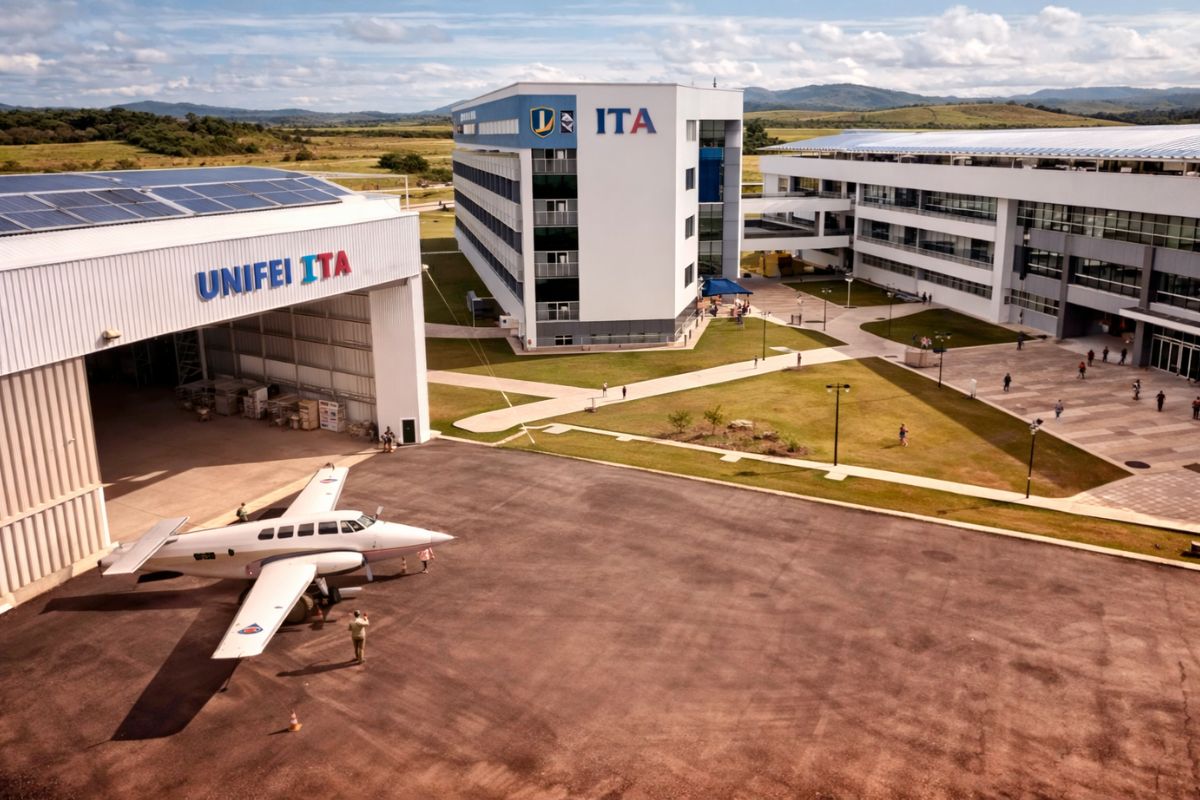
The institute that trained the greatest aerospace engineers in Brazil has just opened its first campus outside São Paulo after 75 years: ITA Ceará will have R$ 445 million, new courses in energy and systems, and classes are expected to start in 2027.
-
Luciano Hang, owner of Havan, goes to Juiz de Fora after the tragedy in February, brings R$ 1 million, hands out R$ 2,000 cards, and donates up to R$ 15,000 to victims in the region.

-
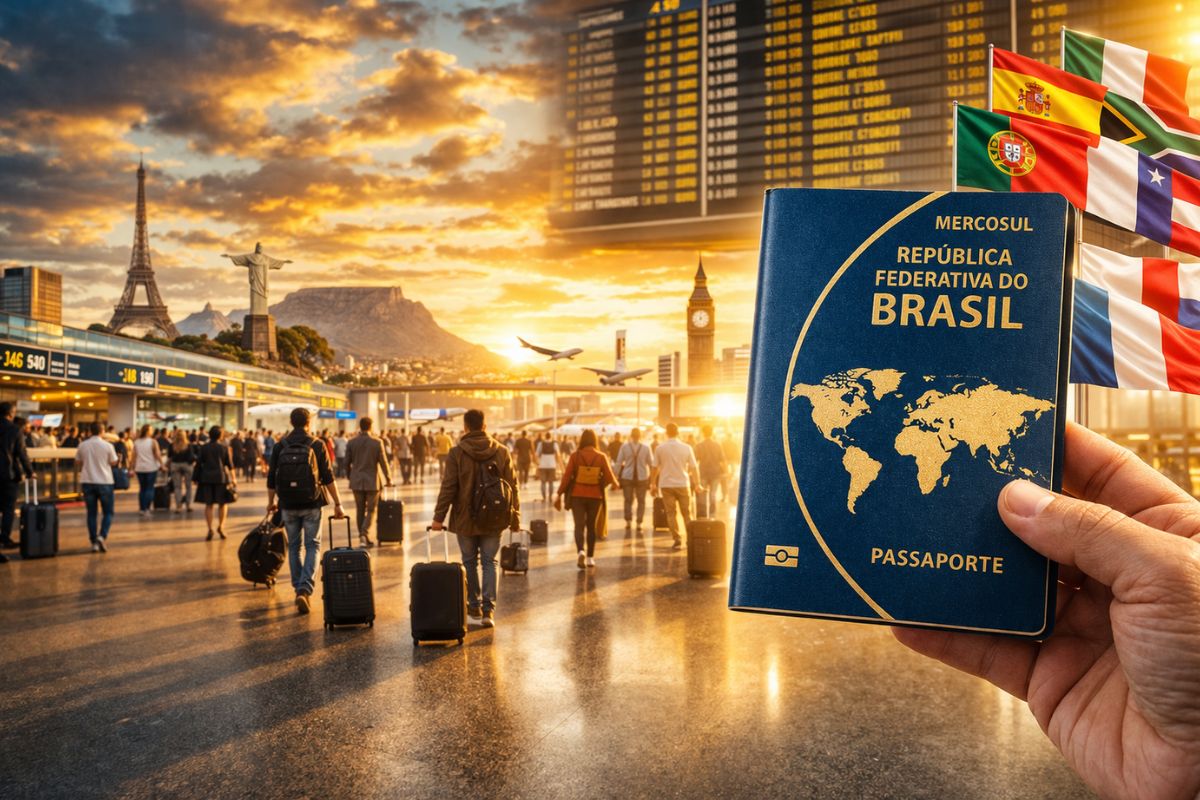
The Brazilian passport allows legal residence in dozens of countries without the need for a prior visa, and most Brazilians are unaware that they can apply for residency directly upon arriving in nations in South America, Africa, and even Europe.
-
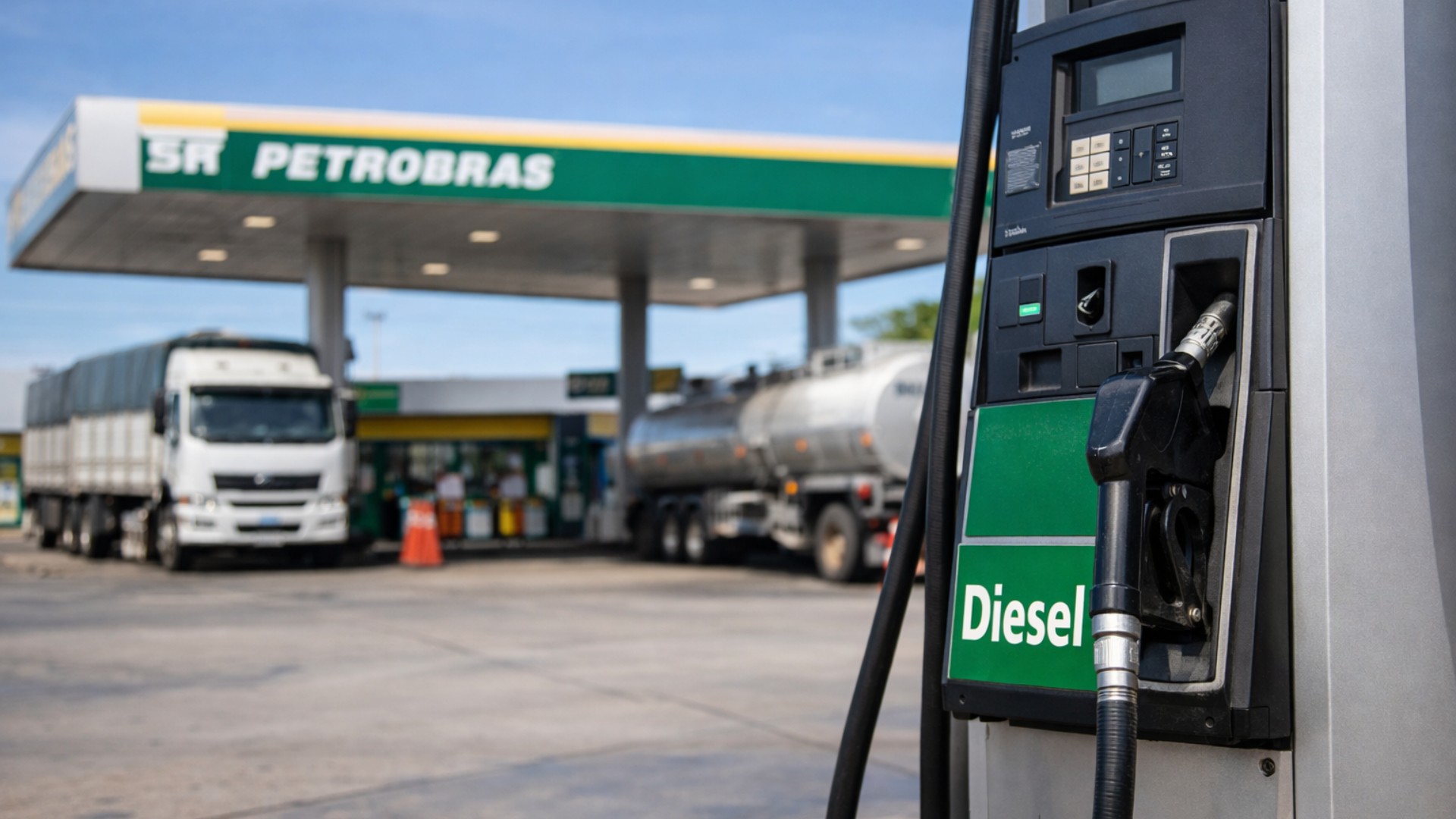
Petrobras sends a message to Brazilian truck drivers after fuel collapse and reveals plan to have 100% domestic diesel.
According to information released by columnist Lauro Jardim from O Globo, the objective is to strengthen the competitiveness of the national retail sector against foreign platforms. However, the proposal raises concerns about its effects on the prices of imported products and the consumption behavior of Brazilians.


Effects of Taxation on Imports
The Remessa Conforme Program has already been changing the landscape of imports in Brazil. Recent data from the Federal Revenue Service shows that since the implementation of the “blouse tax”, imports have dropped by 40%.
This tax applies to international purchases below US$ 50 and, so far, has generated R$ 533 million in federal revenue.
If the numbers remain stable, the projection is that the government will collect around R$ 2 billion in 2025. However, the decrease in imports is already evident. In July, before the tax was applied, there were 18.4 million shipments valued at up to US$ 50, totaling R$ 1.5 billion. In August, after the taxation, this number fell to 10.9 million packages, totaling R$ 822 million.
The downward trend is also apparent in quarterly data. Between April and June, Brazilians purchased 51.3 million imported products. After the implementation of taxes, the number dropped to 34 million in the August to October quarter.
Taxation and Competitiveness
The Remessa Conforme Program was created with the promise of facilitating and regulating imports. Currently, it has the participation of 30 retailers, and taxes are collected at the time of purchase.
This includes a federal tax of 20% on purchases of up to US$ 50 and 60% for amounts above that, in addition to the state ICMS of 17%.
However, with the possible increase in the ICMS rate to 25%, the impact on international platforms is expected to be even greater.
For representatives of the national retail sector, the measure has been positive. According to them, the program has encouraged consumers to return to purchase in local stores. Industry data indicate a growth of 4.5% in the national retail sector just between August and September of this year.
The Controversy of the Blouse Tax Under Discussion
Despite the gains for the national retail sector, the proposal is not without criticism. Experts warn that the increase in ICMS may further raise the prices of imported products, restricting consumer access to popular items.
Additionally, there are doubts about how the changes will affect revenue in the long run, as the reduction in the volume of imports could ultimately offset the increase in the tax rate.
The government will face a dilemma: meet the demands of the national retail sector or preserve the conditions for consumers to continue purchasing products from foreign platforms. The outcome of this decision will be crucial in shaping the future of international purchases and the local market in Brazil.










-

-

7 pessoas reagiram a isso.