





 Portuguese
  English
  Spanish
  3 min of reading
  0 comments


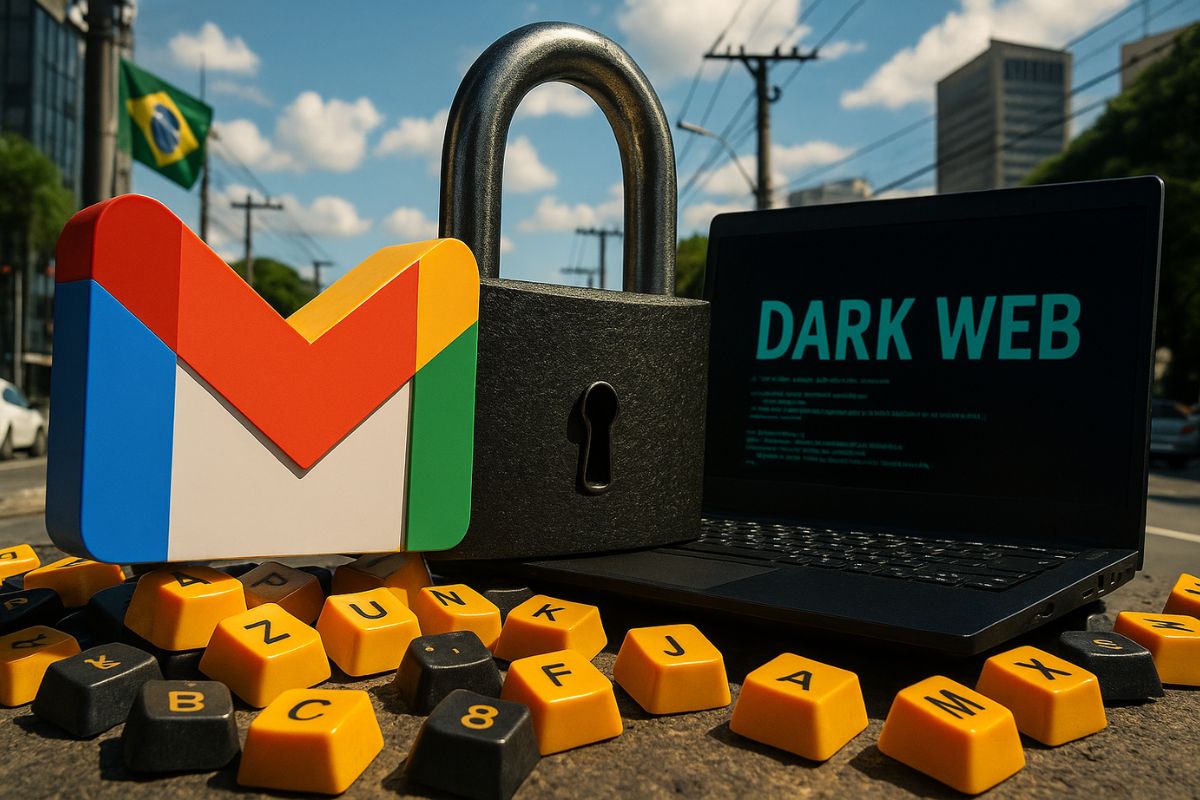
One of the Largest Data Breaches in History Exposed Gmail, Yahoo, and Outlook Passwords on the Dark Web, Endangering Millions of Users and Revealing the Fragility of Digital Protections
More than 180 million Gmail and other providers’ passwords were exposed in a global megabreach that is being considered one of the largest of the digital age. According to experts, 3.5 terabytes of personal information have been put up for sale on the dark web, compromising email accounts, reused passwords, and even access linked to popular services like Netflix and Amazon.
The disclosure of the material, identified by cybersecurity researchers on hacker forums, underscores the urgency of preventive measures among ordinary users. Changing the password immediately and enabling two-factor authentication are basic steps to reduce the risks of invasion and digital identity theft.
Origin of the Megabreach and the Scale of the Attack
According to technical analyses, the data began circulating in April 2025, but have only now been confirmed as part of a massive breach involving multiple global providers.
-
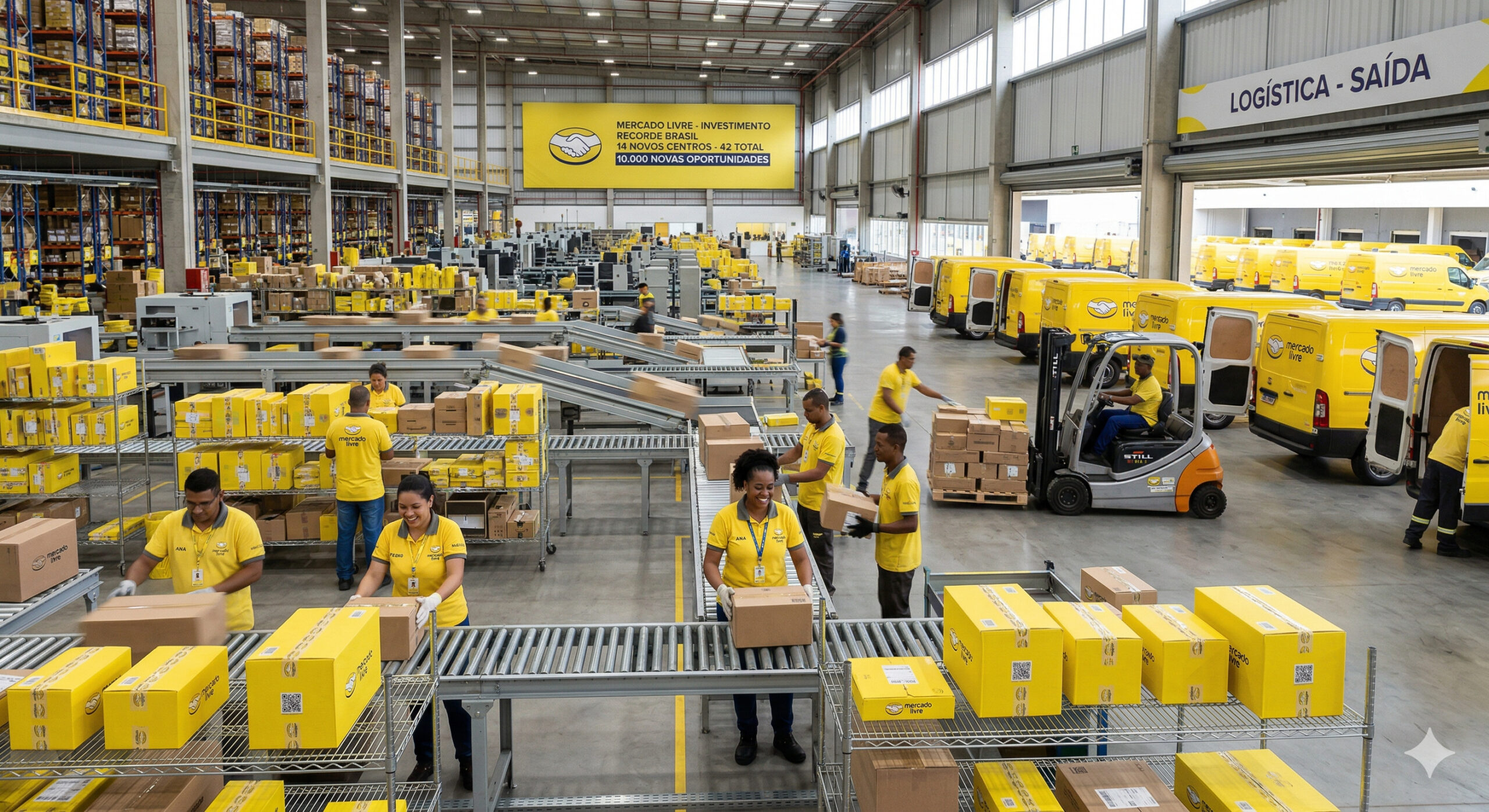
Mercado Livre “opens the vault” and announces a record investment of R$ 57 billion in Brazil in 2026, a value 50% higher than the previous year, with an expansion plan that includes 14 new logistics centers, totaling 42 units in the country and hiring an additional 10,000 employees.
-
How investment in technology can revolutionize the national economy and enhance industrial gains, according to a study that highlights the direct impact on productivity, innovation, and wealth retention within Brazil.

-
The largest food company on the planet, JBS, has just opened a 4,000 square meter laboratory in Florianópolis to develop customized proteins that modulate muscle mass gain, immune response, and metabolic performance.

-
After nearly 30 bids and competition among industry giants, a Spanish company purchases one of the largest airports in Brazil for almost R$ 3 billion and takes over the management of Galeão in a concession that will last until 2039.


The credentials include logins from Gmail, Yahoo, Outlook, and other widely used email services, which expands the reach and severity of the incident.
Security expert Troy Hunt, creator of the Have I Been Pwned website, highlighted that Gmail prominently appears on the lists of leaked passwords.
“All the major providers are in the database, but Gmail is the most recurring,” he explained.
The records found show that part of the data came from previous attacks, now gathered in a single database sold on the dark web.
How to Know If Your Gmail Passwords Have Been Compromised
Users can check if their Gmail passwords have been compromised by accessing the Have I Been Pwned website, a free tool that allows checking if an email was involved in any known breach.
If the address is among the affected, immediate password change is essential, along with enabling 2FA (two-factor authentication).
Additionally, experts warn about the danger of reusing the same password across different platforms, a common practice that increases the risk of chain invasions.
If the email is also used for accounts on services such as Amazon, eBay, or Netflix, the likelihood of unauthorized access increases significantly.
Impacts and the Alert About Global Digital Security
The case highlights the vulnerability of the so-called “cloud,” which concentrates sensitive information from billions of people and companies.
Large-scale breaches show that digital protection still relies more on user behavior than on technology itself.
Strong passwords, multiple authentications, and constant monitoring of credentials are actions that reduce potential damage.
For companies, the episode reinforces the need for strict security policies and internal awareness.
Experts highlight that the weakest link in the digital chain remains the human being, especially in corporate environments where the same login is used for multiple systems.
What This Megabreach Reveals About the Future of Online Privacy
More than an isolated episode, the leak of Gmail passwords symbolizes a global trend: the commercialization of personal data as a valuable asset in the digital underworld.
Each new exposure feeds a billion-dollar underground economy and challenges governments and companies to reassess security and privacy protocols.
According to experts, user awareness will be the main line of defense in the coming years.
The use of unique passwords, credential managers, and biometric authentication should become standard for those who want to maintain control over their digital identity.
And you, have you checked if your email is among those affected by this megabreach? Let us know in the comments if you typically use different passwords for each service or still reuse the same password across multiple sites.









Seja o primeiro a reagir!