





 Portuguese
  English
  Spanish
  4 min of reading
  0 comments


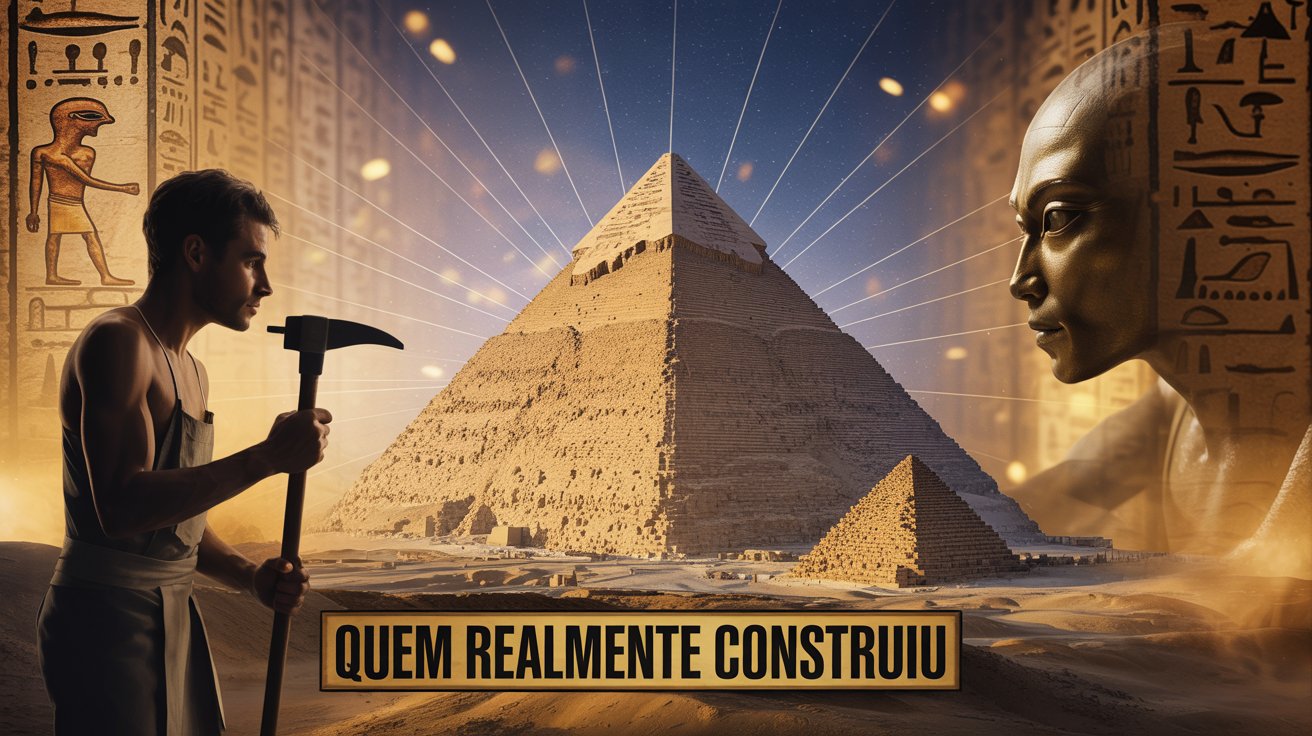
Recent Discoveries Challenged Old Beliefs About The Origin Of The Egyptian Pyramids, Revealing Surprising Details About Who Really Was Responsible For Building One Of The Greatest Monuments In The History Of Humanity.
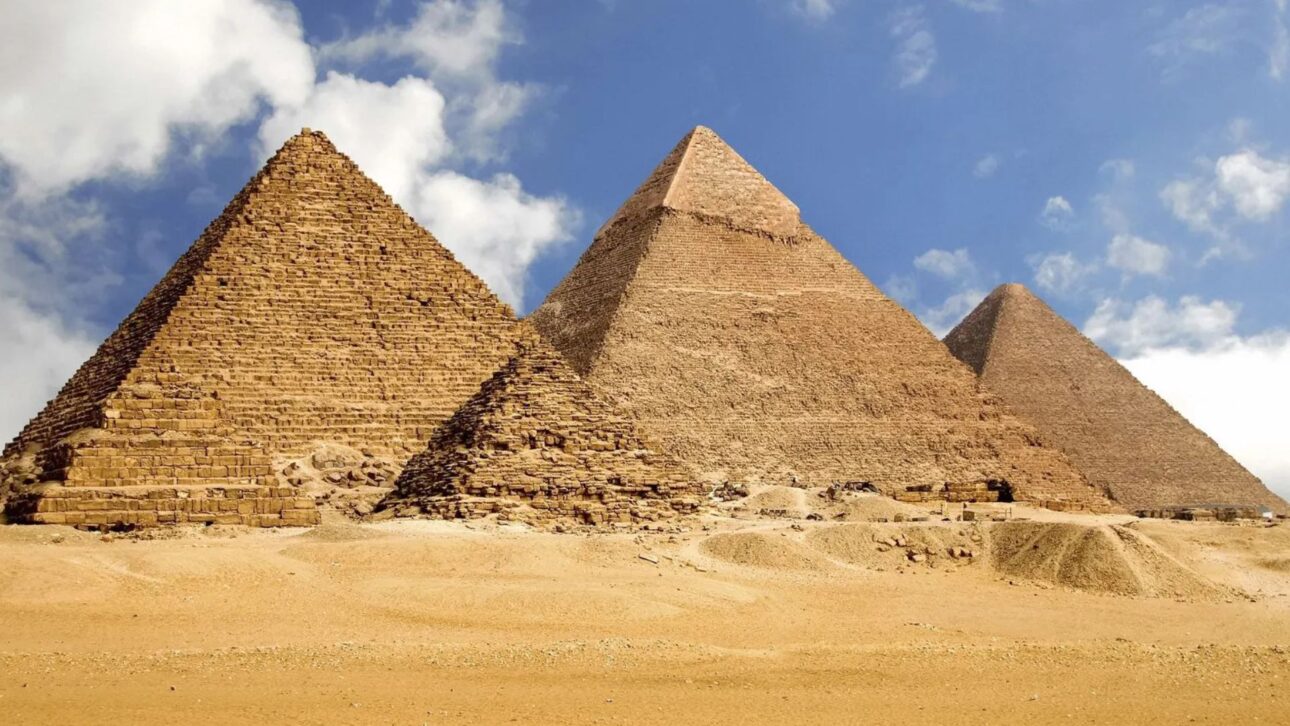
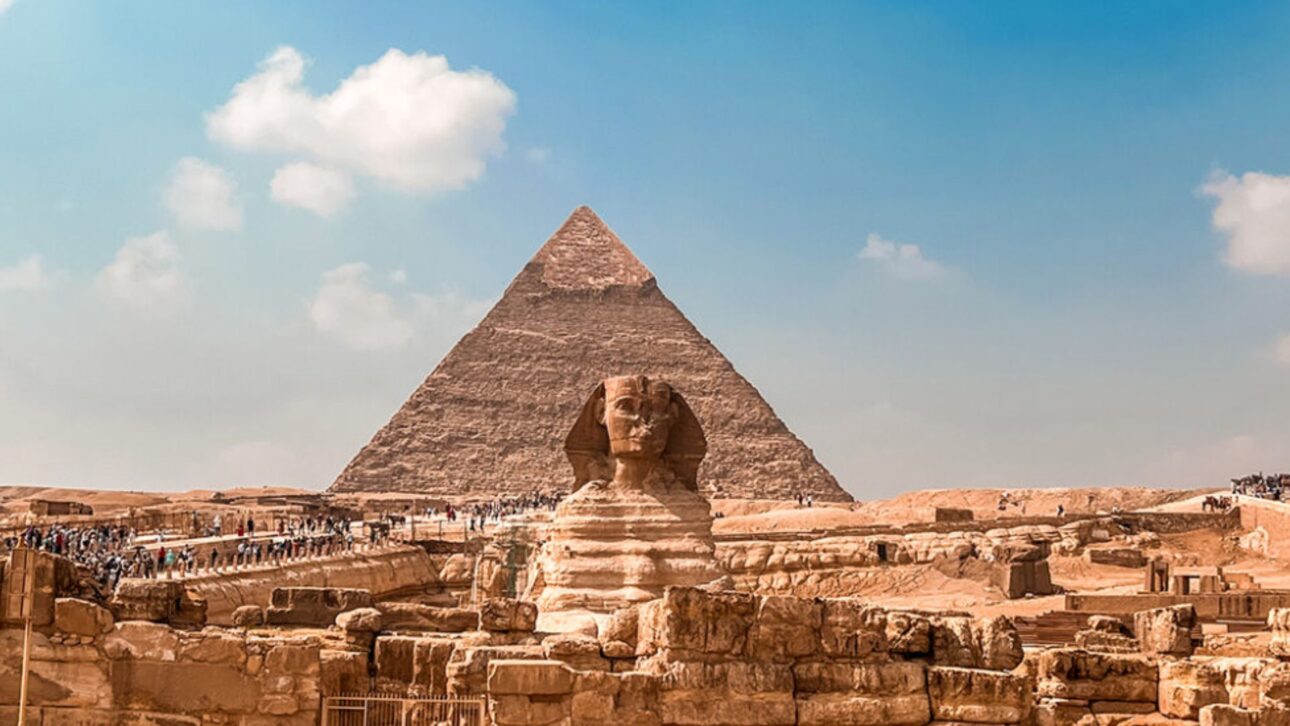
The Egyptian pyramids, especially the monumental structures of Giza, have always sparked fascination and a series of questions throughout history.
For centuries, numerous theories have attempted to explain who the true builders of these architectural complexes might be.
Among the most circulated hypotheses is the involvement of aliens and the belief that the pyramids were built by slaves, a thesis once defended by some scholars of the past.
-
He started running at 66 years old, broke records at 82, and is now a subject of study for having a metabolic age comparable to that of a 20-year-old, in a case that is intriguing scientists and inspiring the world.

-
Oldest tree on the planet reappears after 130 years of searches: Wattieza, 385 million years old, was 10 meters tall and had no leaves or seeds; Gilboa fossils in New York solved the mystery in 2007.

-
A 48-square-meter house assembled in hours with 4,000 bricks made of recycled plastic that does not absorb moisture, has natural thermal insulation, and costs less than 90,000 reais in a complete kit.

-
Luciano Hang revealed that Havan’s air fleet has already accumulated more than 20,000 landings, 10,000 flight hours, and 6 million kilometers traveled, and he says that without the planes, the company would never have grown so quickly.


However, evidence discovered in recent decades has completely changed the perspective on the subject and provided concrete answers to the central question: after all, who built the Egyptian pyramids?
According to recent research led by renowned Egyptologists like Zahi Hawass, the builders of the Egyptian pyramids were free, paid, and skilled workers, not slaves or extraterrestrials.


Archaeological Discoveries And Historical Myths
Investigations conducted around the Great Pyramid of Giza revealed important archaeological sites, including cemeteries and remnants of entire towns dedicated to the workers.
Marks and inscriptions carved into stone blocks, dated to over 4,500 years ago, provided details about the daily lives of these people, indicating work routines, methods of transporting stones, and the organization of teams.
These historical records indicate that workers were compensated with food such as dates, vegetables, poultry, meat, and textiles, highly valued items in Ancient Egypt.
The absence of currency at that time made food and textiles the primary payment for services rendered.
Moreover, excavations conducted by teams led by Zahi Hawass found graves near the Giza pyramids, where builders and their families were interred.
These burials occurred in privileged locations, in the shadows of the pyramids themselves, with carefully prepared tombs, which, according to experts, would be incompatible with the condition of slavery.
Workers’ City And Social Organization
Archaeological studies demonstrate that there was a true workers’ city near the pyramids.
This community featured areas dedicated to food trade, dormitories, medical care stations, and social spaces.
Examinations of bones and traces of medical utensils suggest that these workers received health care and treatment for possible injuries resulting from daily activities.
According to Mark Lehner, director of the Ancient Egypt Research Associates, some high-ranking workers may even have been rewarded with land, although there is still no definitive proof of this practice.
What is known, based on excavations, is that these workers performed specialized functions in an environment that valued skilled labor.
Techniques Of Construction Of The Egyptian Pyramids
The construction of the pyramids involved innovative techniques for the time.
The records found, mainly on the walls of the so-called King’s Chamber, illustrate the use of mud and rubble ramps to transport the immense stone blocks to the necessary heights.
The drawings and texts left by the workers themselves explain the use of rudimentary yet efficient tools to cut, transport, and fit the stones, contributing to advancements in engineering knowledge.
It is estimated that the Great Pyramid of Giza, built to be the tomb of Pharaoh Khufu and his family, contains approximately two million stone blocks, each weighing on average over two tons.
The planning, logistics, and mobilization of labor to erect such a monument demonstrate the administrative sophistication of Ancient Egypt and a high degree of social organization.
Free Workers: The Truth About Who Built The Pyramids
Based on the latest archaeological evidence, the idea that the Egyptian pyramids were erected by slaves has been refuted by specialists in Egyptology.
The findings, including inscriptions, tombs, and the infrastructure of workers’ cities, reinforce that the builders were free citizens, respected in their time, with access to quality food and even medical treatment.
According to Egyptologist Zahi Hawass’s statement to the podcast Limitless, “if they were slaves, they would not have been buried in the shadows of the pyramids with tombs prepared for eternity”.
It is important to note that the archaeological site of the builders’ cities has remained closed to the public for years, in order to preserve the heritage and allow for ongoing research.
The restriction on access also aims to ensure that new discoveries can be made without compromising the historical collection.
Curiosities And Frequently Asked Questions About The Egyptian Pyramids
The construction of the pyramids continues to inspire questions: how many workers participated in the projects?
How was it possible to erect such precise structures over four thousand years ago?
Research suggests that around 20,000 to 30,000 workers operated in shifts, rotating throughout the year, which allowed for the project to be completed in about 20 years.
Another common question involves the use of the pyramids: their main purpose was to serve as funerary monuments for the pharaohs, as well as to demonstrate political power, technical knowledge, and connection to the divine.
Today, the Giza pyramids remain one of Egypt’s main tourist destinations and one of humanity’s greatest symbols.
Given so many discoveries, the answer to the title question is clear: it was neither aliens nor slaves, but instead free, skilled, and well-organized workers who left an immortal legacy for humanity.
The question remains: what else might the sands of Egypt reveal about the builders of the pyramids?







-

-

3 pessoas reagiram a isso.