





 Portuguese
  English
  Spanish
  3 min of reading
  0 comments


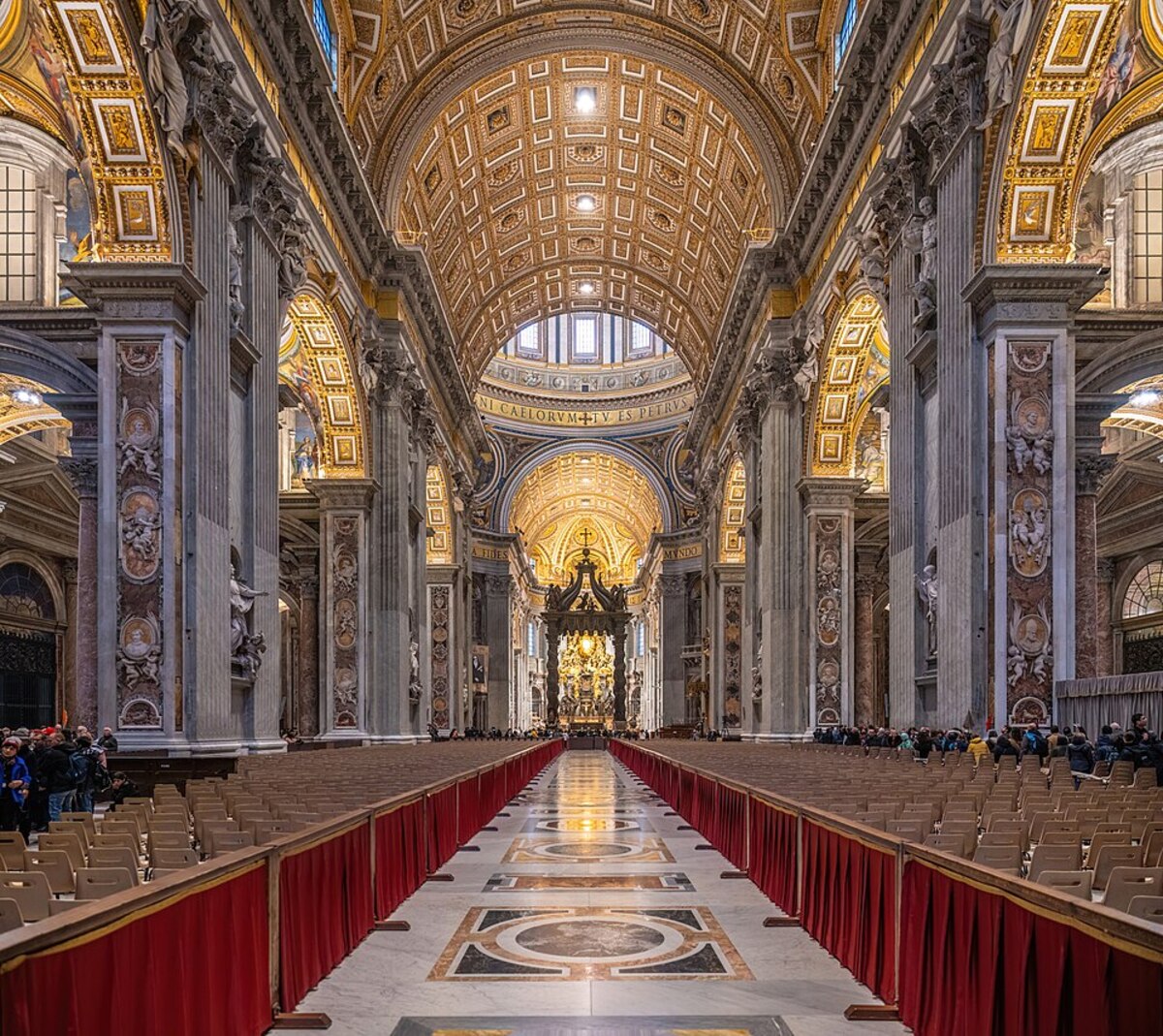
In 1978, Brazilian Archbishop Aloísio Lorscheider Refused to Become Pope After Reaching Sufficient Votes in the Conclave That Elected John Paul II — A Decision That Changed the Course of the Catholic Church
The white smoke appeared in Vatican City in 1978 following the sudden death of John Paul I. It was the sign of the election of a new pope. At that moment, a Brazilian was very close to being the chosen one. Archbishop Aloísio Lorscheider of Fortaleza received enough votes to assume the position. But he refused, in one of the most striking episodes in the recent history of the Catholic Church.
The Conclave After the Death of John Paul I
The year 1978 was marked by a rapid succession in the leadership of the Church. John Paul I passed away just 33 days after taking the papacy.
This forced a new conclave. Among the names considered, Brazilian Archbishop Aloísio Lorscheider stood out. According to reports, he managed to obtain two-thirds of the votes, a sufficient number to be elected pope.
-
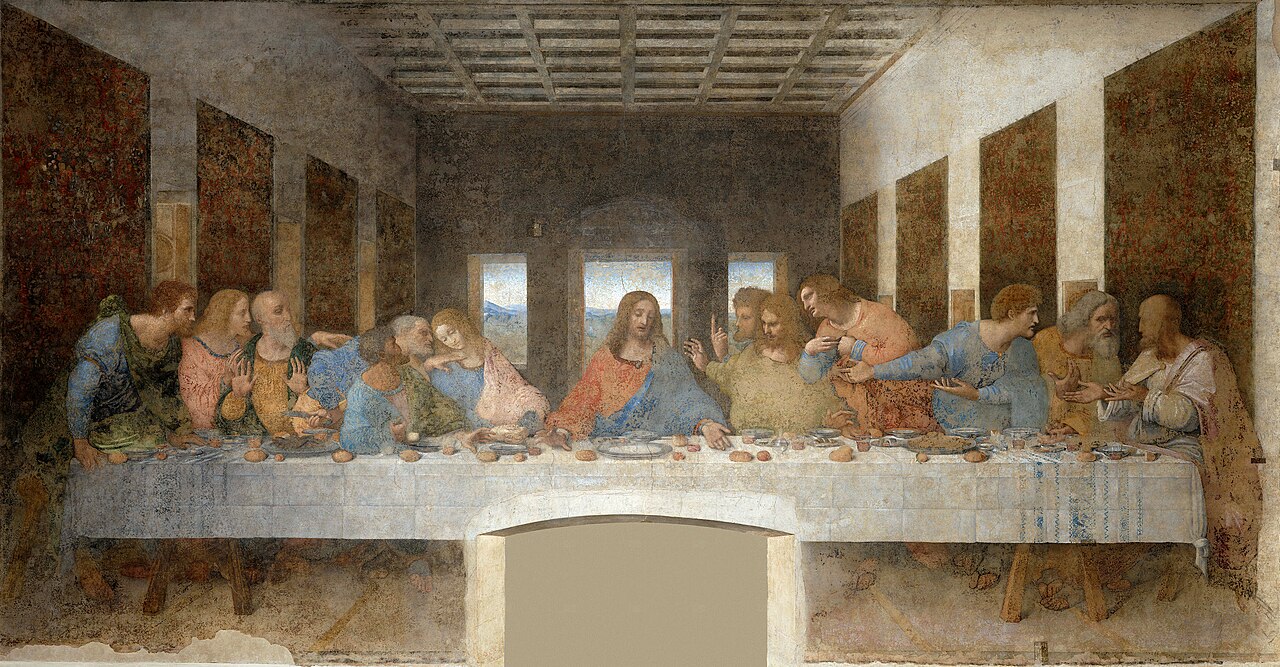
Hidden marks on the walls of the site associated with the Last Supper of Jesus for centuries have been deciphered in Jerusalem, revealing medieval inscriptions left by pilgrims, European nobles, and travelers from the Middle East.
-
One of the most important lakes in the United States for birds, the balance of nature, and the climate has dried to historic levels, leaving boats stranded, revealing salt flats, and showing how the lack of water can transform an entire landscape.

-
It’s not Cristiano Ronaldo or Messi: the richest football player in the world is only 27 years old, has a fortune of 100 billion reais, and is the nephew of a sultan from an Asian country that few people know about.

-
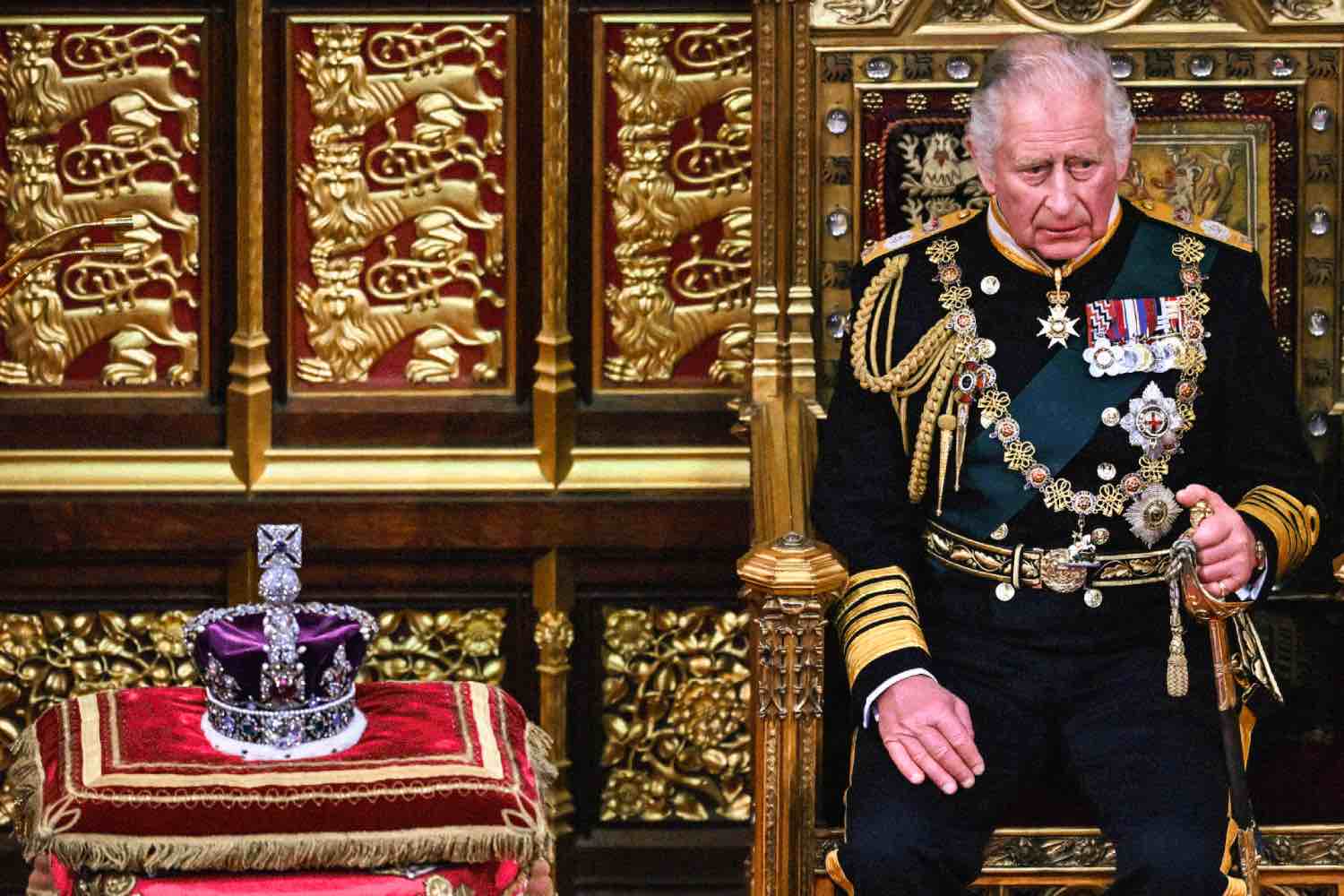
At 77, the king of one of the most famous and powerful crowns on the planet is said to be under pressure to leave the throne, while behind the scenes there are already talks of a new coronation that could cost R$ 260 million.
When asked if he would accept the position, Archbishop Aloísio refused. He cited health problems. The cardinal had eight bypasses and feared he would not be able to handle the physical and emotional demands of the papacy.
The Decisive Role of Lorscheider
The Brazilian’s refusal created an impasse among the cardinals. To overcome the division, Archbishop Aloísio began to mobilize colleagues from Latin America and Africa.
Together, they helped build a consensus around the name of Karol Wojtyla, then Archbishop of Krakow, Poland. He was the one who was ultimately elected, taking the name John Paul II. His papacy would last 26 years.
The episode was reported by Tad Szulc in the book “Pope John Paul II – The Biography.” For the journalist, Lorscheider’s refusal played a decisive role in the choice of Wojtyla.
The Trajectory of the Brazilian Cardinal
Born in the city of Estrela in Rio Grande do Sul, Archbishop Aloísio Lorscheider built a solid career in the Church. He was Archbishop of Fortaleza and Aparecida. He also presided over the National Conference of Bishops of Brazil (CNBB) and the Latin American Episcopal Council. In 1976, he was appointed cardinal by Pope Paul VI.
Even with declining health, he continued to serve until the last years of his life. He died in Porto Alegre on December 23, 2007, at the age of 83.
The Brazilian Presence in the 2025 Conclave
Currently, Brazil continues to have a strong presence in the Vatican. In the 2025 conclave, seven Brazilian cardinals participated in the election of the new pope. Among them is Archbishop Sergio da Rocha of Salvador da Bahia.
His name was mentioned among the favorites. But when asked about the possibility of taking on the position, Archbishop Sergio said that the choice is “in God’s hands.”
Brazil Is Still Awaiting a Pope
Despite the importance of the Church in Brazil, the country has never had a pope. Several factors explain this. One of them is the historical strength of Europe in the selection of pontiffs.
Another is the conservative view of part of the college of cardinals. In addition, there is a perception that the political and social context in Latin America poses unique challenges.
Archbishop Aloísio is a symbol of this dilemma. He had votes, had support, but refused. His decision, however, helped to guide the Church to one of the longest-lasting papacies in history.
Today, Brazilian cardinals remain influential and represent the hope for change.
With information from Xataka.








Seja o primeiro a reagir!