





 Portuguese
  English
  Spanish
  3 min of reading
  0 comments


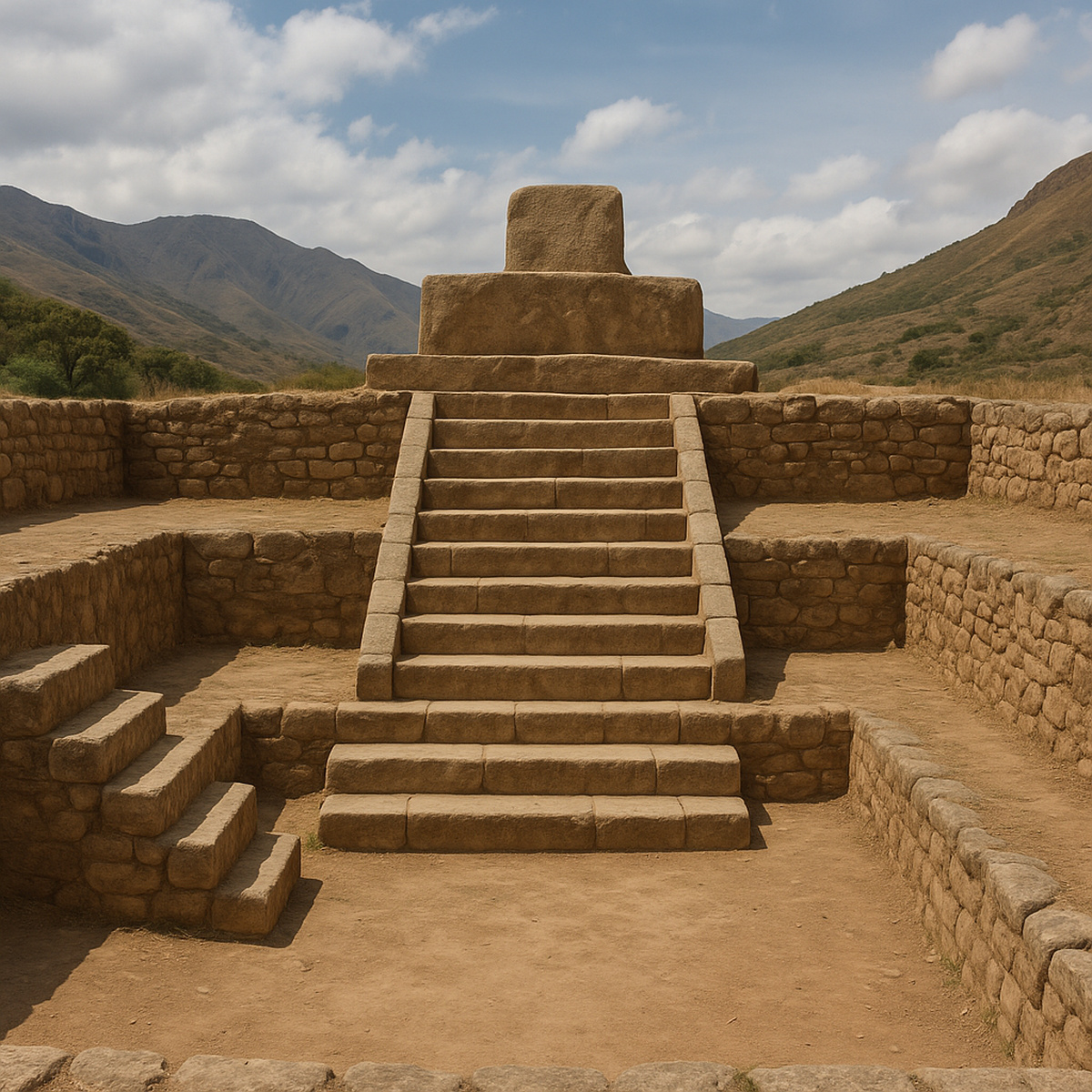
Monumental Structures in Campanayuq Rumi Reveal Cultural Importance and Demand Immediate Preservation
A significant archaeological discovery was made in 2024, in Peru, attracting international attention.
Two monumental staircases and a stone altar, dating back over 3,000 years, were found at the Campanayuq Rumi site in Ayacucho.
Furthermore, the revelation confirms the importance of the Andean Formative Period (2000 BC – 200 BC), when societies already demonstrated complex organization.
-
Worlds covered by water, atmospheres filled with hydrogen, and the possibility of life beyond Earth: ocean planets are rewriting the map of cosmic search and forcing scientists to rethink where to look.

-
Argentina achieves the unimaginable after more than 110 years and reintroduces the largest native herbivore of South America to the Chaco to restore a lost link in nature.
-
Returning to the Moon now costs a billion-dollar bill and reignites the competition between the USA and China for science, technology, and rare minerals on lunar soil.

-
While the world looks at oil, the war with Iran is already disrupting helium supply from Qatar, affecting car and iPhone chips, threatening AI expansion, and putting pressure on aluminum packaging at the highest value in four years.


Structures That Reveal Spirituality and Collective Power
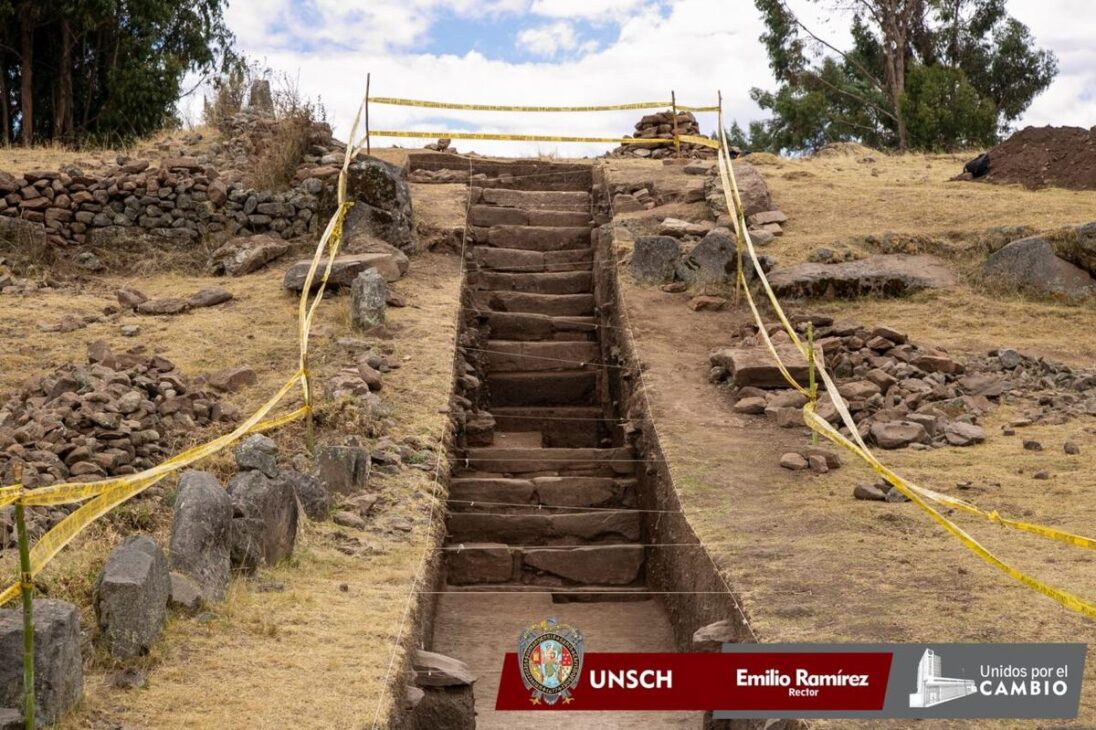
The excavation, led by Yuri Cavero Palomino and supported by Japanese Yuichi Matsumoto, revealed two stone-carved staircases and a central altar.
One of the structures measures four meters tall and has ten steps. Thus, the set reinforces that the space had both religious and social functions.
In the center of a lowered square plaza rests the altar, likely used for community religious rituals. Therefore, it is evident that the architecture was not only aesthetic but also spiritual.
According to Cavero, the shape resembles the Chavín de Huántar complex, located over 600 kilometers away. Thus, the find suggests deep cultural interconnections as early as 1000 BC.
Evidence of Cultural Contacts
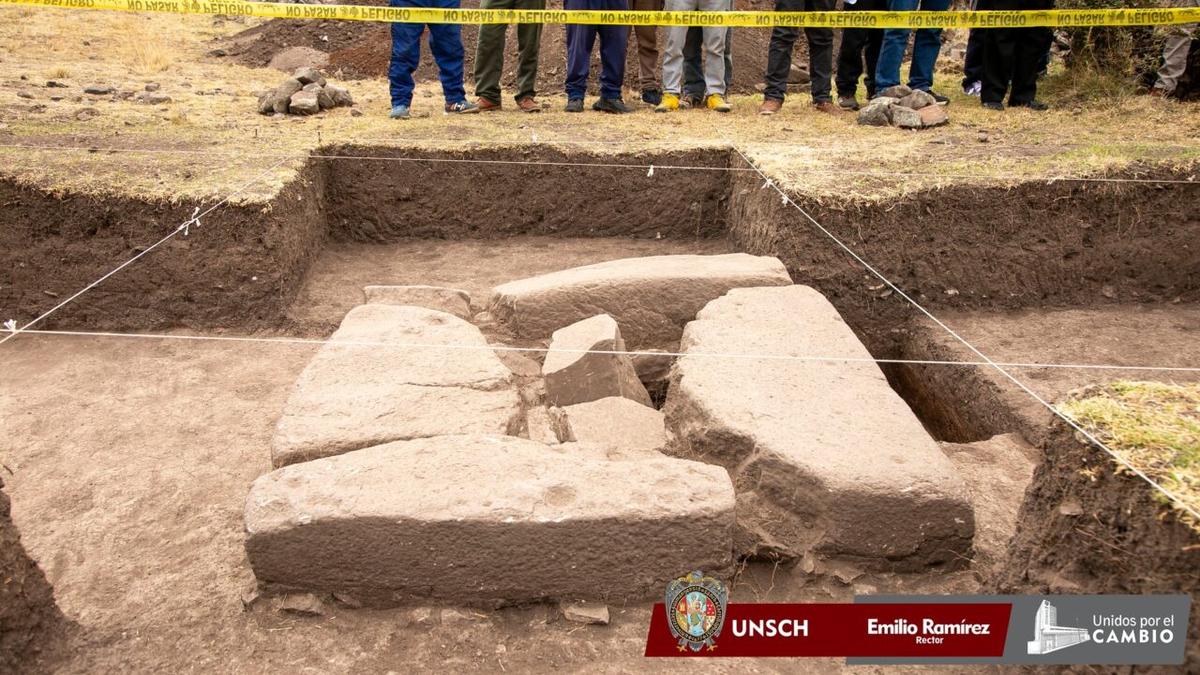
Research indicates that Campanayuq Rumi was not an isolated space.
Evidence shows contacts with Chavín and Paracas cultures, as well as the circulation of obsidian.
Consequently, the site confirms itself as a crucial link in Andean commercial and religious networks.
Thus, experts emphasize that hierarchical and complex societies were already thriving in the Andes long before the Inca Empire.
Therefore, the discovery expands the understanding of the continent’s cultural formation.
Preservation as an Urgent Priority
Despite its historical value, the site faces risks of deterioration.
Cavero made a public appeal in 2024 to the Ministry of Culture and the local population to protect Campanayuq Rumi.
However, according to him, there is still no comprehensive conservation plan.
Among the suggested measures are:
- Structural protection of the ruins against natural wear
- Proper educational signage for visitors
- Accessibility to the archaeological site for the population
- Promotion of responsible and sustainable tourism
Thus, experts reinforce that preserving Campanayuq Rumi is also preserving the cultural identity of Ayacucho.
Moreover, its enhancement can generate economic and social opportunities for the entire region.
International Support and Training of New Archaeologists
The research received funding from the Japanese government through the Society for the Promotion of Science. Additionally, it involved students from National University of San Marcos, National University of San Cristóbal de Huamanga, and Pontifical Catholic University of Peru (PUCP).
Thus, young researchers had direct contact with stones carved millennia ago. For many, the experience was more than academic. It was a spiritual immersion into the legacies of their ancestors.
The Future of Campanayuq Rumi
According to experts, Campanayuq Rumi could become an international archaeological tourism hub if preserved properly.
Moreover, Ayacucho and Peru could consolidate their image as heirs of millennial traditions.
Every step of the staircases and every stone of the altar tell stories that span centuries.
Therefore, the discovery confirms that the Andes already housed complex societies even before the Incas.
However, the future of the site depends on investments, preservation, and collective awareness. If protected, Campanayuq Rumi could become a symbol of pride and cultural development for Peru.






Seja o primeiro a reagir!