





 Portuguese
  English
  Spanish
  3 min of reading
  0 comments


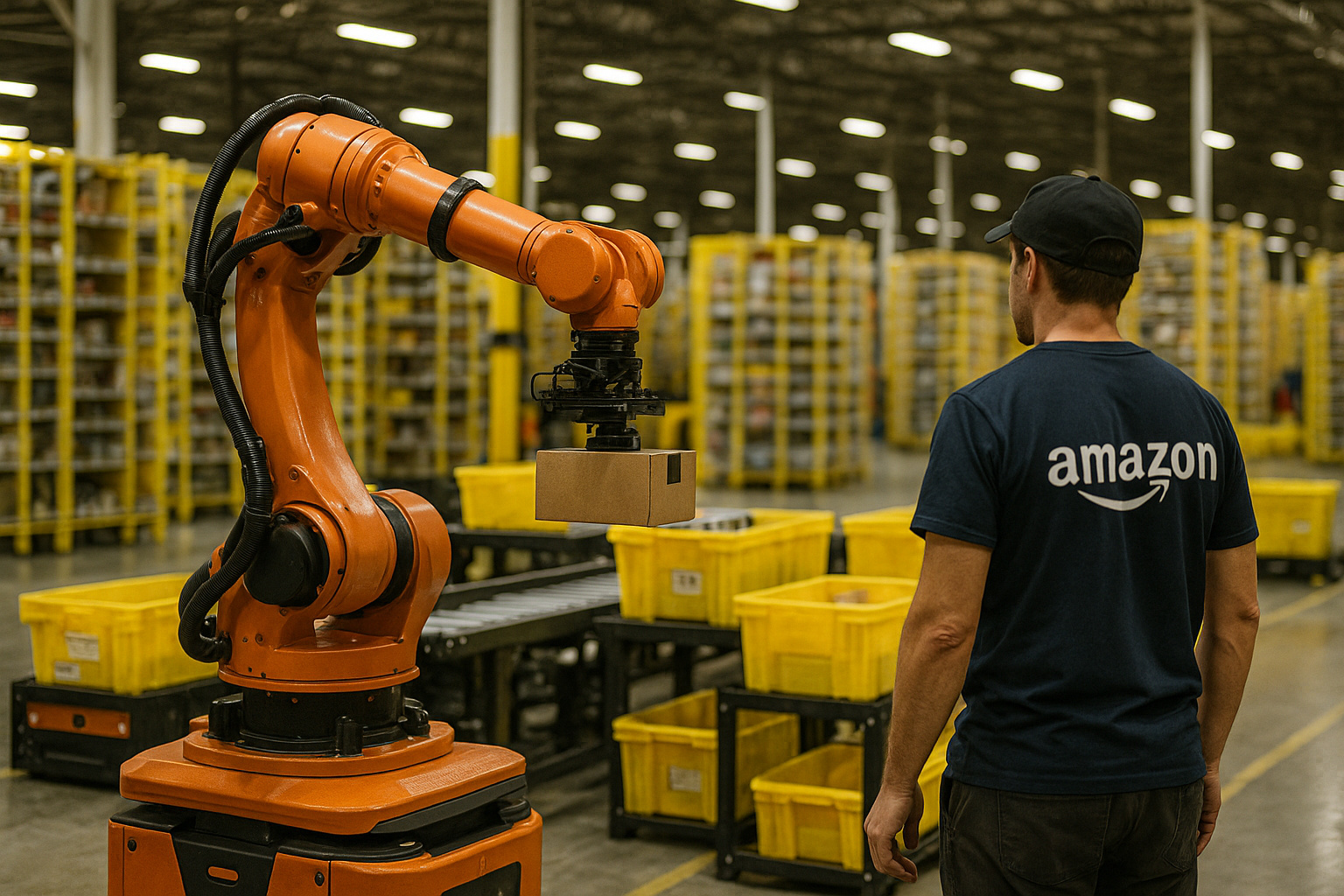
Company Invests in Automation to Reduce Costs and Accelerate Large-Scale Deliveries
Over the past two decades, Amazon has transformed the U.S. labor market.
The company has combined technology, scale, and speed into a model that has redefined modern logistics.
Founded by Jeff Bezos in 1994, the company established gigantic distribution centers and integrated invisible supervisory algorithms into nearly every step of its operations.
Since then, the giant has evolved from a simple e-commerce platform to a logistics empire.
There are hundreds of thousands of contracted drivers and millions of daily deliveries.
-
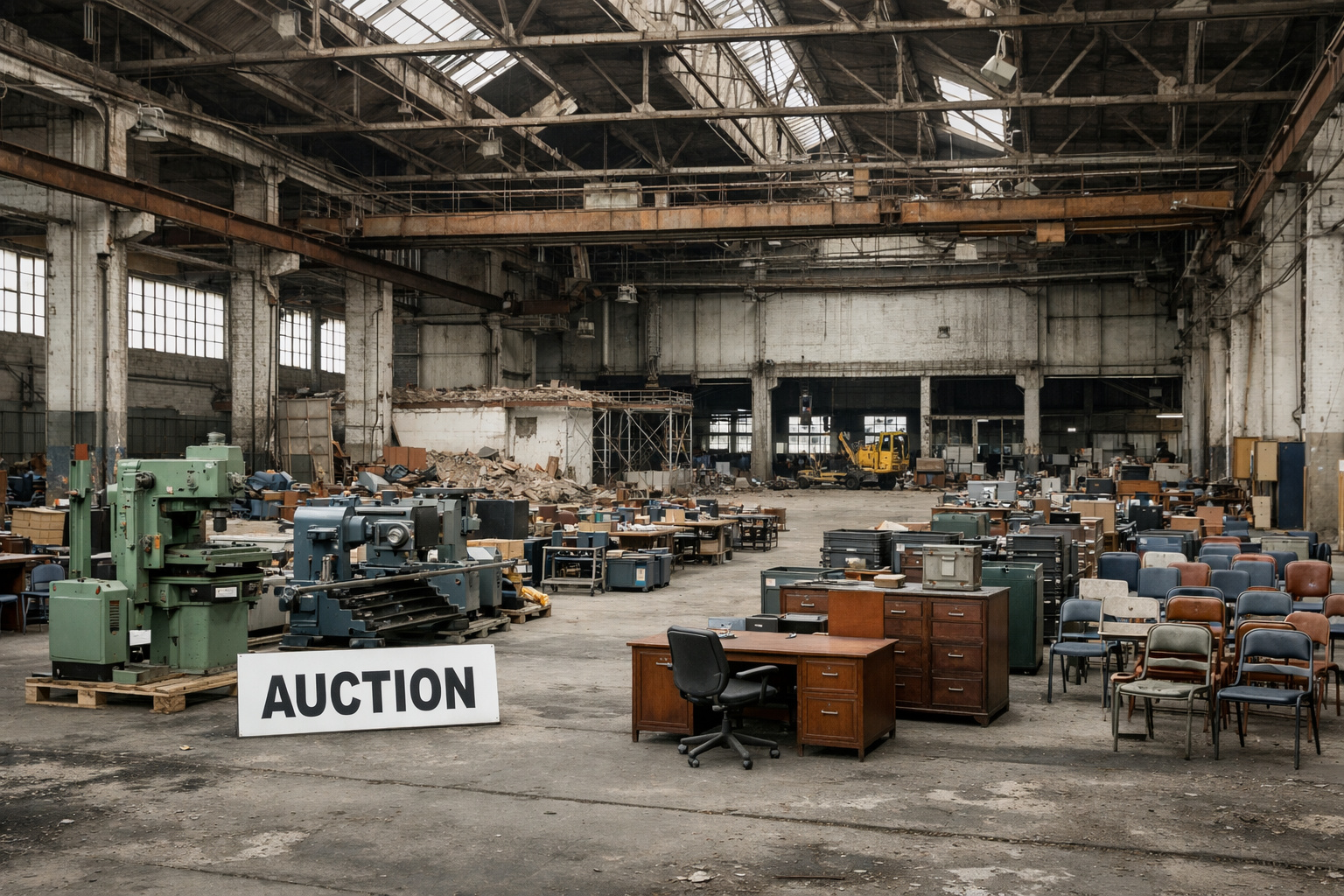
Historic bankruptcy of Centauro shocks the market, and the century-old company puts more than 500,000 products, machines, and complete infrastructure up for online auction.
-
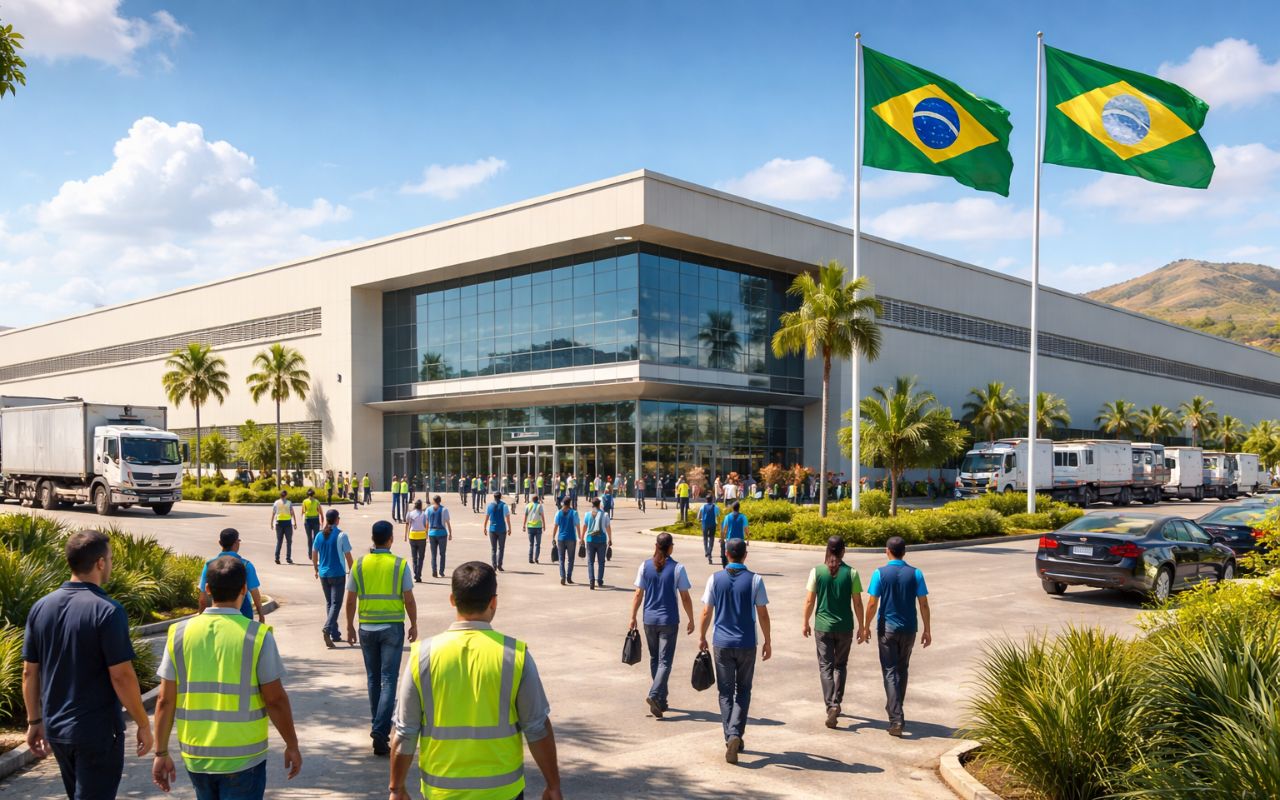
New shoe factory in Ceará is expected to create 400 jobs and strengthen the local economy.
-
No one imagined it, but a mixture of sawdust with a mineral that fights fires surprises scientists with a result that changes the course of fire-resistant construction.

-
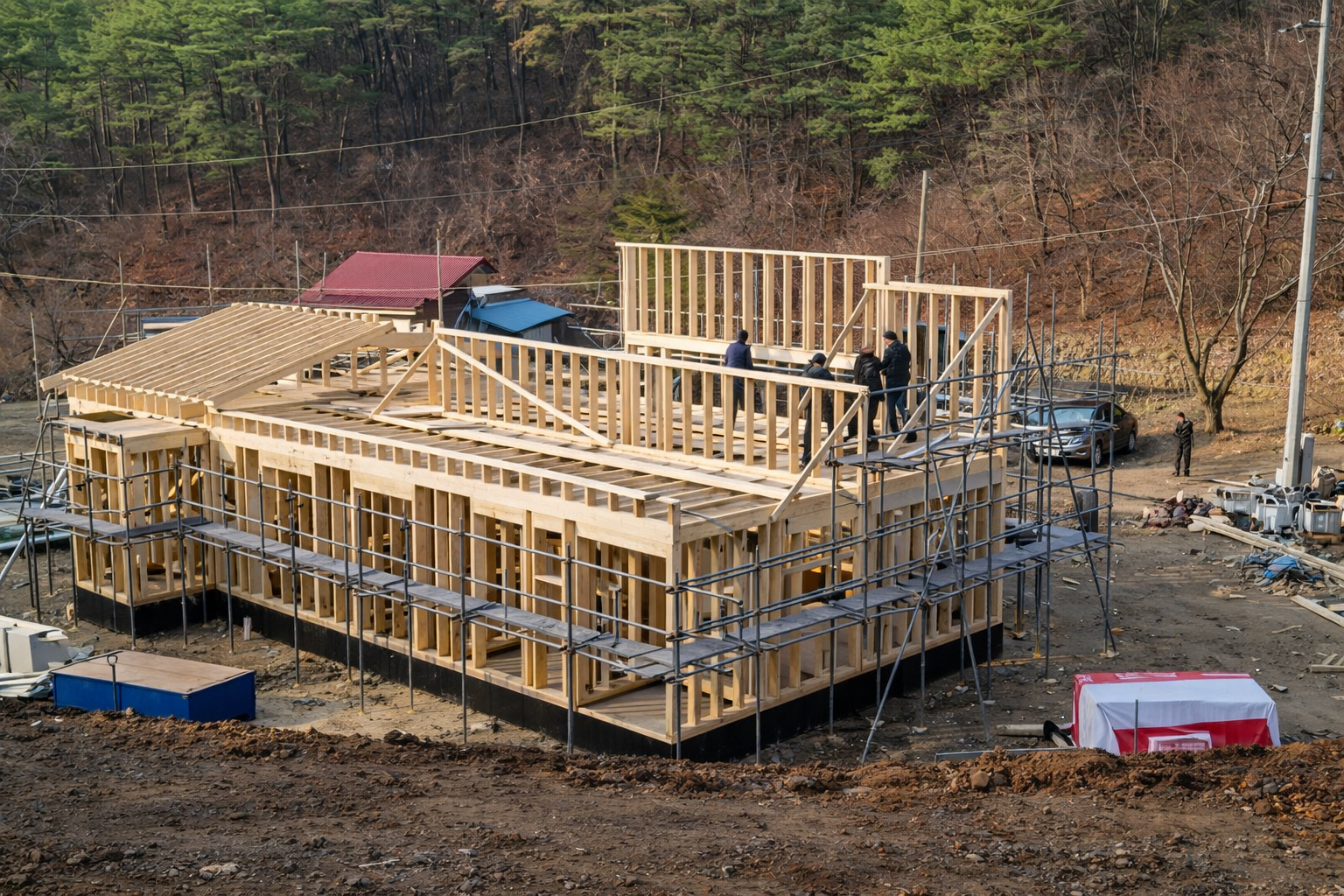
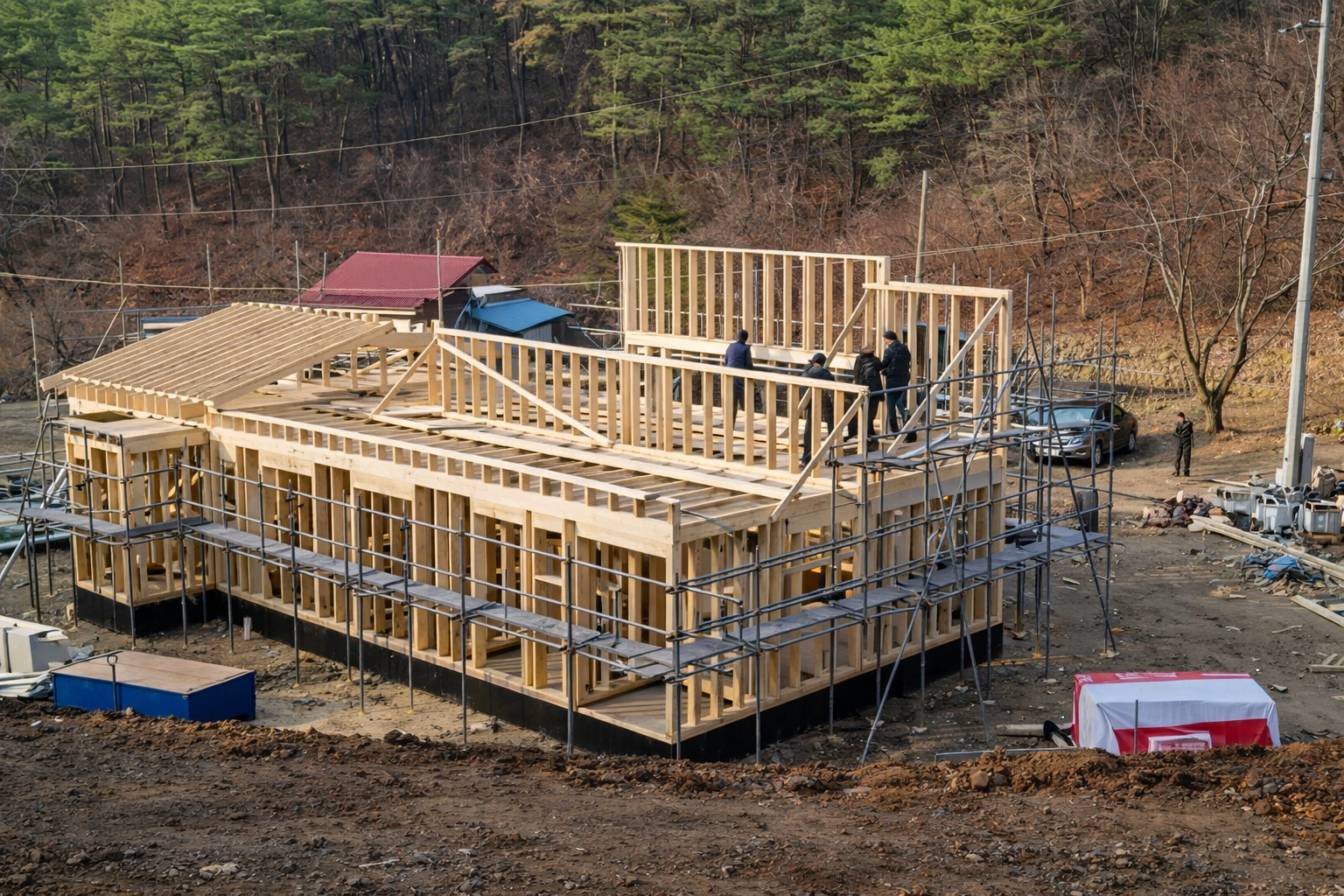
From empty land to a high-end house, wooden construction uses a lightweight system, metal structure for the foundation, ventilated ceramic cladding, and special windows to create an efficient and comfortable living space throughout the year.
However, according to documents obtained by The New York Times in April 2025, the next disruption may come from within the company itself — and quietly.
The Largest Internal Transformation Since Its Foundation
Amazon executives believe they are about to take the most radical step in their history.
The plan is to automate up to 75% of their logistics operations and replace over 500,000 human jobs with smart robots.
Internal reports released in May 2025 indicate that it will be possible to avoid hiring 160,000 workers by 2027.
In other times, these positions would have been indispensable for the growth of the Prime program and the maintenance of fast deliveries.
The total number of Amazon employees in the United States surpassed 1.2 million in 2023, almost triple the number recorded in 2018.
However, experts warn that the new strategy could reverse this trend.
It reinforces a new paradigm, where machines take over tasks previously performed by humans, reducing costs and increasing efficiency.
Robots Take Control of the Warehouses
In recent years, Amazon has been testing almost fully automated warehouses.
There, robots with computer vision and articulated arms perform tasks such as sorting, packing, and organizing on smart shelves.
In February 2025, company engineers stated that the systems can adapt movements in real-time, which has decreased logistical errors by up to 40%.
This trajectory began in 2012, with the acquisition of the robot manufacturer Kiva Systems.
Since then, the company has become the largest private logistics automation laboratory in the world.
Currently, according to the Boston Robotics Research Institute, Amazon operates over 750,000 robots in its distribution centers.
This number is growing faster than the total number of human hires since 2021.
Accelerated Growth and Impact on Employment
Large-scale automation promises to reduce costs and increase delivery speed, reinforcing Amazon’s main pillars of competitiveness.
However, technological advancement raises social and political concerns.
The company is the second largest private employer in the United States, behind only Walmart.
Its jobs are criticized for rigorous working conditions but praised for economic stability in underserved regions.
Experts from the Massachusetts Institute of Technology (MIT) and Stanford University state that the impact of automation will be profound and gradual.
The effects will concentrate on low-skill positions, altering the balance between efficiency and social inclusion.
Even so, they estimate that mass replacement will redefine the future of the global logistics sector, posing unprecedented ethical and economic challenges.
A Future Dominated by Machines?
Although Amazon claims that automation will create new jobs in engineering, maintenance, and system control, doubts remain.
The transition to a primarily robotic workforce raises an inevitable question:
To what extent does innovation justify the human cost of progress?









Seja o primeiro a reagir!