





 Portuguese
  English
  Spanish
  6 min of reading
  0 comments


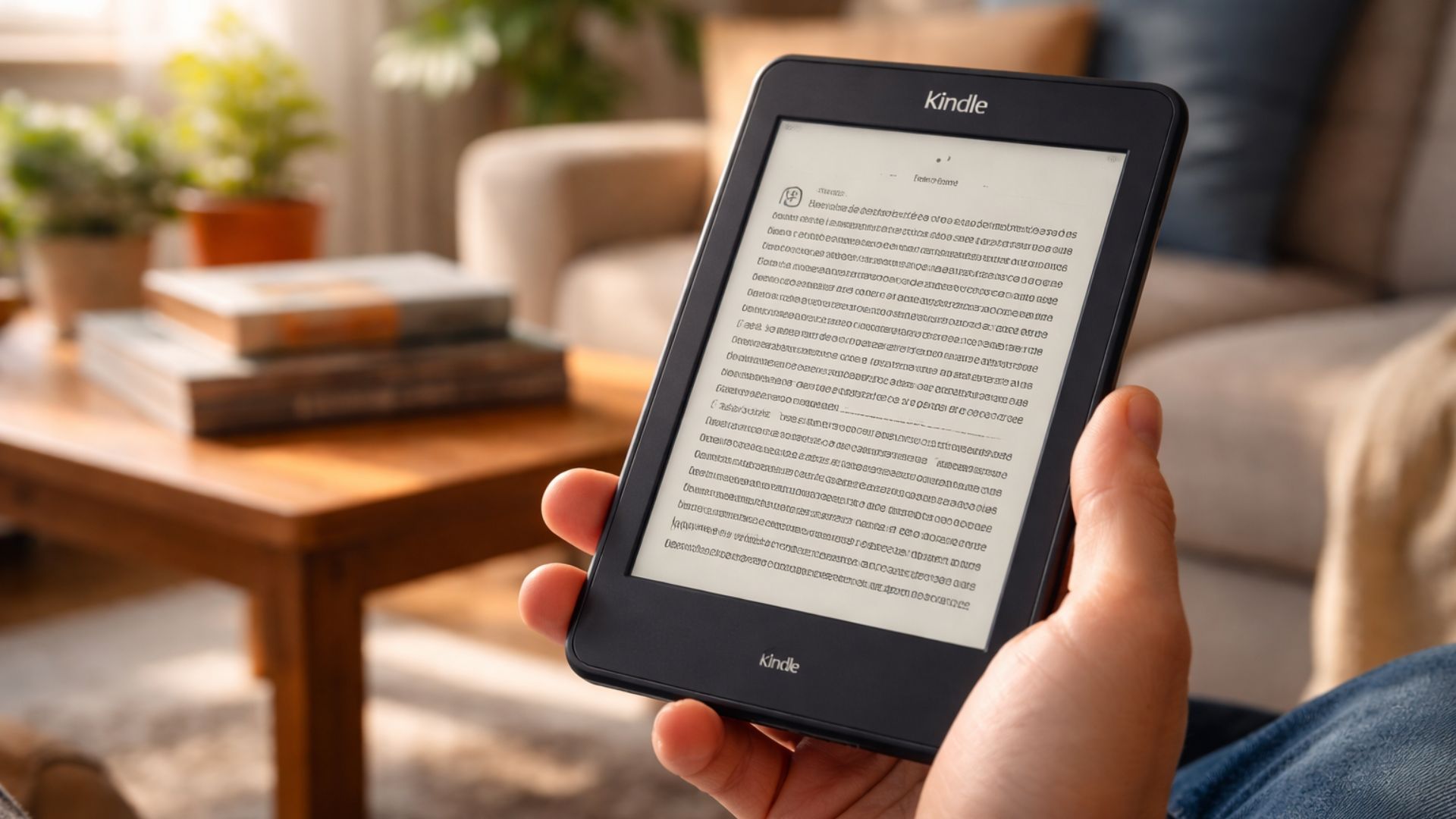
Understand how Amazon is leading the discontinuation of old Kindles, what changes in access to digital books, and what alternatives allow continued use of the device without having to change now.
Amazon has initiated a process that has been expected in the technology sector: the gradual discontinuation of functionalities in old Kindles, especially models released until 2012. The change will take effect on May 20 and directly alters how many users access their digital books.
In practice, these devices will not stop functioning. What changes is the experience. After this date, on some devices, it will no longer be possible to purchase or download new titles directly on the device, limiting usage to content already stored. Still, there is an effective alternative that allows keeping the old Kindles active, avoiding the immediate need for replacement.
Amazon redefines the use of old Kindles with a new phase of discontinuation
The decision by Amazon to proceed with the discontinuation marks a significant change in the digital reading ecosystem. The old Kindles, which for years were synonymous with practicality, will now operate with important restrictions.
-
The global space economy has surpassed $613 billion and is expected to reach up to $1.8 trillion by 2035, but 78% is already dominated by the private sector, and the explosive growth comes from satellites that operate daily on Earth while rockets take off only occasionally.

-
A lake in Antarctica hides water with rare chemistry, a depth of nearly 170 meters, and microbial structures that help scientists search for signs of life on Mars.

-
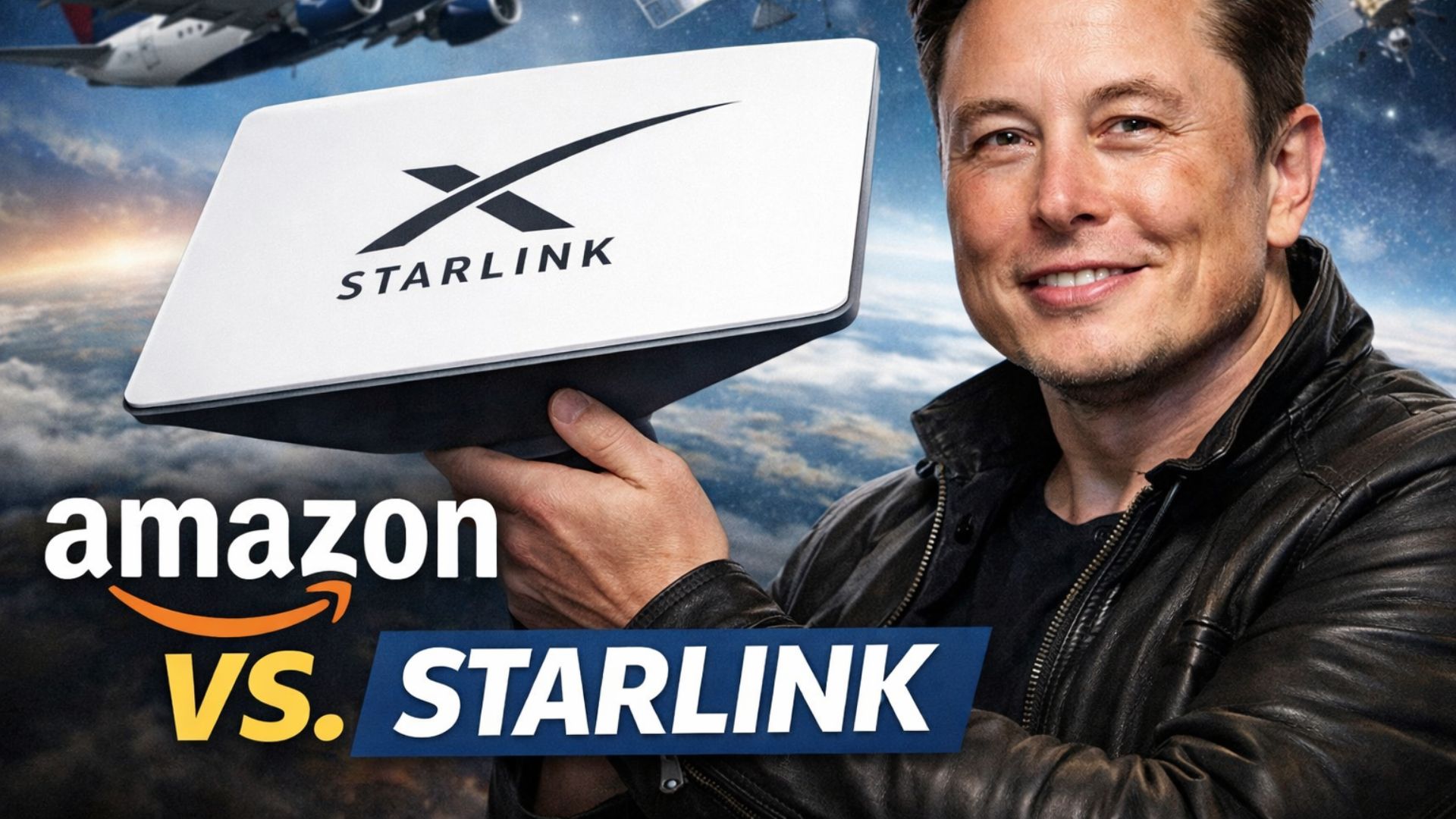
Elon Musk is trying to transform Starlink into the new standard for in-flight Wi-Fi, and the orbital war between giants is changing the sky of commercial aviation.
-
Collapse in sight in Iraq: satellite images captured by NASA show the country’s largest reservoir dramatically drying up.

The main impact is the loss of direct connection to the Amazon store, which has always been one of the device’s major differentiators. Previously, it took just a few clicks to acquire and start reading new digital books in seconds.
With the new policy, this flow is interrupted. Users will no longer have immediate access to the store and will need to resort to alternative solutions to continue updating their library.
Even so, the functional base remains. The Kindle continues to be, essentially, a reader of digital books — and that has not changed.
What changes in practice with the discontinuation of digital books on the device
The discontinuation does not render the devices unusable, but completely redefines the experience. Users of old Kindles will need to adapt to a new scenario.
Among the main changes are:
- Inability to purchase digital books directly on the device
- End of automatic downloads via the Amazon store
- Need to use a computer for transfers
These changes particularly impact those who were accustomed to the convenience of the integrated Amazon ecosystem. Reading remains possible, but the path to it becomes less direct.
On the other hand, those who already have a consolidated library of digital books will still be able to enjoy the content normally, without immediate losses.


Why Amazon decided on the discontinuation of old Kindles
Although Amazon has not disclosed all the technical details, the discontinuation follows a common pattern in the technology sector. Older devices face limitations that hinder the continuation of support.
Among the main factors are:
- Limited hardware of old Kindles
- Incompatibility with new layers of security
- High costs of maintaining old systems
- Evolution of digital book platforms
Models released until 2012 were designed in a technological context very different from the current one. This includes more restricted connectivity and lower processing capacity.
Still, the central point of user criticism remains: these devices continue to function well for reading, which raises questions about the necessity of the discontinuation.
Real impact on users goes beyond technology
The decision by Amazon does not only affect technical aspects. It directly impacts the relationship of users with their old Kindles.
Many consumers highlight that the devices still perfectly fulfill their main function: reading digital books comfortably and efficiently. This makes the change more sensitive.
Among the main perceptions of users are:
- Frustration with the loss of still useful functionalities
- Feeling of forced obsolescence
- Questions about the need to replace the device
This scenario reinforces an increasingly present debate: to what extent should companies end support for products that still function adequately?
Practical alternative keeps digital books active on old Kindles
Despite the discontinuation, there is a clear and accessible alternative to continue using old Kindles with new digital books.
The solution involves manually sending files to the device. This can be done in different ways:
- Transfer via USB cable connected to the computer
- Use of e-book management software
- Conversion of formats compatible with Kindle
This approach eliminates the direct dependence on the Amazon store, allowing the user to continue expanding their library of digital books.
Although the process is less practical, it keeps alive the main proposal of the Kindle: to offer a comfortable and efficient reading experience.
The essence of e-readers is debated with Amazon’s decision
The discontinuation promoted by Amazon reignites an important discussion about the role of e-readers in the current market.
Unlike smartphones and tablets, old Kindles were designed for long durability. They do not rely on constant updates to fulfill their function.
Reading digital books does not require high performance or advanced resources. Therefore, many users question the logic of ending functionalities on devices that still deliver a good experience.
This debate also connects to themes such as:
- Sustainability and reduction of electronic waste
- Conscious consumption of technology
- Valuing the durability of products
The decision by Amazon brings these points back into focus.
Is it worth continuing to use old Kindles after the discontinuation
Even with the changes, old Kindles can still be a good option for many users. It all depends on the usage profile.
For those who value simplicity, the device continues to perform well. Reading digital books remains smooth, comfortable, and distraction-free.
On the other hand, those who rely on integration with the Amazon store may feel more impact from the discontinuation.
Before deciding, it is worth considering:
- The frequency of purchasing new digital books
- The level of comfort with manual transfers
- The need for more modern features
In many cases, keeping the device is still a practical and economical choice.
Simple strategies to prolong the lifespan even with discontinuation
Even in the face of discontinuation, there are ways to keep old Kindles functioning for many years.
Some practices help preserve performance and ensure continuous use:
- Keep organized backups of digital books
- Avoid exposure to excessive heat
- Use appropriate chargers
- Store the device properly
These simple actions make a difference in the long run and allow the user to continue enjoying their Kindle without being entirely dependent on Amazon.
The future of old Kindles and what this change reveals about the market
The decision by Amazon to proceed with the discontinuation of old Kindles reveals a clear market trend: the balance between innovation and support for old devices is becoming increasingly challenging.
On one hand, there is the need for technological evolution. On the other, there is a user base that values stability and longevity, especially when it comes to digital books.
Even with the imposed limitations, old Kindles still have their place. They continue to deliver what they have always promised: a simple, direct, and efficient reading experience.
The difference now lies in the method of use. Those willing to adapt will find ways to keep the device active for many years, even outside the complete Amazon ecosystem. And you, do you intend to continue using your Kindle even with Amazon’s changes, or are you already considering switching to a newer model?







Seja o primeiro a reagir!