





 Portuguese
  English
  Spanish
 3 min of reading
  0 comments


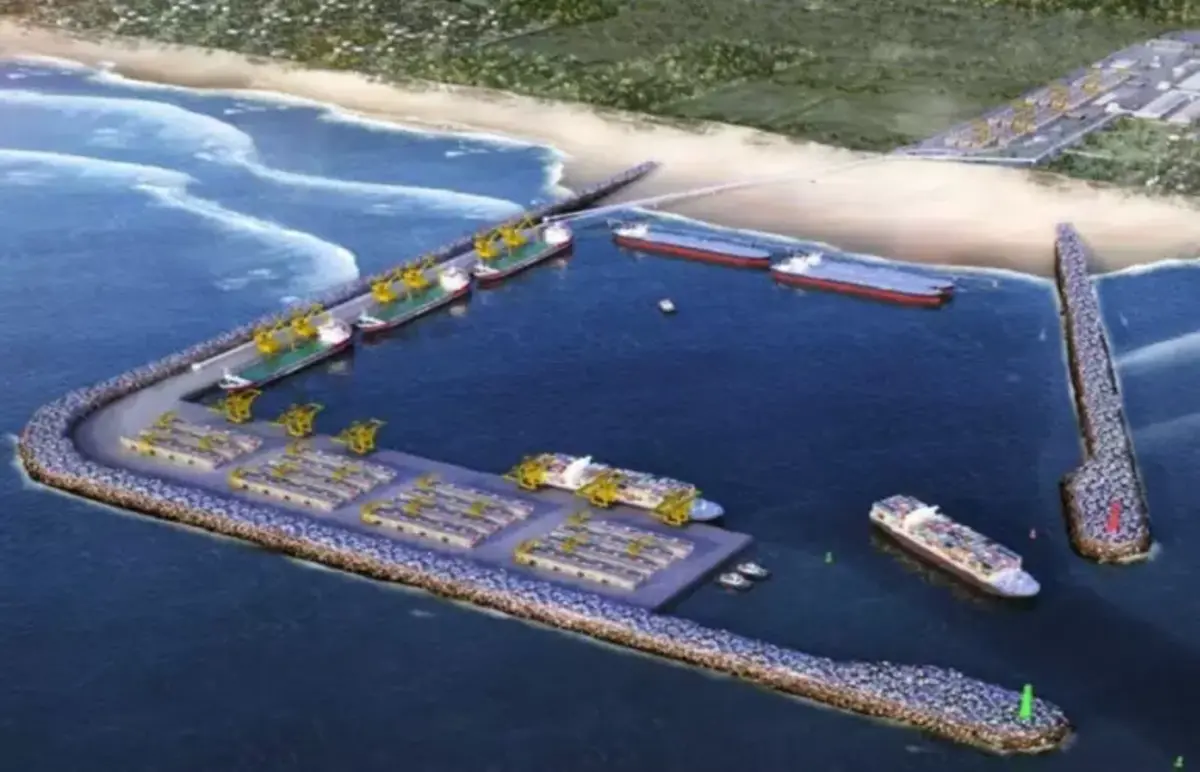
Group Creates Forum Against The Southern Port and Defines Actions to Prevent Work That Threatens Preservation Areas and Local Communities
Environmentalists, residents, lawmakers, and civil entities have united in a new mobilization against the construction of the Southern Port, in Arroio do Sal, on the North Coast of Rio Grande do Sul. During the creation of the Forum Against the Arroio do Sal Port, held on the evening of this past Monday (2) at the Legislative Assembly, the agenda of actions was defined.
The meeting, which took place in the Adão Pretto Room, gathered around 50 people. Among the measures decided upon are the holding of a public hearing at the Legislative Assembly and the presentation of a bill aimed at annulling the governor Eduardo Leite’s decree.
The State Government Decree
The decree, signed on May 27, declared the works to enable the Southern Port as of public utility. According to the governor, the venture is part of the Economic, Inclusive, and Sustainable Development Plan of Rio Grande do Sul.
-
A simple technique of wetting the brick before laying it prevents cracks, improves the adhesion of the mortar, reduces fissures, and ensures stronger walls and more durable constructions.
-
The government opens the vault and deposits R$ 2.6 billion for the construction of Brazil’s first underwater tunnel, with a length of 1.5 km, 870 m under the sea, a total project cost of R$ 6.8 billion, and a 30-year concession.
-
Only 46 meters remain for Brazil and Paraguay to connect via the Bioceanic Route bridge, the project that will link the Atlantic to the Pacific by land and change the logistical map of four countries in South America.
-
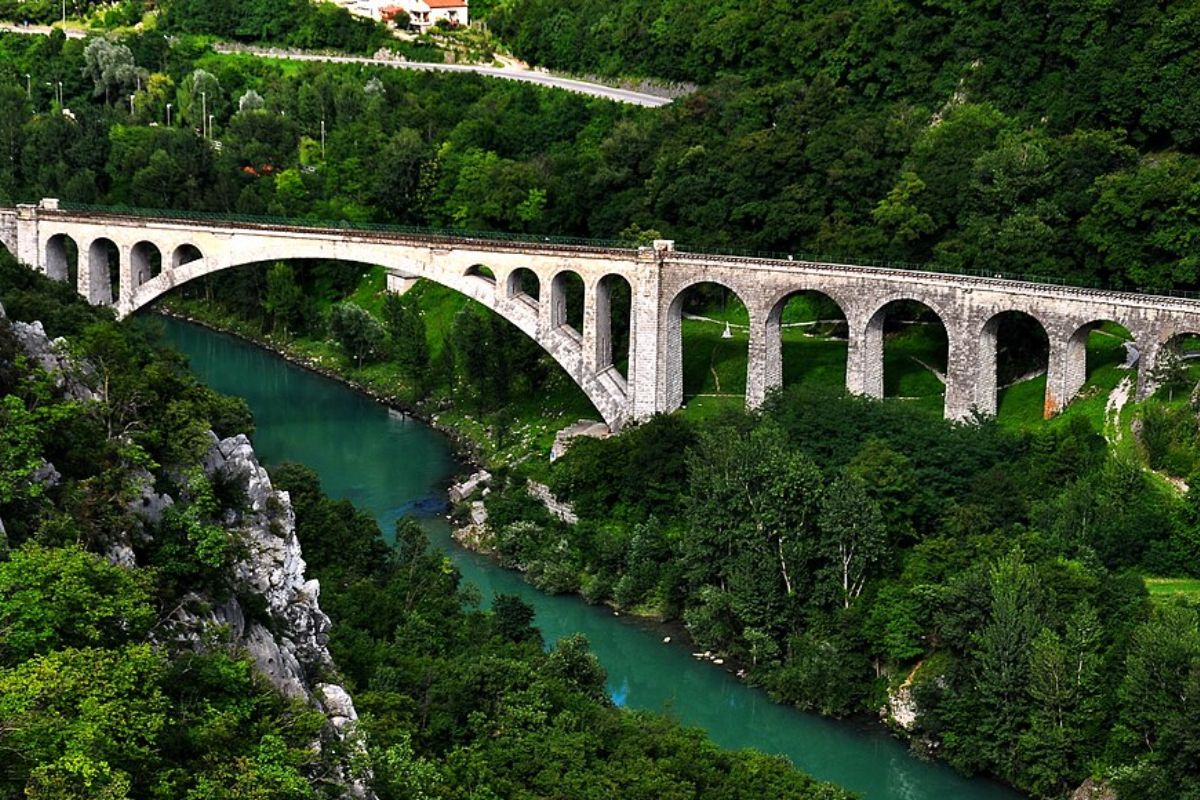
The bridge that holds the largest stone railway arch in the world: built over 100 years ago, destroyed in the war, and rebuilt to continue operating to this day, it still carries trains over the Soča River in Slovenia.

The signing of the decree coincided with the day when the Minister of the Environment and Climate Change, Marina Silva, was attacked during a Senate committee meeting while discussing the creation of conservation areas in the North region.
Just a few days prior, Ibama had published the Inspection Report on the proposed area and rejected the Environmental Impact Study (EIA) from the company DTA Engenharia, which operates under the name Southern Port Participations S/A.
Lawmakers Express Support for The Movement
During the meeting, state deputy Halley Lino (PT) and deputy Sofia Cavedon (PT) defended the position of the Movement in Defense of the North Coast of Rio Grande do Sul (MOV).
Halley Lino stated that the Southern Port would be unnecessary since the Port of Rio Grande already meets the demand, particularly for cargo destined for China, which accounts for 43% of the shipments. He is part of the Parliamentary Front in Defense of the Port of Rio Grande, created in March.
Legal and Environmental Criticisms of The Project
Lawyer Paulo Chaves, legal consultant for MOV, classified the project as “out of law.” According to him, the responsible company did not present an economic feasibility study.
He also highlighted that the project ignores the environmental fragility of the Itapeva lagoon, the presence of native fauna and flora, permanent preservation areas of the Atlantic Forest, traditional communities, and the local archaeological heritage. Chaves further stated that the governor’s actions have a retaliatory character.
Lack of Infrastructure and Future Risks
Vlademir Rotte, from the Environmental Protection Association of Arroio do Sal, pointed out that the municipality, with 12,000 inhabitants, lacks basic sanitation and adequate infrastructure.
The population swells to 100,000 during the summer. The estimate of 25,000 direct and indirect jobs from the project is seen as incompatible with the current structure of the city.
Professor Jefferson Cardia Simões, a glaciologist from the Federal University of Rio Grande do Sul (Ufrgs), warned that the installation of the port could generate serious environmental consequences, such as sediment accumulation, pollution, and loss of preservation areas.
With information from Brasil de Fato.





Seja o primeiro a reagir!