





 Portuguese
  English
  Spanish
  4 min of reading
  0 comments


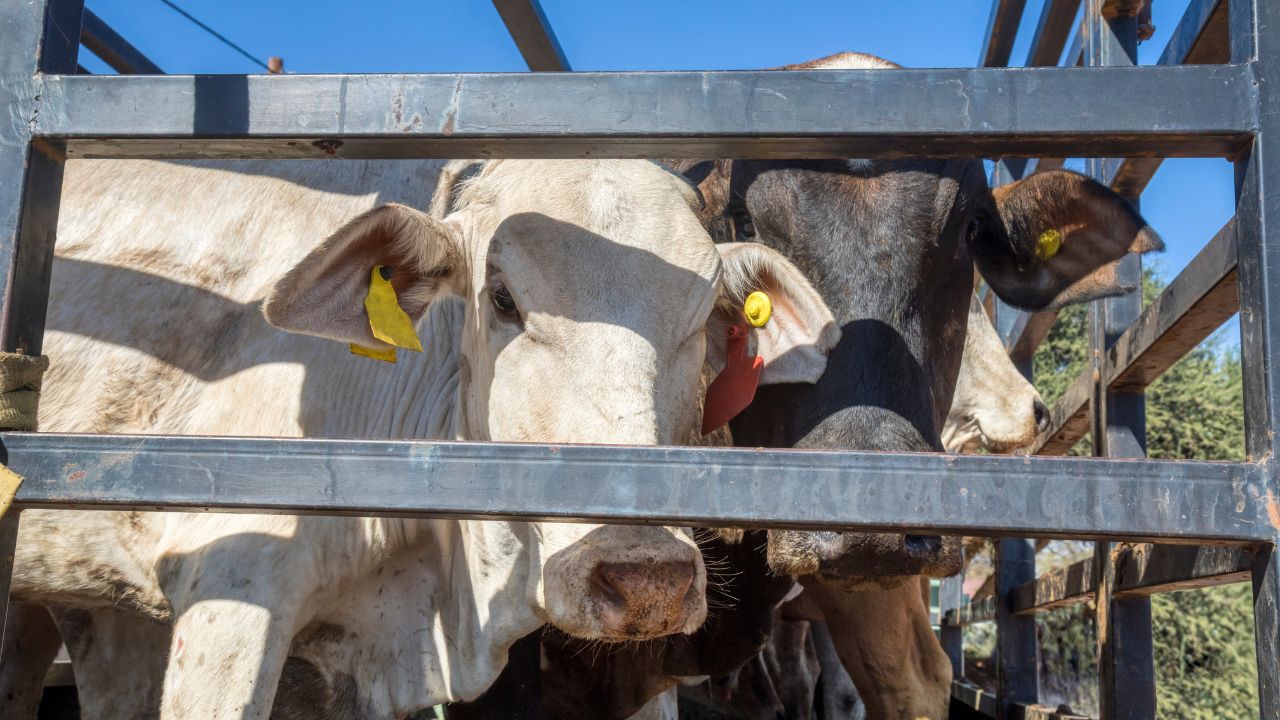
New Rules for Animal Transportation in Brazil Raise Welfare Requirements and Worry Livestock Farmers About Costs, Truck Adaptations, and Freight Impact.
Animal transportation in Brazil is about to undergo one of the largest regulatory changes in recent years. With the publication of Portaria SDA No. 1,295/2025, the Ministry of Agriculture and Livestock (MAPA) redefined technical and operational criteria that directly impact livestock farmers, transporters, and slaughterhouses across the country.
The new requirements, which will be implemented gradually, aim to raise the standards of animal welfare, but they also raise concerns about costs and feasibility in the day-to-day operations of the sector.
The regulation establishes more detailed rules for the road, rail, river, maritime, and air transportation of production animals.
-
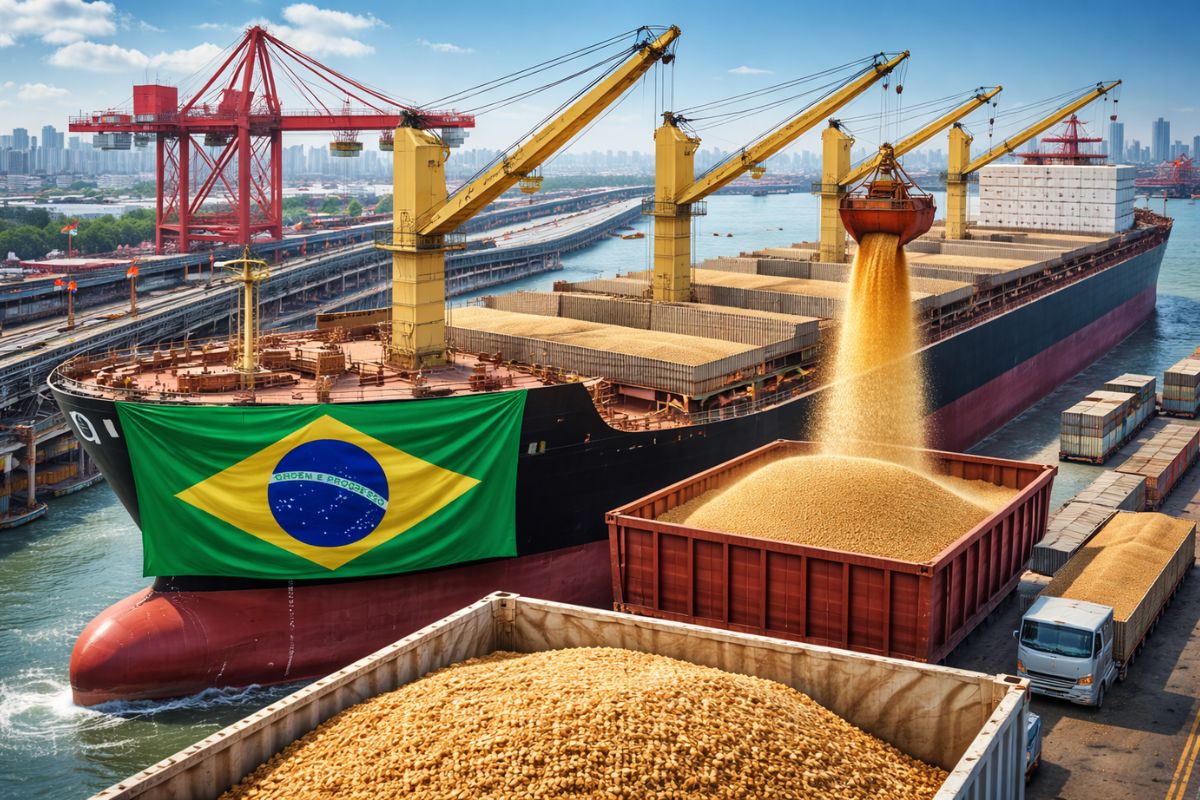
Brazil sends unprecedented product to China and a ship with 62 thousand tons has already arrived at its destination: a new billion-dollar market opens for Brazilian agribusiness.
-
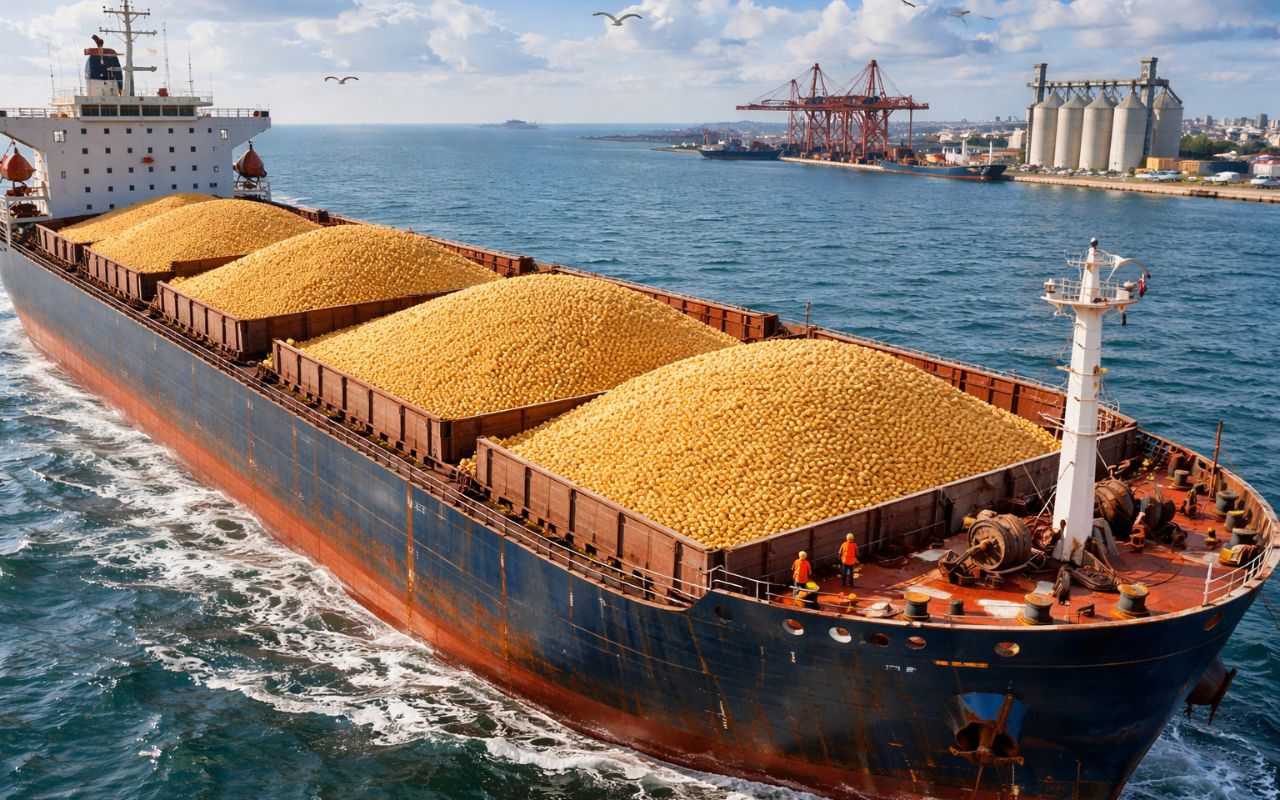
Even with logistical challenges, Brazil exports 17.1 million tons of grains and reinforces its global prominence.
-
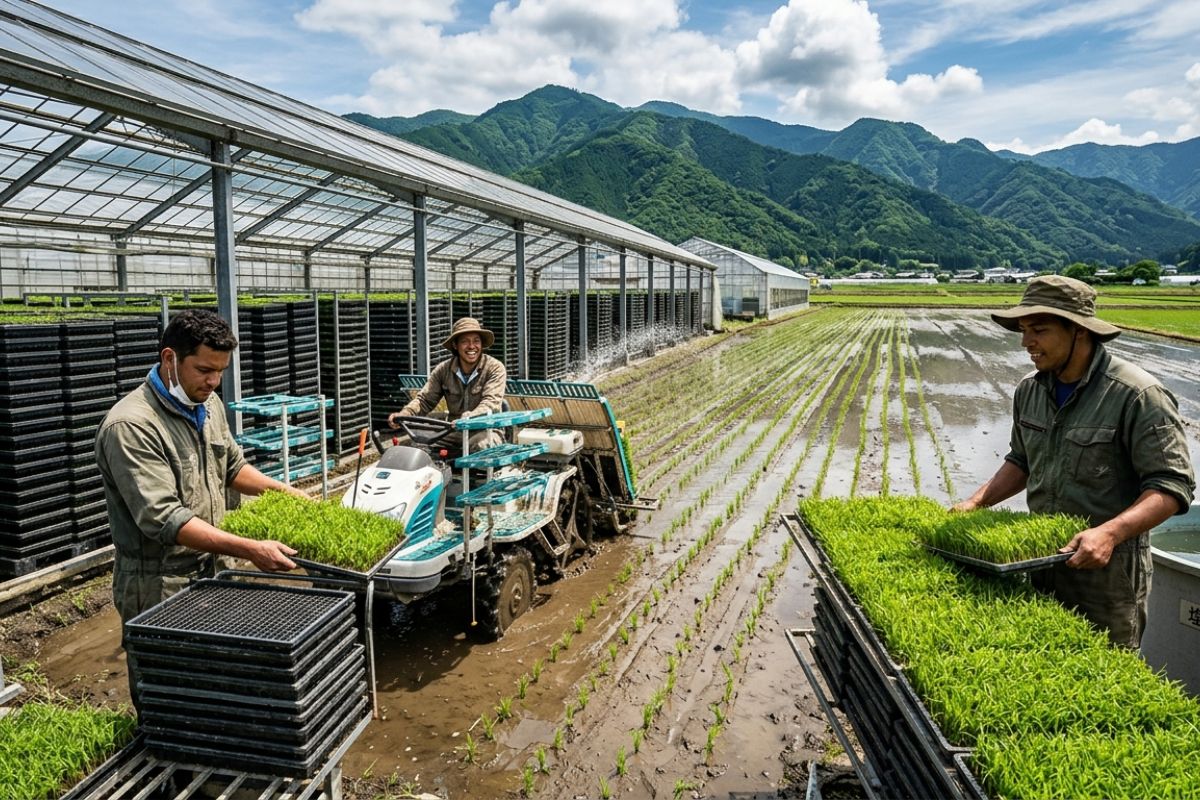
In the interior of Shizuoka, Brazilian brothers became farmers and revealed the secret of Japanese rice: brine selects seeds, the radicle determines the point, 4,000 trays fill greenhouses, and mechanized transplanting never forgives mistakes.
-
Brazil surprises China with a new agro offensive: first shipments of DDGS and poultry by-product meal arrive in the Asian country, expanding billion-dollar exports.
Among the central points are stricter limits on loading density, mandatory breaks on long trips, provision of water and food, and specific parameters for ventilation and thermal comfort in vehicles.
The government claims that these measures bring Brazil closer to international standards, while producers warn of direct impacts on their finances.
What Changes Practically for Transportation of Animals?
The new regulation redefines how animals must be accommodated during transport.
Now, each species must adhere to specific calculations for minimum space, taking into account weight, height, and behavior. This means that trucks that previously transported more animals may now operate with smaller loads.
In the case of minimum compartment height, the rules vary according to species. For cattle and calves, the free space above the withers must be calculated using the formula A = C × 1.17 + 20, always considering the tallest animal in the group.
Sheep require at least 15 centimeters of clearance in vehicles with mechanical ventilation and 30 centimeters when the ventilation is natural.
For equines, the requirement is even greater: at least 75 centimeters of free height above the withers. Birds and rabbits, on the other hand, must be accommodated in a way that allows them to move without their heads, combs, or ears touching the ceiling of the containers.
Another central point of the rules addresses animal density by species and weight, with the definition of a minimal individual area.
The regulation adopts the formula S = kP^(2/3) to determine this space, considering the live weight.
In practice, this means that cattle weighing around 300 kilograms need at least 1.52 square meters per animal, while pigs weighing 100 kilograms must have 0.58 square meters each.
For poultry weighing approximately 2 kilograms, the minimum area stipulated is 460 square centimeters per unit.
Equines must be transported in individual stalls, always with width and length greater than the animal’s own dimensions.
The rules also reinforce care with feeding and water provision, especially on long journeys, which are more common in rail, river, and maritime modes.
For cattle and equines, the minimum daily requirement is 2% of live weight in forage, 1.6% in feed, and 10% in water. Sheep and goats should receive 2% of live weight in forage and 1.8% in feed. In the case of pigs, the rule exclusively provides for concentrated feed, equivalent to 3% of live weight per day.
Finally, the water quality now has clear parameters. The freshwater provided to animals must have oxygen levels between 5 and 15 ppm, a pH ranging from 6.5 to 9.5, and total absence of ammonia, ensuring that hydration does not pose health risks during transport.
Moreover, long trips will now require scheduled stops, with access to water and food, which completely alters logistical planning.
In certain situations, the presence of an Animal Welfare Assistant, a qualified professional to accompany and guide handling during transport, will also be mandatory.
Ventilation, Thermal Comfort, and Cost Concerns
One of the most debatable points in the sector relates to the requirements concerning ventilation and air quality in loading compartments.
Although the final text does not impose mandatory air conditioning in trucks, it sets higher standards for air circulation and temperature control, which may require structural adaptations to vehicles.
In practice, this might mean installing new ventilation systems, water reservoirs, and internal adjustments to comply with the rules.
For many producers, especially smaller ones, these changes represent significant investments in a short period.
Fewer Animals per Trip, Increased Freight Costs
With the reduction in loading density and the expansion of individual space per animal, the number of animals transported per trip is likely to decrease.
As a consequence, it will be necessary to increase the number of trips to offload production, which directly impacts freight costs.
Producers warn that this equation may pressure profit margins, especially in regions far from major centers and with long distances to slaughterhouses or ports.
The fear is that the additional costs will be passed along the production chain.
Implementation Will Be Gradual, but Enforcement Concerns
Despite the impact, the changes will not take effect immediately. The regulation provides for staggered deadlines, ranging from six months to up to 24 months, depending on the requirement.
More complex measures, such as self-control plans and rules for long trips, will have a longer adaptation period.
Still, the text makes it clear that non-compliance with the rules may result in fines, warnings, and even cargo or vehicle interdictions, increasing apprehension among producers and transporters.
Debate Between Animal Welfare and Rural Reality
The government argues that the new rules strengthen Brazil’s image as a responsible supplier of animal protein in the international market.
On the other hand, representatives of agribusiness argue that many requirements were designed without considering the real conditions of infrastructure, climate, and the territorial extent of the country.
In light of this, MAPA has opened the floor for contributions through public consultation, allowing the productive sector to submit suggestions and criticisms before the final consolidation of the rules.






-

-

4 pessoas reagiram a isso.