





 Portuguese
  English
  Spanish
  5 min of reading
  0 comments


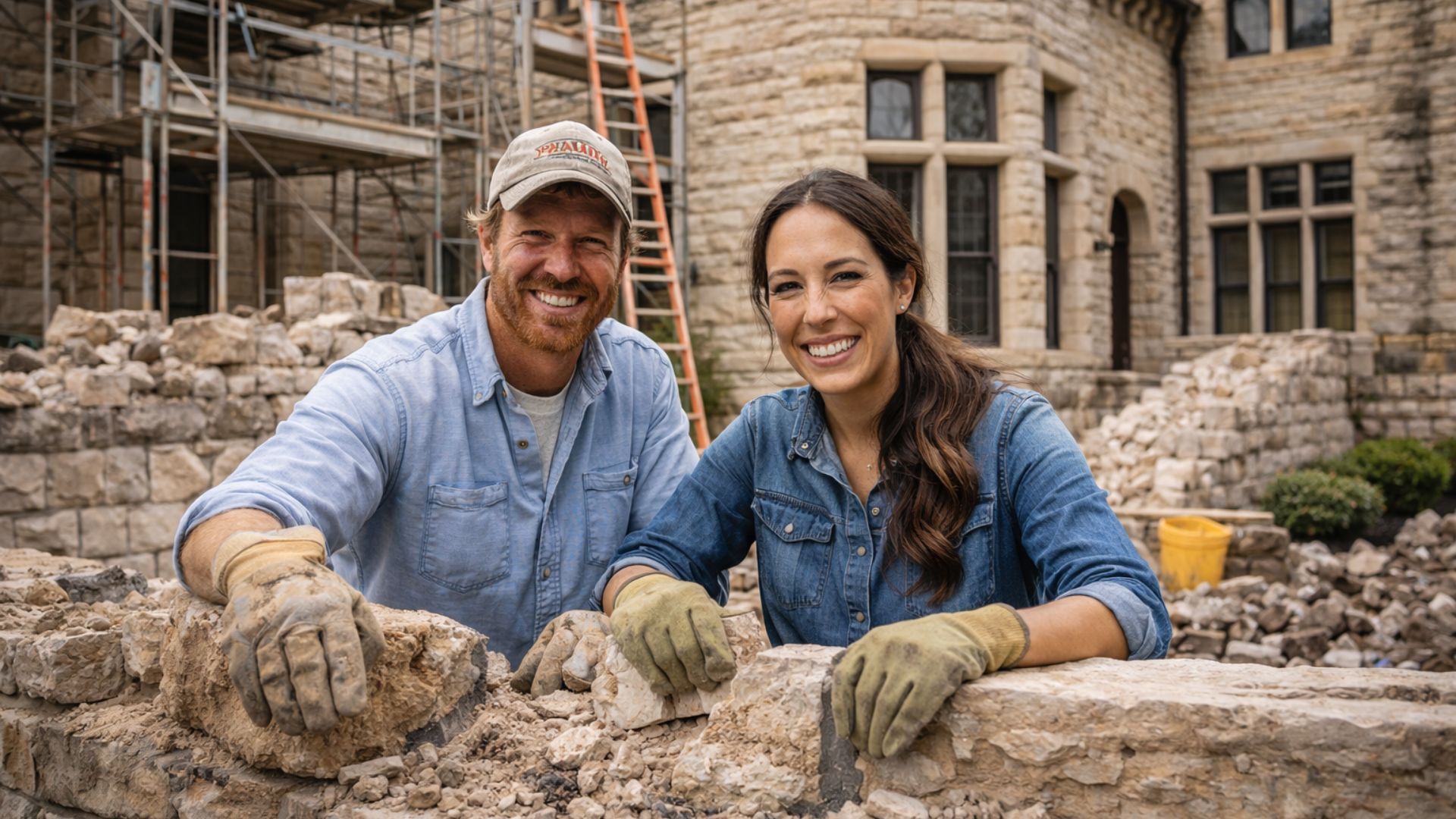
Project rescues historic castle in Texas with noble materials, preserves original architecture, and adapts spaces for contemporary use, maintaining rare elements such as marble, mahogany, and fireplaces in one of the most emblematic renovations ever carried out in Waco.
Chip and Joanna Gaines carried out one of the most unique residential restorations in Waco, Texas, by restoring Cottonland Castle, a property started in 1890 and completed in 1913, preserving central features of the original architecture while adapting the house for contemporary living.
The intervention maintained the historical reading of the building and repositioned spaces without altering the monumental scale that made the castle a local landmark.
Origin of Cottonland Castle and historical value
The property’s history helps explain the symbolic weight of the work.
-
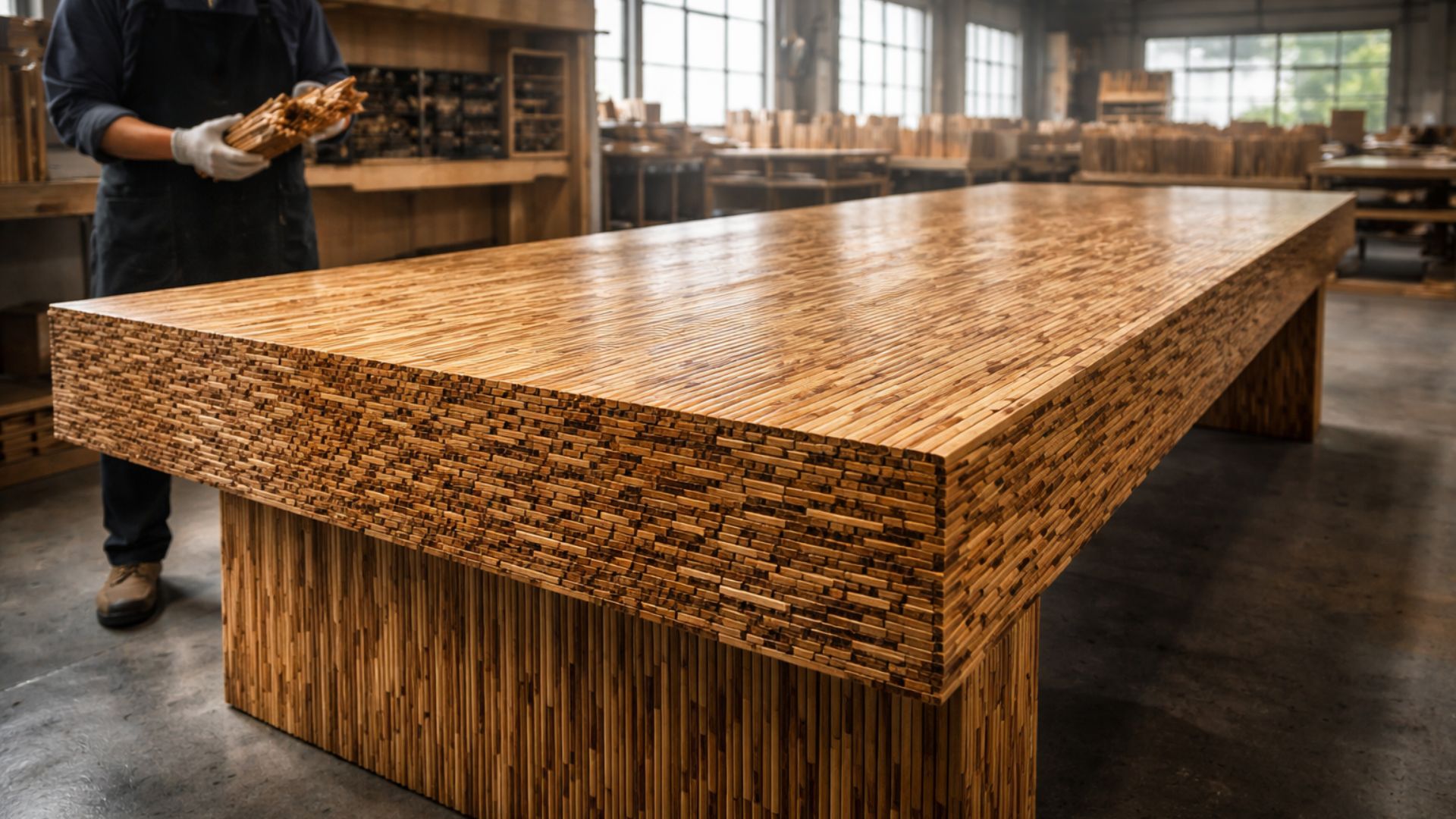
Japan is transforming used disposable chopsticks into an ambitious and surprising project that could forever change the way restaurants and offices handle one of the most common waste products of urban life.
-
Father wins a brand new car in a raffle he organized himself at church.

-
Embraer presents the KC-390 Millennium, the largest military aircraft in Latin America, capable of transporting 26 tons, evacuating 74 patients, conducting in-flight refueling, and operating tactical missions with advanced technology, showcased at FIDAE 2026.

-
A 25 km megacyclovia in SP will be part of a R$ 9.4 billion package that covers 520 km, 22 cities, and could generate 11,000 jobs in the interior of SP.

Data from the Texas Historical Commission indicates that contractor John Tennant began building the house at the height of Waco’s cotton economy, sold the unfinished structure in 1906, and years later, the project was completed with plans from architect Roy Lane to serve as a residence for businessman Alfred Abeel.
The same official record states that the property received noble materials inside and recognition as a historical heritage site in 1977.

More than the unusual appearance for Texan interiors, the castle stood out for its combination of European references and sophisticated finishes.
Historical records gathered by Waco History indicate that the house was designed with three floors, a basement, a tower, and eight fireplaces, in addition to featuring elements such as Carrara marble, Caen stone, and Honduran mahogany panels, rare materials for a residence of this size in the region.
This combination of scale, importation, and design helped establish Cottonland Castle as an atypical piece in Waco’s urban landscape.
Purchase of the property and restoration strategy
When they purchased the property in 2019, Chip and Joanna found a building already marked by years of wear.
Instead of imposing a rushed renovation or neutralizing the castle’s personality, the strategy described by Magnolia started from recovering what still survived and attempting to restore the house to its original purpose as a residence, combining current functionality with period details.
This logic appears right away in the exterior.
According to Magnolia, the renovation included cleaning the stone, replicating and repairing original windows, restoring doors, and adopting a specific color for the frames to recreate the dark appearance seen in old photographs of the property.
Around the house, the intervention also added lighting and landscaping, without diluting the scenic effect that has always distinguished the facade.
Structural changes and adaptation of internal spaces

The structural update progressed throughout the interior, but without abandoning the logic of conservation.
The same official presentation of the project states that there were repairs to the plaster, reconstitution and finishing of the wooden floors, as well as the installation of new climate control, electrical, and plumbing systems, measures that allowed the everyday use of the residence without erasing its historical marks.
In the kitchen, the adaptation became more visible.
Magnolia reports that the old dining area was converted into the main kitchen, while the original kitchen remained in the basement in the historical configuration of the house, which forced the team to find solutions within the existing structure.
It was in this process that the dumbwaiter, the traditional internal lift, became a spice cabinet, and the old fireplace began to house the new stove, preserving doors, volumes, and references from the original design.
Still in the living area, the old dining room had pieces restored, updated lighting, a new hearth, and a mirror inserted into the fireplace opening.
In another part of the same set, a sitting area was transformed into a butler’s pantry, a solution created to enhance support to the kitchen and reinforce the practical use of the house, without breaking the solemn atmosphere marked by dark wood that characterizes the castle’s environments.
Reorganization of spaces and new uses

On the upper floor, the reorganization of the rooms followed the same principle.
Magnolia states that the old sitting area was redesigned to accommodate a new library with a bathroom, complete with custom cabinetry, closets, a sliding ladder, and adjustments to the stair railing to accommodate the new layout.
The proposal did not try to hide the intervention but sought to make it seem coherent with the period of the house.
The living rooms also underwent meticulous restoration.
In the card room, there were repairs and, when necessary, reproduction of the wood panels and moldings, as well as new cladding for the fireplace, recovery of the windows, and installation of updated lighting.
In the basement, the space was converted into a family room, with new flooring, finishes, and cabinetry created around the existing brick structure, in an attempt to make the area more useful without erasing its past.
Cultural impact and heritage preservation
The symbolic dimension of the project gained strength because the renovation treated the castle as a living address, not as a frozen piece.

In a statement published by Magnolia, Joanna Gaines stated that the decision was to return the property to its original state as a home, not to completely reinvent it, and this reasoning appears in the way wood, stone, windows, and circulation were preserved or reinterpreted throughout the work.
The result expanded the projection of Cottonland Castle beyond television and the usual home decor audience.
Official information from Magnolia shows that the property remains integrated into the brand’s tourist experiences in Waco, with guided tours of the restored castle, while the history of the address continues to be a central part of the narrative presented to visitors.
The property’s continued presence in public circulation reinforces the cultural reach of a restoration that was not limited to visual effect.
More than recovering a rare mansion, the intervention made it clear that a historic residence can maintain noble materials, dense ornamentation, and period features without losing domestic function.
Cottonland Castle continues to be identified by its origin at the end of the 19th century, its completion in 1913, and the grandeur of architecture inspired by European references, but now combines this legacy with a configuration designed for real and continuous use.






Seja o primeiro a reagir!