





 Portuguese
  English
  Spanish
  3 min of reading
  0 comments


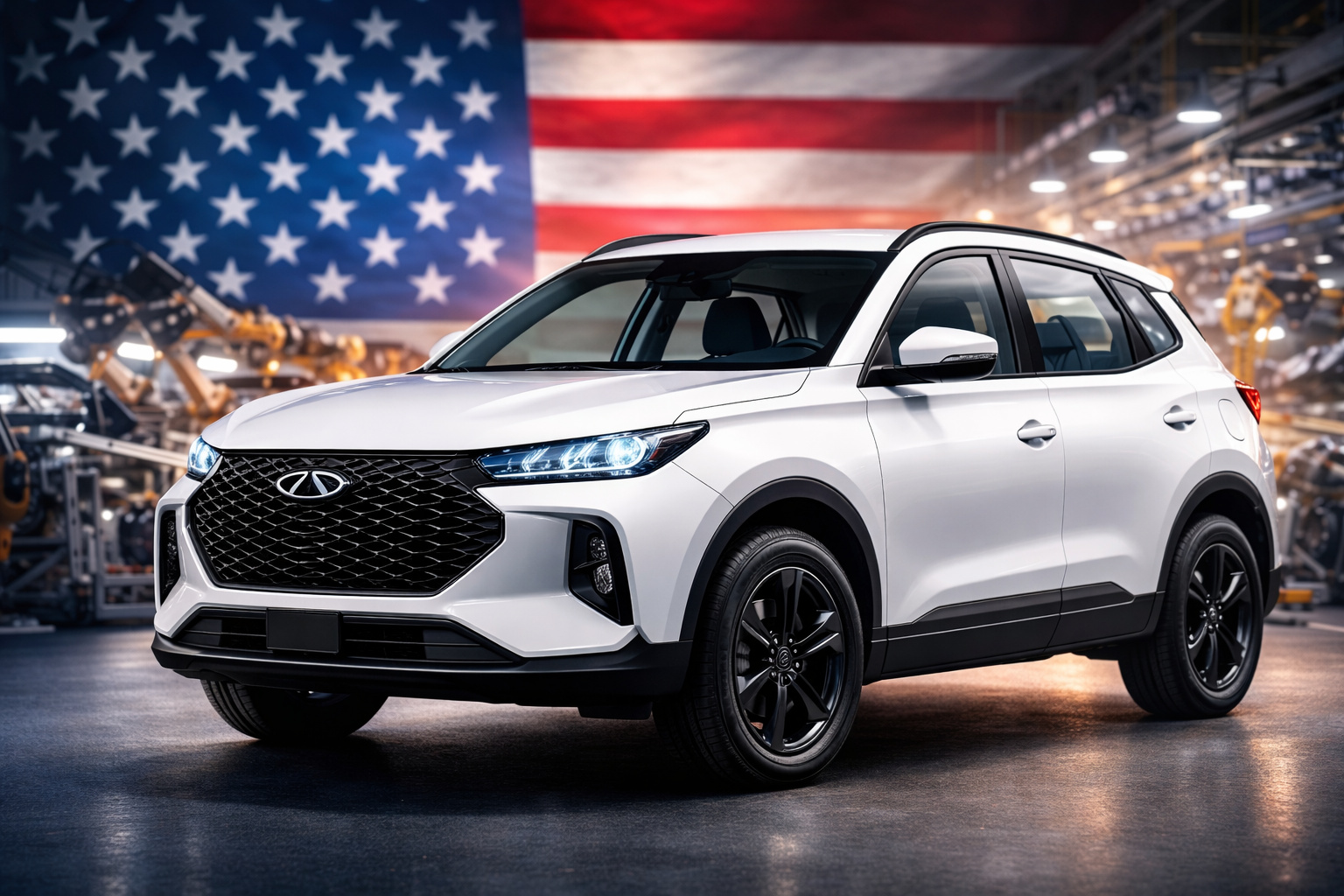
Decision may redefine the future of the American automotive industry as global dispute intensifies and raises unprecedented concerns about national security and economy
The growing dispute between the United States and China has taken a new turn that could directly impact the global automotive sector. Amid an already tense commercial and geopolitical landscape, three influential Democratic senators have decided to act to prevent what they consider an unprecedented risk to American national security.
In this context, Tammy Baldwin, Elissa Slotkin, and Chuck Schumer sent a direct letter to former President Donald Trump, asking him not to allow Chinese automakers into U.S. territory. According to the lawmakers, the decision could trigger an irreversible crisis, affecting not only the economy but also the industrial sovereignty of the country.
The information was disclosed by “Reuters”, as reported internationally, highlighting that the issue is already mobilizing authorities and experts in global trade, industry, and defense.
-
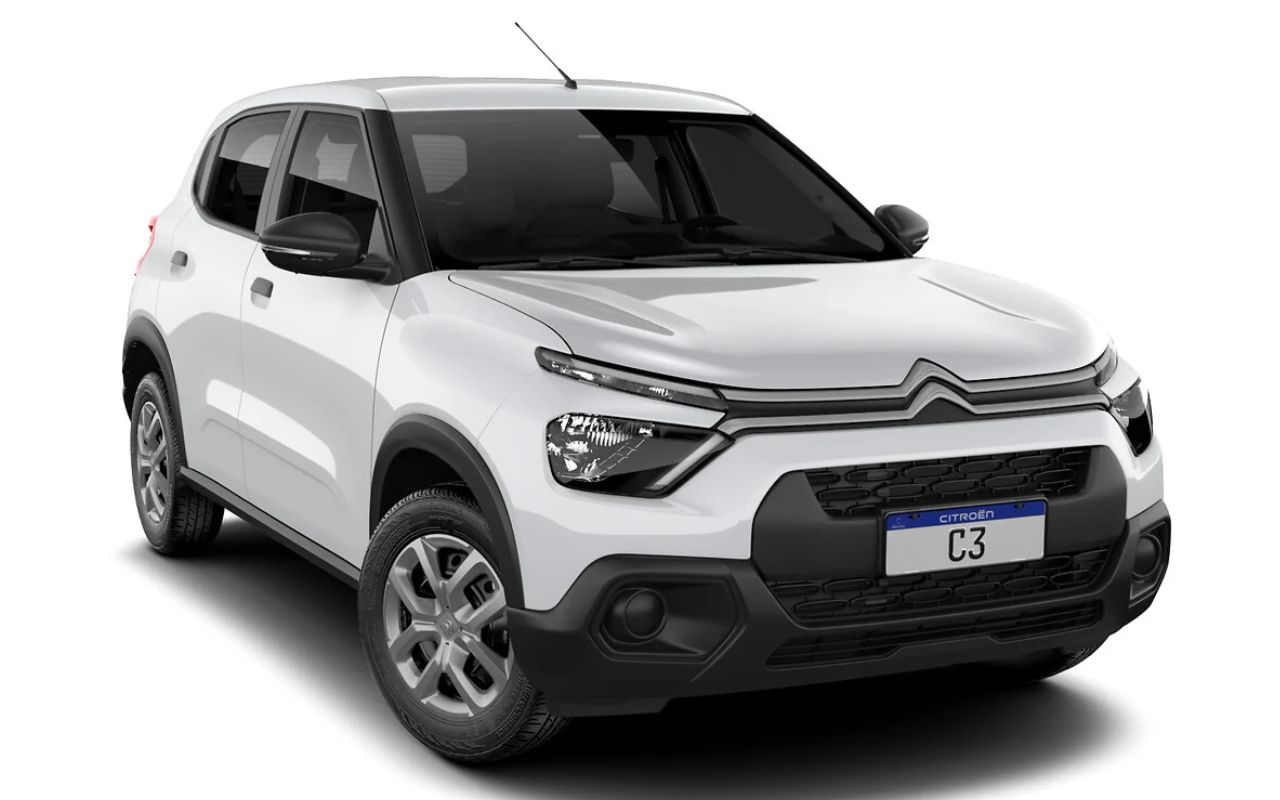
It became R$ 10,000 cheaper! The new version of the Citroën C3 features new tires, reduces consumption, improves comfort, and enters the competition among popular cars.
-
They cost less than R$ 40,000, are economical and easy to maintain: see 4 used hatchbacks to buy.
-
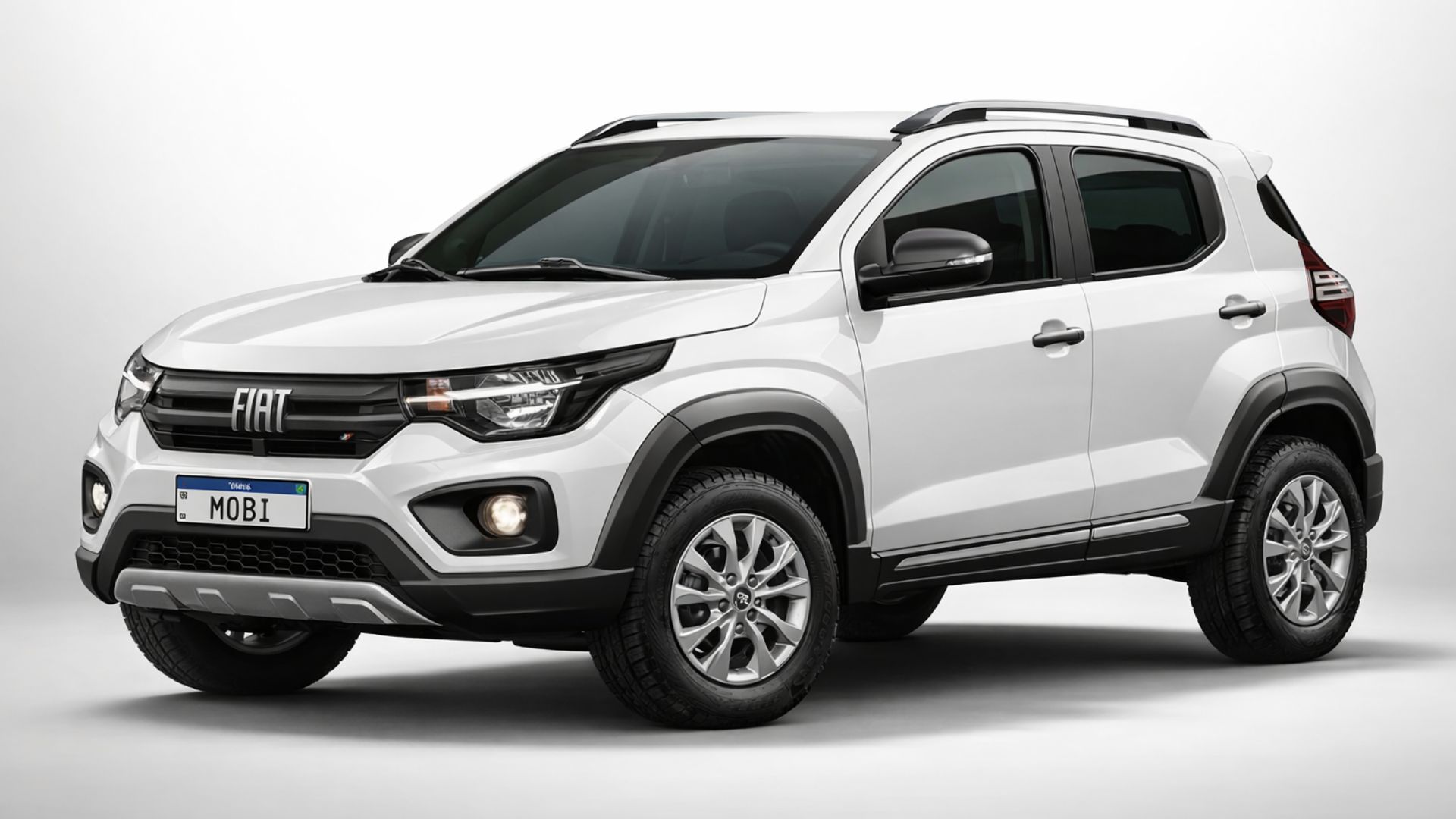
Fiat car that was once a “joke” will become a mini-SUV: the new Mobi grows beyond 3.60 m, adopts the global CMP platform, debuts in 2028 with the codename F1X, and targets rivals like Jeep Avenger in Brazil.
-
The Toyota Hilux in the truck version features a design inspired by the Mercedes-Benz G-Class: the Toyota Hilux Champ 2026 bets on a short wheelbase (SWB), lowered suspension, Brabus style kit, LED on the roof, and an affordable proposal.
Political pressure increases as Trump signals unexpected openness to foreign capital
Although China is currently barred from selling cars directly in the American market, the discussion revolves around a strategic point: allowing Chinese manufacturers to build factories within the United States.
Previously, during a speech at the Detroit Economic Club, Donald Trump surprised many by stating that he would welcome the establishment of these companies in the country. According to him, if Chinese companies decide to invest locally and create jobs for American workers, it would be positive for the economy.
However, this position generated a strong reaction. The senators argue that allowing such a move would give Chinese automakers an economic advantage that American companies could not overcome. Furthermore, they warn that this could compromise strategic sectors and open critical gaps in terms of national security.
As a result, political pressure has rapidly increased, uniting Democrats and Republicans in a rare consensus against Chinese expansion in the U.S. automotive sector.
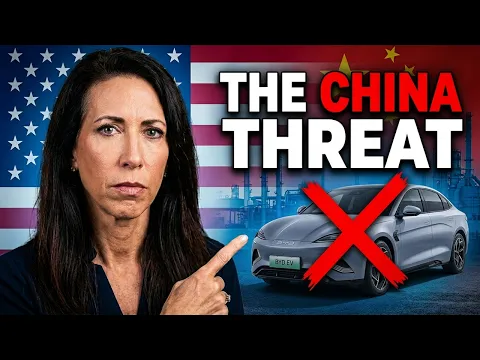

China reacts and accuses the U.S. of trade protectionism amid global dispute
As the debate advances in Washington, China’s reaction was swift. Chinese officials accused the United States of adopting trade protectionist practices, claiming that recent policies have blocked fair access to the American market.
According to the Chinese Embassy in Washington, the U.S. is creating deliberate obstacles, including discriminatory subsidies, to prevent vehicles manufactured in China from entering the country.
It is worth noting that Chinese automakers have effectively been banned from selling vehicles in the United States following measures implemented by the Joe Biden administration in early 2025. Nevertheless, the possible opening for productive investments — such as factories on American soil — has reignited the debate.
On the other hand, proponents of these companies’ entry argue that it could help reverse the ongoing loss of jobs in the U.S. manufacturing sector, creating new economic opportunities. However, critics insist that the risks outweigh the benefits, especially at a time of increasing technological and military rivalry between the two powers.
Thus, the discussion goes far beyond the automotive industry. It is, in fact, a strategic clash that could redefine the global economic balance in the coming years.




Seja o primeiro a reagir!