





 Portuguese
  English
  Spanish
  3 min of reading
  0 comments


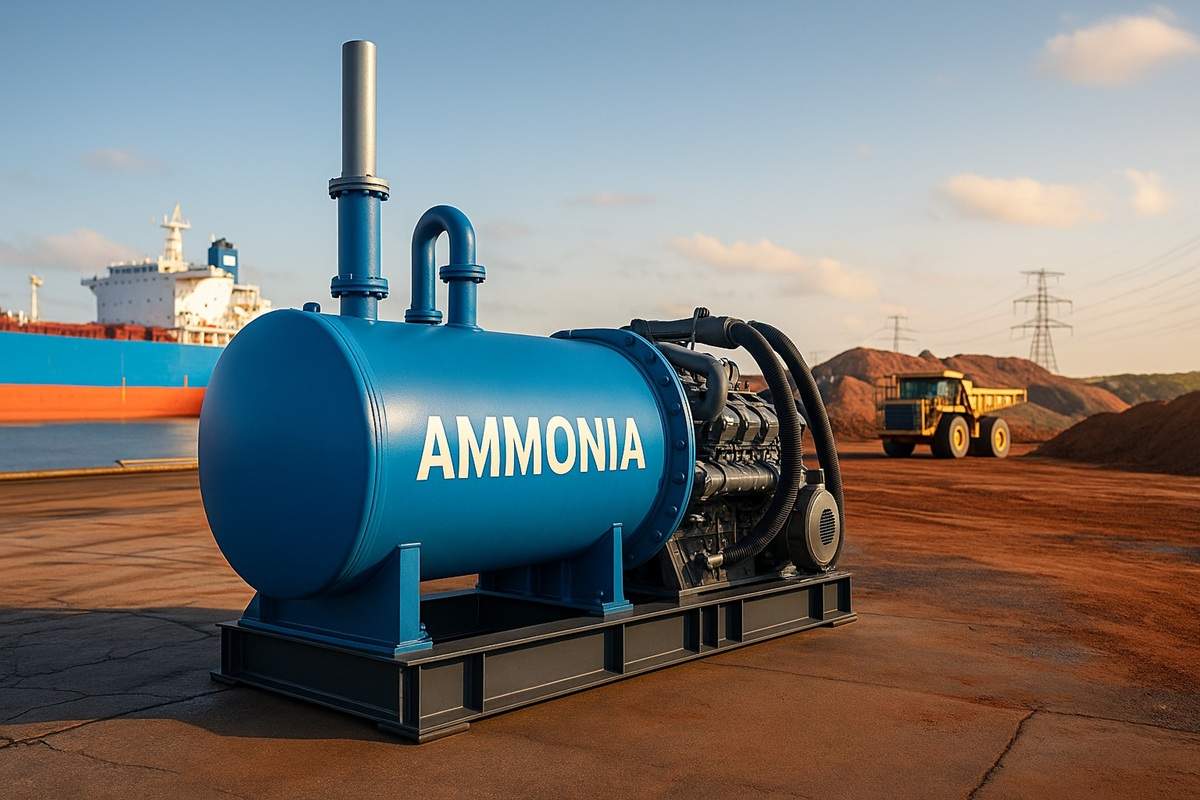
Technology Created by MIT Alumni Promises to Replace Traditional Fuels by Decomposing Ammonia with Unprecedented Efficiency, Aiming at Ships, Trucks, and Large-Scale Power Generation Systems
The possibility of using ammonia as an energy source has gained new dimensions with the development of a catalyst created by Amogy. The company claims that the device can decompose ammonia into hydrogen and nitrogen with up to 70% greater efficiency than modern systems currently in use.
This capability allows the process to be employed in applications related to maritime transport, power generation, manufacturing, and other sectors that require high energy consumption.
Founded by four MIT alumni, Amogy plans to commercialize the catalyst and modular systems that integrate fuel cells and engines designed to convert ammonia into energy without combustion. The strategy aims to eliminate concerns related to nitrogen oxide production, as the equipment does not burn the compound.
-
An impressive phenomenon in Northern Brazil causes rivers of different colors to flow side by side, revealing secrets about sediments, currents, and biodiversity.

-
While many schools are still struggling with the basics, a teacher in China went viral for having elementary school students build a two-stage rocket using plastic bottles, water, and pressurized air in a science class that caught the attention of the entire world.

-
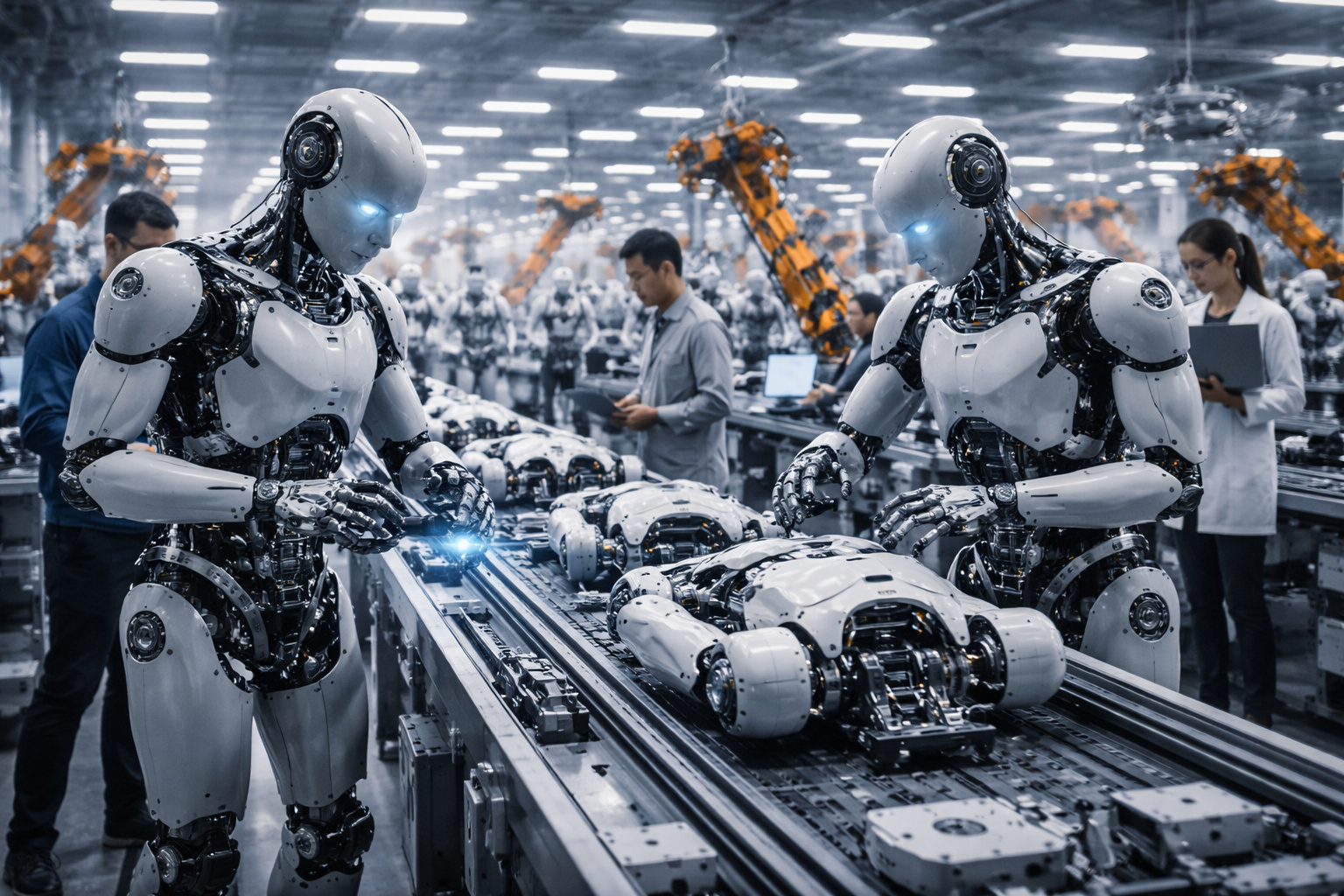
10 million robots per year in unprecedented industrial scale place China at the forefront of automated production and raise the question of how far machines can manufacture other machines.
-
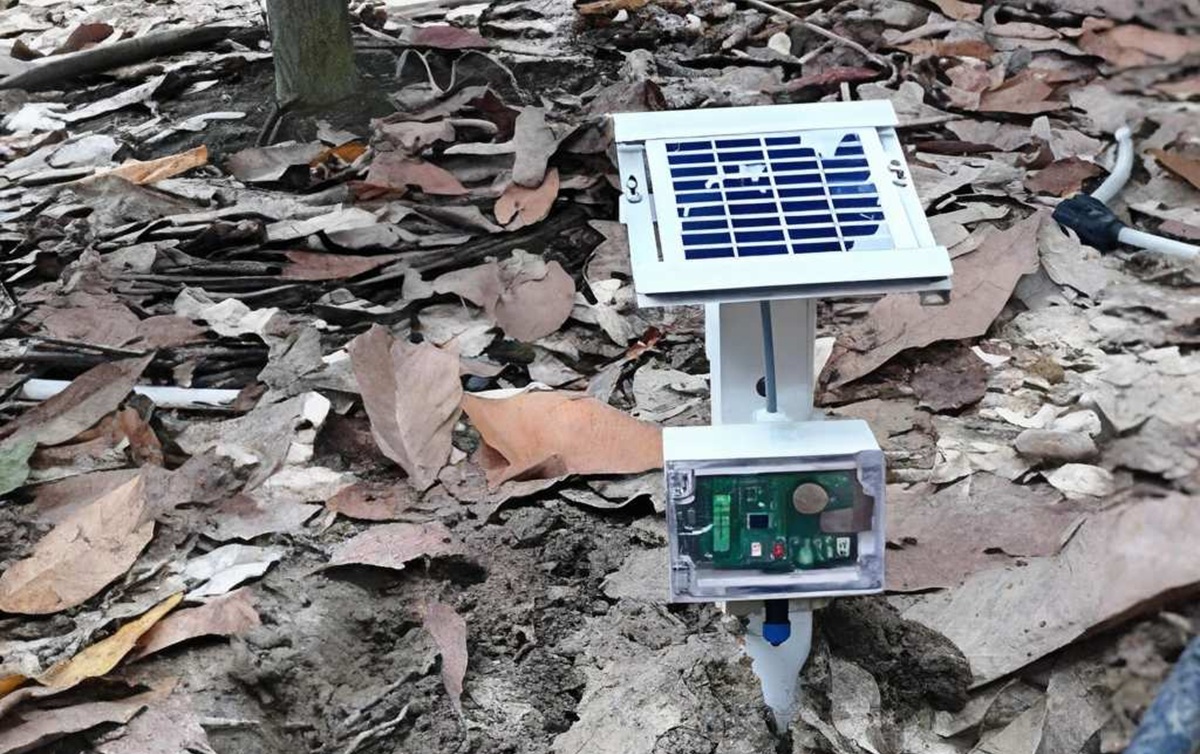
Researchers in Malaysia buried sensors at 15 and 30 cm and can now predict soil moisture with 95.49% accuracy, helping the field to irrigate only at the right time and reduce water waste.

The proposal is also designed to serve operations equivalent to those of ships and trucks, something highlighted by CEO Seonghoon Woo when discussing the scalability of the technology.
Applications in Energy-Intensive Sectors
The company is directing its initial initiatives towards sectors that operate with high energy demands, such as maritime transport, construction, mining, and electricity generation.
Ammonia presents itself as an alternative due to its superior energy density compared to renewable sources or batteries. To solidify this movement, Amogy has signed a manufacturing contract with Samsung Heavy Industries and is preparing to provide commercial systems starting next year.
A pilot project of 1 megawatt will be implemented in 2026 in the South Korean city of Pohang. According to the company’s statement, the expectation is to expand the installation to 40 megawatts by 2028 or 2029.
In addition to this step, Amogy reported that it has completed the construction of a research and production center in Houston and has begun the pilot implementation of the catalyst in partnership with JGC Holdings Corporation. Woo also noted the existence of dozens of ongoing projects involving multinational corporations.
Advances in Ammonia Cracking
The ammonia cracking process, which involves splitting NH3 molecules into nitrogen and hydrogen, always requires high temperatures and intensive energy use.
Large reactors and limited catalytic materials were standards in the operations of the plants responsible for this activity.
However, Amogy claims to have identified new material formulations that allow for the miniaturization of the catalyst and operation at lower temperatures, reducing costs and expanding the possibility of deployment in different locations.
According to Woo, the team had to redevelop the entire technology, including the catalyst, reformer, and integration with larger systems.
One of the features highlighted by the CEO is that the process does not involve the burning of ammonia, eliminating the need for pilot fuel and avoiding the release of nitrogen gas and CO2. This set of changes has allowed the company to build a system with greater flexibility for portable and industrial applications.
Demonstrations and Use in Equipment
The efficiency of the catalysts was presented by Amogy in demonstrations that began in 2021, featuring the first ammonia-powered drone.
The catalyst is used to produce hydrogen optimally and, when integrated with fuel cells or hydrogen engines, forms modular systems capable of converting ammonia into energy at different scales.
The company claims that this characteristic allows it to meet the consumption demands of clients operating in various sectors.
Woo pointed out that the company is working to enable the decarbonization of industries classified as heavy.
The focus includes transport, chemical production, manufacturing, and sectors that deal with high emissions and need to reduce impacts to meet national goals. The perspective mentioned by the company is to expand the use of ammonia as a fuel in different energy applications.
Long-Term Perspectives
Amogy envisions the use of its systems in microgrids and, in the future, in larger networks. The declared goal by Woo is to make ammonia a viable option for energy generation at different scales.
The company sees this process as an opportunity to broaden the reach of the technology and promote the adoption of hydrogen-based solutions produced from ammonia decomposition.







Seja o primeiro a reagir!