





 Portuguese
  English
  Spanish
  5 min of reading
  0 comments


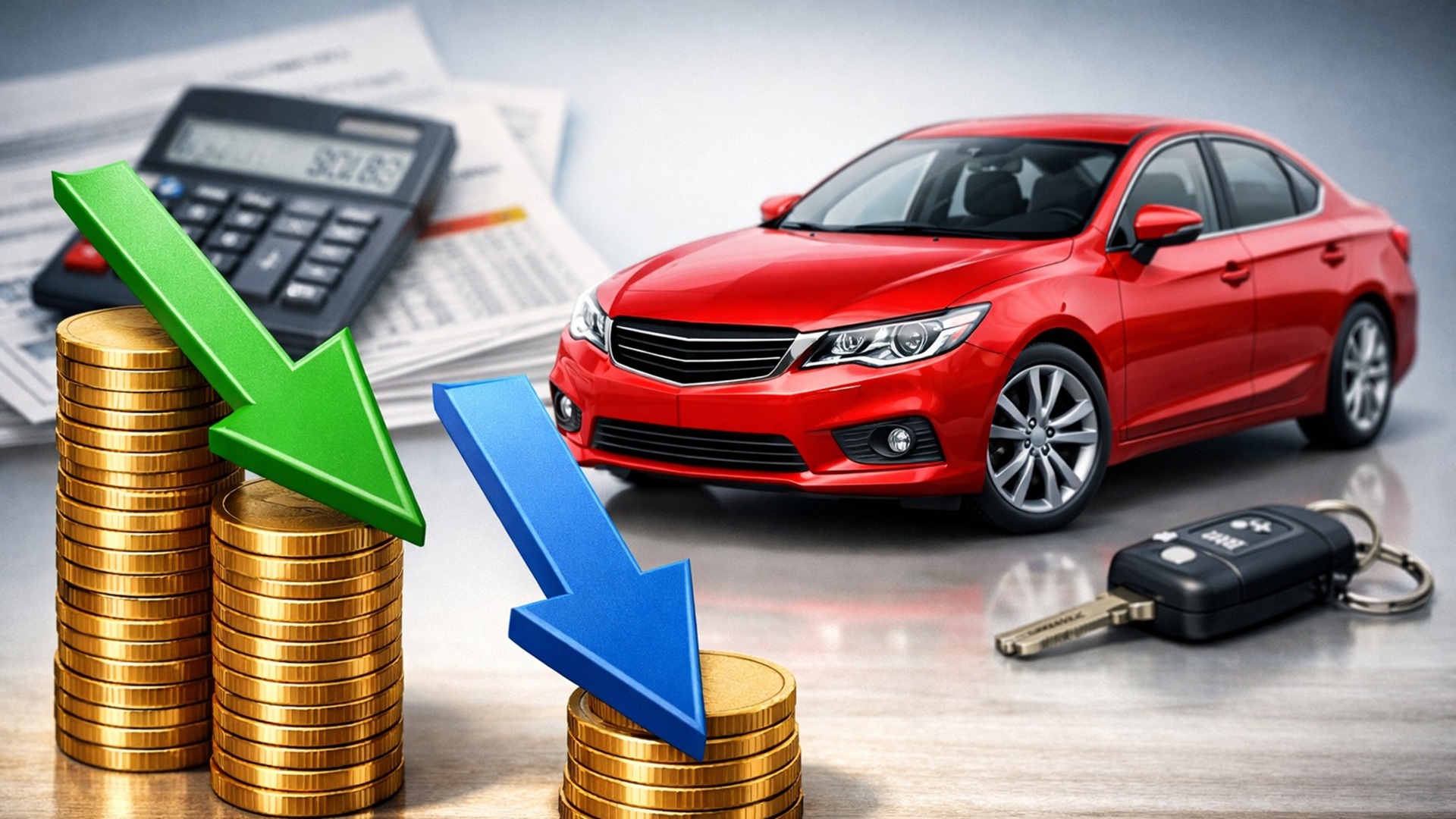
Vehicle Amortization Can Generate Very Different Savings Depending on the Chosen Installment: While Paying Off an Upcoming Installment Offers a Discount of Only R$ 2, Paying Off Final Installments Can Reduce Amounts from R$ 1,754 to R$ 785, Significantly Changing the Total Cost of Financing
Vehicle amortization is a resource provided for in financing contracts that allows consumers to reduce the total debt amount before the final deadline. Although available in most financing options, this strategy is still poorly understood and is often used inadequately, limiting its financial benefits.
When a person finances a car, the amount paid throughout the contract is not limited to the vehicle’s price. The installments include interest calculated on the outstanding balance over time. The longer the term, the higher the final cost tends to be. Vehicle amortization acts precisely at this point, reducing the outstanding balance and consequently the future interest.
In practice, amortization means paying off installments early or reducing part of the outstanding financing balance. This extra payment can change the contract in two main ways: by decreasing the number of remaining installments or reducing the amount of future installments. In both cases, the goal is the same — to pay less interest throughout the financing.
-
Less than a Tera TSI, up to 710 km of range and charging in 9 minutes: the new BYD Song Ultra expands the Chinese brand’s bet on increasingly faster, more technological, and competitively priced electric SUVs.

-
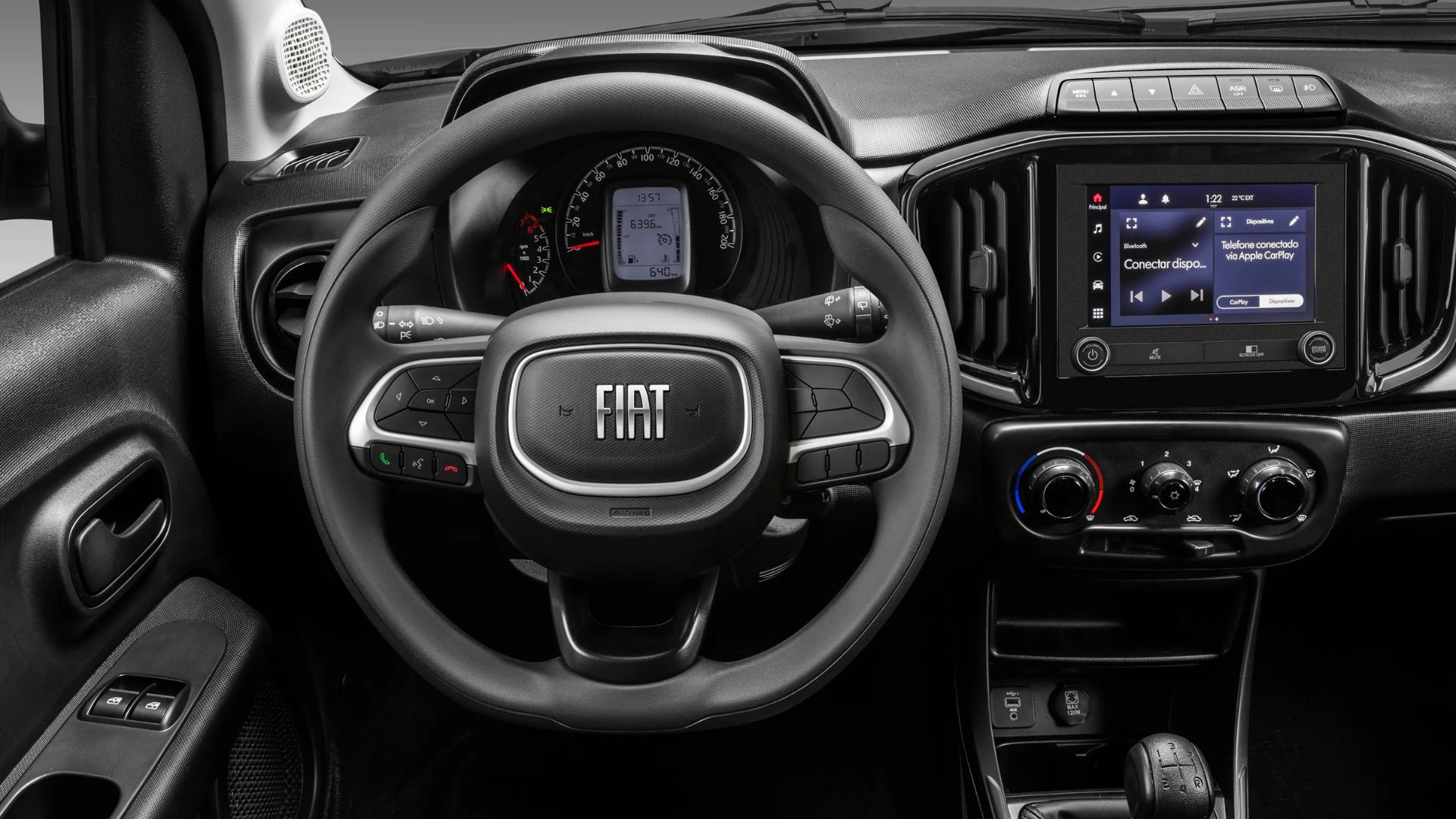
With a 1.0 engine producing 75 hp and costing less than R$ 70,000, Fiat’s car returns to the podium as the cheapest in the country; a temporary promotion for the 2026 Like version reduces the price of the Fiat Mobi.
-
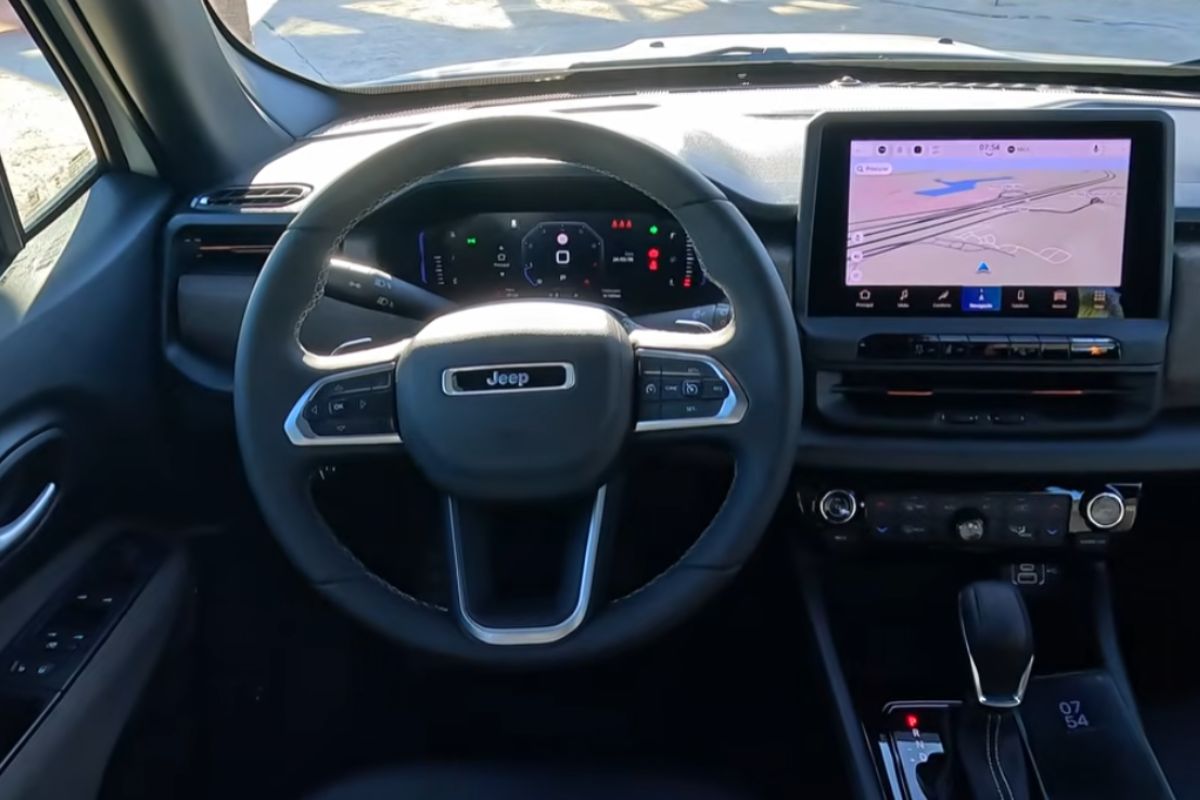
With a mild hybrid system of 48 V, 176 hp and a price of R$ 175,990 in the Sahara version, the new Jeep Renegade changes mostly on the inside, improves slightly in fuel consumption, and remains almost the same car.
-
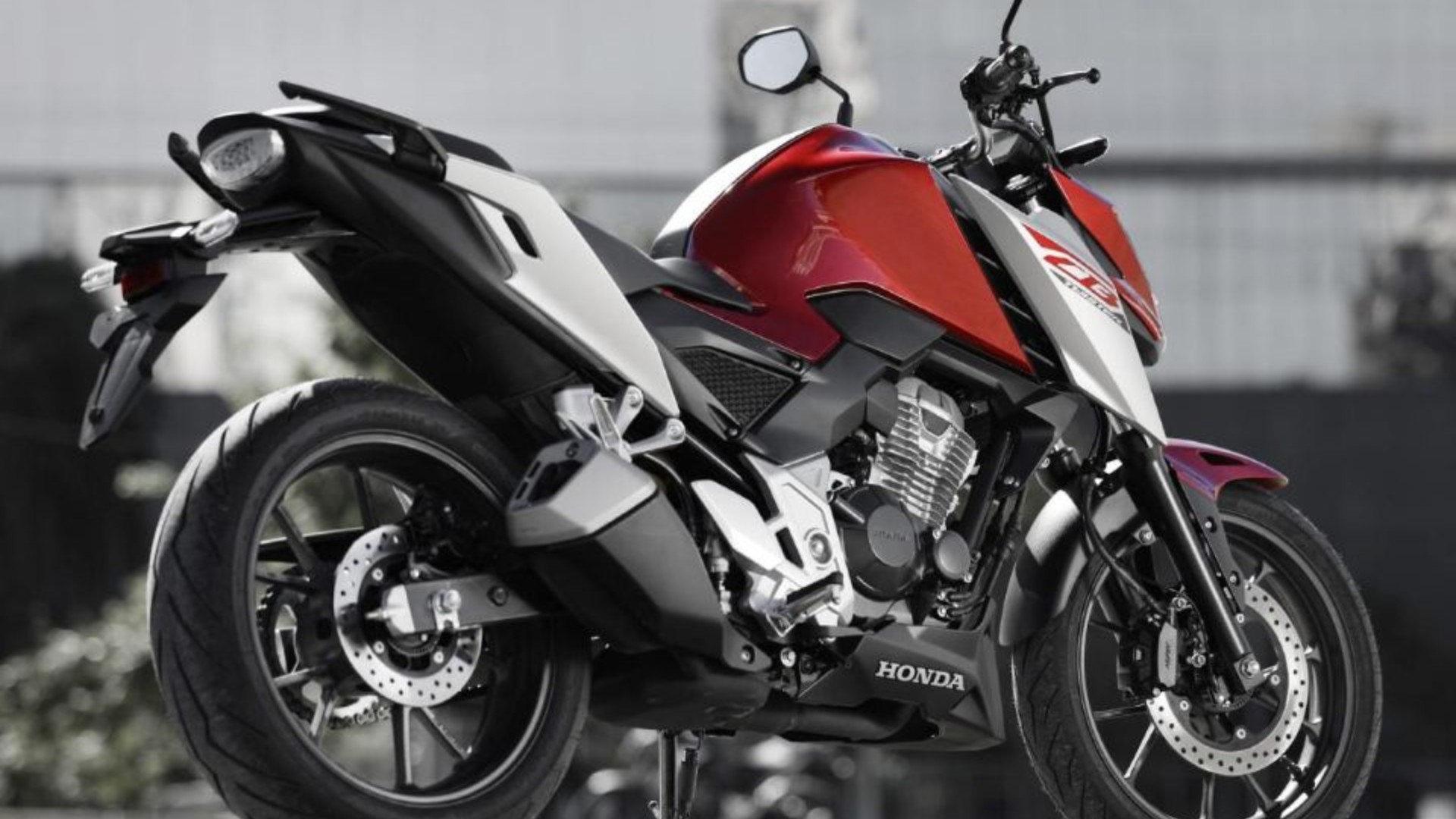
With a 293.5 cm³ engine and a range of up to 400 km with a 14.1-liter tank, the Honda CB 300F Twister 2026 has up to 24.7 hp, an initial price of R$ 25,150, and already exceeds R$ 29,000 in the Fipe Table.
How Vehicle Amortization Works
In vehicle financing, interest is spread over the contracted term. This causes the initial and final installments to have different structures, even when the monthly amount appears to be the same. The installments farther from the beginning of the contract carry a greater share of embedded future interest.
When choosing to amortize a vehicle, the consumer opts to pay off installments that have not yet matured.
The financial system recalculates the value of these installments by removing the interest that would have accrued until the original maturity. The farther away this installment is, the greater the discount tends to be.
Typically, banks offer two options. Amortization with term reduction keeps the installment amounts the same but eliminates installments at the end of the contract.
In contrast, amortization with value reduction maintains the original term but lowers the amount of subsequent installments. The choice depends on the consumer’s financial goal.
Why People Amortize a Vehicle
One of the main reasons is the reduction of the total financing cost. Many consumers realize throughout the contract that the final amount paid for the car can be significantly higher than the vehicle’s original price. Vehicle amortization emerges as a direct way to reduce this difference.
Another important factor is budget organization. By reducing future installments or shortening the financing term, the consumer gains more financial predictability. This is especially relevant in long contracts that can last four, five, or more years.
Amortization is also commonly used when the consumer receives extra resources, such as a thirteenth salary, bonuses, commissions, or amounts from selling another asset. Instead of taking on new expenses, some of these individuals choose to use the money to reduce existing debts.
Additionally, there is an important psychological component. Reducing a large debt generates a sense of financial relief and reduces the monthly income commitment, which is particularly valued in scenarios of high interest rates and economic instability.
The Most Common Mistake in Amortization
A frequent error is believing that any installment pre-payment generates significant savings. In practice, this does not always happen.
When vehicle amortization involves installments very close to their maturity, the discount tends to be minimal, as the majority of the interest on that installment has already been accounted for.
This leads many consumers to feel frustrated when trying to amortize and realizing almost negligible discounts, believing that the resource is not worthwhile.
The problem, most of the time, lies not in the amortization itself but in the choice of installments to be prepaid.
Understanding the Practical Example
In the example presented, the customer has an installment due on 01/10 and simulates early payment on 12/19. By selecting this specific installment, the system offers a discount of only R$ 2, even though it is a high-value installment.
This happens because there is little time left until maturity. The interest corresponding to this period has practically all been accounted for. Pre-paying this installment does not eliminate relevant future interest, resulting in almost no savings.
When the client changes their strategy and opts for vehicle amortization focusing on the last installments of the contract, the scenario changes completely. By selecting installment number 48, the original amount of R$ 1,754 drops to R$ 785. The difference approaches R$ 1,000 in savings on a single installment.
This result occurs because this installment would be due much later. By pre-paying it, the consumer eliminates months or years of interest that would be charged until the original maturity. The bank recalculates the value practically based on the actual outstanding balance, without future charges.
What This Case Reveals About Vehicle Amortization
The example demonstrates that vehicle amortization can be extremely advantageous when done strategically. Pre-paying final installments usually generates the largest discounts and the most accumulated savings throughout the contract.
It also highlights that it’s not enough just to have available money. It is essential to understand the logic of financing and to correctly select which installments will be amortized. The difference between pre-paying a near installment or a distant one can represent savings of a few reais or hundreds of reais.
Another relevant point is that amortization does not depend on contract renegotiation or special authorization. It is a consumer right provided for in financing contracts and regulated by financial system norms.
When Vehicle Amortization Tends to Be Most Advantageous
Amortization tends to yield better results when the financing still has many installments ahead.
The greater the remaining term, the greater the volume of interest embedded in future installments tends to be.
Financing with higher interest rates also amplifies the benefits of amortization. In these cases, each prepaid installment represents a more significant reduction in the vehicle’s total cost.
Vehicle amortization is an efficient tool for those wishing to reduce interest, shorten terms, and pay less for the financed car.
The analyzed example shows that the correct strategy makes all the difference between a symbolic saving and a significant discount.
With information and planning, amortization ceases to be merely a technical contract resource and becomes a conscious financial decision capable of making a real impact on the consumer’s budget.








-

Uma pessoa reagiu a isso.