





 Portuguese
  English
  Spanish
  3 min of reading
  0 comments


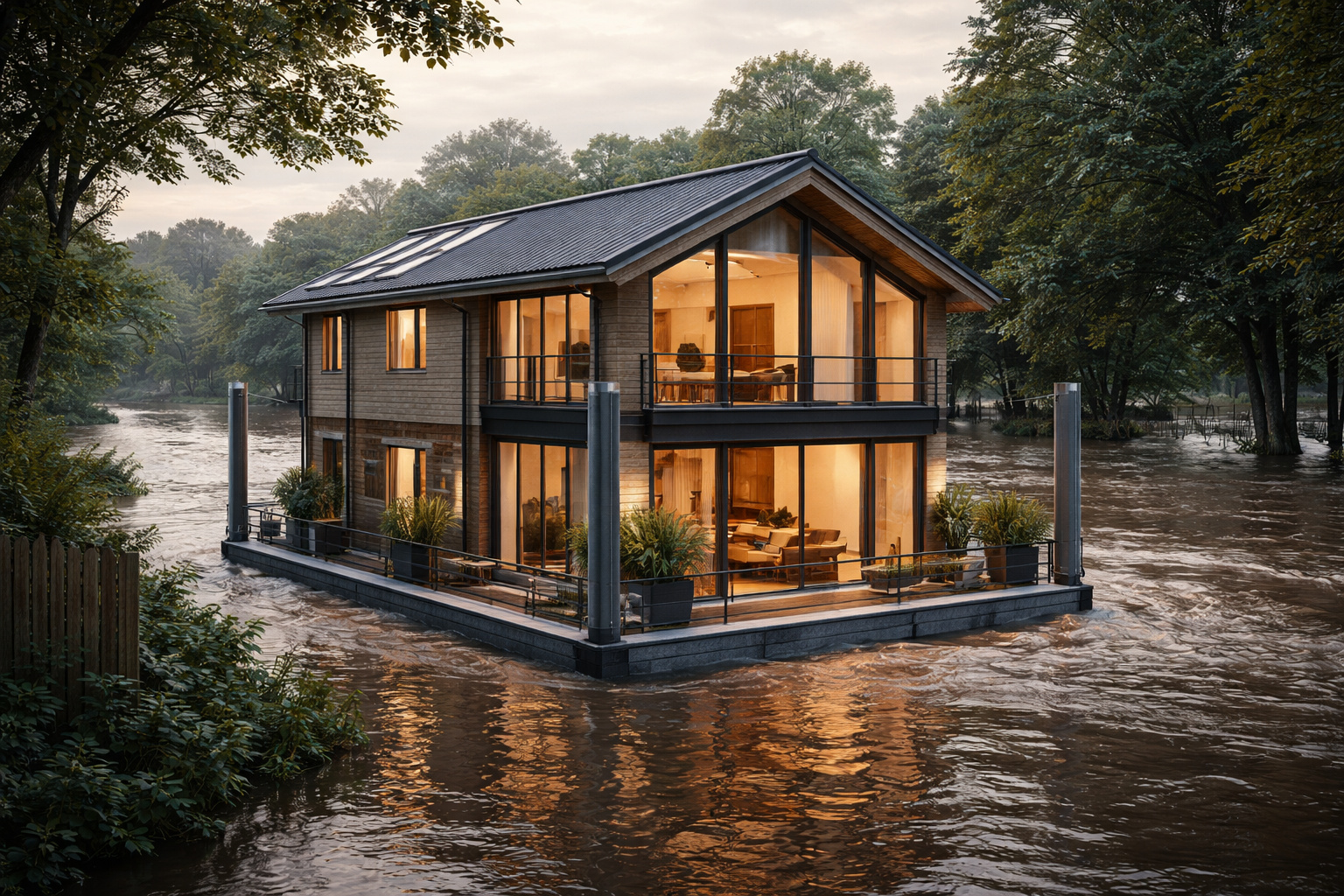
Amphibious architecture redefines the way to inhabit flood-prone areas, combining hydrodynamic engineering, structural safety, and adaptation to climate change
An innovative housing model was presented by the British firm Baca Architects, attracting global attention for its ability to adapt to flooding.
The so-called amphibious houses emerged as a direct response to rising water levels and the intensification of extreme climatic winds.
This architectural solution allows the residence to remain on solid ground most of the time while also floating during floods.
The concept combines stability, safety, and integration with the environment, which repositions the way of building in risk areas.
Technical functioning reveals dynamic adaptation to floods
The structural system of amphibious houses is based on a hollow concrete floating foundation, positioned within a wet retention basin.
When flooding occurs, Archimedes’ Principle comes into play and raises the structure as the water level rises.
At the same time, vertical steel posts ensure that the residence moves only vertically, avoiding lateral displacements.
This mechanism ensures that the construction remains stable and functional even in extreme scenarios.
Moreover, the house returns to its original position as soon as the water level recedes, maintaining its structural integrity.


Technical comparison evidences the advantage of amphibious houses
The amphibious solution presents clear differences compared to other construction models in flood-prone areas.
While amphibious houses utilize dynamic buoyancy, following the water level, structures on stilts adopt fixed resistance.
In this context, stilt houses allow water to pass underneath but have a defined protection limit.
On the other hand, amphibious houses offer flexibility, as they automatically adjust to the height of the flood.
Additionally, access to the property remains at ground level, facilitating everyday use and eliminating the need for stairs or elevated ramps.
-
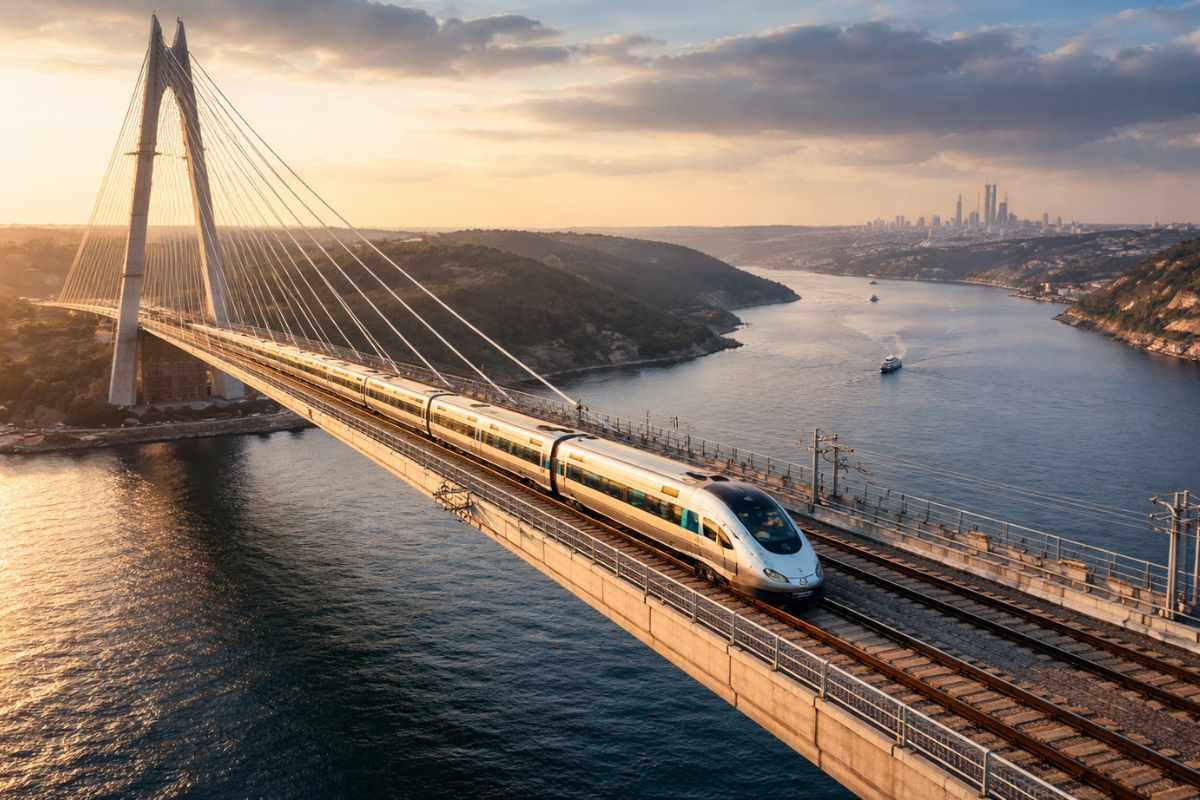
Between tunnels, bridges, and billions in investment, Istanbul is preparing to receive a 125-kilometer railway that crosses continents, enhances the circulation of goods and passengers, and changes the strategic outlook of Turkish transportation.
-
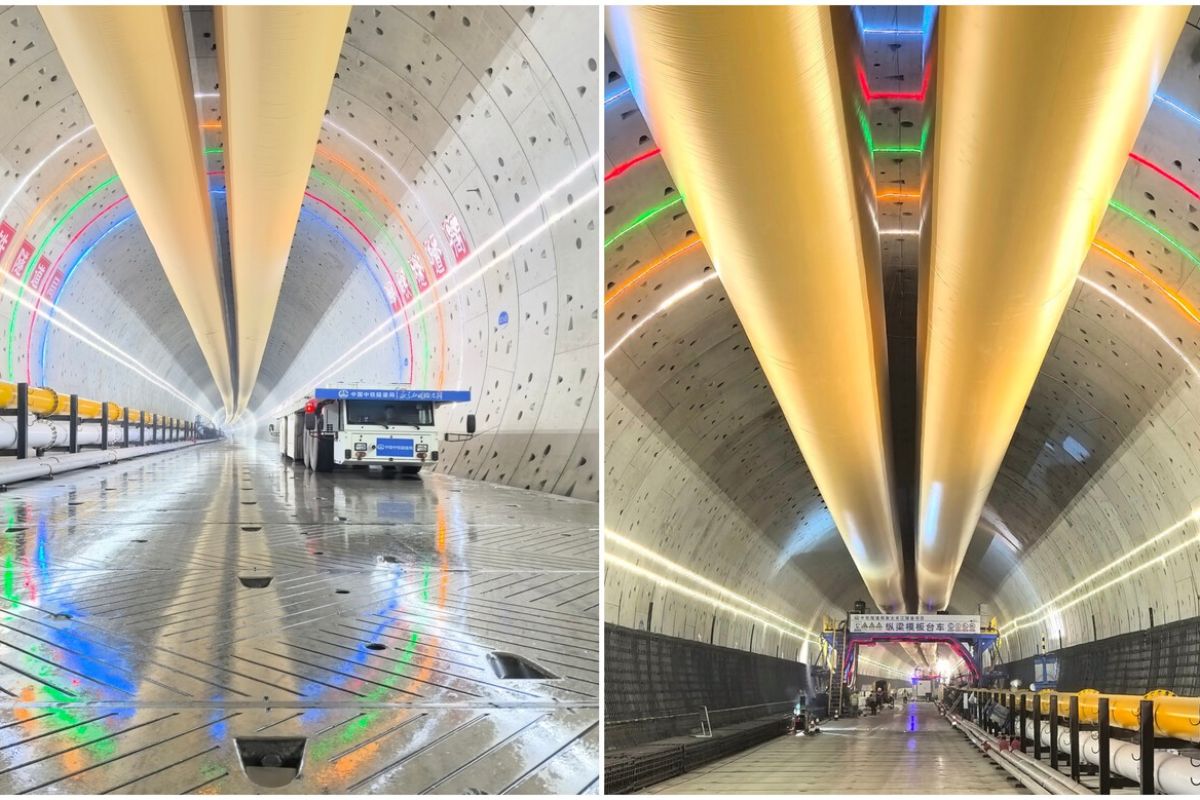
China completes the most critical section under the Yangtze River with the intelligent tunneling machine Linghang, excavating 11.32 continuous kilometers at depths of up to 89 meters and transforming the Chongming-Taicang tunnel into a landmark that redefines the scale of high-speed rail engineering in the 21st century.
-
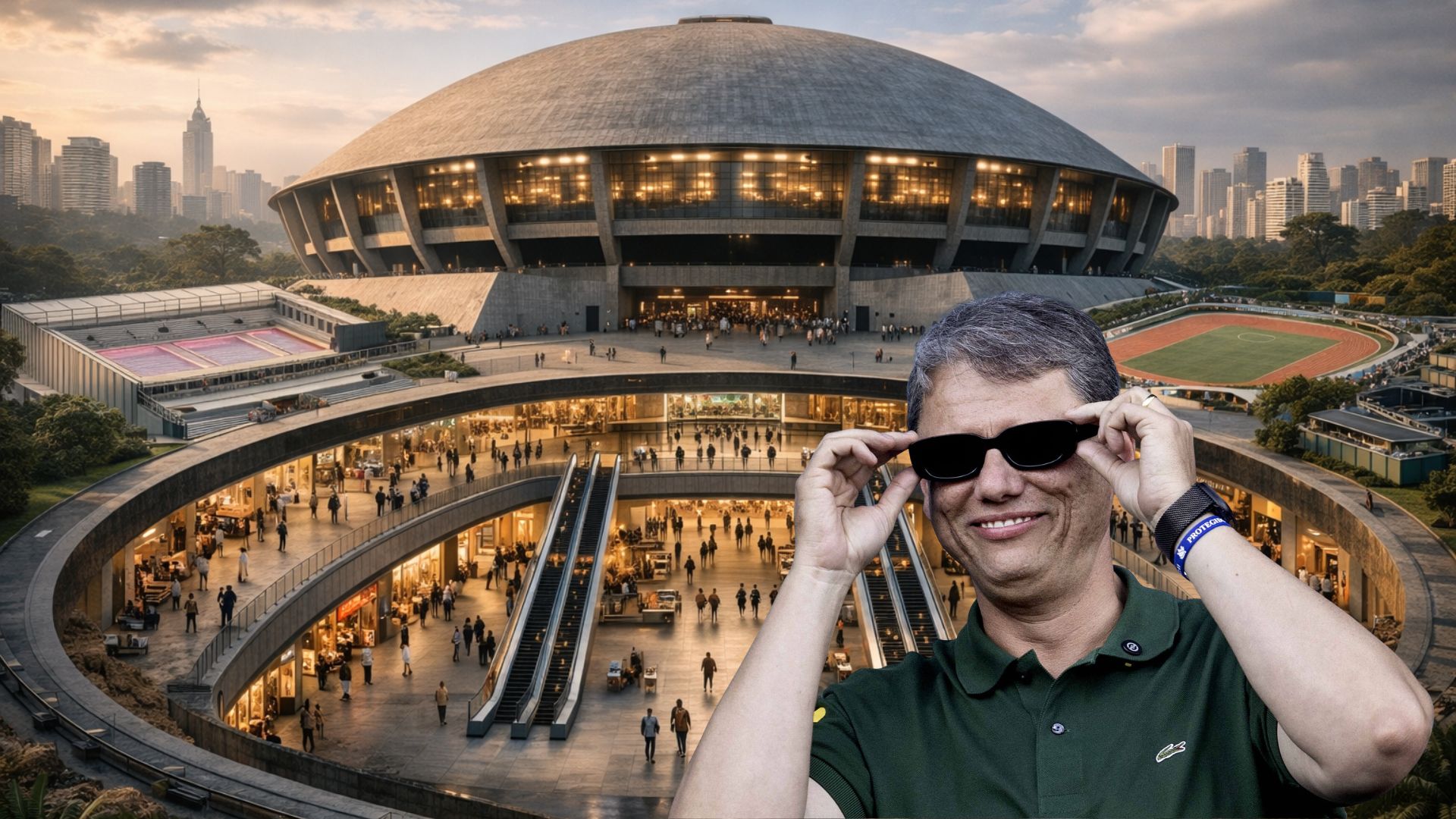
The government of São Paulo surprises South America with a plan to transform the famous Ibirapuera with underground shops, air conditioning, and a 25-year concession in a billion-dollar project that expands the audience, alters a protected area, and provokes an immediate reaction.
-
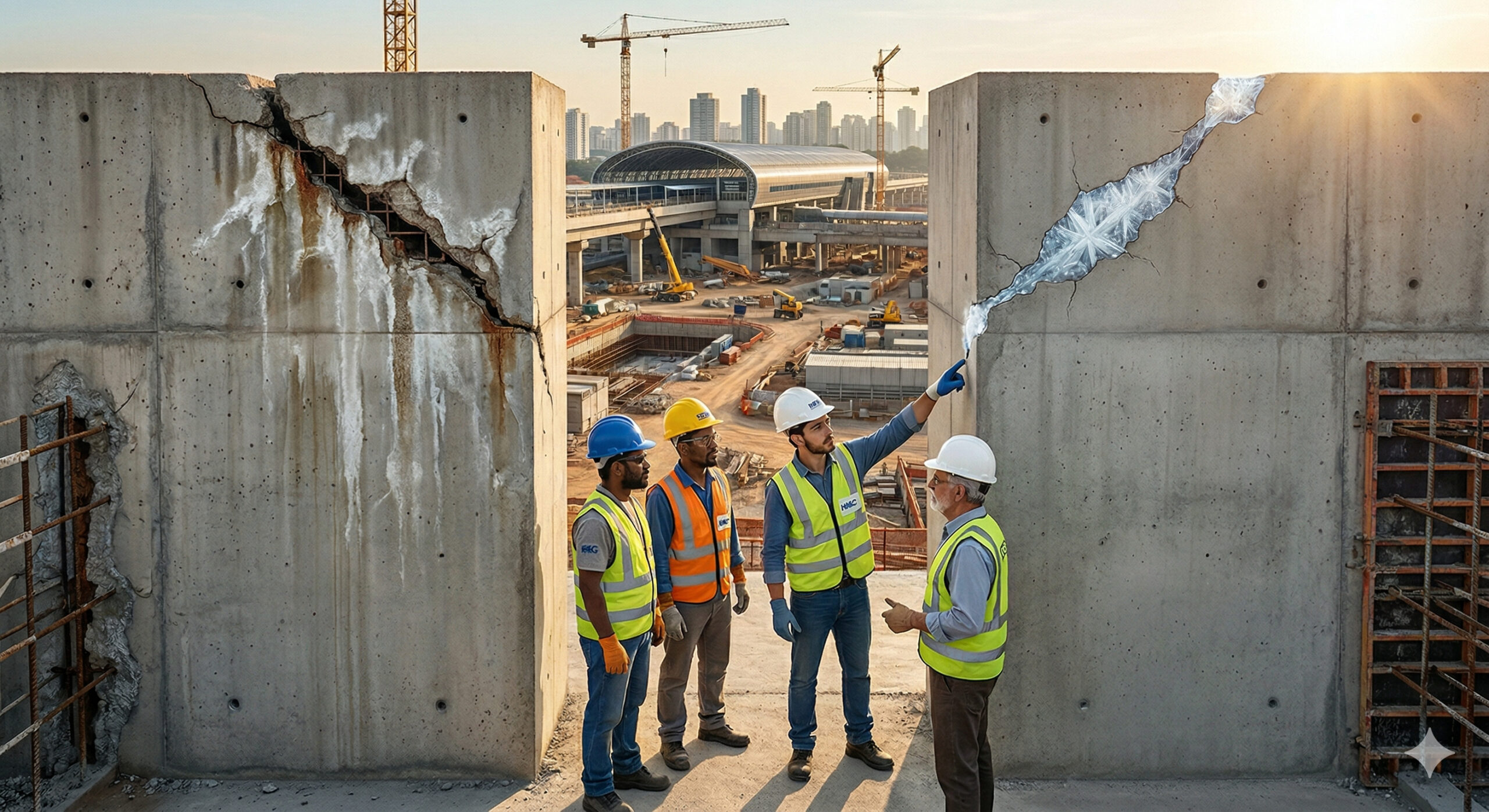
With a lifespan of up to 60 years and a cost up to 30% higher than conventional concrete, self-healing concrete is already being used in Brazil to eliminate leaks, reduce maintenance, and is changing the real cost of construction projects.

Projects in the United Kingdom boost global reference
The most emblematic project was built on the banks of the River Thames, establishing itself as an international reference in resilient urbanism.
Since then, the technology has been monitored by British environmental agencies, which assess its effectiveness in real scenarios.
This model has begun to inspire studies in coastal cities and flood-prone regions worldwide.
In Brazil, guidelines from the National Civil Defense direct occupations in critical areas, reinforcing the importance of adaptive solutions.
Practical application expands urban possibilities
Amphibious houses are primarily indicated for riverside regions and coastal cities.
These areas face recurring floods, which require solutions capable of responding quickly to variations in water levels.
Moreover, the project prioritizes energy efficiency and the use of lightweight materials, facilitating buoyancy.
Among the main differentiators, the following stand out:
• Flexible connections, allowing for the adaptation of pipelines during buoyancy
• Asset protection, ensuring the safety of furniture and equipment
• Real estate appreciation, enabling areas previously considered unsuitable
• Sustainability, reducing impacts on the natural water cycle
Technical planning guarantees structural safety
The development of an amphibious house requires the joint action of architects, naval engineers, and hydrologists.
This multidisciplinary work is essential to calculate buoyancy, structural load, and stability of the construction.
In Brazil, data from IBGE assist in the analysis of watersheds and urban areas.
This information allows for the identification of regions with potential for the application of the technology.
Thus, planning becomes more precise and aligned with local environmental conditions.
Adaptive architecture redefines relationship with the environment
Amphibious architecture does not seek to resist nature, but rather to follow its movements.
This concept represents a significant shift in the way urban occupation is thought of in vulnerable areas.
By integrating engineering, sustainability, and climate adaptation, these constructions offer a concrete response to current environmental challenges.
In light of this advancement, the adoption of this technology could transform the way cities deal with floods and extreme events.
Will traditional architecture be able to keep up with the necessary evolution to face climate change, or will amphibious houses become the standard in the future?







Seja o primeiro a reagir!