





 Portuguese
  English
  Spanish
  5 min of reading
  0 comments


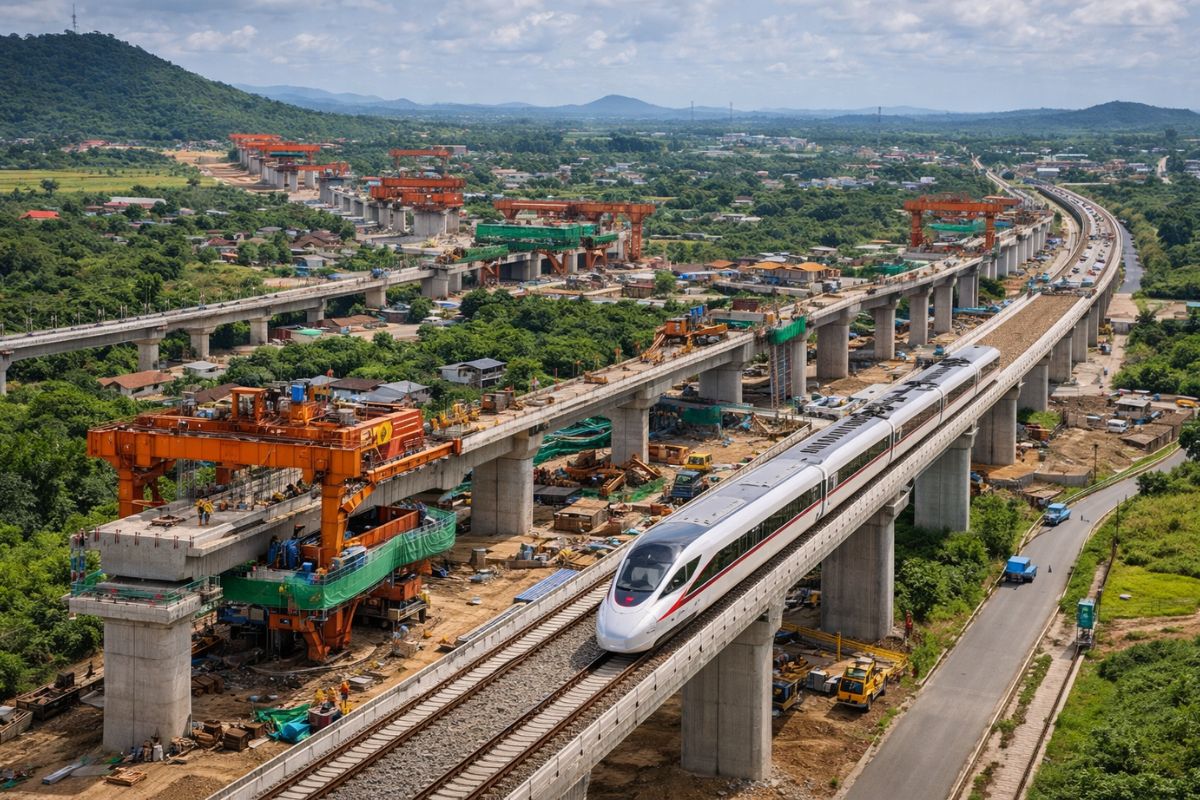
Vietnam divided the North-South high-speed train megaproject into 17 independent projects through Resolution No. 98, allowing compensation, resettlement, and construction works to progress simultaneously in different sections without depending on the completion of centralized stages.
Vietnam has made a decision that could change the pace of one of the largest infrastructure projects in Asia. The government issued Resolution No. 98 on April 6, 2026, which divides the North-South high-speed train megaproject into 17 independent projects, each with the autonomy to advance in land compensation, community resettlement, and the start of works without having to wait for the other stages of the national project to be completed. The measure aims to accelerate progress and optimize investment resources in a railway that will cross the entire country.
The logic is practical. Instead of treating the high-speed train megaproject as a single monolithic work that depends on centralized approvals, Vietnam created 17 work fronts that can advance in parallel. The decision-maker for investment in each project is authorized to prepare, evaluate, and decide on the investment based on preliminary project documents, without needing to reapprove the overall investment policy. For a country that needs to build a high-speed railway cutting through its territory from north to south, eliminating bureaucratic bottlenecks can mean years saved in the schedule.
Why Vietnam decided to divide the high-speed train megaproject into 17 parts
Megaprojects in any country around the world suffer from the same problem: excessive centralization that creates bottlenecks, according to Dan Tri Newspaper. When a single authority needs to approve each stage of a work that extends for hundreds of kilometers, any delay in one section paralyzes all the others.
-
Couple builds earth house using hyperadobe technique and green roof without tarpaulin: the project uses gelmembrane, adobe partitions, and plaster with cactus slime, and the kitchen is already ready with a move planned in two months.

-
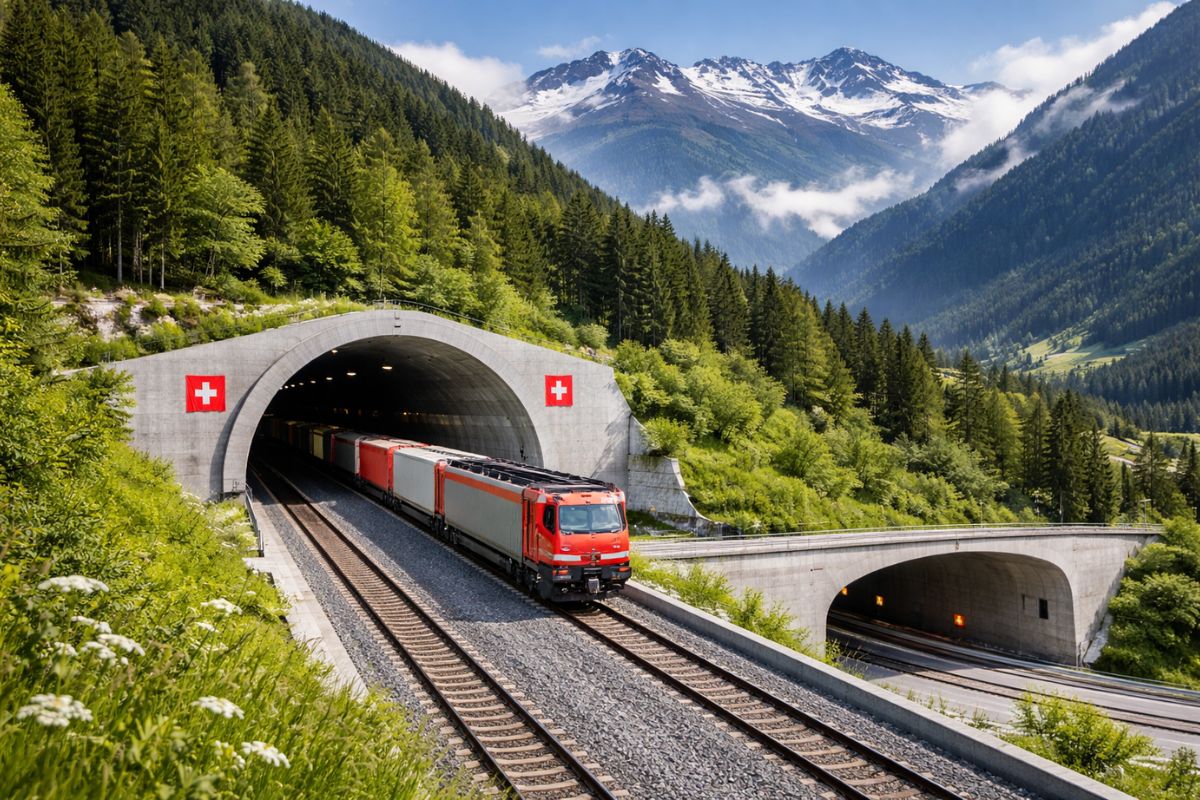
Switzerland has hidden more than 1,400 tunnels beneath the Alps to take trucks out of the mountains, and the result has already prevented hundreds of thousands of tons of CO2 without passengers noticing the difference.
-
Recycled material costs less than half of concrete, pollutes much less, and gives the garage entrance a flawless appearance, but almost no one knows about this ecological alternative that has existed for years.

-
The company transforms discarded clothing into eco-friendly bricks that are resistant to fire and moisture; FabBRICK has already reused more than 12 tons of fabric.

The expropriation of land, the resettlement of families, and the relocation of technical infrastructure such as power grids are processes that vary greatly from region to region and do not need to wait for each other.
By separating the high-speed train megaproject into 17 independent projects, Vietnam allows each section to resolve its local issues at its own pace.
A region where land expropriation is straightforward can start construction while another region is still negotiating with affected communities. The expected result is that the railway advances simultaneously on multiple fronts, drastically reducing the total construction time.
What each of the 17 independent projects can do without depending on the others
Resolution No. 98 gives significant autonomy to each of the 17 sections. The managers of each project can select contractors through direct hiring, restricted bidding, or other methods provided for in Vietnamese legislation, including EPC (Engineering, Procurement, and Construction), EC (Engineering and Construction), and turnkey contracts.
This flexibility in contracting accelerates the start of works because it eliminates the need for unified bidding processes for the entire railway.
Compensation and resettlement in each section of the high-speed train megaproject are implemented as soon as the investor submits the documents and defines the land boundaries for expropriation to local authorities and the Vietnam Electricity Group (EVN).
Project adjustments are updated and approved locally, with financing allocated annually from central and local budgets. Each project operates as a mini-project within the megaproject, with its own budget and timeline.
The technical requirements that Vietnam imposed to ensure quality in the high-speed train megaproject
Dividing into 17 projects does not mean losing control. The Ministry of Construction, in coordination with relevant ministries and sectors, guides project consultants to create the straightest possible route, ensuring accuracy in technical parameters to adapt them to the topographical, geological, and hydrological conditions of each section.
The goal is to minimize the need for realignment of the route after deforestation, avoiding waste of resources and rework.
The resolution also mandates continuous monitoring of the implementation of the special mechanisms created for the high-speed train megaproject. Authorities must promptly communicate any difficulties and recommend solutions, ensuring compliance with practical requirements and preventing legal violations, waste, and corruption.
For a project of this scale in a developing country, the balance between execution speed and quality control is the factor that determines whether the railway will be completed on time or face the same delays that affect large works throughout Asia.
What the North-South high-speed railway means for Vietnam
The North-South high-speed train megaproject is one of the most ambitious works of contemporary Vietnam. The railway will connect the north to the south of the country, crossing regions with very different geographical, economic, and demographic characteristics, from densely populated urban areas like Hanoi and Ho Chi Minh City to rural and mountainous sections in the central territory.
The high-speed rail connection promises to drastically reduce travel time between the two largest cities in the country.
For the Vietnamese economy, the railway represents market integration that currently depends on congested highways and expensive domestic flights. Goods and passengers will be able to move across the country with speed and efficiency that the current infrastructure simply does not offer.
Vietnam, which is one of the fastest-growing economies in Southeast Asia, bets that the high-speed train megaproject will be the catalyst for a new development cycle that will connect regions that currently operate in a fragmented manner.
What other countries can learn from Vietnam’s strategy of dividing the high-speed train megaproject
The decision to fractionate a national work into independent projects is not common, but it can become a reference. Countries like Brazil, India, and Indonesia face similar challenges in infrastructure megaprojects that get stuck due to centralized bureaucracies, slow expropriations, and bidding processes that take years to complete.
The Vietnamese approach of 17 parallel fronts offers an alternative that maintains central control over technical standards but distributes execution in a decentralized manner.
If Vietnam’s high-speed train megaproject is completed on schedule thanks to this strategy, the model can be replicated in other countries that are trying to build extensive railways without the unlimited resources of China or the railway tradition of Europe.
Resolution No. 98 may seem like a bureaucratic document, but in practice, it is a decision that could determine whether Vietnam will have its railway in a decade or in three.
What do you think of Vietnam’s strategy of dividing the high-speed train megaproject into 17 independent works? Do you believe Brazil should adopt a similar approach in its infrastructure projects? Share your thoughts in the comments. Creative solutions to unlock large works deserve discussion, especially in countries where delays are the rule rather than the exception.







Seja o primeiro a reagir!