





 Portuguese
  English
  Spanish
  5 min of reading
  0 comments


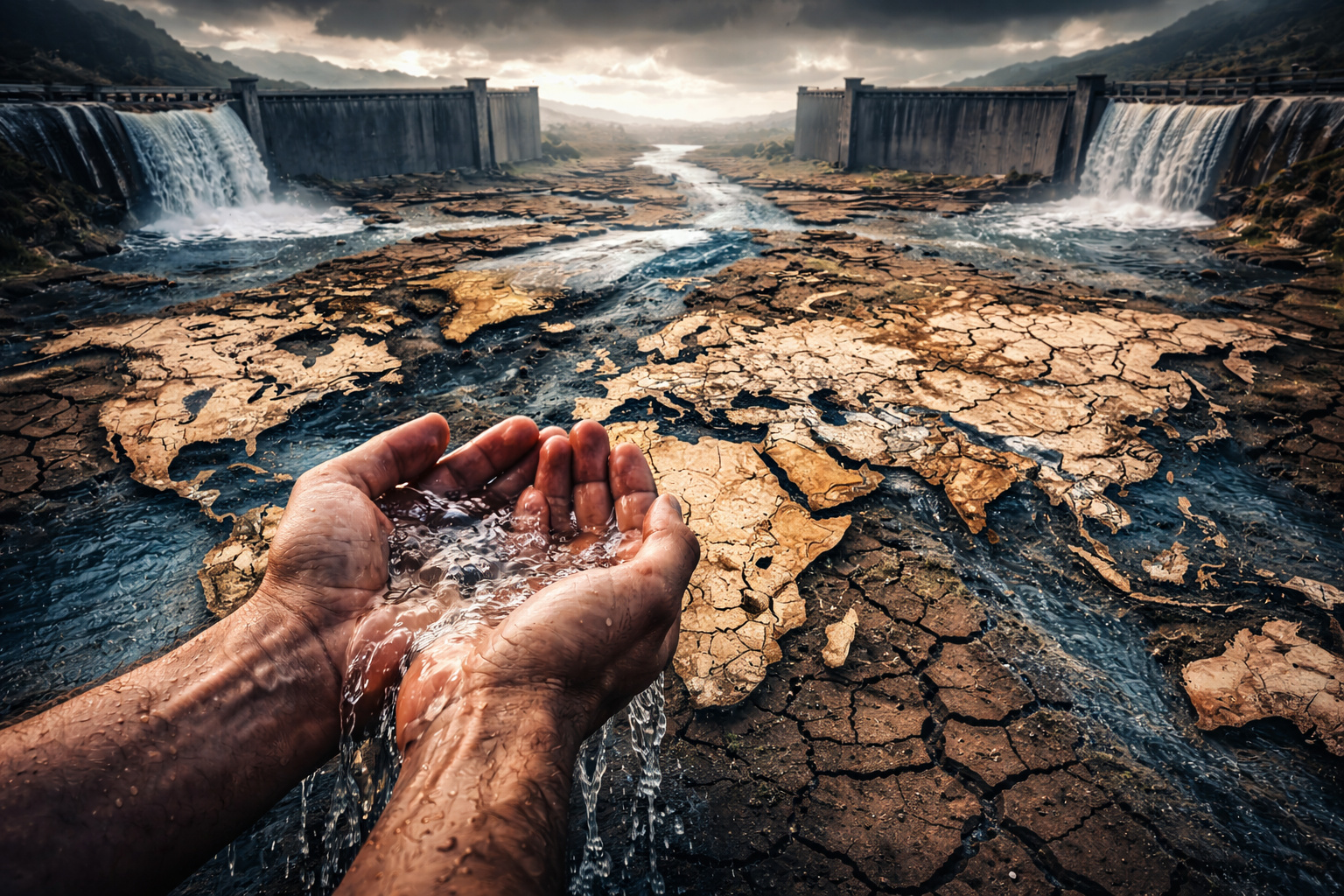
Half of humanity already lives under water stress and water emerges as a geopolitical weapon with disputes between India, China, Ethiopia, and Turkey.
Water has never been a direct cause of large-scale war. But it is increasingly close to becoming one. According to the Stimson Center, a Washington think tank that has monitored global risks since 2017, and the Eurasia Group, one of the leading political risk consultancies in the world, water has made it onto the list of the top ten global risks for 2026. The explanation is straightforward: half of humanity already lives under conditions of water stress, there is no global treaty regulating conflicts over water, and many of the planet’s most tense points involve rivers shared between countries that cannot establish agreements.
Reports from TIME and GIS Reports reinforce the scenario: institutional protection structures are fragile, cooperation mechanisms are limited, and any extreme event — drought, flood, or conflict — can turn water into a factor of geopolitical escalation.
India and Pakistan enter tension after suspension of the Indus Water Treaty signed in 1960
The Indus River is one of the most important river systems in the world, with a flow greater than that of the Nile. In 1960, India and Pakistan signed the Indus Water Treaty with mediation from the World Bank, dividing control of the rivers and establishing clear usage rules. The agreement survived wars, nuclear crises, and decades of hostility.
-
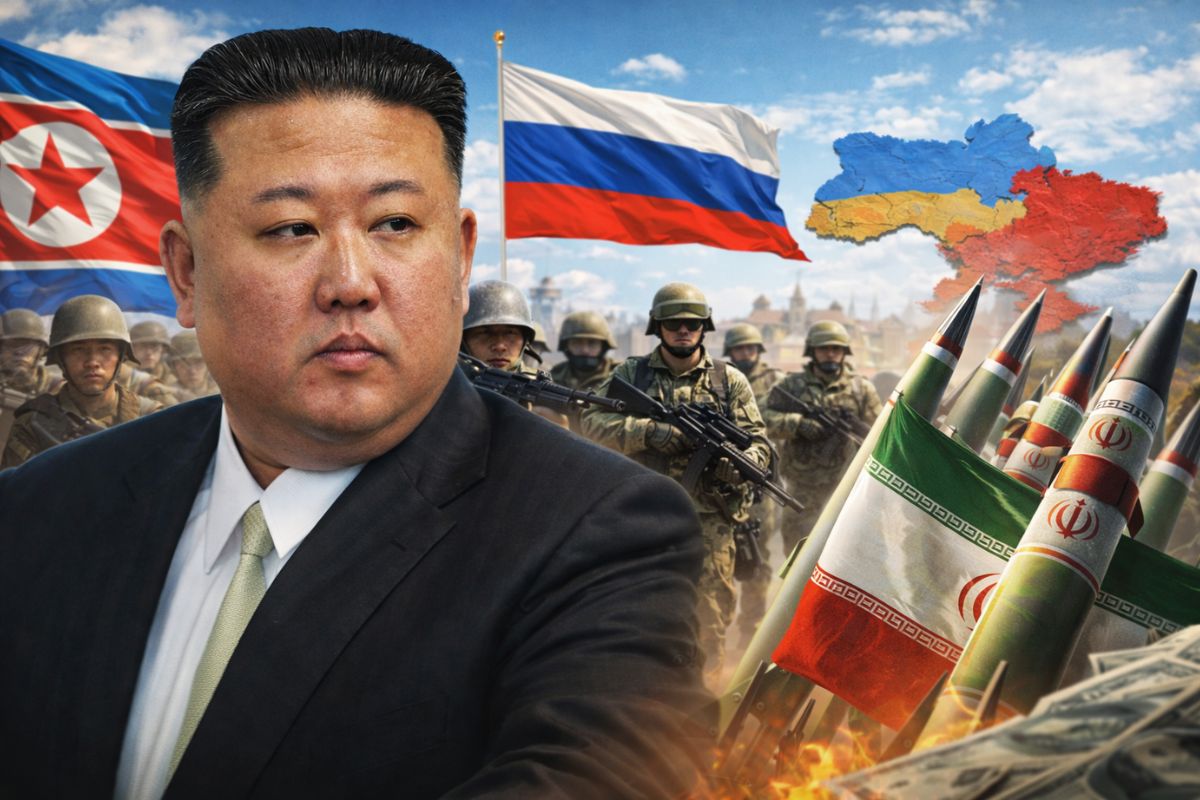
Kim Jong-un sends troops to fight alongside Russia in Ukraine but refuses to send weapons to Iran: North Korea’s risky strategy to please the United States without breaking ties with its old allies.
-
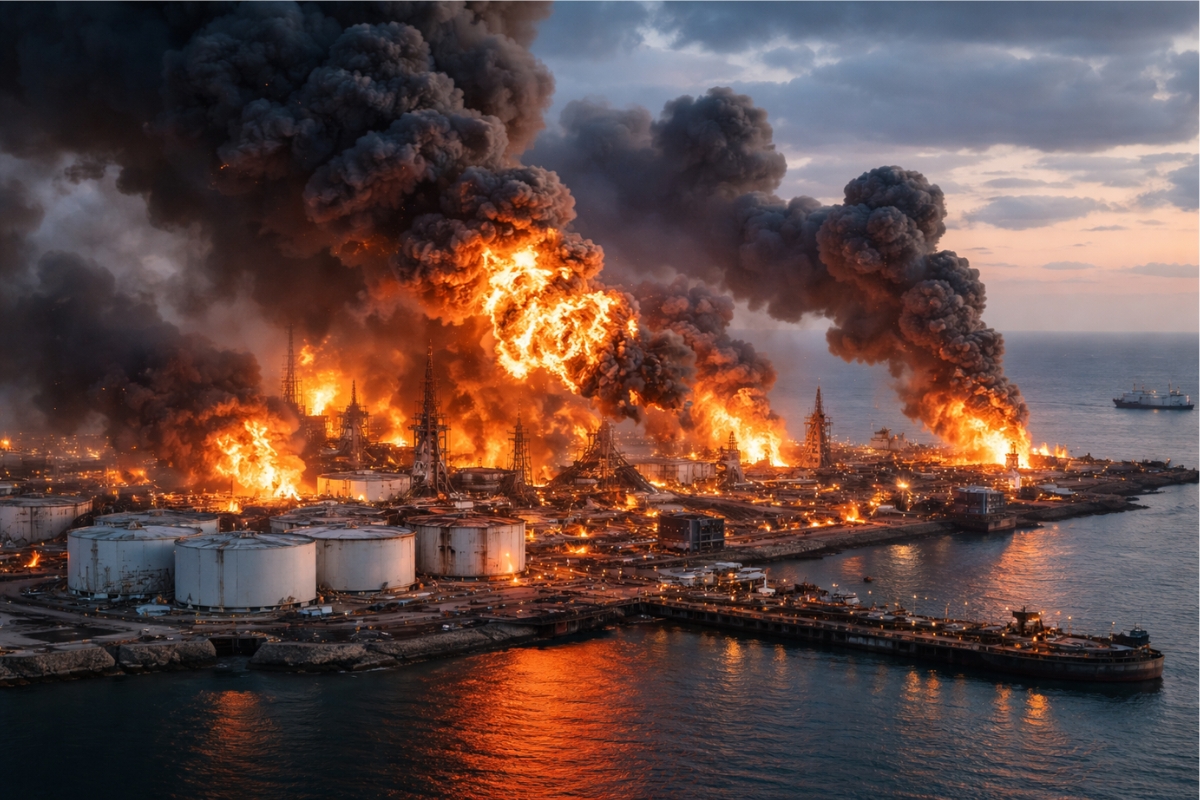
Trump says “An entire civilization will die tonight, never to return” while threatening Iran after more than 50 attacks on the country’s main oil terminal.
-
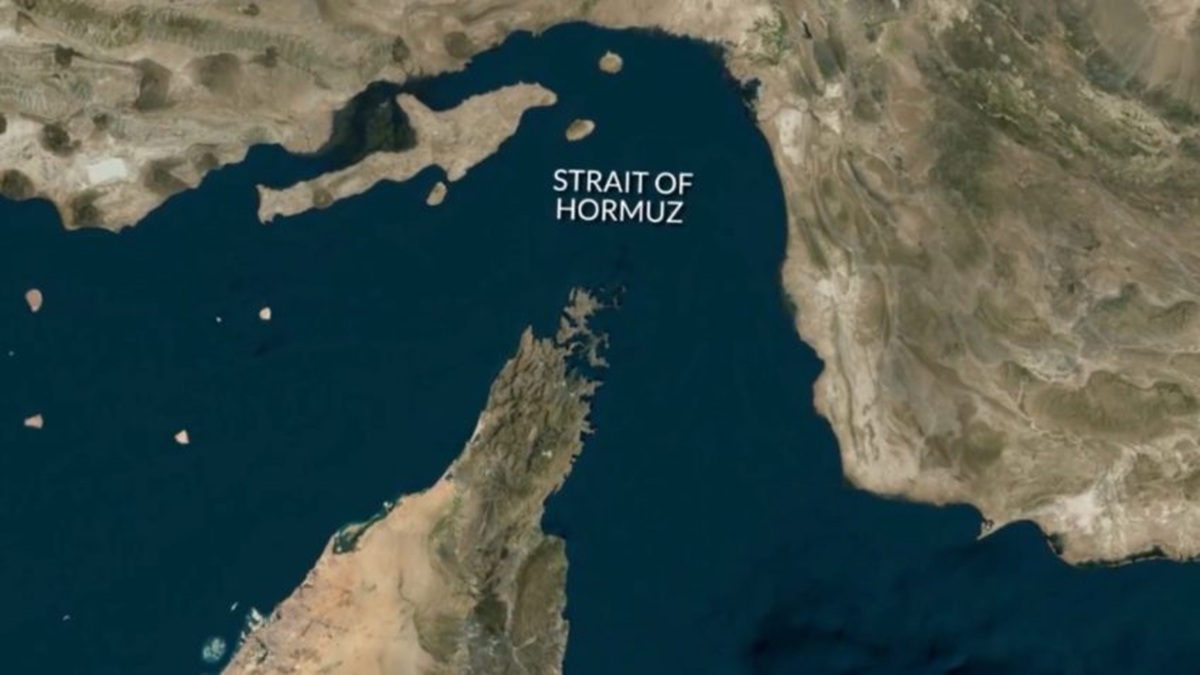
An independent Wall Street research firm claims to have sent an analyst to the Strait of Hormuz – and this is what he discovered.
-
China signs unprecedented trade agreement with Kenya, paving the way for 98% of the country’s exports to enter tariff-free, a move that could reshape the economic axis of the largest economy in East Africa.
This balance was interrupted in April 2025, when India suspended its participation in the treaty after a terrorist attack, citing security issues and climate change.
The impact is direct: Pakistan depends on the Indus to irrigate a large part of its agriculture, while India controls the headwaters of the system. Two nuclear-armed countries began to operate without the main mechanism that regulated access to the most critical resource for their populations.
Ethiopian dam on the Nile generates conflict with Egypt, which depends on the river for 97% of its water
On the Nile River, tension involves Ethiopia and Egypt in one of the world’s most sensitive water conflicts. Ethiopia built the Grand Ethiopian Renaissance Dam (GERD), the largest infrastructure project in the country, with the capacity to double its electricity generation.


Egypt, in turn, depends on the Nile for approximately 97% of its freshwater.
The absence of a binding agreement between the countries turns the project into a critical point of tension. The Egyptian fear is that rapid filling of the reservoir or water retention during dry periods will compromise its agriculture and food security.
China plans the largest dam in the world on the Yarlung Tsangpo and expands control over Asian rivers
China is advancing on one of the most strategic projects in global water geopolitics: the construction of a mega-dam on the Yarlung Tsangpo River, which becomes the Brahmaputra upon entering India and Bangladesh.
The project could give China direct control over the water flow of one of Asia’s major watersheds. There is no binding treaty regulating the sharing of these waters.
Experts point to clear risks: water retention during dry periods or excessive release during monsoons, with the potential to cause droughts or floods in downstream countries. The lack of transparency in data sharing further exacerbates tensions between China and India.
Turkey reduces flow of the Tigris and Euphrates, impacting agriculture and stability in Iraq
Turkey has already demonstrated, in practice, how water can be used as an instrument of state power. The Southeastern Anatolia Project (GAP), consisting of 22 dams and 19 hydroelectric plants, has profoundly altered the flow of the Tigris and Euphrates rivers.
The impacts are significant: up to a 40% reduction in the Tigris and up to 90% in the Euphrates. In Iraq, the effects include crop loss, ecosystem collapse, and increased social tensions related to water scarcity and soil salinization.
Mekong reveals how Chinese dams influence Southeast Asian economies
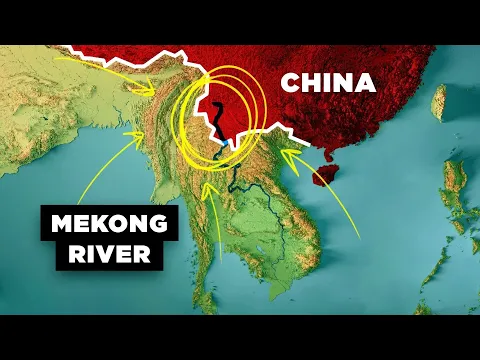
On the Mekong River, China already operates a series of dams that control the water flow to countries such as Vietnam, Cambodia, Laos, and Thailand. These nations directly depend on the river for agriculture, fishing, and sediment transport.
Reports indicate a decline in agricultural productivity and reduced fishing, associated with changes in river flow. The absence of mandatory data-sharing mechanisms places downstream countries in a position of structural vulnerability.
In regions such as the Sahel, Lake Chad, and the Horn of Africa, water scarcity goes beyond the environmental field and becomes a security factor.
Armed groups use control of water sources as a mechanism for recruitment and territorial domination.
The World Bank points out that 20 of the 39 countries considered fragile or affected by conflicts in 2026 are in Africa, highlighting the direct relationship between water stress, political instability, and violence.
More than 310 rivers and 500 aquifers cross borders without effective global governance
More than 310 rivers and lakes and over 500 aquifers cross international borders, supporting about 52% of the world’s population. Despite this massive dependence, there is no global treaty strong enough to regulate the use of these waters.
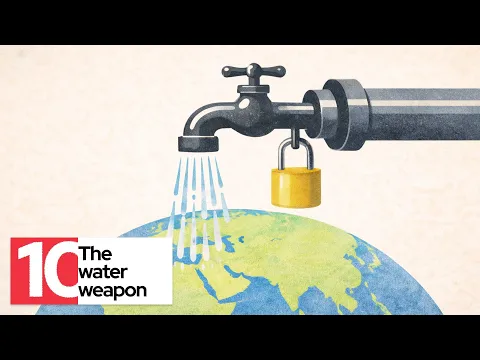
The UN Convention on the Law of Non-Navigational Uses of International Watercourses, created in 1997, has not been ratified by a significant number of countries. Regional organizations have limited capacity and lack enforcement mechanisms.
2.2 billion people lack access to safe drinking water and climate change aggravates the situation
The human data reinforces the severity of the situation. About 2.2 billion people lack access to safe drinking water, while 3.5 billion live without adequate sanitation conditions.
Climate change intensifies the problem by making rainfall patterns unpredictable and increasing the frequency of extreme events.

Old treaties, based on fixed volumes of water, are becoming increasingly inadequate in the face of current climate variability.
Water is rarely the direct cause of wars, but it acts as a risk multiplier. It amplifies political, economic, and social crises, potentially turning local tensions into larger-scale conflicts.
Droughts can generate mass migration, floods can provoke territorial disputes, and scarcity can destabilize governments.
Water infrastructure becomes a strategic target in modern armed conflicts
Recent events show a new dimension of the problem: the deliberate destruction of water infrastructure.
The destruction of the Kakhovka dam in Ukraine in 2023 highlighted the humanitarian and environmental impact of attacks on water systems. These structures have come to be considered strategic targets, with effects that can last for decades.
Water has ceased to be just a natural resource and has taken a central position in global geopolitics. Without robust international governance and with increasing dependence on shared systems, the scenario points to rising tensions.
In your view, is the competition for water likely to become the main factor of conflict in the near future?






Seja o primeiro a reagir!