





 Portuguese
  English
  Spanish
  5 min of reading
  0 comments


Treated as a treasure by Greeks and Romans, silphium grew in the region of present-day Libya, was used as a contraceptive, abortifacient, medicine, perfume, and spice, withstood human cultivation, disappeared in ancient times, and still raises questions about extinction, exploration, and possible survival
The Romans transformed silphium into one of the most valuable plants of antiquity, attributing to it uses related to contraception, abortion, medicine, food seasoning, perfumery, and livestock improvement. The herb, which grew wild in the territory of present-day Libya, completely disappeared after centuries of intense exploitation and a supply that could never be expanded through human cultivation.
The prestige of silphium spanned generations and reached central figures of Roman power. There are records that Julius Caesar kept a stock of the plant in the treasury, while Pliny the Elder stated that Emperor Nero possessed the last known stalk.
The rarity and value of the plant fueled the idea that demand outstripped supply until its definitive collapse. There was also the hypothesis that extramarital sex in elite Roman circles may have driven this consumption, although the disappearance of silphium remains shrouded in uncertainties.
-
With images from NASA’s Juno spacecraft, researchers detected lightning on Jupiter that is up to 100 times stronger than that on Earth.

-
For the first time, scientists have mapped the Etna magma system in almost real time and discovered where the volcano was storing large volumes of molten material before years of eruptions, revealing an underground reservoir that fills and reorganizes like a living organism beneath the mountain.

-
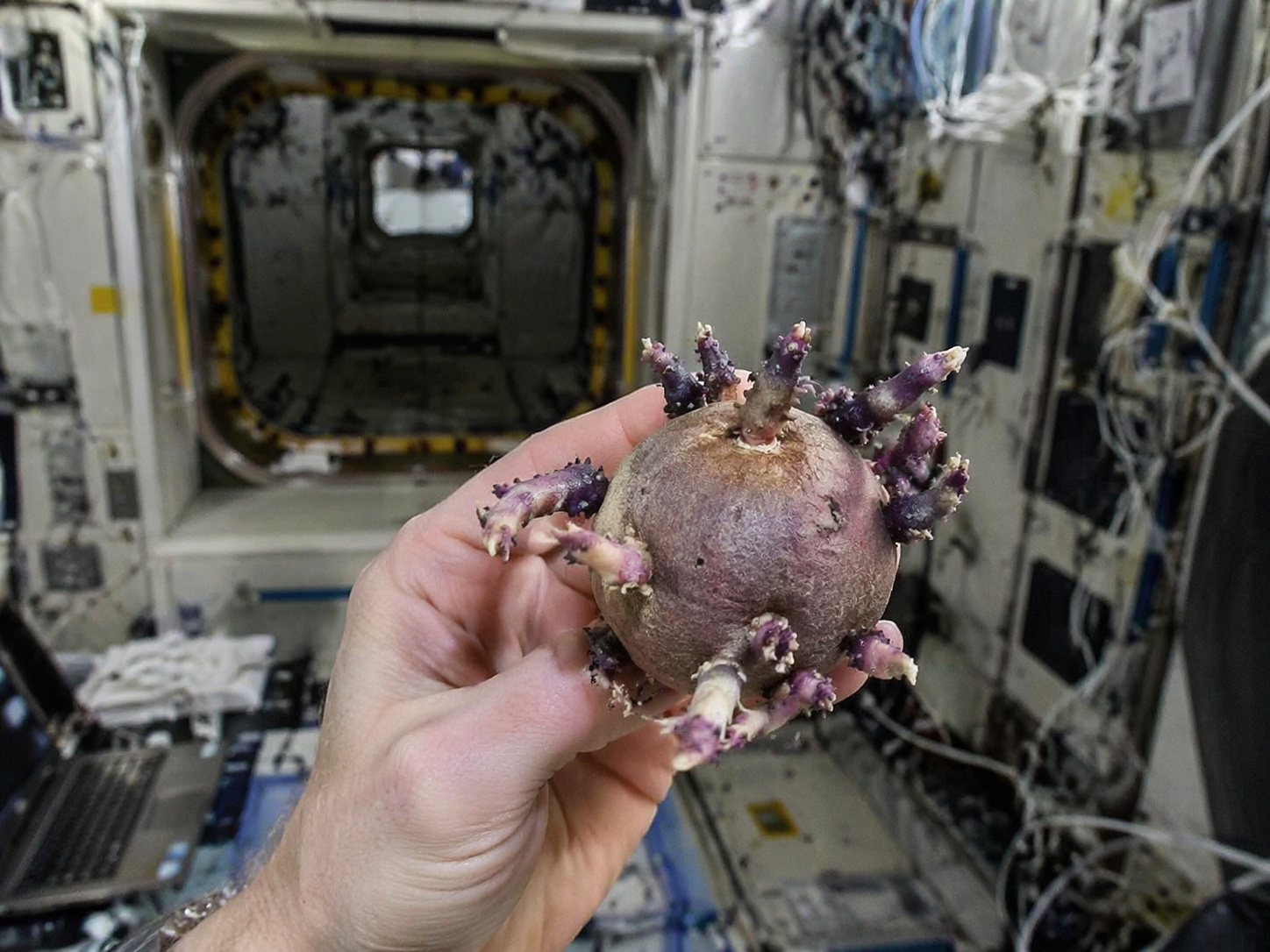
NASA astronaut goes viral by showing “alien potato” in space during mission at the International Space Station and reveals a surprising detail that explains the curious appearance of the experiment in microgravity.
-
Innovative case turns into a “memory card” and promises to revolutionize the iPhone 17 Pro: records directly to MicroSD up to 2 TB, features a 1.6” AMOLED touch screen, USB-C 45 W, and raises questions about limits in ProRes 4K 60 fps.

How silphium circulated among Greeks and Romans
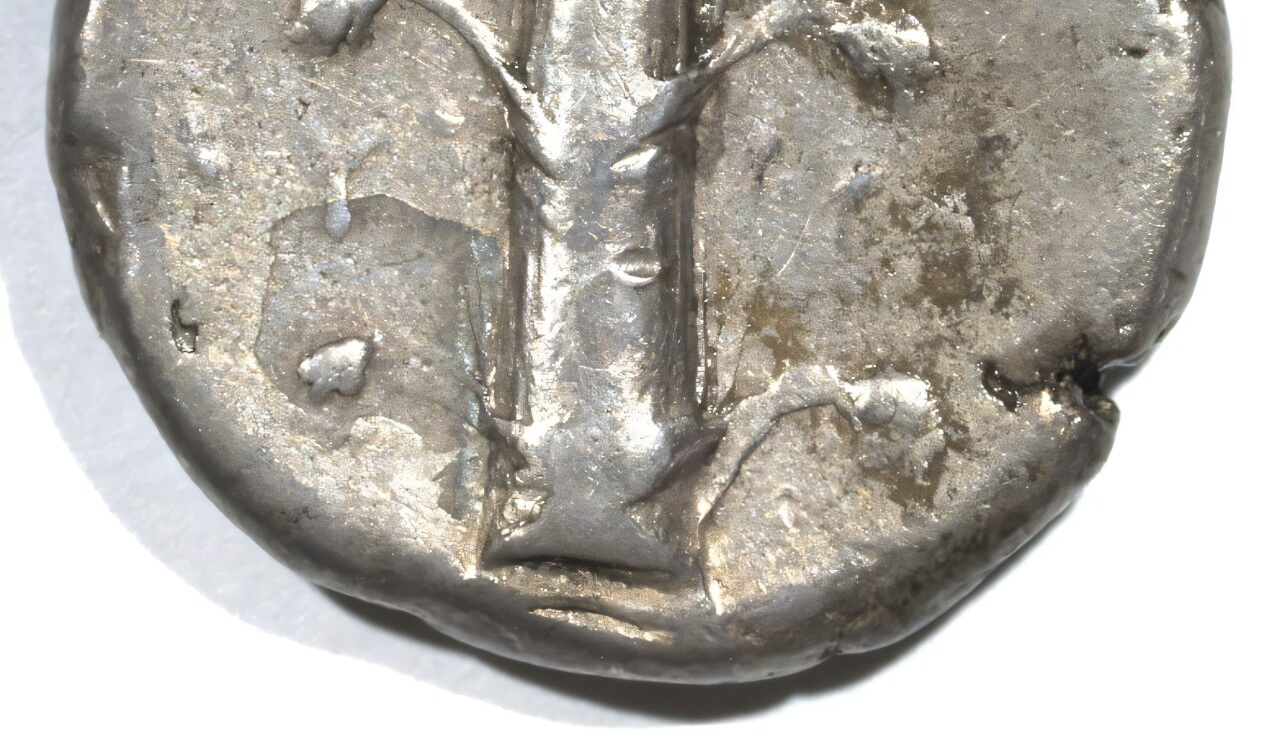
Silphium was a high-value commodity in the Greco-Roman world, and its economic importance appeared even on coins. Before the Romans, the Greeks were already using the plant, which held a central place in regional economies linked to North Africa.
The resin was extracted from the stems and roots and then preserved in flour, allowing its transport from Libya to other regions. Among the Romans, this resin was known as laser or laserpicium, with the variety extracted from the root considered superior to that obtained from the stem.
The Greeks in these regions did not harvest silphium directly. The product was supplied as tribute by Libyan tribes that coexisted with the plant and mastered the techniques of harvesting and preparation.
This local knowledge was commercially exploited by the Greeks, who consolidated a market for silphium. The dynamic involved extraction and profit from indigenous knowledge, in a pattern that also appears in later globalized economies.
Ancient representations of the plant help reconstruct part of its appearance. Coins and statuettes have led modern botanists to question whether silphium may be related to the wild giant fennels of the genus Ferula, and images alongside gazelles indicate that its typical stalks in antiquity were about 30 centimeters tall.
The medicinal and contraceptive use among Greeks and Romans
Silphium repeatedly appears in ancient medical treatises and was often administered through food. In antiquity, the separation between food and medicine was not rigid, and ingredients with healing purposes could be incorporated into simple preparations, such as a lentil porridge.
In Greco-Roman medicine, the plant was seen as a “gas-forming” food, capable of cleansing the body of obstructions associated with diseases. It was also believed that foods with these characteristics could prevent conception and induce spontaneous abortions, depending on when they were administered.
Soranus of Ephesus, in a work on gynecology written between the 1st and 2nd centuries AD, mentioned herbs and spices with strong flavors, including silphium, as possible components of mixtures with wine or simple foods for oral contraception. He also noted that oral contraceptives often caused stomach discomfort.
Preventive practices also included suppositories applied to the cervix with substances such as old olive oil, honey, resin, balm, white lead, myrtle oil, moistened alum, galbanum resin, and fine wool. These elements were not classified as medicines, but could act in an antibiotic, spermicide, or physical barrier manner, reducing the likelihood of conception.
Despite the fame of silphium, there is no proof of its contraceptive or abortifacient efficacy. This is because the plant has disappeared, and there is no material available to be tested today.
The disappearance of silphium and the mystery for the Romans
The great problem with silphium was its resistance to human cultivation. As it could not be successfully domesticated, its supply depended on wild populations and was therefore finite from the start.
The financial value of the plant and state control over it seem to have generated tensions with local populations. In the Roman period, there were reports of vandalism and farmers taking livestock to graze precisely in the areas where silphium grew.
Climate change and desertification of the northern coast of Africa also appear among the possible explanations for its extinction. Although the Romans believed that the plant was already extinct by the 1st century AD, there is a possibility that its local use and consumption continued until the 5th century AD.
The later reputation of silphium was influenced by a frequent association with aphrodisiacs, but no ancient source confirms this attribute. Part of this image may have arisen from the heart-shaped seed capsule, one of the oldest representations of the plant.
Modern attempts to find silphium
The searches for a plant that could be silphium have never produced consensus among scholars. One hypothesis is that it was a hybrid with asexual reproduction, a characteristic that would help explain both the difficulty of cultivation and the vulnerability to extinction.
In 2021, the identification of a new species of giant fennel, Ferula drudeana, in the vicinity of ancient Greek settlements in Anatolia reopened the discussion. The structure of this plant closely resembles ancient representations of silphium, leading to the possibility that seeds originating from Libya may have reached the Turkish region and survived to this day.
This hypothesis, however, cannot yet be conclusively tested. Without evidence of ancient silphium seeds in securely dated archaeological deposits, there is no way to confirm the connection.
The debate has also gained new weight for conservation reasons. Many species of giant fennel exist in the Mediterranean and nearby areas, but the false promotion of supposed aphrodisiac properties, especially related to the treatment of erectile dysfunction, has been increasing concerns about the overharvesting of these plants in modern times.
The case of silphium shows how Greeks and Romans elevated a wild plant to an essential item of trade, medicine, and reproductive control, without managing to ensure its survival. Amid prestige, exploitation, and disappearance, the Romans left behind one of the greatest botanical mysteries of antiquity.









Seja o primeiro a reagir!