





 Portuguese
  English
  Spanish
  4 min of reading
  0 comments


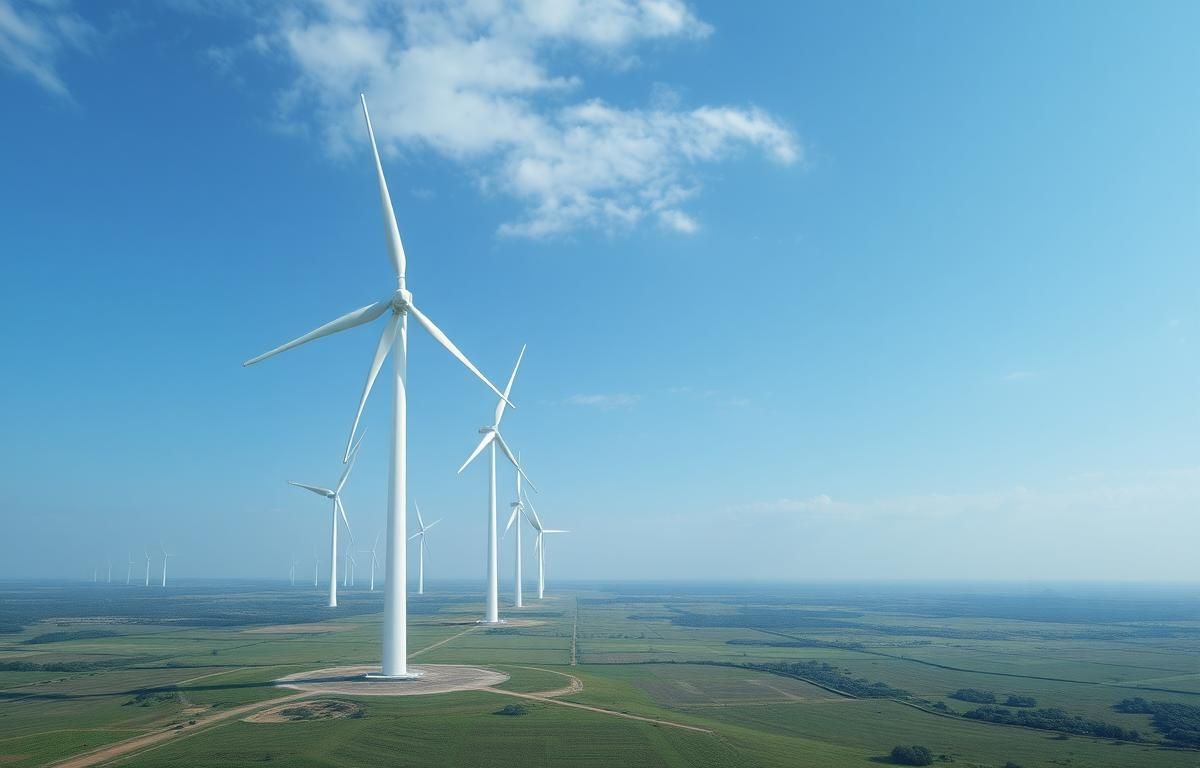
Aneel Revoked Concessions For 16 Wind Farms In The Northeast, Totaling 564.8 MW, Due To Environmental Barriers And Financing Difficulties.
The National Electric Energy Agency (Aneel) surprised the market by decisively revoking 16 concessions for wind farms in the Northeast. The decision, issued on the morning of April 1, 2025, had a devastating impact on Ventos de São Januário Renewable Energies, the main company affected. This shift responds to numerous environmental hurdles and financial difficulties reported by the company to the regulatory agency.
With these revoked concessions, a total of 564.8 megawatts of installed capacity is at risk, as the operations of the affected generating plants have been suspended. These critical hurdles are primarily based on environmental licensing issues and growing difficulties in securing adequate financing. New winds are blowing for the affected company as it reassesses its future strategies and options in the competitive renewable energy market.
Economic And Environmental Impact Of The Revocations
Aneel’s unanimous decision, in line with the regulatory agency’s guidelines, may signify a necessary strategic repositioning for the Brazilian energy sector. The concession process is undergoing a transformation as it adjusts its permits and authorizations in response to regulatory and financial requirements. This is a decisive moment to ensure that infrastructure projects comply with all current regulations.
-
Giant of the winds in Rio Grande do Norte: Serra do Tigre Wind Complex receives new investments and accelerates the expansion of clean energy generation to supply millions of Brazilian homes.
-
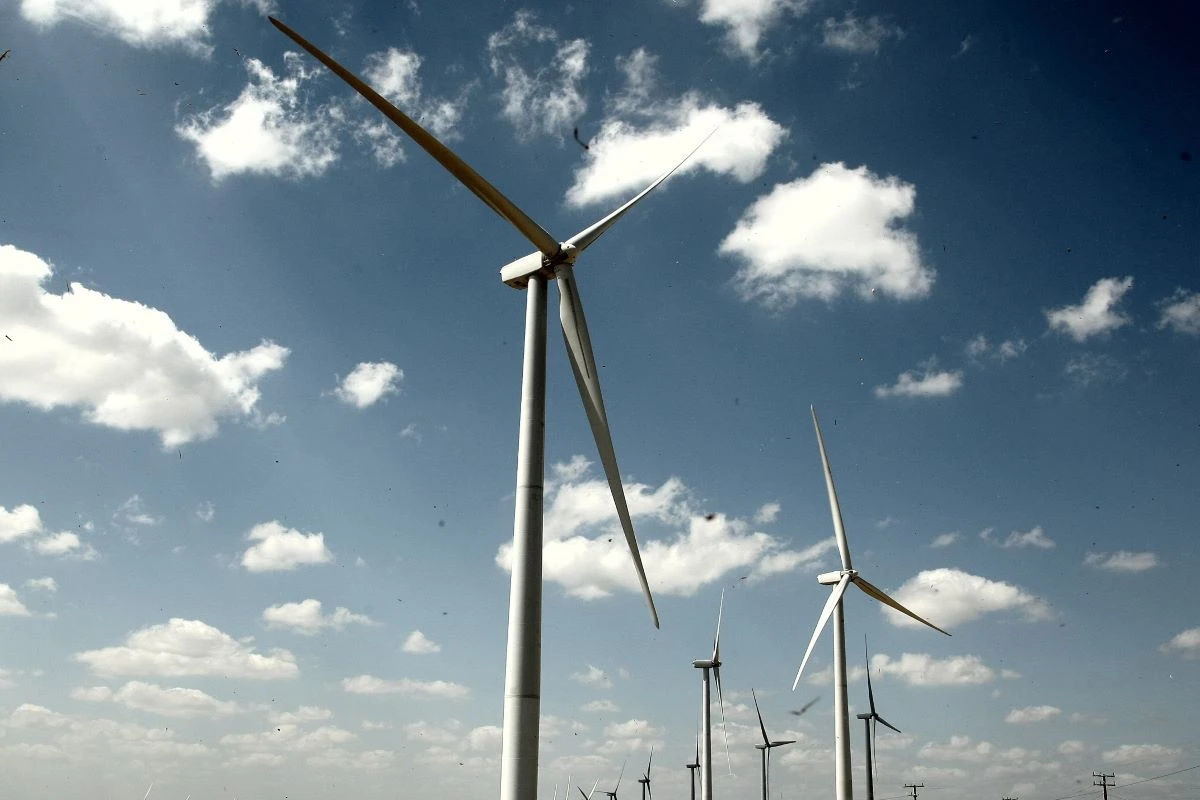
Urgent energy transition: Greenpeace advocates for massive investments and points to Brazil as a global leader in wind energy production in the coming years.
-
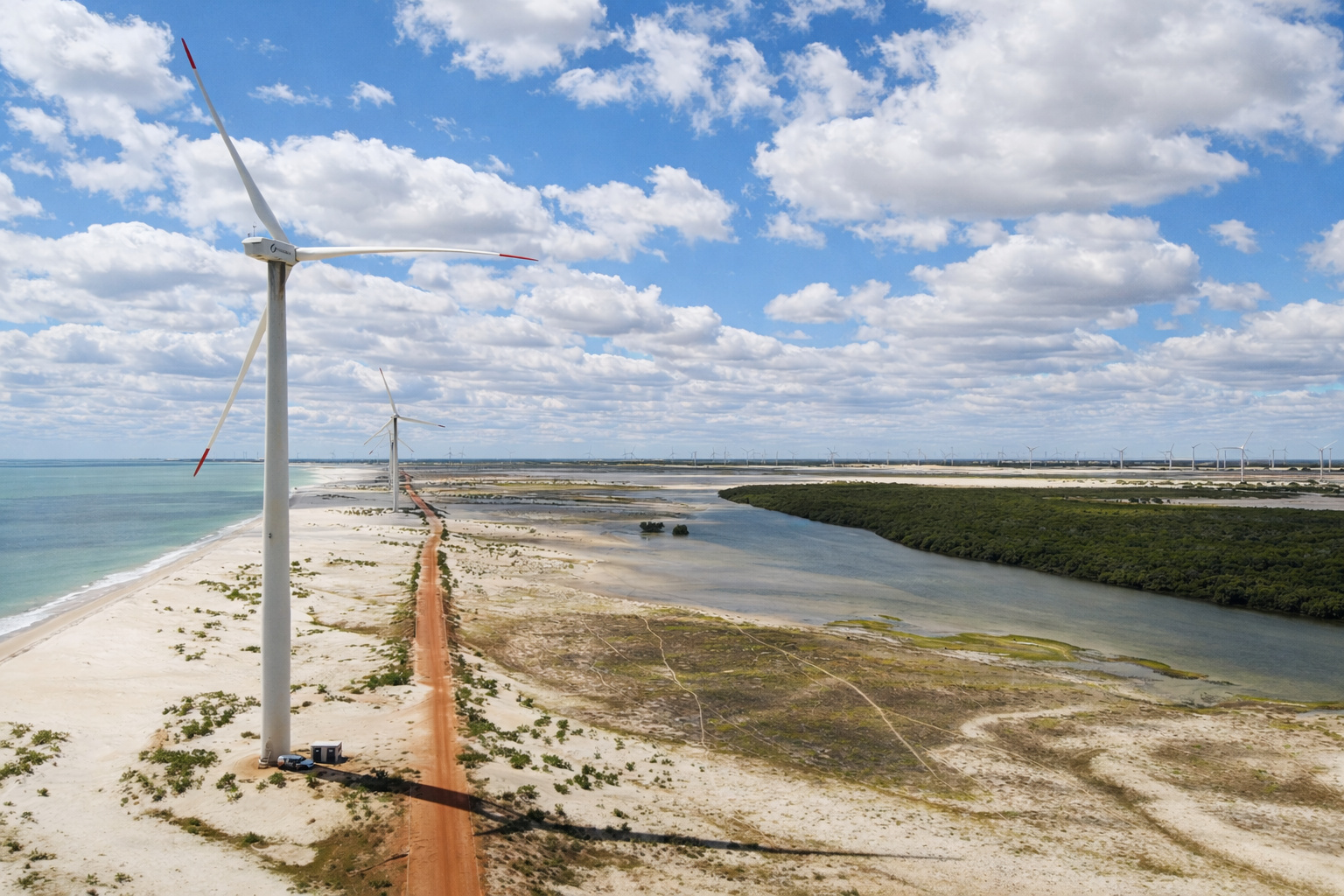
Conflict in the Sertão: Rural communities in Rio Grande do Norte report issues with wind farms and the new challenges of clean energy in the semi-arid region.
-
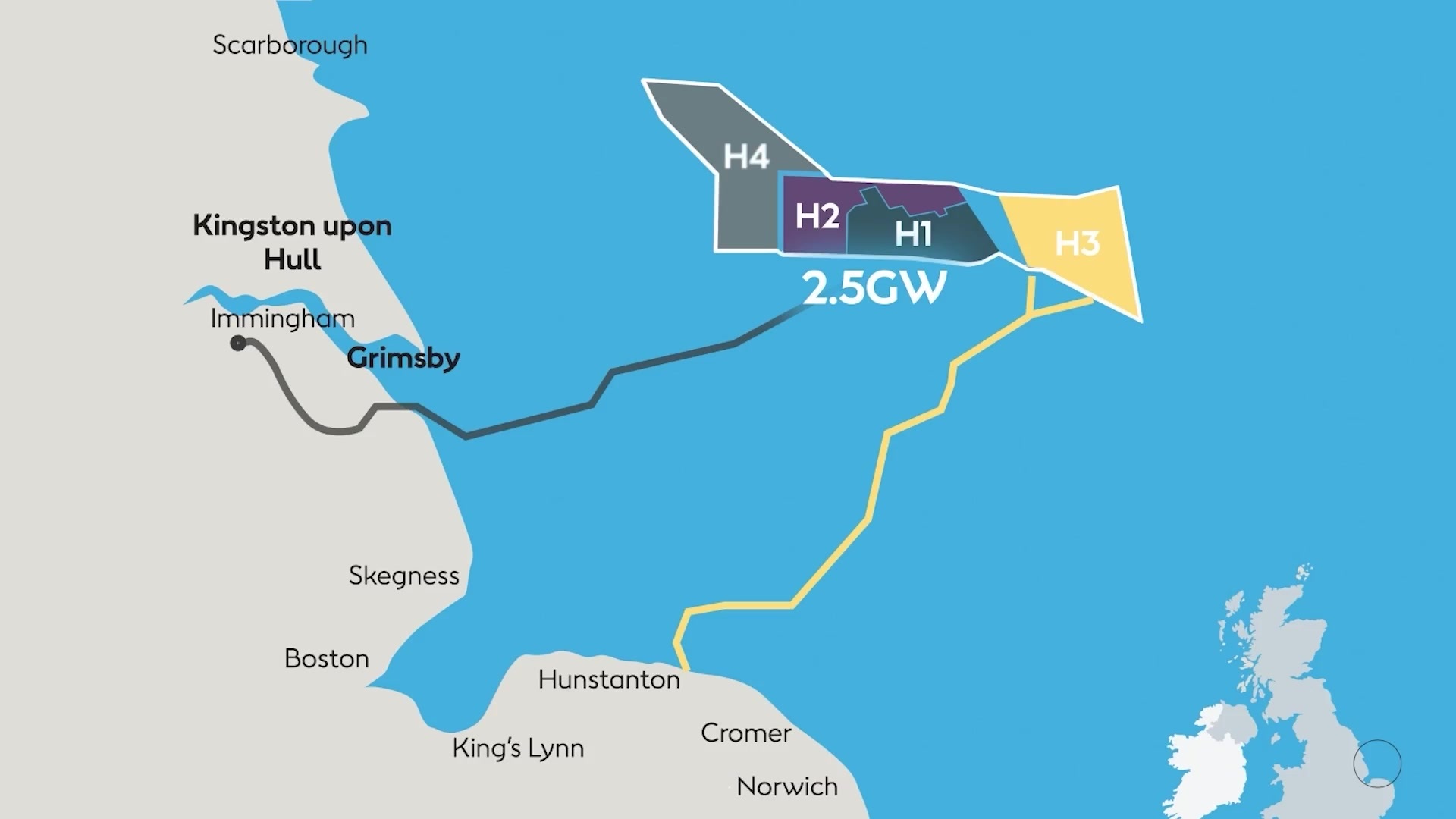
231 turbines of 260 meters at 160 km from the coast, monopiles weighing as much as nine blue whales embedded in the North Sea, and a crane ship taller than the Eiffel Tower: Hornsea 3 will be the largest offshore wind farm on the planet by 2027, and its first components have already arrived in England.

The canceled concessions are part of a broader initiative to optimize operations and resource use, recognizing the pressing need to unify licensing practices and ensure sustainability. Authorities hope these changes will foster a healthier environment for investments and innovation in energy generation.
Our renewable energy landscape is advancing, and generation companies need to adapt quickly to ensure viability and compliance with government policies. The future of authorizations depends on reassessing the risks involved and the ability to dynamically interact with regulatory agencies.
Two days after the decision, many other companies began to reexamine their own concessions, as well as potential impacts on the national energy landscape. Sources such as Energia Publisher and Jornal do Sol reported that the expectation is for a slow but steady recovery of the projects. Aneel’s decision marks a phase full of challenges and opportunities for the sustainable development of the wind sector in Brazil.
The scheduled projects would result in an installed capacity of 564.8 MW (megawatts). The responsible agency accepted the withdrawal requests submitted by the companies without imposing penalties, respecting the current regulatory criteria. Among the reasons that may have led the companies to give up these concessions are the difficulties faced in financing, the environmental hurdles often encountered, and changes in the dynamic renewable energy market, which may have influenced their decisions.
Canceled Projects
The largest project that was canceled was planned to be developed in the municipality of Campo Formoso, located in the state of Bahia. Ventos de São Januário Renewable Energies had planned to install 6 generating plants of wind energy, which would total a significant capacity of 268 MW (megawatt). Another project that was impacted was located in Santana do Matos, in Rio Grande do Norte. In this locality, the Pixote Pequeno and Sítio Pixote 1 and 2 plants were planned, which, when completed, would have a combined capacity of 215 MW. In Queimada Nova, Piauí, the company also saw its project revoked. The forecast included the construction of 6 wind generating plants, which would have a total capacity of 43.2 MW.
Withdrawals In The Sertão
Finally, the company Ventos de São João opted to withdraw from the project that was being planned for installation in Afrânio, in the sertão of the state of Pernambuco. This project would have an installed capacity of 37.8 MW. Such cancellations of concessions highlight the complexities in authorizations and the challenges faced with licensing, emphasizing how these difficulties can be an obstacle to progress in the sector. The permits, which ensure the commencement of these projects, often run into bureaucracy, increasing the challenges for companies looking to operate in this market. In an environment where concessions regulate and guide the development of new projects, it is crucial for the regulatory agency to adapt to constant changes and provide security and support for investors, thus enabling sustainable growth in the energy sector.
Source: ANEEL Press










-

Uma pessoa reagiu a isso.