





 English
  Francês
  Alemão
  Italiano
  Japonês
  Norueguês
  Portuguese
  Spanish
  3 min of reading


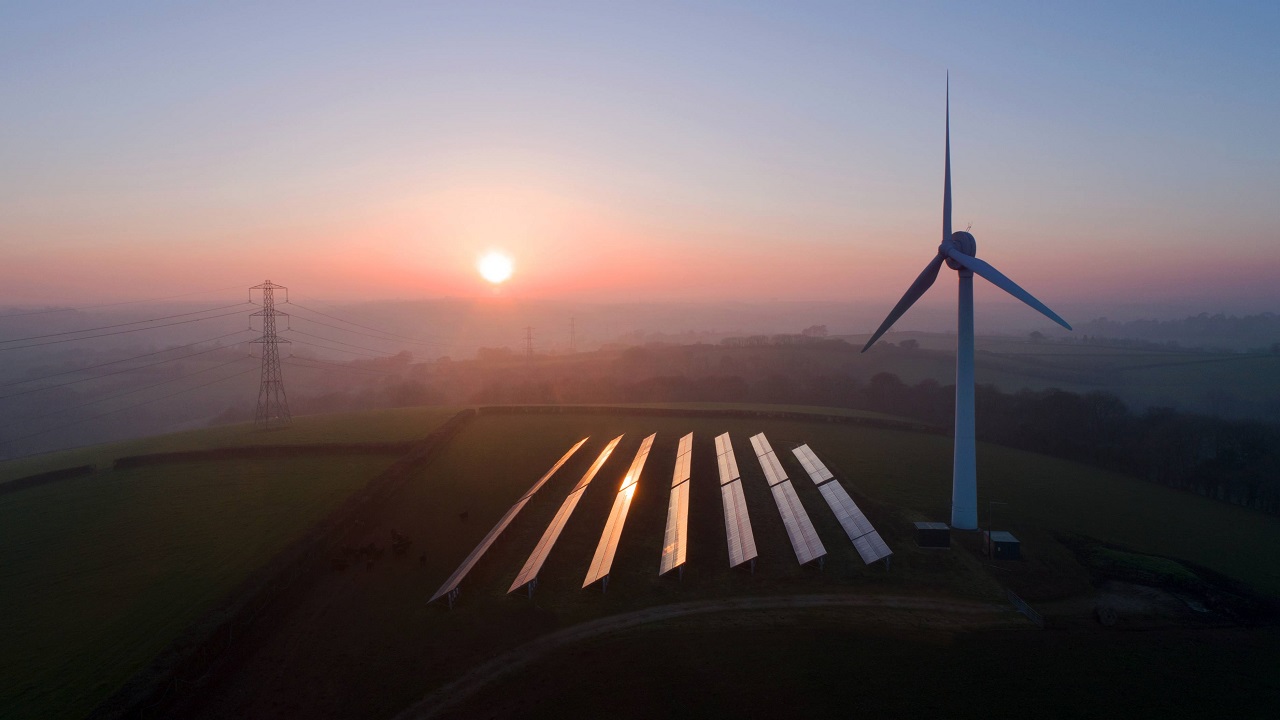
Anglo American Will Use Renewable Energy in Its Brazilian Operations of Iron Ore and Nickel, and in Other Operations in Chile and Peru
Anglo American has secured renewable energy to meet all of its energy needs for its iron ore and nickel operations in Brazil, starting in 2022, and for its copper operations in Chile, starting in 2021. Anglo American has signed an agreement with Engie Energia Perú to provide renewable energy for the copper operation in Peru, which is expected to begin production in 2022.
Read Other News
Anglo American CEO Highlights Importance of Leading New Projects in the Renewable Market
According to Tom McCulley, CEO of Anglo American in Peru, copper plays a crucial role in enabling the global transition to a low-carbon economy; therefore, it is important for Anglo American’s new world-class copper mine in Peru to lead the way while minimizing its own carbon footprint.
The combination of the company’s high-precision technologies in the FutureSmart MiningTM program, which focuses on water, energy, and reduced capital intensity, along with renewable energy, is changing the very nature of mining.
-
Renewable energy advances over protected areas in Brazil, and a survey by the Energy Transition Observatory reveals silent impacts that challenge environmental conservation and pressure sensitive traditional territories.

-
Rio Grande do Sul accelerates energy transition: State invests in renewable technologies and consolidates decarbonization strategies and pathways to attract billions in new industrial investments.

-
With 160,000 m² of collectors, an area larger than 20 football fields, Silkeborg, in Denmark, hosts a solar thermal plant that heats 19,500 homes and could become the largest solar heating plant in the world.

-
A study reveals the expansion of renewable energy procurement in Brazil and shows how companies are taking advantage of opportunities to reduce expenses, ensure energy efficiency, and strengthen strategic environmental commitments.


It is the company’s duty to produce the metals and minerals society needs with the highest responsibility that current technologies allow while continuing to strive, in partnership with its business partners, to further improve its performance.
Providing renewable energy to power its operations in South America represents another step towards the company’s goal of a 30% reduction in GHG emissions by 2030, integrated into its Sustainable Mining Plan and the commitment to be carbon neutral by 2040, adds Anik Michaud, Group Director of Corporate Relations and Sustainable Impact at Anglo American.
Anglo American in Brazil
Due to the high complexity of the Brazilian mining industry, Anglo American has been facing many bottlenecks regarding iron ore at Minas-Rio, but after a challenging period, the miner is now preparing to invest a substantial amount (US$ 330 million) in the Brazilian mining industry.
The miner’s iron ore operations have large quantities of high-quality resources at sites in Brazil. Minas Rio, with iron ore operations in Brazil, is located in the states of Minas Gerais and Rio de Janeiro. It is a fully integrated iron ore export operation.
In addition to iron ore, the miner also works with Nickel, which constitutes about 8% to 10% of stainless steel. Commonly known, nickel can even be highlighted as one of the top five among the most typical elements on Earth. It is estimated that the known reserves will last another 100 years. Nickel is used to make other alloys with special properties. Here in Brazilian territory, nickel has been primarily used in the chemical industry for corrosion and for chrome plating in electronic products.
Renewable Energy as a Priority for Companies
By opting for renewable energy in their activities, companies decisively contribute to the so-called energy transition, which aims to reduce carbon emissions, thus helping to curb climate change around the planet.
Renewable energy has become increasingly economical in recent years, according to the Global Trends report.
According to data from the Global Trends report, in 2019, renewable energies such as biomass, solar, wind, and geothermal accounted for 78% of the total distributed generation.







Seja o primeiro a reagir!