





 Portuguese
  English
  Spanish
  7 min of reading
  5 comments


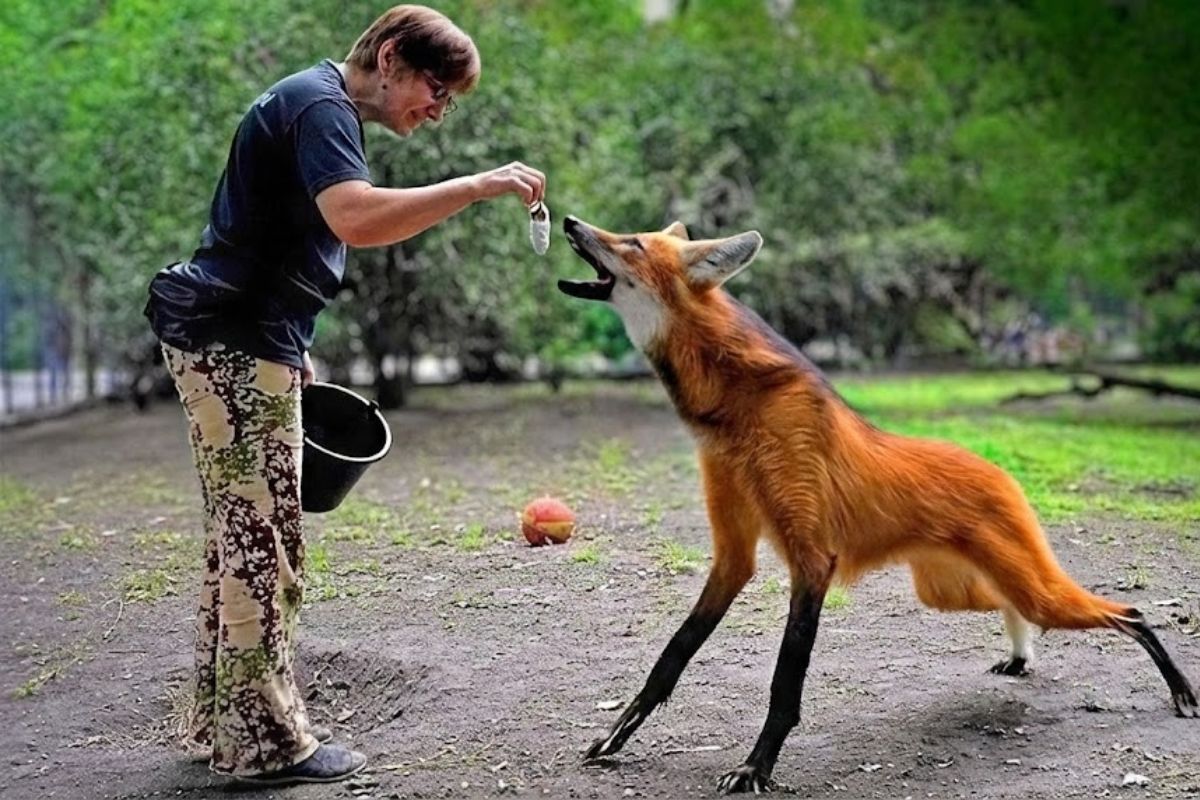


In The Brazilian Cerrado, The Animal That Lives In Brazil With Long Legs And A Light Body Has Become A Symbol Of A Solitary Predator. It Hunts By Listening To The Rustling In The Tall Grass, Exchanges Fighting For Retreat, Mixes Rodents And Fruits In Its Diet, And Still Keeps Plants Alive By Dispersing Seeds Across Its Territory Today
The Animal That Lives In Brazil That Seems “Wrong” To Those Expecting A Classic Wolf Is, In Practice, A Piece Adapted To The Cerrado: Tall, Slender And Made For The Tall Grass. The Maned Wolf Is Not A True Wolf, Not A Fox, And Has No Close Relation To Wolves, Foxes Or Coyotes, Even Though It Reminds Some Of Them From A Distance.
In Brazil, It Hunts Mainly At Night, Travels Miles Across Open Fields, Avoids Fights, And Plays An Ecological Role That Goes Beyond Predation: By Eating Fruit And Defecating Seeds, It Functions As A Disperser In A Biome Pressured By Farms, Highways, And Urban Expansion.
The Enigma Of The Maned Wolf: It Is Not A Wolf, It Is Not A Fox, And Yet It Dominates The Savanna

Despite The Name, The Maned Wolf Does Not Fit The Popular Imagination Of A Large Pack Predator. It Belongs To A Group Of South American Canids Described As “Fox-Shaped,” A Visual Approximation, Not A Literal Classification. The Similarity Exists Due To Convergent Evolution, Which Means Different Species Have Reached Similar Forms By Hunting Similar Prey, Not Because They Are Closely Related.
-
With a cost per shot close to zero, the DragonFire laser could change naval warfare in 2027 and provide British ships with nearly unlimited defense against drones.

-
A British startup creates tires that generate electricity in electric vehicles when passing over potholes, speed bumps, and cracks.

-
Scientists have created robots made with living cells that have their own nervous system, swim on their own, explore the environment, and self-organize without any genetic engineering, and now they want to do the same with human cells.

-
Students create a solar-powered ambulance that operates without a plug, without fuel, and still keeps medical equipment running in remote areas.


This Difference Helps Explain Why The Maned Wolf Is So Misunderstood. It May Remind One Of A Fox In The Way It Attacks And A Deer In The Way It Walks, But The Whole Is Unique: A Predator Of Open Fields Shaped By Tall Grass.
‘Wooden Legs’ And A Light Body: The Anatomy That The Cerrado Forced To Exist

The Body Design Was Driven By The Open Savannas Of South America. As Vegetation Grew Taller, The Legs Followed Suit. The Result Is An Animal That Reaches About 1 Meter Tall At The Shoulder, With A Relatively Light Body For This Height, Around 35 Kg.
The Comparison That Emerges From This Contrast Is Direct: It May Have A Similar Height To A Jaguar, But It Is Much Lighter. This Relationship Between Height And Mass Is Not Aesthetic, It Is Functional. Long Legs Provide A Clearer View Of The Horizon And Facilitate Crossing Dense Shrubbery. The Narrow Torso Reduces Resistance To Movement In Tall Vegetation, Favoring Energy Efficiency In Long Walks.
Nighttime Hunting In The Open Field: Listen, Freeze, And Attack Like A Generalist

The Maned Wolf Is Primarily Nocturnal. It Sets Out At Dusk And Travels Miles Across Pastures And Fields, Using Its Large Ears To Locate The Rustling Of Prey On The Ground. The Sequence Repeats: It Listens, Freezes, And When It Decides, Attacks In A Pattern Similar To That Of A Fox.
Its Natural Diet Relies On Smaller Prey. It Is Described As A Generalist, Eating Whatever It Can Catch, But Avoids Large Animals Due To Its Light Weight. Rodents And Other Small Animals Enter Its Routine, While Larger Prey Tends To Be Too Dangerous To Justify The Risk.
When The Diet Becomes Conflict: Easy Chicken, Nearby Farm, And Retaliation

A “New” Item Has Changed The Relationship With Humans In Rural Areas: Free-Ranging Domestic Chickens. For An Opportunistic Hunter, Free-Range Chicken Is Easy Prey. The Social Effect Is Predictable: Conflict With Producers Increases And The Chances Of Pursuit Rise.
A Practical Strategy Cited To Reduce This Friction Is To Block Access To Livestock. More Than 200 Chicken Coops Have Been Built In Areas With High Conflict Levels. The Mechanism Is Simple: By Preventing Chicken Predation, Anger Decreases, Local Perception Improves, And Space Opens For Coexistence With The Maned Wolf In Occupied Landscapes.
The Predator That Also Eats Fruit: The “Wolf Apple” And The Gardener Function
The Diet Of The Maned Wolf Is Not Just About Protein. A Significant Portion Is Fruit, A Characteristic Associated With More Omnivorous South American Canids. In This Context, The Focus Is A Plant Directly Linked To The Animal: Solanum Lycocarpum, Known As “Wolf Plant,” Whose Fruit Is Called Wolf Apple.
The Relationship Is Mutually Beneficial. The Maned Wolf Feeds On The Fruit And Spreads Seeds Through Its Feces. There Is Indication That The Seeds Germinate More Successfully After Passing Through The Digestive System, Positioning The Animal As A Direct Agent In The Maintenance Of The Plant. Therefore, When The Maned Wolf Walks Through The Cerrado, It Is Not Just Hunting, It Is Also Seeding.
Cerrado: Where The Space Dispute That Defines Survival Takes Place
The Central Environment Of This Story Is The Cerrado, Described As The Richest Savanna In The World, With More Than 11,000 Plant Species, 200 Mammals, And Almost A Thousand Bird Species. It Is A Landscape Of Open Fields, Twisted Trees, And Red Soil, With Dynamics Marked By Rainy Seasons And Dry Months With Fires That Clear Areas And Allow For New Growth.
In This Mosaic, The Maned Wolf Appears As An Icon. The Same Logic That Favored Its Long Legs Also Favored Other Evolutionary Solutions: The Pampas Cat Betting On Stealth, The Rhea Betting On Speed And Alertness, And The Marsh Deer Using Long Legs For Flooded Areas. The Point Is That The Cerrado Creates Specialists, And The Maned Wolf Is A Specialist In Walking And Hunting In Tall Grass.
Social Behavior: Peaceful, Solitary And More Bluff Than Bite
The Name “Wolf” Suggests Conflict And Dispute, But The Described Pattern Is Different. The Maned Wolf Rarely Fights, Even With Other Males. When It Feels Threatened, It Tends To Freeze, Retreat, Or Raise The Dark Mane Along Its Neck To Appear Larger, A Visual Intimidation That Acts As A Warning.
Communication Between Individuals Does Not Depend On Frequent Encounters. There Are References To Scent Markings And Vocalizations, With Signals Related To Height; The Higher The “Transmission Point,” The Further The Message Travels. A Distinctive Behavior Is To Use Termite Mounds As Elevated Places To Mark Territory, Expanding Olfactory Range For Neighbors.
Reproduction And Pups: Nest In The Grass, Annual Window, And Synchronization With The Seasons
The Maned Wolf Is Described As Having Facultative Monogamy, Meaning It Forms Long-Term Partnerships But Does Not Spend Much Time Together. Pairs Share Overlapping Territories And Maintain Contact Through Scent Markings And Vocalizations.
Reproduction Occurs Within An Annual Window. Instead Of Digging A Den, They Build A Nest In The Grass. After Birth, Care Is Shared: The Female Nurse And Shelters, While The Male Brings Food And Helps Defend Territory. The Pups Are Born At The Beginning Or Middle Of The Dry Season, When There Is A Scarcity Of Water And Food, And Gain Independence When The Rains Begin, A Period When More Fruits Appear And Resource Availability Increases In The Environment.
How Researchers Monitor: Capture, Collars, Roads And Thermal Drones
To Understand Movements, Health, And Risks, There Are Periodic Captures. The Described Protocol Includes Sedation And Anesthesia, Blood Collection, Examinations, Ear Tagging, And Radio Collaring. The Goal Is To Map Movement And Territory Use, Especially In Relation To Roads.
The Data Direct Concrete Actions: Identifying Where To Install Speed Bumps, Speed Cameras, And Underpasses To Reduce Collisions With Vehicles. In Open Fields, It Is Possible To Observe Behaviors, But In Shrubbery, Visibility Decreases, Which Makes Thermal Drones Useful For Seeing Movements And Estimating The Number Of Pups When They Are Older And Moving Through The Vegetation.
The Pressure Of The Present: Farms, Highways, Cities And Habitat Fragmentation
The Maned Wolf Was Associated With Vast Areas Of Prairies And Fields In South America, But Today It Faces Expulsion From Parts Of Its Historical Habitat. The Landscape Fragments With Farms, Highways, And Urban Centers, Which Isolates Groups And Makes Finding Partners, Maintaining Territories, And Moving Safely More Difficult.
Additional Pressure Factors Include The Lack Of Environmental Protection, Urban Development, And Global Climate Change, Composing A Continuous Picture Of Stress. In This Scenario, The Maned Wolf Is Not Just A “Beautiful” Or “Strange” Species: It Is Described As A Gardener Of The Cerrado, And Its Loss Tends To Disorganize Ecological Relationships That Depend On Seed Dispersal And The Balance Between Prey And Predators.
In The Cerrado Of Brazil, The Animal That Lives In Brazil That Walks Like A Deer And Eats Fruit Represents A Rare Adaptation: Long Legs For Tall Grass, Nocturnal Hunting Guided By Hearing, Peaceful Behavior That Avoids Fights, And An Ecological Function That Includes Spreading Seeds Of Plants Associated With Its Diet. Surrounded By Farms, Highways, And Cities, The Maned Wolf Survives At A Permanent Limit Between Coexistence And Conflict, Where Every Practical Adjustment, Such As Chicken Coops, Reducing Run-Over Incidents, And Monitoring, May Determine The Future Of The Species.
In Your Region, Does The Animal That Lives In Brazil Like The Maned Wolf Appear Near Roads And Farms, Or Is There Still Enough Space For It To Live Away From Conflict?








Sim, aparece na empresa onde trabalho.
Ela fica em uma área supostamente preservada.
E também tem fazendas próximas.
O curioso e que eles chegam muito próximos da gente….
Isso faz com que nós acabamos alimentando eles, com maçã, ****…
Pode ser errado, como disse uma geóloga..
Que jura que eles seus próprios alimentos, mais sabemos que não é verdade.
Essa é a minha opinião…
no lugar onde moro é o local mais impróprio para a sobrevivência do lobo {“Guará”} é lamentável más é real…(invadimos seu abitat natural)
**** lindo