





 Portuguese
  English
  Spanish
  3 min of reading
  0 comments


New Plane Crash in India Reignites Debate Over Air Safety and Recalls Historical Disasters That Shocked the Whole World
The crash of a plane in India on June 12, with 240 people on board, reignited the debate over the lethality of air accidents. Although air transport is considered one of the safest in the world, when a disaster occurs, the impact is global.
These events remind us of other significant episodes, including the disaster that killed more than 500 people and became the deadliest of the 20th century.
The Tenerife Collision That Killed 580 People
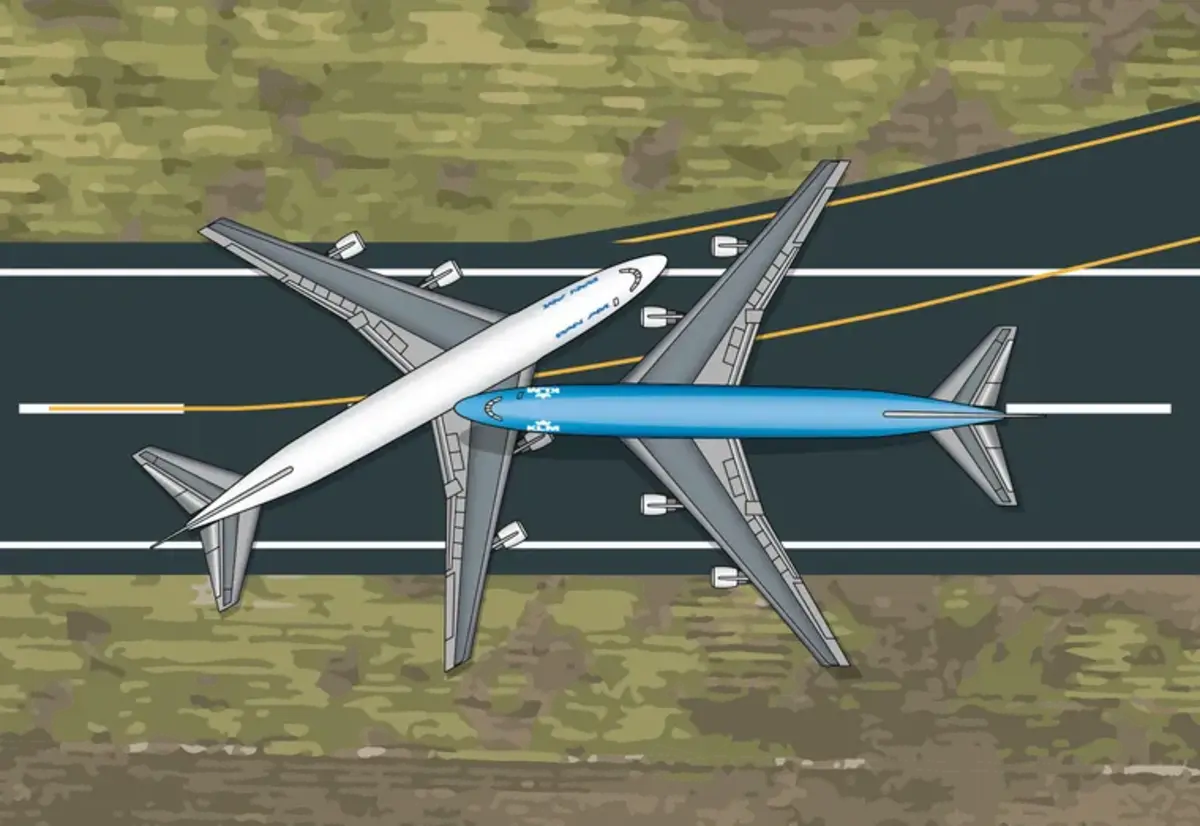
The deadliest air accident of the last century occurred on March 27, 1977, on the Island of Tenerife in the Canary Islands, as reported by the Encyclopaedia Britannica. At that time, two aircraft collided on the runway of Los Rodeos Airport.
-
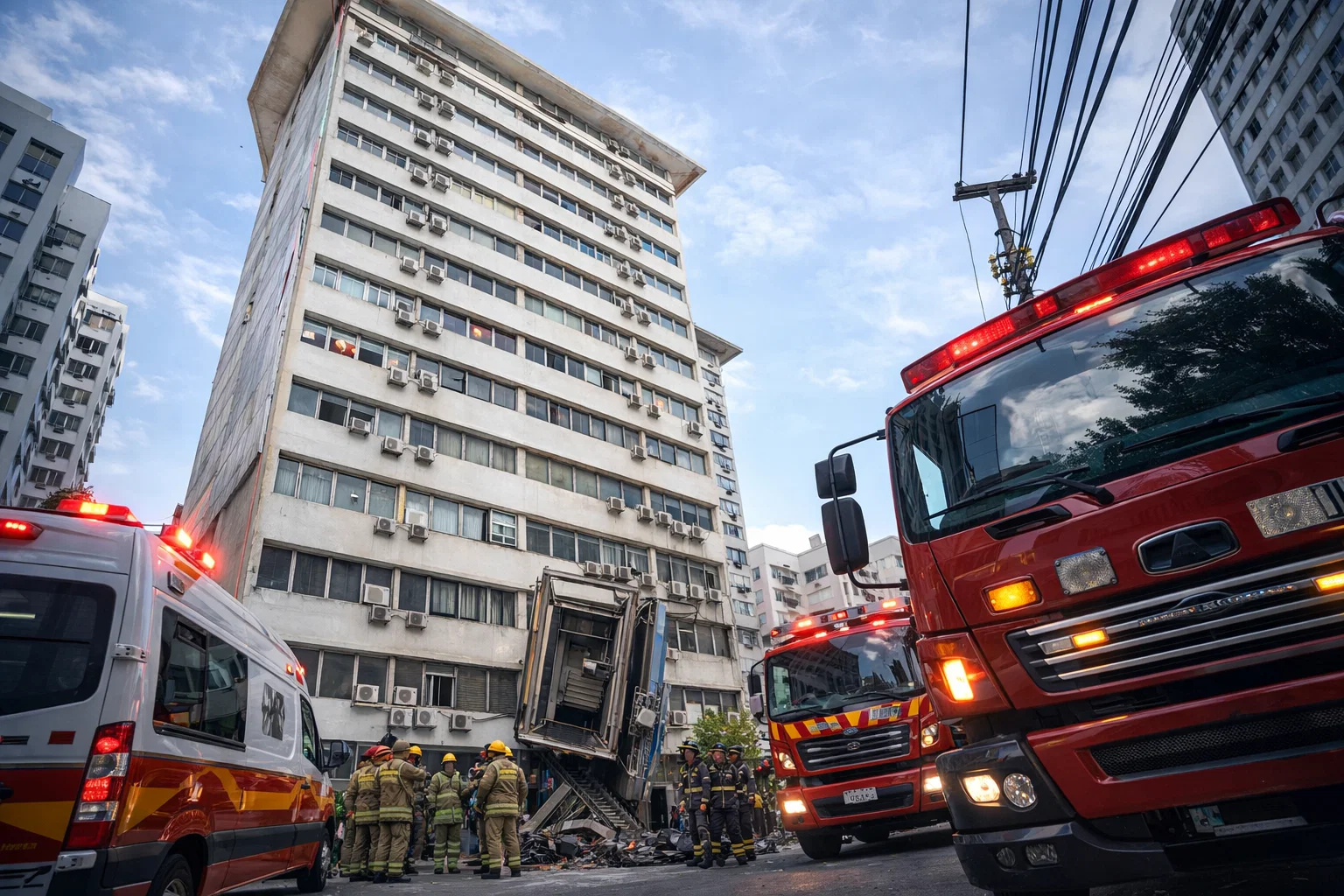
Elevator Plummets From Tenth Floor in Commercial Building in Recife, Raising Concerns About Safety and Engineering of Vertical Transport Systems Used Daily in Urban Buildings
-
Cyclist Hit by Car in Sobradinho, DF Is Rescued After Traffic Accident This Sunday

-
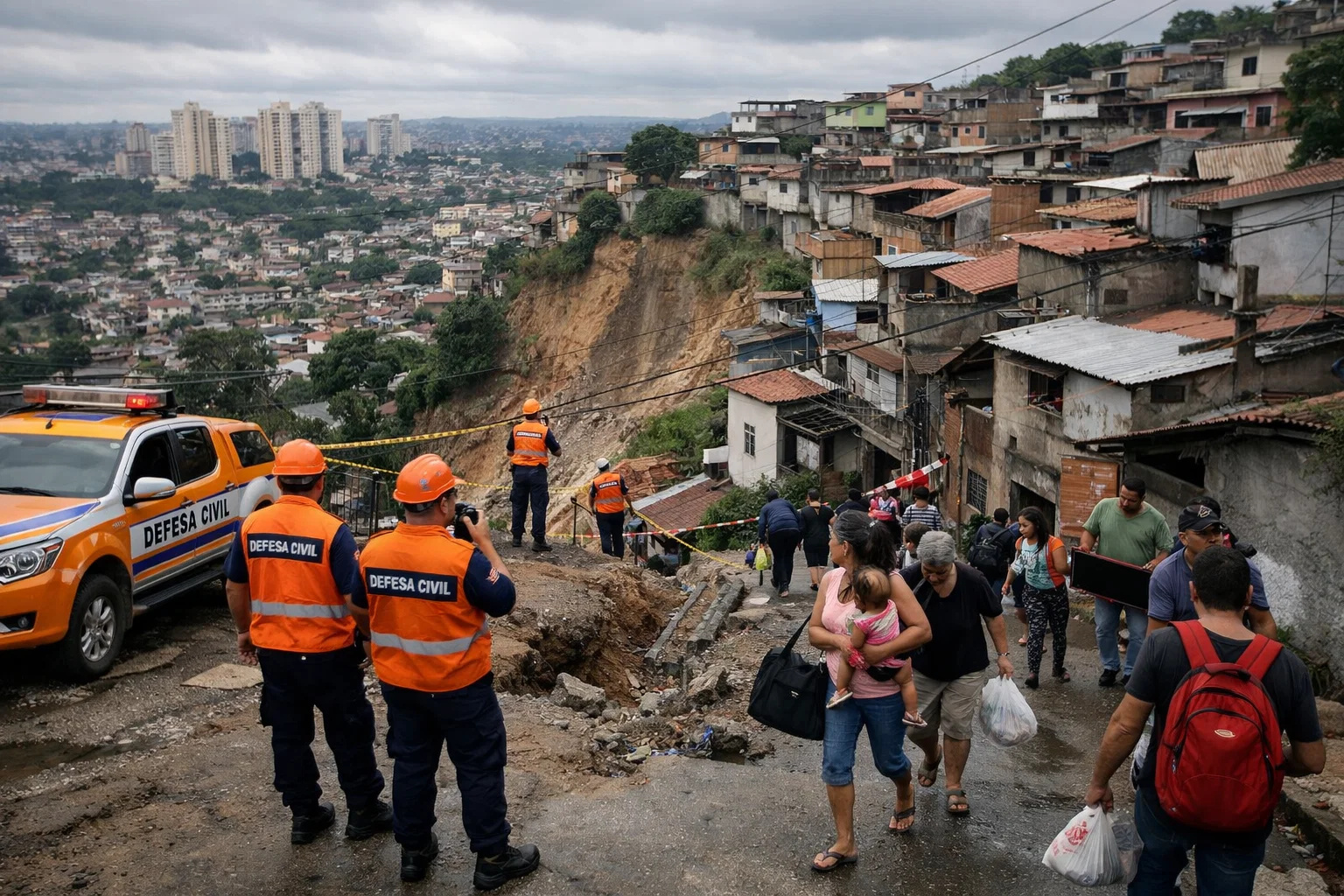
Civil Defense Issues Alert and Advises Evacuation in 51 Streets of Juiz de Fora After Risk of Instability; See the Complete List of Affected Neighborhoods
-
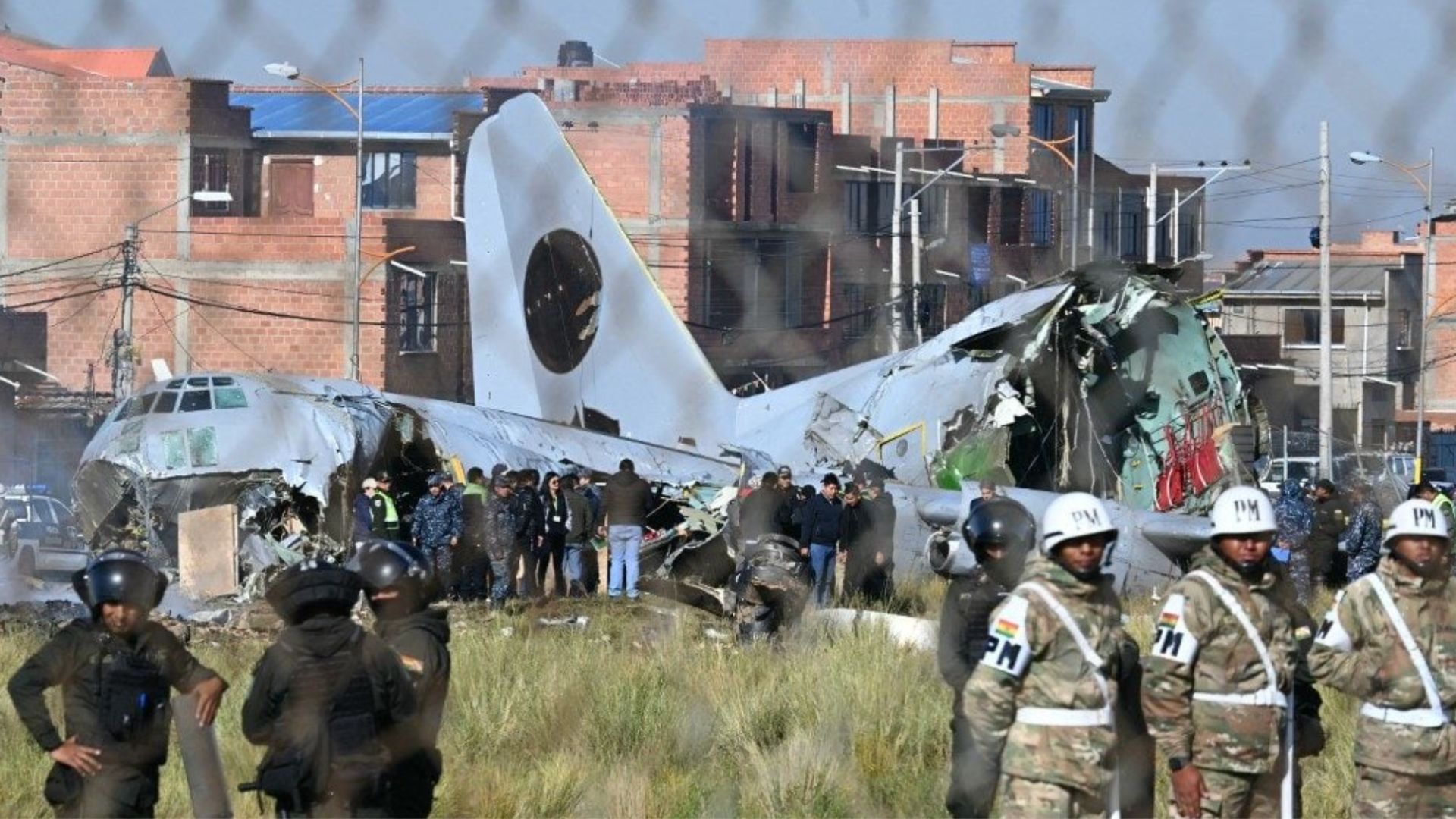
Military Plane With Money Crashes In Bolivia, Leaves 20 Dead And Leads Central Bank To Annul 10, 20, And 50 Bolivianos Notes After Chaos At Airport
According to the British platform, both planes were scheduled to take off from Las Palmas, on the island of Gran Canaria. However, a terrorist attack that occurred earlier forced the aircraft to be diverted to Tenerife, which had limited capacity to operate simultaneous flights.
KLM flight 4805 began its takeoff on the only runway at the airport and collided with a Pan Am aircraft, which was also preparing for departure. The force of the collision was devastating. Both aircraft exploded, transforming the site into a scene of fire and destruction.
Accident Details and Survivors
According to Britannica, all occupants of the KLM aircraft died instantly. On the Pan Am flight, although 330 people lost their lives, about 60 survived, including the pilot. Many escaped through a hole opened near the left wing of the aircraft.
The initial investigation indicated that the KLM commander may have initiated takeoff without authorization. However, poor weather conditions and the airport’s infrastructure were also cited as causes of the accident.
The tragedy became known worldwide as the Tenerife air disaster and profoundly marked the history of aviation.
Emblematic Cases That Also Shook the World
Other air disasters have entered the list of significant tragedies. One of them was the crash of Malaysia Airlines flight 17. With 298 people on board, the aircraft fell on July 17, 2014, in Ukraine.
A Dutch investigation concluded that the plane was hit by a projectile, turning suspicion into certainty of attack.
Another case involving the same airline was flight MH370, which disappeared from radar on March 8, 2014, during its route between Kuala Lumpur, Malaysia, and Beijing, China.
The aircraft had 239 people on board and is believed to have crashed in a remote area of the Indian Ocean. To this day, the complete wreckage has never been found, as reported by the BBC.
The Concorde Explosion and the End of an Era
The Concorde, a supersonic airplane that crossed the Atlantic between Europe and the United States, also had its tragic moment. On July 25, 2000, Air France flight 4590 crashed and exploded in Gonesse, on the outskirts of Paris. The tragedy killed all 109 people on board and four others on the ground. The accident sealed the end of commercial operations of this type of aircraft.
One of the Most Striking Accidents: The Drama in the Andes and Survival at the Limit
One of the most impressive episodes in aviation occurred with a Uruguayan Air Force plane, which was carrying a rugby team from Montevideo to Santiago, Chile. The aircraft crashed in the Andes Mountains.
There were 45 people on the flight. Only 16 survived the impact and 72 days of cold, hunger, and isolation until rescue. The case became known worldwide for the extreme challenges faced by the survivors.
The recent crash in India, with 240 people on board, is still awaiting investigations to reveal its causes. But the episode already serves as a new reminder of the importance of air safety.
Each tragedy, in addition to marking history, reinforces the need for prevention and constant review of procedures. The history of aviation shows that, despite technology, errors and unforeseen events can cost many lives.
With information from National Geographic Brazil.









Seja o primeiro a reagir!