





 Portuguese
  English
  Spanish
 4 min of reading
  0 comments


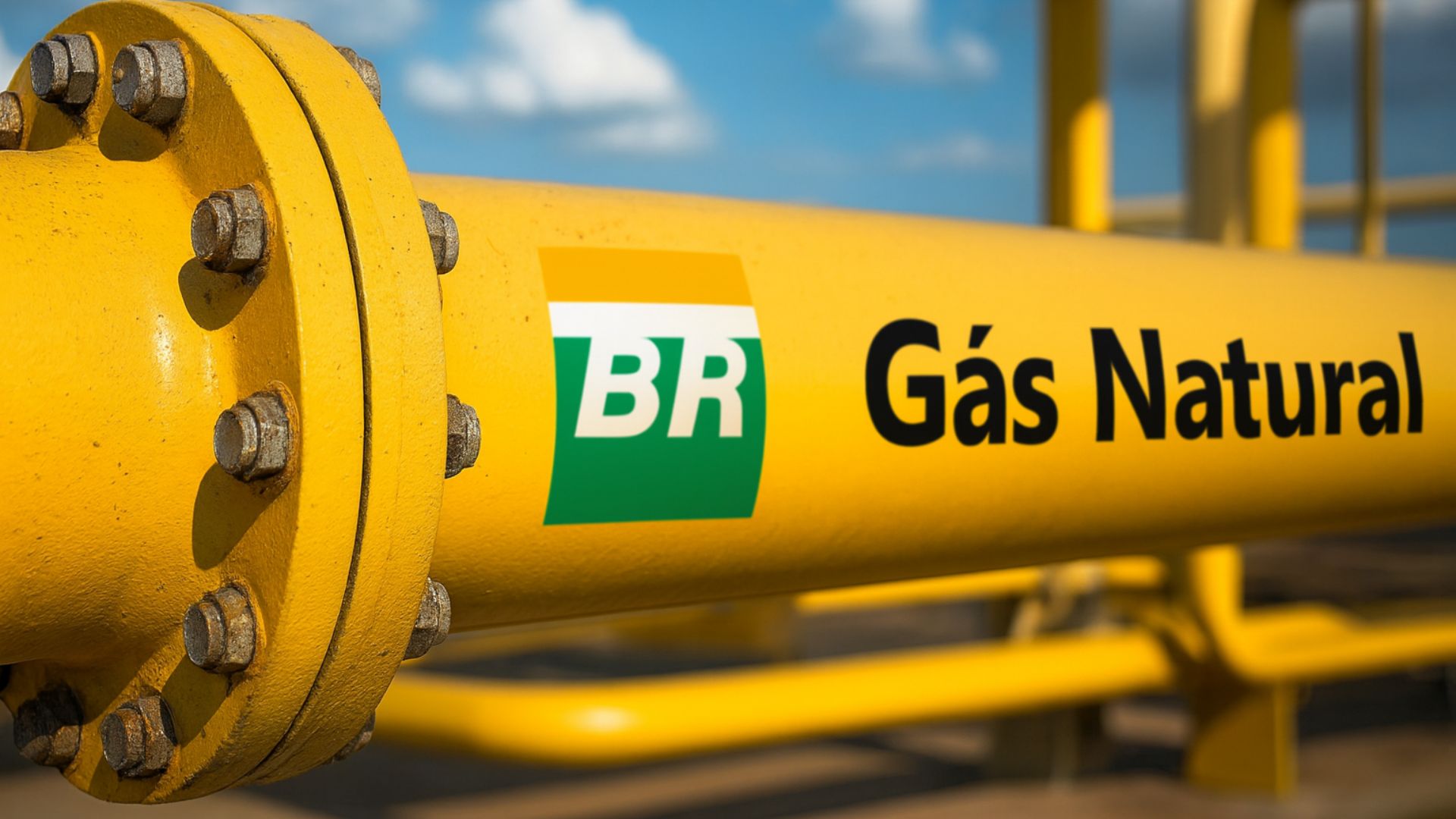
ANP Requires New Minimum Methane Standard for Natural Gas from Pre-Salt and Requires Petrobras to Adapt Its Processing Unit. Understand the Regulatory, Technical, and Economic Impacts of This Decision
The National Agency of Petroleum, Natural Gas and Biofuels (ANP) announced a unanimous decision that directly impacts Petrobras and the natural gas market in Brazil.
According to a report published by Brasil 247 on Tuesday (18), the regulator determined that the state-owned company must standardize the natural gas delivered to the market with a minimum content of 85% methane, ending the historical exception granted to gas from the pre-salt.
The measure also requires the submission of an adaptation plan for the Caraguatatuba Gas Treatment Unit (UTGCA), with a defined schedule and investments.
-
The rise in oil prices could ensure an extra revenue of R$ 100 billion for the Federal Government, indicates a recent economic study.

-
Naturgy begins an investment of R$ 1.6 million to expand the gas network in Niterói and benefit thousands of new residences and businesses.

-
A major turn in the Justice system suspends tax increases and directly impacts oil and gas companies in Brazil by affecting costs, contracts, and financial planning, leaving uncertain what could happen to the sector if these costs had increased.

-
Brava Energia begins drilling in Papa-Terra and Atlanta and could change the game by reducing costs in oil while increasing production and strengthening competitiveness in the offshore market.


What Changes with the New ANP Requirement for Petrobras
The ANP’s decision represents a shift in the flexibility policy that had been in place for years for pre-salt gas. Until now, Petrobras delivered gas with around 80% methane, taking advantage of a special authorization.
With the new rule, this authorization will be extended for a maximum of eight months, the time needed for the company to present and execute an adaptation plan for the UTGCA.
The requirement aims to ensure greater predictability and quality in the natural gas market, as well as align the Brazilian standard with best international practices. The measure also seeks to optimize the recovery of valuable components, such as liquefied petroleum gas (LPG), and reduce dependence on imports.
Adaptation Plan for UTGCA: Deadlines and Obligations
Petrobras will have up to three months to submit a complete adaptation plan for the UTGCA to the ANP. After submission, the agency’s technical area will have the same timeframe for analysis, and the board will have an additional two months to deliberate on the final outcomes. Furthermore, the involved superintendencies must define, within six months, what is considered a reasonable deadline for completing the works.
According to director Pietro Mendes, Petrobras failed to prove the technical and economic infeasibility of the adaptation. The ANP understood that the situation resulted from a corporate decision to delay investments, highlighting the urgency for immediate measures.
Economic and Strategic Impacts for Petrobras
The ANP’s imposition represents additional costs for Petrobras, which had been deferring investments in the UTGCA. However, agency directors emphasized that current technology allows for the efficient removal of heavy fractions (C3+), increasing methane content and optimizing gas utilization.
The modernization of the UTGCA is seen as strategic, especially considering the possibility of the unit receiving gas from new projects such as Bacalhau (Equinor), Orca (Shell), and Aram (Petrobras). This reinforces the importance of infrastructure prepared to process different types of natural gas with quality and efficiency.
Quality of Natural Gas and Energy Security
The standardization of methane content in natural gas is essential to ensure the quality of the product delivered to consumers and the safety of distribution networks.
Moreover, the measure contributes to the expansion of processing infrastructure and regulatory predictability, fundamental factors for attracting investments in the sector.
The director-general of the ANP, Artur Watt, highlighted that the increased efficiency of the UTGCA could reduce Brazil’s dependence on LPG imports, especially in a scenario of exponential demand driven by social programs like Gas for the People.
Requirements for Petrobras: End of the Exception for Pre-Salt Gas
Historically, pre-salt gas received preferential treatment due to its specific characteristics and the complexity of processing. However, the ANP decided to eliminate this exception, establishing a new standard that will guide the sector’s expansion.
This change signifies a new moment for the natural gas market in Brazil, focusing on quality, efficiency, and environmental responsibility. The decision also strengthens the role of the ANP as a technical and independent regulator, committed to the sustainable development of the energy sector.
Natural Gas from Pre-Salt: Challenges and Opportunities
The requirement for standardizing natural gas with 85% methane imposes technical and financial challenges on Petrobras but also opens up opportunities. The adaptation of the UTGCA may allow for greater utilization of heavy fractions, such as propane and butane, which have high commercial value. Additionally, standardization may facilitate integration with other distribution networks and enhance the competitiveness of Brazilian gas in the international market.
The ANP’s decision is an incentive for innovation and efficiency, requiring Petrobras to reevaluate its investment and operating strategies. The pre-salt gas, previously treated as an exception, is now integrated into the national standard, which strengthens energy security and regulatory predictability.
Paths to a More Efficient and Competitive Sector
The ANP’s requirement for Petrobras to standardize natural gas with a minimum of 85% methane represents an important regulatory milestone for the Brazilian energy sector. The measure ends an era of exceptions for pre-salt gas and inaugurates a new phase of standardization, efficiency, and predictability.
In addition to promoting the quality of natural gas, the decision strengthens the country’s energy security, encourages investments in infrastructure, and contributes to reducing dependence on imports. For Petrobras, the challenge now is to implement the required changes promptly and responsibly, reaffirming its strategic role in the sector’s development.
The standardization of natural gas is more than a technical requirement — it is an essential step towards a more competitive, sustainable market aligned with best global practices.









Seja o primeiro a reagir!