





 Portuguese
  English
  Spanish
  3 min of reading
  0 comments


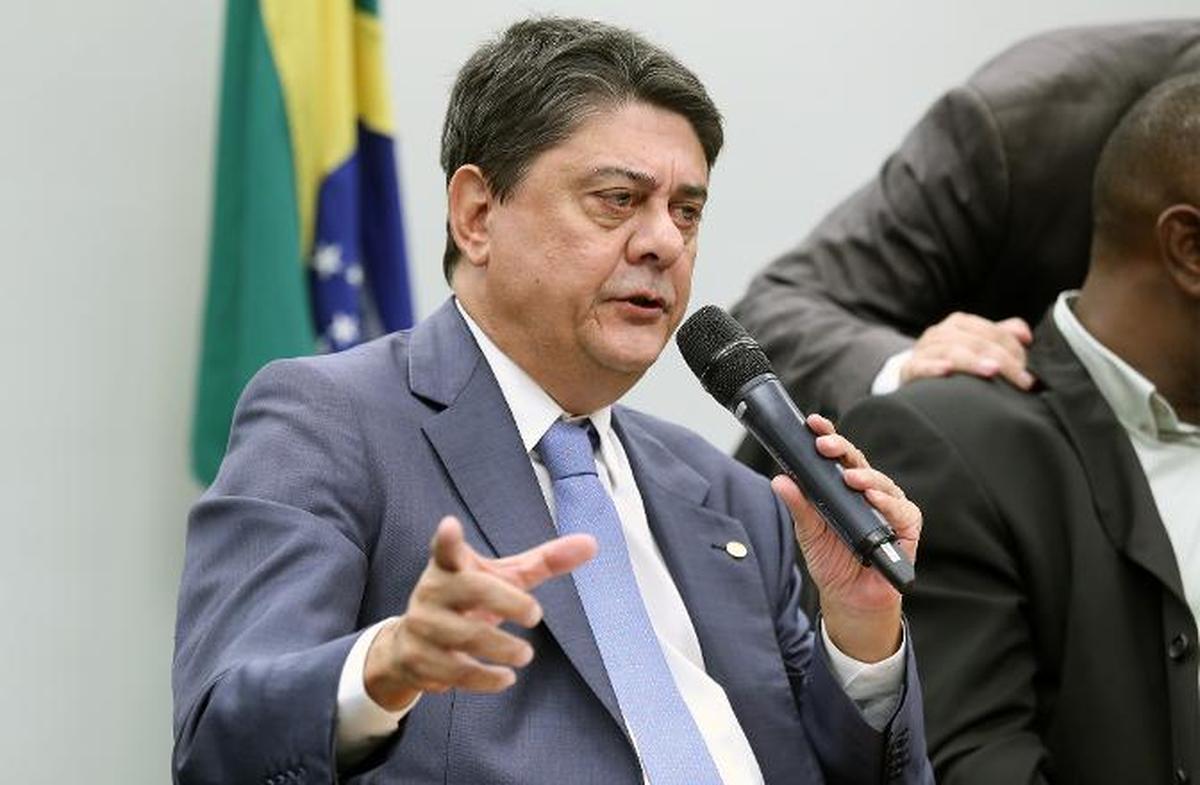
Suggested Changes By The Agency Redefine Cancellation Rules, Co-Payment And Criteria For Adjustments In The Supplementary Health Sector
The president of the National Supplementary Health Agency (ANS), Wadih Damous, stated this weekend (November 23, 2025), that he is against the unilateral cancellation of contracts for the elderly. In this regard, he explained that when he was in charge of the National Consumer Secretariat, he identified terminations without prior notice or formal justification. In addition, Damous advocated for explicit restrictions, as, according to him, operators do not terminate contracts of young people or healthy individuals. Therefore, prohibiting the cancellation of contracts for the elderly would eliminate “99% of the possibilities for unilateral cancellation”, reinforcing consumer protection.
Current Rules And Recurring Problems In The Sector
Operators use legal devices to cancel individual and collective contracts due to non-payment or imbalances in assistance risk. However, according to Damous, this use has become abusive in part of the cases analyzed by the National Consumer Secretariat. Thus, ANS considers it necessary to adjust the current legislation and, therefore, any changes will depend on approval in the National Congress, since the agency cannot change the law solely through administrative resolution.
Changes Advocated By ANS And Legislative Advances
The restrictions on cancellations are directly related to the Bill 7,419/2006, which updates the Health Plan Law and has been pending for 19 years, with 270 accompanying projects. Furthermore, Congressman Domingos Neto (PSD-CE), who has been the rapporteur since 2025, has shown willingness to include provisions that expand ANS’s regulatory power. Therefore, according to Damous, there is political space for adjustments at this stage of the report.
-
The Chamber opens a debate on driver’s licenses at 16 years old as part of a reform that includes around 270 proposals to change the Brazilian Traffic Code and may redesign rules for licensing, enforcement, and circulation in the country.

-
The new Civil Code could revolutionize marriages in Brazil with “express divorce” and changes that could exclude spouses from inheritance.

-
Banco do Brasil sues famous influencer for million-dollar debt and intensifies debate on delinquency, risks of seizure, and direct impact on Gkay’s credibility.

-
The Senate approves a bill that criminalizes misogyny, hatred, or aversion towards women, and includes the crime in the Racism Law with a penalty of up to 5 years.


Review Of Co-Payment Charges
The president of ANS also criticized the current method of charging for co-payment and, for this reason, presented two central proposals: establishment of a ceiling, limited to 30% of the monthly amount paid by the consumer, and full exemption for continuous treatments, which, according to him, should not generate additional charges to the patient. These changes, if approved, would reorganize the relationship between operators and beneficiaries and, moreover, could reduce costs for users who depend on permanent therapies.
Bill That May Change The Sector
Bill 7,419/2006 has become the main instrument to enable the changes advocated by ANS. It gathers revisions on adjustments, waiting periods, collective contracts, and co-payment mechanisms and, for this reason, remains one of the longest debates in the Chamber of Deputies. However, the incorporation of new provisions will depend on negotiations with the supplementary health sector’s benches, which tend to pressure against regulatory expansions.
Official Medical Inflation Index And Technical Parameters
In addition to cancellation and co-payment rules, Damous stated that the country does not have a reliable calculation of medical cost variation and, therefore, proposed the creation of a specific index. According to him, the indicator should be developed in partnership with IBGE and Ipea, institutions with strong technical expertise in measuring inflation. Thus, the new index would serve as a parameter to veto increases beyond what is necessary, ensuring predictability for consumers.
Technical Partnerships And Foundations Of Adjustments
The proposal for a joint indicator would allow ANS to enhance the transparency of annual adjustments and thus prevent increases based solely on unilateral decisions of the operators. Additionally, Damous emphasized that the index would create an objective basis for regulatory analyses, providing technical support for potential vetoes or corrections.
Expected Regulatory Effects
With all the suggested changes, ANS aims to provide greater security to beneficiaries, limit cancellations without justification, review co-payment charges, and standardize adjustment criteria through a technical index. However, despite the proposals, the changes depend entirely on the National Congress, which is still discussing the final report of Bill 7,419/2006.










-

-

-

-

-

16 pessoas reagiram a isso.