





 Portuguese
  English
  Spanish
  3 min of reading


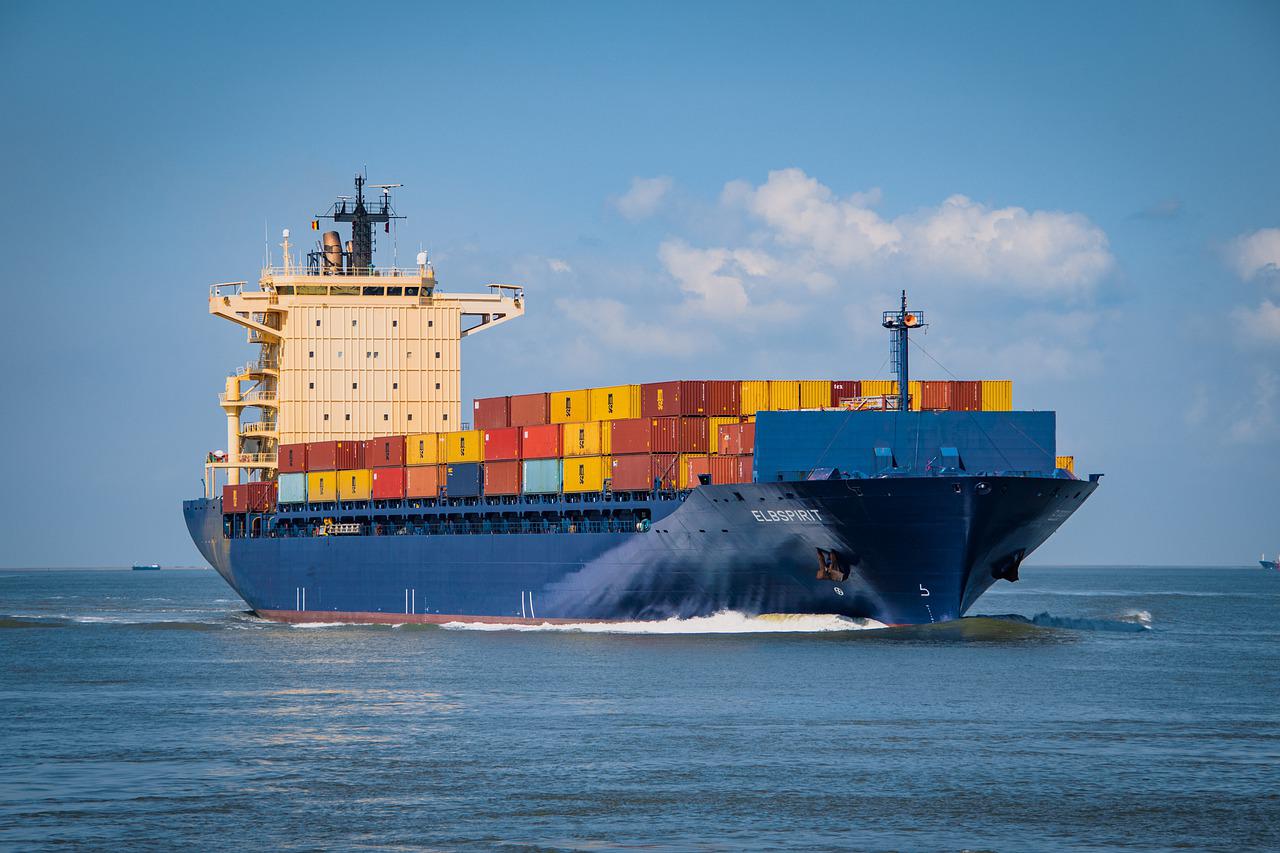
Antaq Confirms That The Shortage Of Containers In Ports Will Continue In The Medium Term And Forecasts Even More Logistical Problems In The Port Sector. The Logistical Bottleneck Increased Freight Costs Due To The High Demand Caused By The Pandemic, While Companies Are Making Record Profits.
On Thursday, (07/28), Antaq announced that, according to a report made by the agency, the lack of containers is expected to continue in the medium term. The report analyzed the logistical bottleneck and its consequences for the maritime market, one of which was precisely the increased freight cost for maritime transport on container ships at a global level.
To Prevent The Port Sector From Collapsing, Antaq Is Monitoring The Causes That Are Leading To The Shortage Of Containers In Brazil And The World
In this way, the group has been increasingly monitoring the causes and consequences of the container shortage in the navigation market on routes involving Brazil. The report produced by the agency indicates the group’s conclusions. The growth of transportation for this type of cargo began between 2020 and 2021, and the reasons are the change in consumption worldwide caused by the Covid-19 pandemic.
“The Lack Of Containers And The Logistical Capacity Of Ports, Accompanied By The Increased Demand For Containerized Cargo Movement, Driven By The Growth Of The E-Commerce Market And The Concentration Of The Maritime Transport Market, Have Created A Major International Logistical Problem; It Is Certain That The Probable Forecasts Assess That This Situation Will Persist Over The Medium Term,” Reports The Document Developed By Antaq.
-
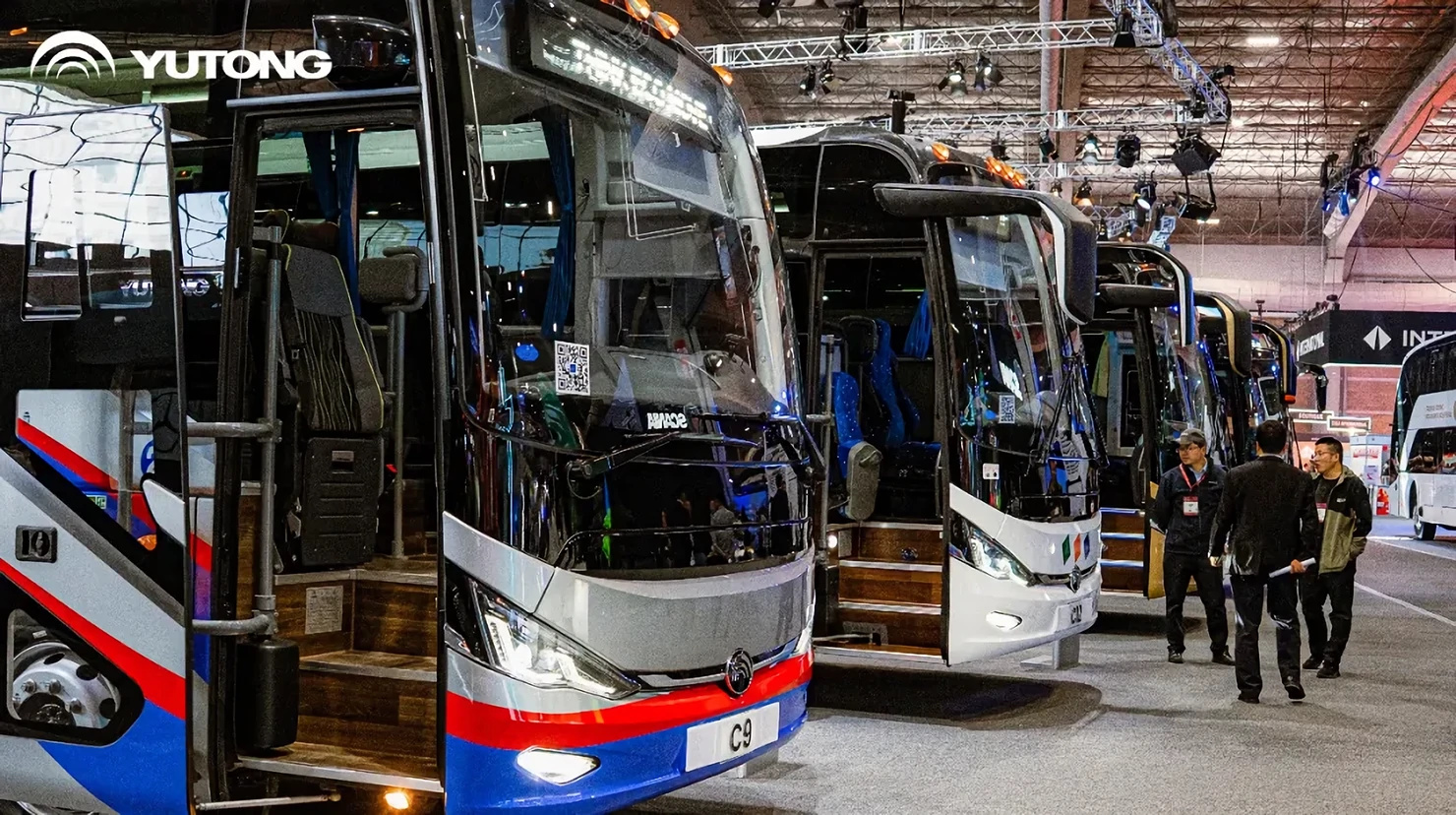
China advances into Mexico’s transportation with an electric bus that has a range of up to 530 km, bringing a complete line to the country in 2026 and transforming its partnership with Yutong into one of the most strategic in Latin American mobility.
-
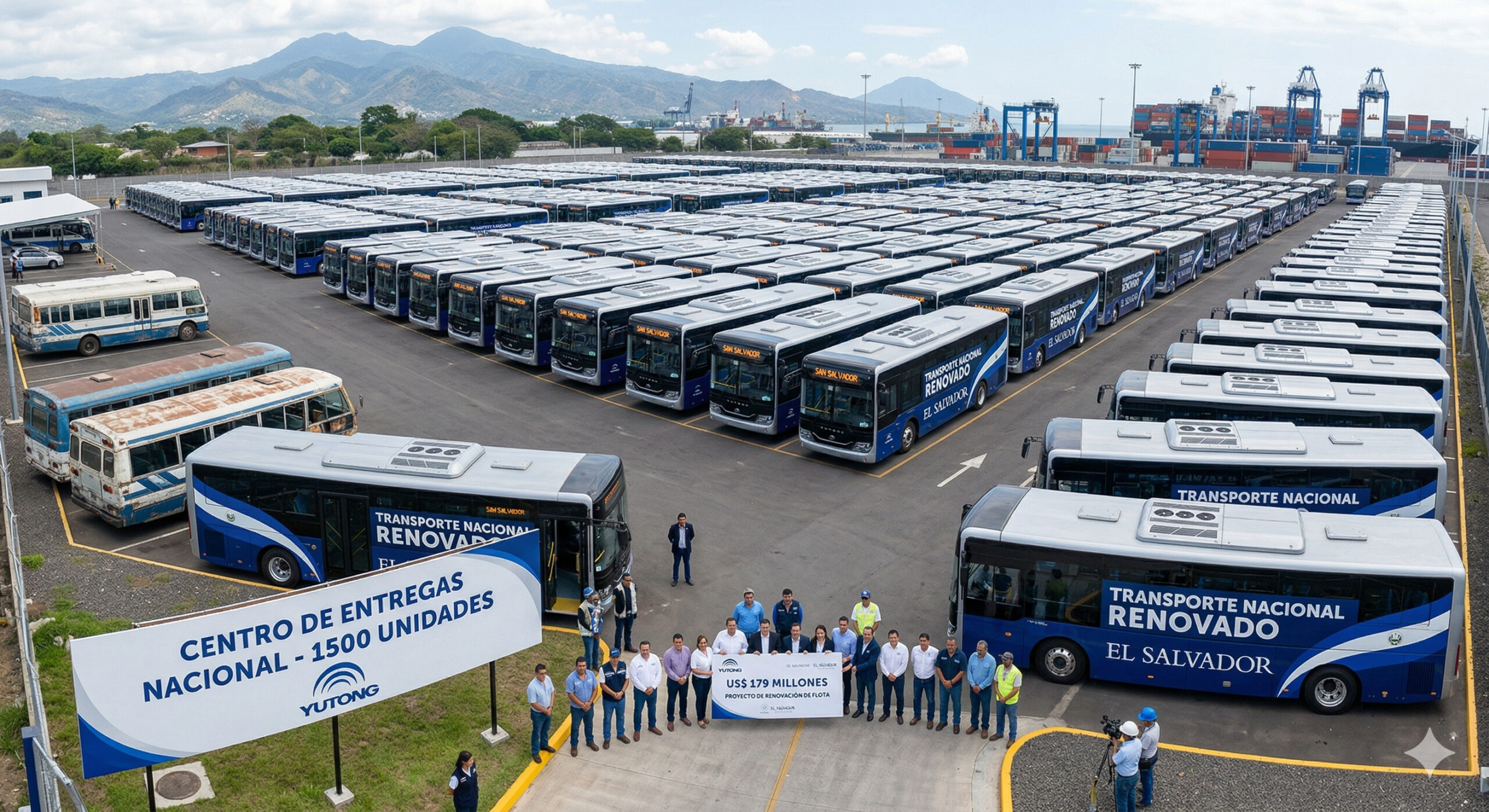
With 1,500 new buses financed by an international agreement, El Salvador is preparing the largest renewal in the history of its public transportation, a plan of $179 million with vehicles from the Chinese company Yutong that could replace practically the entire fleet of the country.
-
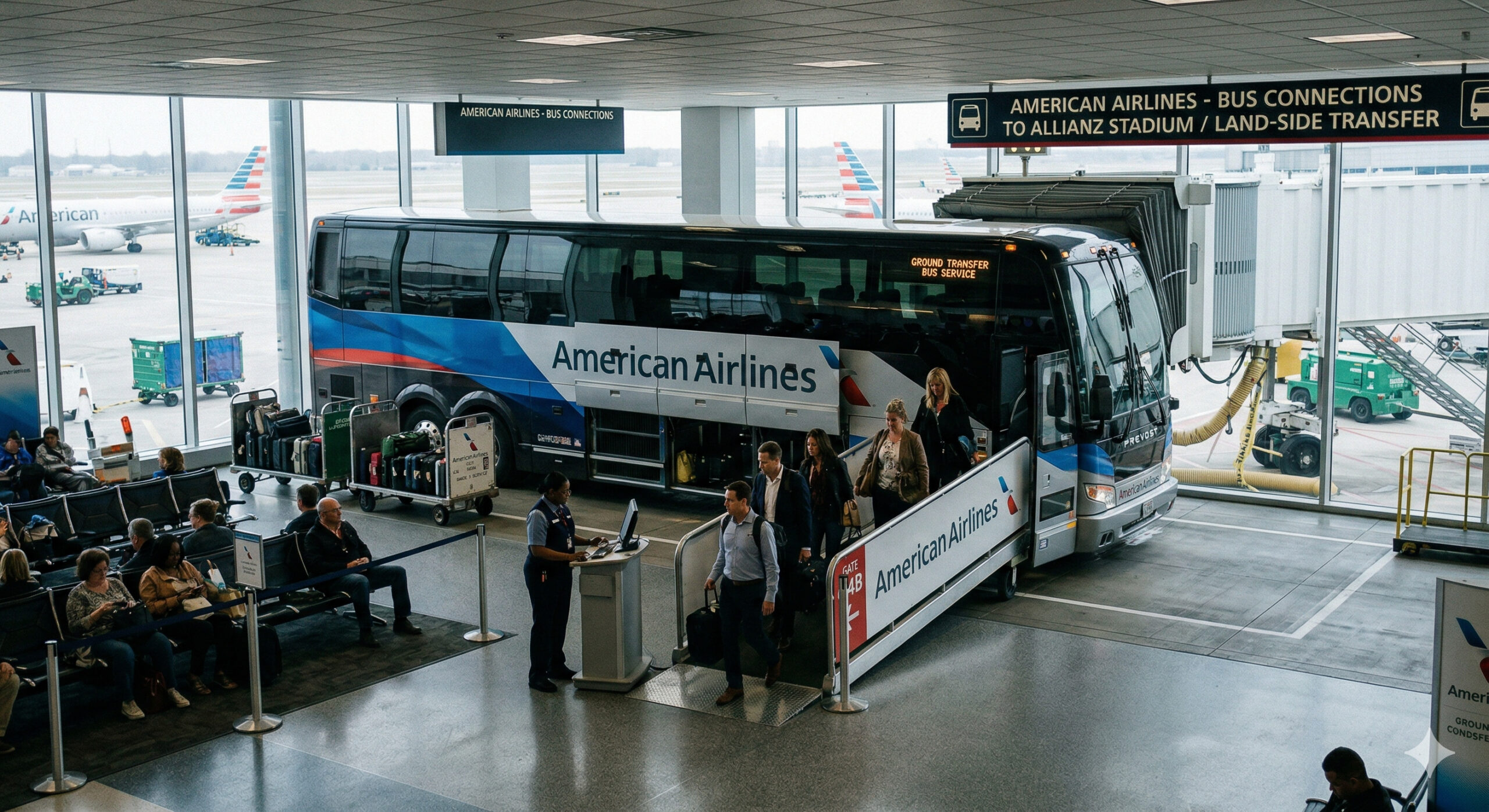
American Airlines starts selling trips as if they were flights, with check-in and baggage check at the airport, but on short routes, passengers board luxury buses connecting cities to major hubs in the U.S.
-
São Paulo surprises the world with a colossal railway network project that promises over 1,000 km of tracks, R$ 194 billion in investments, and 40 projects connecting the capital to the interior with fast and sustainable trains.
The Increased Use Of Computers, IT Supplies, Television, And Air Conditioning, For Example, Are Other Changes Related To The Growth Of Transportation For This Type Of Cargo. This Has Caused An Increase In The Cost Of Containerized Freight And Delays In The Shipment Of Other Cargoes Worldwide.
Among The Findings Discovered By The Regulatory Agency In Analysis With Users Are: Cargo Omissions, Cargo Rollers, Container Shortages, Increased Freight Costs, Congestion At Terminals, Among Others.
The Main Finding Identified By The Agency Was The Confirmation Of Schedule Issues
According To The Director Of Antaq, Flávia Takafashi, The Major Finding Was The Confirmation Of Schedule Issues, Which Are Cancellations Of Ships’ Access To A Certain Port Terminal. Thus, In Practice, This Means That The Scheduled Docking Of Ships For A Certain Period Of Time Will No Longer Occur. In Addition To These Findings, The Concentration Of Cargo Movements At Ports With Terminals Managed By Carriers Was Also Examined.
Moreover, Another Point To Consider Is The Presence Of Crews With Covid-19 On Ships And The Greater Concentration Of Volumes In Integrated Terminals — Those Owned By Carriers — And Fewer Logistical Options.
The Antaq Agency Also Noticed That, For These Reasons, There Was A Loss Of Credibility For The Port And A Loss Of Cargo In Cabotage Navigation, Which Involves Ports Within The Same Country. The Agency’s Findings Are Similar To Those Observed In The Report By The Logistics Company DHL Global, Published In Early July 2022.
According To DHL, On Average, The Freight Cost For A Containerized Cargo Was About US$ 2,000 In The Last Quarter Of 2020 And Has Now Reached Around US$ 10,000 At The Beginning Of The Last Quarter Of Last Year.
The Expectation, According To The Logistics Company, Is That The Price To Transport This Type Of Cargo Will Remain High. In This Sense, On One Of The Main Routes Of Global Maritime Trade, From The United States To Shanghai, The Freight Cost On A Container Ship Rose From US$ 1,000 In The 3rd Quarter Of 2020 To US$ 4,500 In The Last Quarter.






Seja o primeiro a reagir!