





 Portuguese
  English
  Spanish
  4 min of reading
  0 comments



For Millions Of Years, Antarctica Maintained Conifer Forests And Tundra Regions Under Warmer Climate, Until Changes In Atmospheric CO₂ And Ocean Circulation Triggered A Glaciation Beginning About 34 Million Years Ago, Gradually Transforming The Continent Into A Vast Ice Sheet
Antarctica Has Not Always Been A Frozen Desert. Studies Indicate That The Continent Was Covered By Conifer Forests And Tundra Until About 34 Million Years Ago, When A Gradual Process Of Permanent Glaciation Completely Transformed Its Landscape.
For Much Of Its Geological History, Antarctica Had Very Different Climate Conditions Than Today. The continent that today houses a vast ice sheet once supported extensive vegetation and considerably milder temperatures.
This Profound Climatic Transformation Marked One Of The Most Significant Environmental Changes In The History Of The Planet. The Processes That Led To The Formation Of The Antarctic Ice Sheet Continue To Be Analyzed By Scientists To Understand The Evolution Of Earth’s Climate.
-
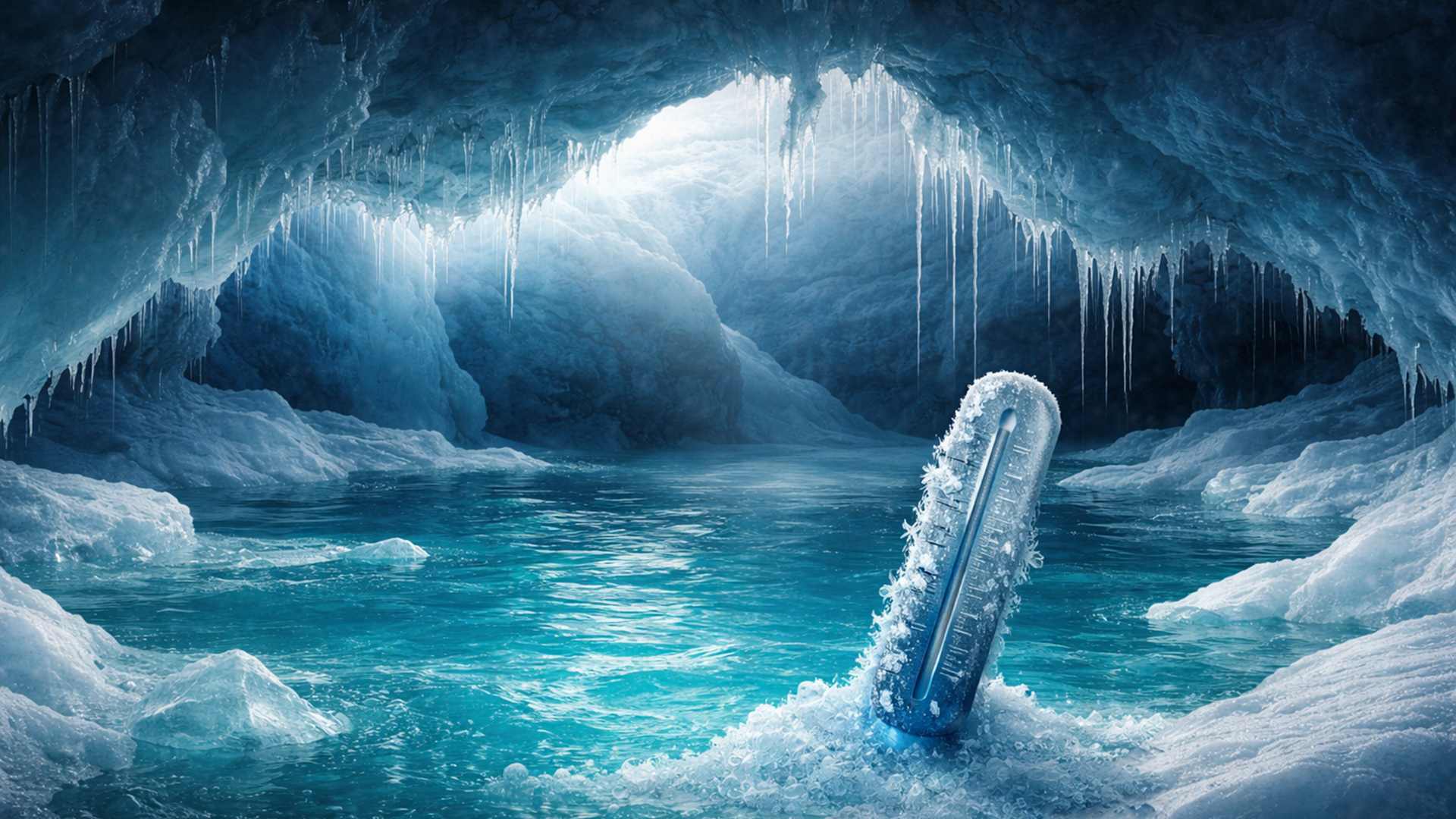
The coldest seawater ever recorded in Earth’s history was hidden under extreme ice 717 million years ago and reached an impressive -15°C.
-
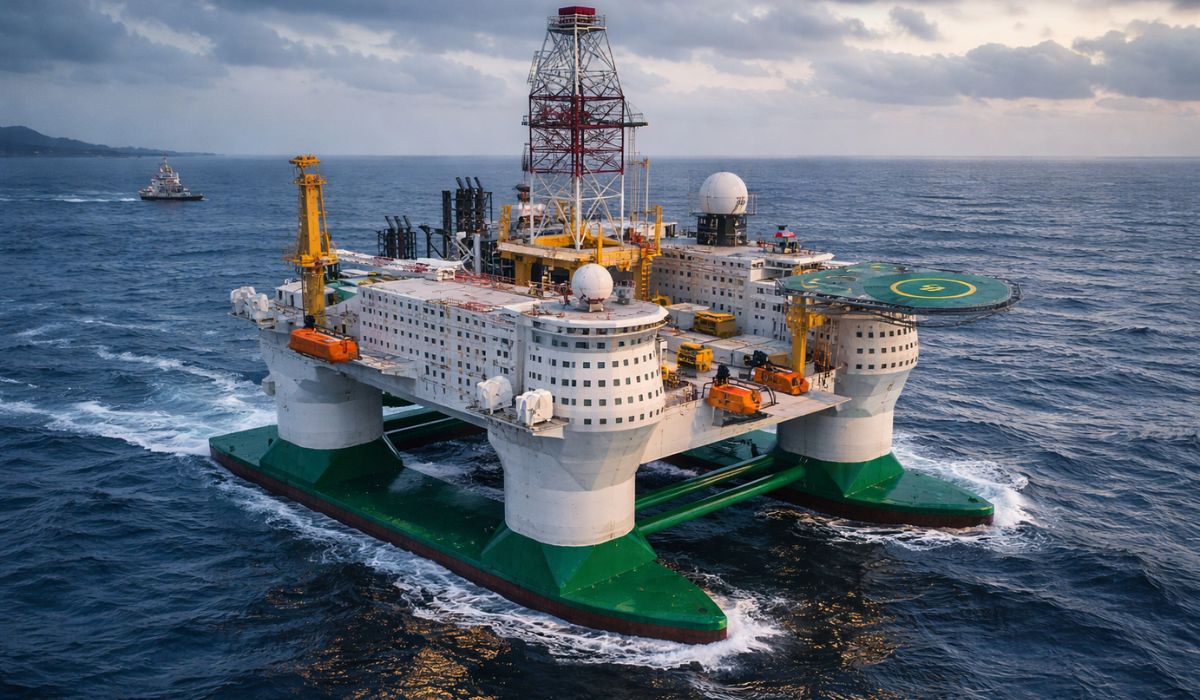
China has launched the world’s first floating artificial island, a scientific structure designed to face open seas, test equipment weighing hundreds of tons, and reach depths of 10,000 meters.
-
China accelerates global science and may surpass the United States in 2 years with increased public investment, continuous growth, and direct impact on the global technological competition.

-
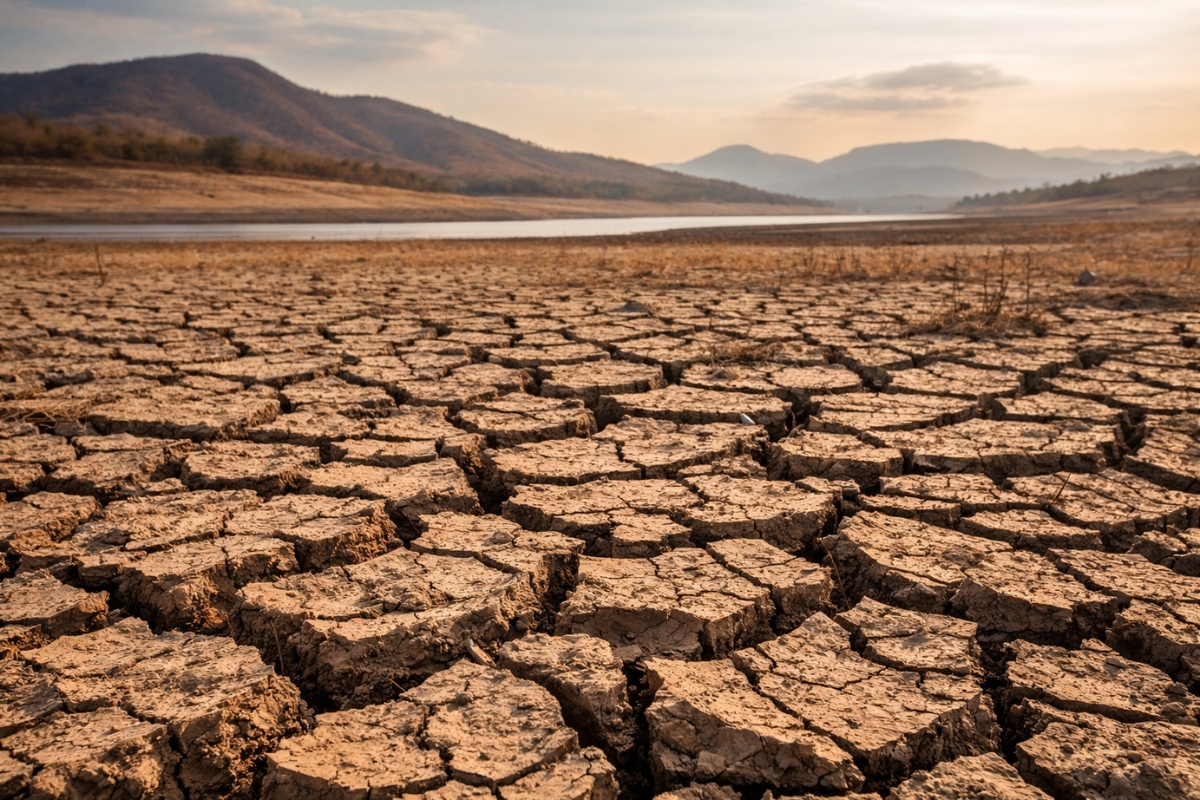
Scientific studies indicate that drought may be strengthening a much greater silent threat: more resistant superbugs.

Green Antarctica With Conifer Forests And Tundra Dominated The South Pole For Millions Of Years
Around 50 Million Years Ago, At The Beginning Of The Eocene, Antarctica Had A Completely Different Environment Than Today. Conifer Forests Spread Across Large Areas Of The Continent, While Colder Regions Were Occupied By Tundra Landscapes.
Global Temperatures During That Period Were Approximately 8 Degrees Higher Than Today. This Climatic Scenario Allowed For The Existence Of Abundant Vegetation Even In A Continent Already Located In The South Pole Region.
According To Climatologist Eric Wolff From The University Of Cambridge, This Warm Environment Was Related To Elevated Levels Of Carbon Dioxide In The Atmosphere. CO2 Levels Reached Between 1,000 And 2,000 Parts Per Million, Equivalent To Three To Five Times Current Levels.
Even Situated In The Southernmost Part Of The Planet, The Continent Did Not Exhibit Permanent Freezing. Antarctica Maintained A Relatively Stable Environment, With Climatic Conditions Capable Of Sustaining Vegetation For Extended Geological Periods.
Global Cooling During The Eocene Initiated Climatic Transformation In Antarctica
The Process Of Climate Change Began Gradually During The Mid Eocene. Over Millions Of Years, Atmospheric Carbon Dioxide Levels Continuously Decreased.
This Gradual Reduction Of CO2 Also Caused A Gradual Drop In Global Temperatures. The Combination Of These Factors Initiated A Slow Process Of Environmental Transformation In The Antarctic Continent.
Even With The Advance Of Global Cooling, Some Regions Of Antarctica Continued To Exhibit Temperate Climate For Long Periods. In These Areas, Conifer Forests Managed To Survive For A Significant Time Before Disappearing Completely.
Vegetation Was Only Eliminated When Critical Limits Of Temperature And CO2 Concentration Were Exceeded. From That Point On, The Environment Began To Favor The Accumulation Of Snow And The Advance Of Ice.
Formation Of The Antarctic Ice Sheet Began About 34 Million Years Ago
The Permanent Glaciation Of Antarctica Began Approximately 34 Million Years Ago. This Moment Marks The Transition Between The Geological Epochs Of The Eocene And The Oligocene.
According To Geochemist Tina Van De Flierdt From Imperial College London, This Change Represents One Of The Largest Climatic Transformations In Earth’s Recent History. The Continent Initiated A Freezing Process That Forever Altered Its Configuration.
Two Main Factors Contributed To This Massive Freezing. The First Was The Drop In Atmospheric CO2 Concentrations Below About 750 Parts Per Million.
This Limit Allowed Temperatures In Antarctica To Fall Sufficiently For Snow To Remain On The Ground Even During Summer. With Continuous Accumulation Over The Years, An Ever-Expanding Ice Sheet Formed.
The Second Factor Involved Tectonic Changes In The Region. The Opening Of The Drake Passage Between South America And Antarctica Played An Important Role In This Process.
Circumpolar Ocean Current Thermally Isolated Antarctica From Warmer Oceans
The Tectonic Separation Between The Continents Allowed For The Emergence Of A Circumpolar Ocean Current Around Antarctica. This Movement Of Cold Waters Isolated The Continent From Warmer Oceanic Masses.
With This Thermal Isolation, Antarctica Received Less Influence From The Waters Of The Atlantic, Pacific, And Indian Oceans. The Result Was An Intensified Cooling And Greater Stability Of The Conditions Necessary For Ice Formation.
The Chronology Of This Process Has Been Confirmed By Scientists Through The Analysis Of Oxygen Isotopes Preserved In Marine Sediments. These Geochemical Markers Indicate Abrupt Change In The Isotopic Composition Of Seawater.
This Alteration Functions As A Direct Signature Of The Massive Ice Formation On The Antarctic Continent. Geological Records Allowed The Reconstruction Of The Sequence Of Events That Led To The Definitive Freezing Of The Continent.
Transformation Of Antarctica Into Permanent Ice Sheet Took About 790,000 Years
The Complete Formation Of The Ice Sheet Did Not Occur Immediately. Geological Evidence Indicates That The Process Took Approximately 790,000 Years To Consolidate Into A Permanent Ice Sheet.
During This Period, The Last Forests Gradually Disappeared As The Ice Advanced Over The Continent. The Environment Was Replaced By An Increasingly Cold Landscape Dominated By Snow.
The Growing Accumulation Of Ice Altered The Albedo Of The Continental Surface. This Means That More Solar Radiation Began To Be Reflected Back Into Space, Reinforcing The Cooling Process.
This Climate Feedback Mechanism Accelerated The Expansion Of The Ice Sheet. Areas That Still Maintained Moderate Temperatures Began To Gradually Freeze.
Research Published In The Journal Climate Of The Past Indicates That West Antarctica Was The Last Region To Completely Freeze. Its Specific Geographic Characteristics Delayed The Total Glaciation Of The Continent.
When This Last Area Finally Turned Into Permanent Ice, The Scenario Of Modern Antarctica Was Consolidated. Scientists Continue To Study These Ancient Transitions To Better Understand The Current Stability Of The Continent’s Ice Sheet.






Seja o primeiro a reagir!