





 Portuguese
  English
  Spanish
  5 min of reading
  0 comments


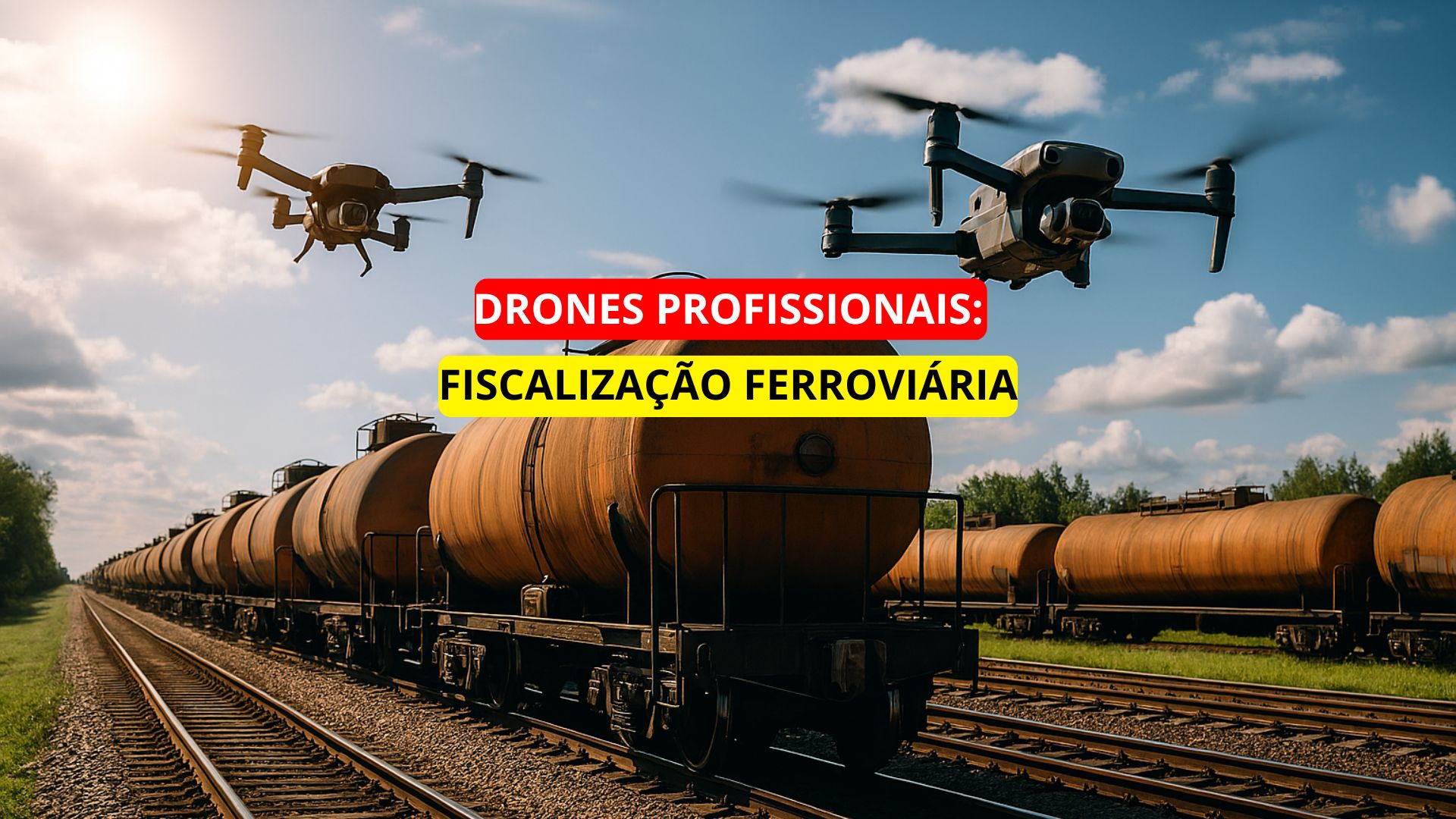
ANTT Adopts Professional Drones to Strengthen Railway Inspection and Elevate Safety in Rail Transportation with Cutting-Edge Technology.
The National Land Transportation Agency (ANTT) officially presented, on Wednesday (17), its new fleet of 15 professional drones to reinforce railway inspection on federal railways. The launch, held at the agency’s headquarters, represents a technological and strategic milestone for the Brazilian rail transport sector.
The initiative aims to expand the reach of inspection operations, increase the accuracy of inspections, and reduce operational costs. The drones will allow access to hard-to-navigate sections, optimizing the work of inspectors and promoting greater safety on the tracks.
Technological Innovation in Railway Inspection
According to ANTT’s Director-General, Guilherme Theo Sampaio, during the inauguration ceremony, this is a significant technological advance for both the Agency and the entire transport sector. The delivery of the equipment is the result of an unprecedented partnership with the concessionaire Rumo, enabled through the Resources for Technological Development (RDT) mechanism.
-
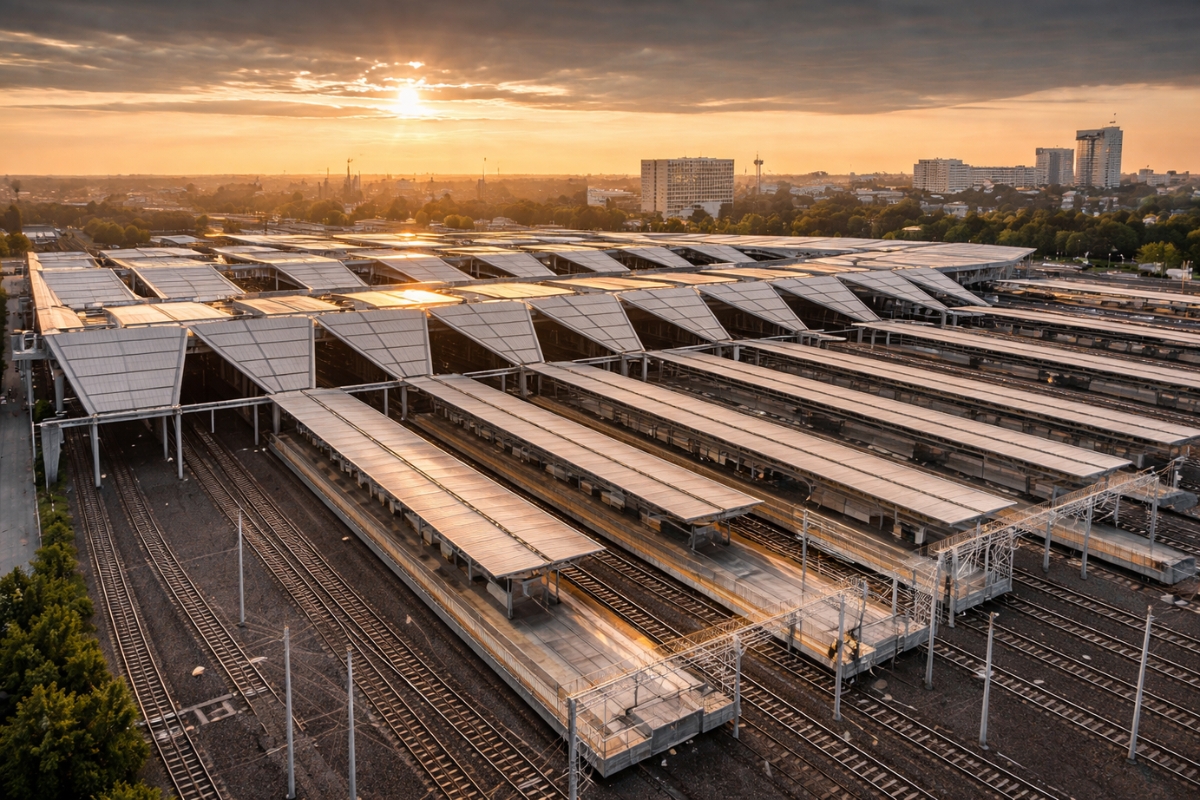
In A European City, The Country’s Largest Railway Junction Was Modernized Without Closing Its Doors, Kept Trains Running During Years Of Construction, Now Serves Up To 60,000 Passengers Per Day, And Installed Solar Panels That Generate About 30% Of Its Energy
-
Famous Brazilian Railway May Become a Parking Lot

-
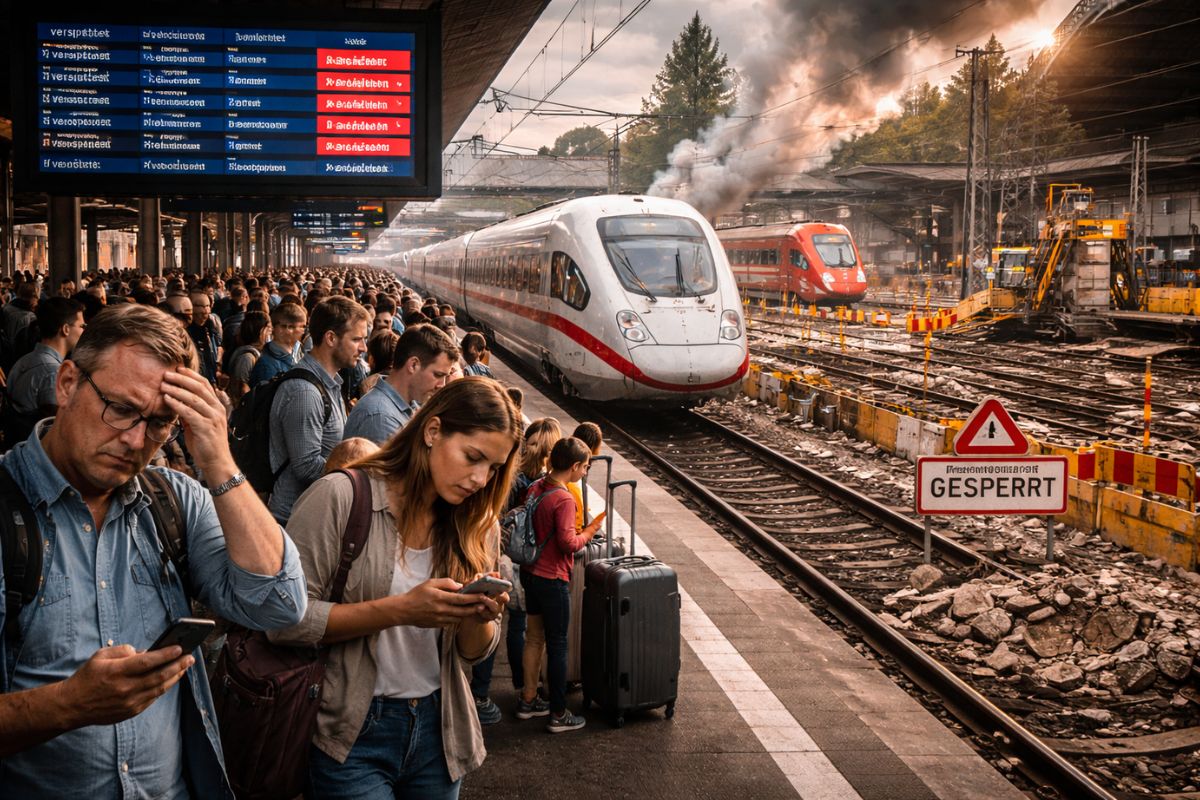
The Country of “Punctual As a Train” Admits It Has Lost Control: High-Speed Trains Delay, Stop, Disappear from the Map and Turn 6-Hour Trips into 10, While Deutsche Bahn Promises Restructuring in 2026 But Faces 19th Century Infrastructure, Staff Shortages and Sections Closed for Months
-
With an Investment of R$ 700 Million in One of the Country’s Main Rail Networks, VLI Reinforces Infrastructure, Receives 8 New Locomotives, and Expands the Corridor Connecting 7 States, Boosting Jobs and the Transportation of Grains, Ore, and Oil Products to the Port of Santos


This model allows concession resources to be directed toward strategic innovation projects, strengthening the management and inspection of rail transport. With this action, ANTT reinforces its commitment to modernizing national infrastructure and ensuring user safety.
Fleet of 15 Professional Drones: Characteristics and Features
The new fleet of 15 drones will be incorporated into the field activities of the Railway Transport Superintendency (Sufer), focusing on the digital transformation of railway inspection. The equipment can perform aerial inspections in remote areas, monitor operations in real-time, and generate visual reports with high accuracy.
According to Alessandro Baumgartner, superintendent of Sufer, the arrival of the drones significantly enhances operations, expanding reach, increasing accuracy, and accelerating inspections. This represents an important evolution for the work of our inspectors.
The drones are equipped with high-resolution cameras and live transmission capabilities. This allows inspectors to remotely monitor operations, identify structural failures, and make decisions based on concrete data.
Strategic Partnership Between ANTT and Rumo
Rumo’s Vice-President, Natalia Marcassa, highlighted the importance of collaboration between concessionaires and regulatory bodies. According to her, the delivery of the drones reflects the essence of the institute in partnership with Sufer: a commitment to technology, innovation, and sustainable practices.
Rumo operates over 30,000 km of railway networks and sees the initiative as an opportunity to strengthen best practices and contribute to a more modern and safer rail transport system. The project is the first RDT conducted in railway and paves the way for future expansions into other modes.
This partnership represents a model of collaborative governance, where the private sector directly contributes to enhancing public regulation, focusing on innovation and efficiency.
Benefits of Railway Inspection with Professional Drones
The adoption of professional drones by ANTT represents a historic advancement in modernizing railway inspection. Among the main benefits are:
- Increased Operational Safety: More frequent and accurate inspections reduce accident risks.
- Cost Reduction: Less need for physical travel and greater efficiency in inspections.
- Agility in Operations: Real-time monitoring allows for quick responses to irregularities.
- Regulatory Transparency: Images and data captured by the drones can be shared with society and oversight bodies.
- Sustainability: Reduced use of land vehicles lowers greenhouse gas emissions.
Rail Transport and Global Inspection Trends
The use of professional drones in infrastructure is not exclusive to Brazil. Countries like the United States, Germany, and Japan are already using this technology to monitor highways, railways, and electrical networks.
In Brazil, ANTT’s initiative aligns the country with international best practices, promoting a qualitative leap in the management of rail transport. The adoption of emerging technologies is seen as essential to ensure competitiveness, safety, and sustainability in the sector.
Moreover, the use of drones contributes to the collection of georeferenced data, which can be integrated with artificial intelligence and machine learning systems, expanding the analytical capacity of the regulatory agency.
Training and Regulation: Next Steps for ANTT
Despite the advancements, the implementation of the technology requires care. Training for inspectors, regulation of aerial use, and integration of data with ANTT systems are fundamental steps for the project’s success.
The agency has already begun specific training for the staff who will work with the drones. The goal is to ensure the equipment is used responsibly, efficiently, and within the legal parameters established by the National Civil Aviation Agency (ANAC).
Additionally, ANTT is studying the creation of a standard operating protocol for the use of drones, which will include guidelines on safety, privacy, and information sharing with other public institutions.
Fleet Expansion and Integration with Other Modalities
The expectation is that, after the pilot phase, the fleet of 15 drones will be expanded and adapted for other transport modalities, such as highways and ports. ANTT is already exploring new partnerships and investments in artificial intelligence for analyzing the captured data.
This expansion will allow the agency to have an integrated view of national infrastructure, promoting coordinated inspection and planning actions. The integration between modalities is seen as strategic for the country’s logistical development.
Furthermore, ANTT intends to use the data generated by the drones to feed control panels and performance indicators, increasing the agency’s transparency and responsiveness.


Relevance of ANTT’s Initiative for the Future of Infrastructure
The inauguration of the fleet of 15 professional drones by ANTT marks the beginning of a new era in Brazilian railway inspection. With cutting-edge technology, strategic partnerships, and a focus on efficiency, the agency reinforces its role as a modern regulator committed to safety and innovation.
This initiative not only transforms the way railway transport is inspected but also strengthens public trust in government management.
The use of drones represents a paradigm shift in how the State monitors and regulates infrastructure concessions. By investing in technology, ANTT demonstrates that it is possible to unite innovation, responsibility, and concrete results for citizens.









Seja o primeiro a reagir!