





 Portuguese
  English
  Spanish
  6 min of reading
  5 comments


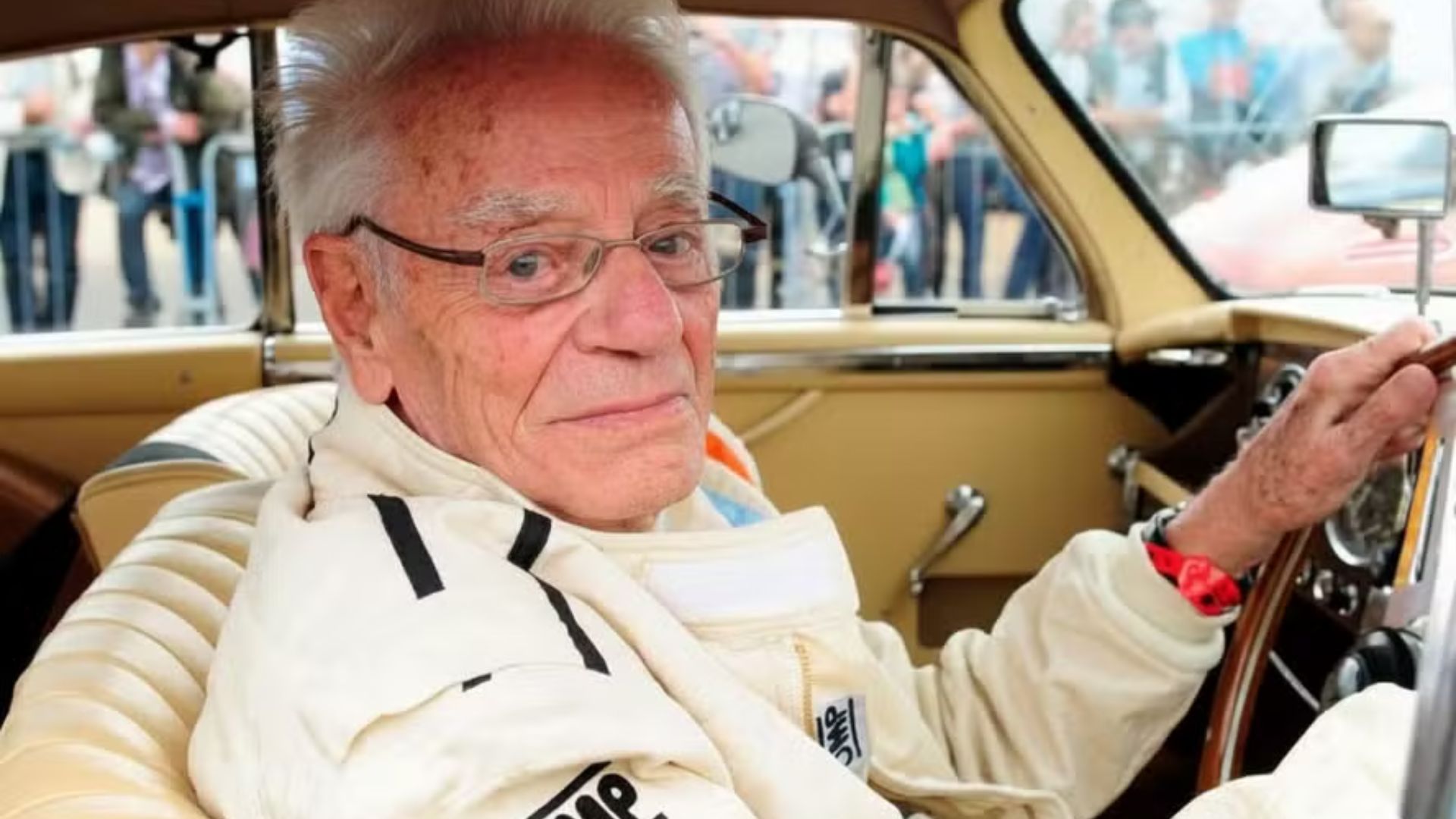


Former Formula 1 Driver Competed in Seven GPs in the 1950s, Scored Points in Monaco, Raced in Le Mans, and Maintained Sporting Ties with Brazil Throughout His Career, Even Though He Has Been Living in France for Decades and Away from Professional Tracks.
Hermano João “Nano” da Silva Ramos, who will turn 100 years old on December 7, 2025, is currently the oldest living former driver with participation in Formula 1 World Championship Grands Prix.
Registered as a Brazilian driver, he competed in seven races in the category during the 1955 and 1956 seasons and scored points in the 1956 Monaco Grand Prix, a significant result for a competitor from a limited-structure team at that time.
Even away from Formula 1 for nearly seven decades, the centenarian made headlines recently by recalling his own journey in interviews given to European and Brazilian media.
-
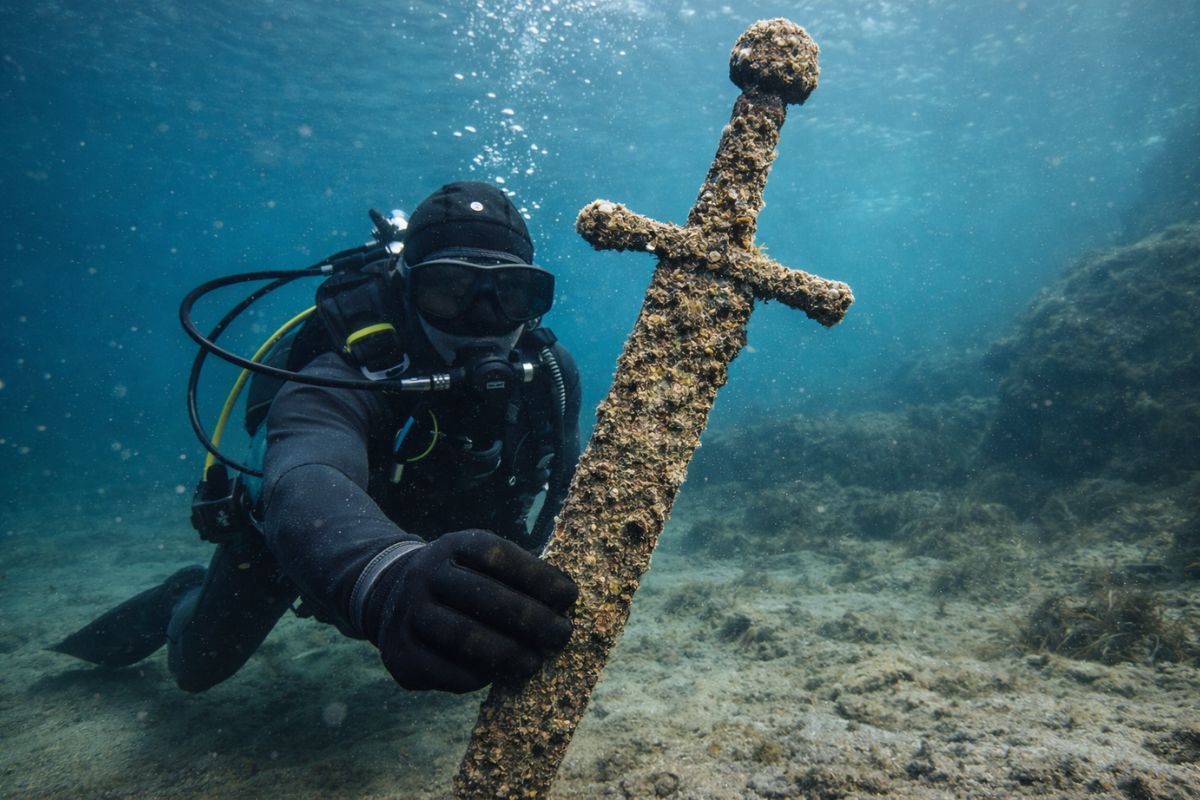
A diver found a 900-year-old sword at the bottom of the Mediterranean Sea, and its state of preservation impressed scientists so much that it could rewrite what is known about the Crusades.
-
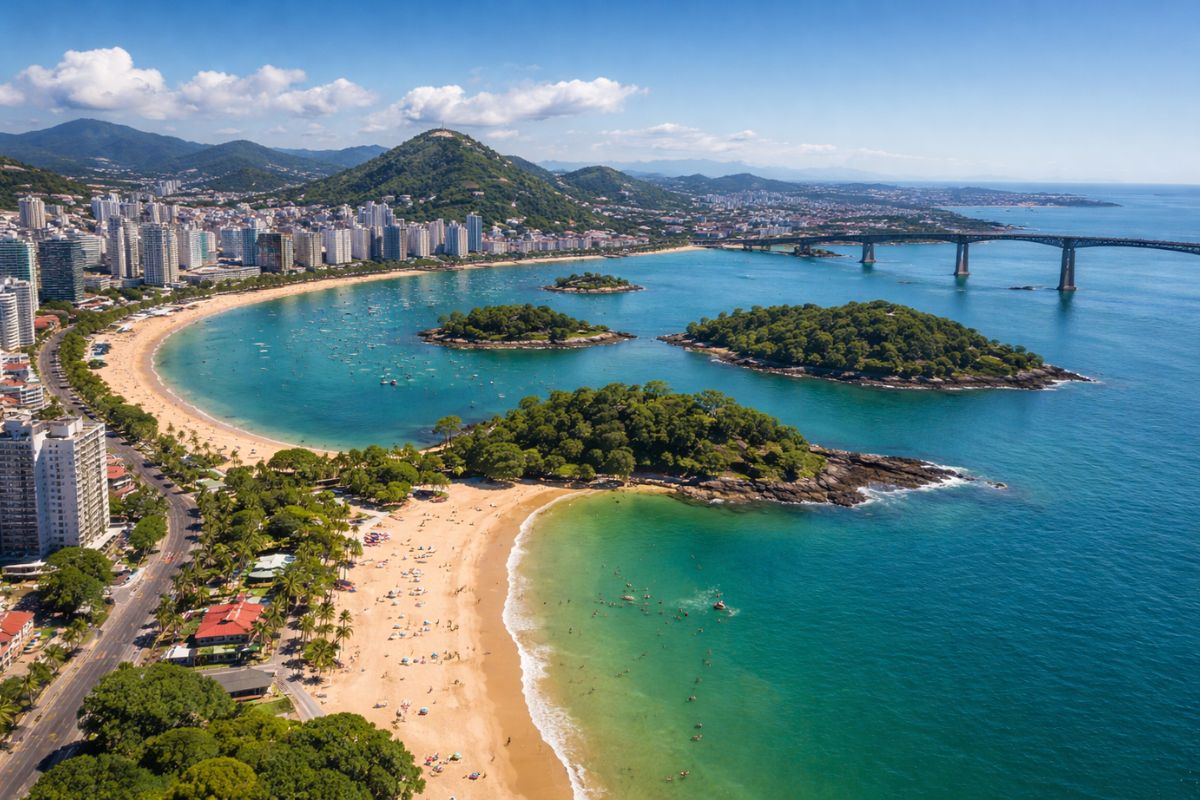
The city has 33 islands, urban beaches, and the highest education rating among all the capitals of Brazil, but almost no one remembers it when thinking about living or traveling in the Southeast.
-
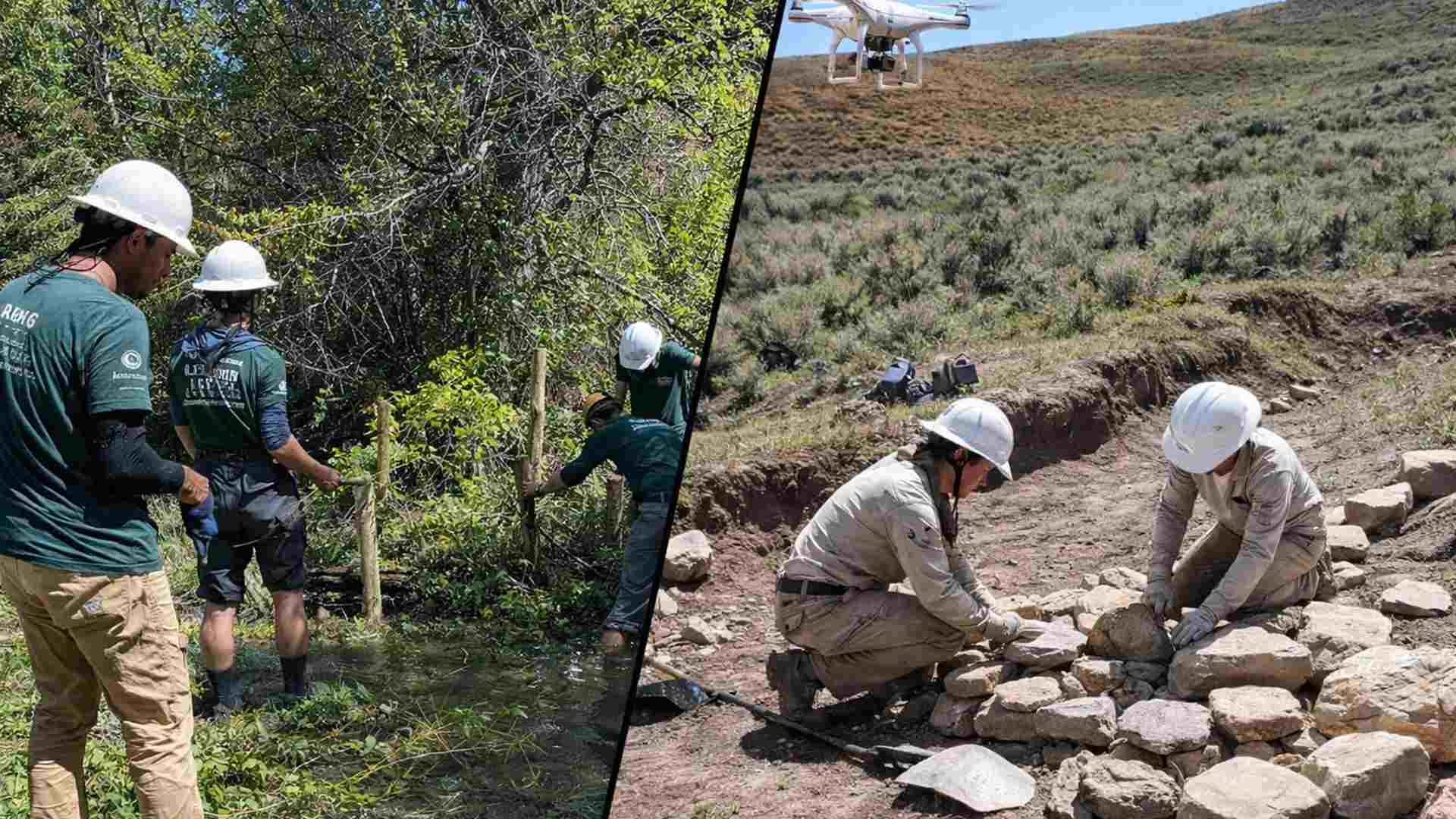
Drones come into action as teams of young people build 74 artificial dams and 100 rock structures to contain erosion, restore threatened streams, and try to return moisture and stability to degraded areas.
-
Have you ever wondered why the clock shows 60 minutes and not 100? The answer involves a mystery of 5,000 years that began in Mesopotamia, and no one has been able to change it to this day.

From his home in Biarritz, on the southwest coast of France, where he has lived for decades, he emphasized the sporting ties with Brazil when discussing the flag under which he competed.
According to his account, despite being born in Europe, he always raced representing his father’s country.
Origin and Sporting Identity in Motorsport
Hermano da Silva Ramos was born in Paris, on December 7, 1925, the son of a Brazilian father and a French mother.
His connection with motorsport began in childhood, as his father had been a Bugatti driver in the 1930s.

This family history helped bring him closer to the racing environment at a time when the sport was still taking its first steps towards professionalization.
During his youth, he spent part of his time in Brazil, particularly in Rio de Janeiro, a city that played an important role in his upbringing.
In later interviews, the former driver recalled this period as pivotal for the consolidation of his sporting identity.
When talking about his career, he often states that he considers himself Brazilian in motorsport, even though he spent much of his adult life in France.
This context helps explain why the name Hermano da Silva Ramos appears less frequently when discussing Brazilian Formula 1 drivers.
Unlike world champions or athletes who competed in more recent eras, his involvement in the category took place during an early period of the Championship, with less media coverage and scarcer records.
First Races in Brazil and Return to Europe
“Nano”’s first competitions took place in Brazil, shortly after World War II, in races held on street circuits and regional events.
At that moment, national motorsport was still marked by makeshift structures and strong integration with the daily lives of the cities.
There are reports of races interrupted by authorities or external situations, something common in that historical context.

In the early 1950s, Hermano returned to France and began competing more regularly in Europe.
It was in this environment that his career gained international prominence, especially in endurance races and touring competitions, regarded at the time as natural paths for drivers seeking space among more competitive teams.
Le Mans, Ferrari, and Long-Duration Motorsport
The trajectory of Hermano da Silva Ramos includes participation in the 24 Hours of Le Mans, one of the most traditional races in world motorsport.
He competed in four editions of the race in the 1950s, including the one in 1959, when he drove a Ferrari 250 Testa Rossa alongside British driver Cliff Allison.
In interviews, the former driver reported receiving direct guidance from Enzo Ferrari during this period.
According to him, the founder of the Italian team was straightforward in setting expectations related to performance and reliability.
The accounts help illustrate the pressure environment existing in major teams, even in an era marked by technical improvisation and high risk.
The period was also marred by episodes that exposed the dangers of motorsport for that generation.
The 1955 Le Mans edition, for example, entered history after a serious accident that killed dozens of spectators.
This episode is frequently cited by sports historians as a turning point in discussions about safety in high-level competitions.
Career in Formula 1 and Fifth Place in Monaco

In Formula 1, Hermano participated in seven official World Championship races between 1955 and 1956, always with the French team Gordini.
The car used by the team was considered technically inferior to the models of the leading teams, making results dependent not only on performance but also on mechanical endurance.
The best result of his career in the category came at the 1956 Monaco Grand Prix, where he finished in fifth place and scored two points.
In later testimonials, the driver himself regarded this performance as one of the most memorable moments of his journey.
At that time, only the top five finishers scored points, which emphasizes the significance of the result.
This fifth place had a direct impact on the Brazilian statistics in Formula 1.
In the same year, Chico Landi achieved a fourth place in the Argentine Grand Prix, but shared the car with another driver, a practice allowed at the time, which resulted in a division of points.
As a result, Hermano da Silva Ramos became the Brazilian with the most points in Formula 1 for 14 years, until surpassed only in 1970, with the arrival of Emerson Fittipaldi.
When recalling the grid environment, Nano mentioned interactions with names like Juan Manuel Fangio and Stirling Moss.
The references appear in interviews as part of a historical contextualization effort, without any records of prolonged rivalries within Formula 1.
Tragedy of Mille Miglia and Exit from the Category
The end of Hermano’s stint in Formula 1 occurred amid the impact of an accident that marked European motorsport.
In 1957, during the Mille Miglia, Spanish driver Alfonso de Portago died after an accident that also claimed the navigator and spectators.

The incident gained significant international attention and contributed to changes in the race format.
According to Hermano’s own accounts, the death of his friend had a direct effect on his continuation in the category.
Shaken, he chose not to compete in the Monaco Grand Prix held shortly after the tragedy and ultimately parted ways with the Gordini team.
This episode is noted as one of the central factors behind the short duration of his career in Formula 1.
Life After the Tracks and Memory of the Sport
After leaving F1, Hermano competed for a few more years in endurance races and other categories before finishing his career as a professional driver.
He then built a career outside the tracks, working in different sectors away from competitive motorsport.
In recent years, his name has been brought back to attention in reports and events related to the memory of the sport.
Clear-headed at 100 years old, he often compares today’s Formula 1 with that of his time.
In interviews, he stated that the category has become safer over time, although he believes that the level of unpredictability in races has decreased, a perception shared by other former drivers and historical analysts of motorsport.
In one of his most recent interviews, Hermano recorded a message in Portuguese and reiterated his ties with the country he represented on the track.
The statement encapsulates a journey marked by geographical displacements, but also by a sporting identity maintained over decades.







Parabéns triplo, Hermano:
Pelo aniversário;
Pela longevidade; e
Pelo legado esportivo.
Dê glórias ao PAI ETERNO
Então como o povo brasileiro nem lembra desse piloto a memória nossa é pouca se um estrangeiro teria um nome qualquer autódromo do seu país ou até uma rua em sua homenagem 🤔
Ele junto com Chico Landi, Gino Bianco e Fritz D’Orey foram precursores brasileiros na F1 e a impressa “especializada” desconhecem os seus feitos.
Para muitos brasileiros, inclusive da tal “imprensa especializada”, a participação brasileira na F1 limita-se ao falecido, Rubinho e Massa.