





 Portuguese
  English
  Spanish
  4 min of reading
  1 comment


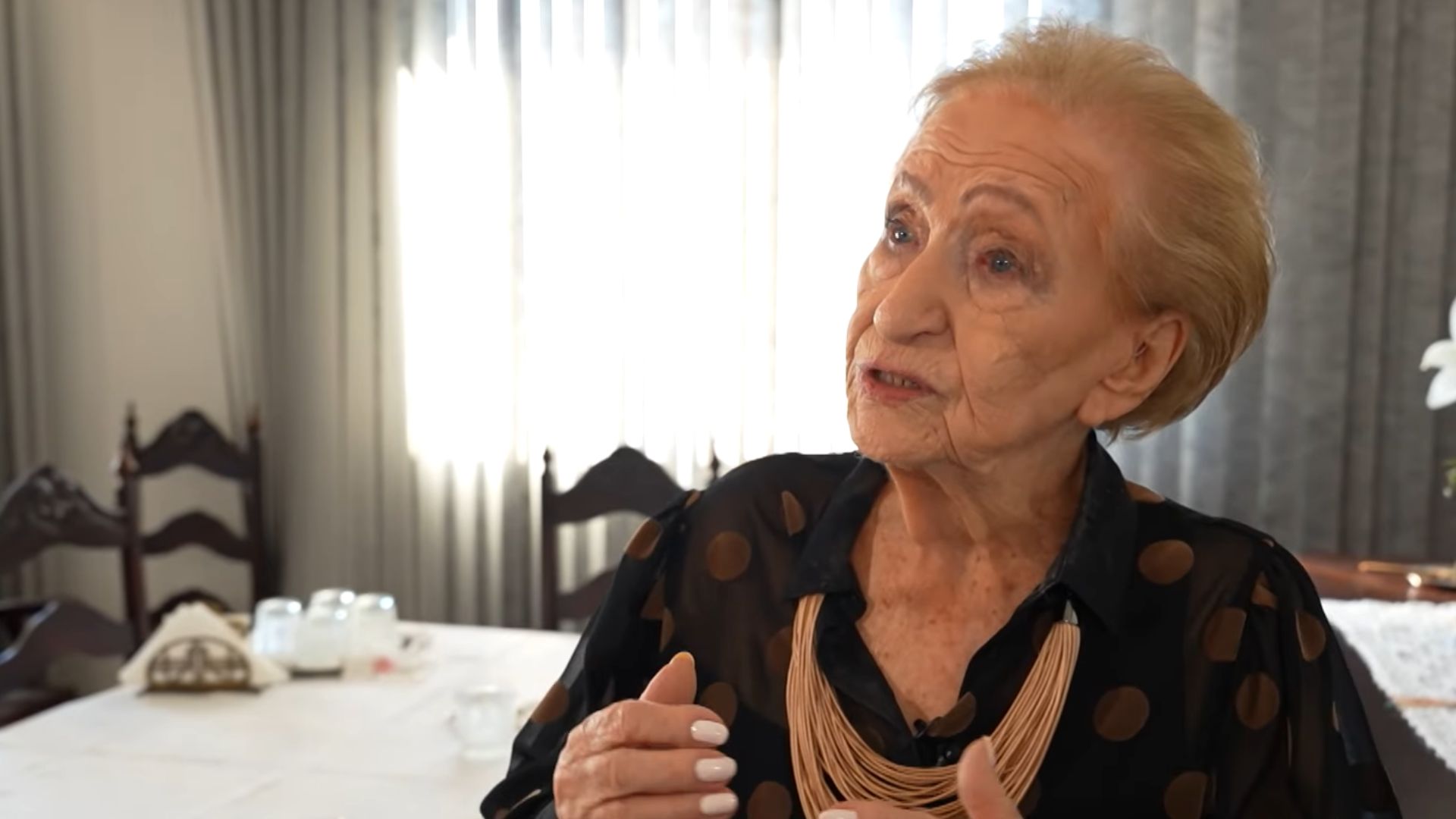


Story of a 103-Year-Old Brazilian Woman Who Lives Alone, Maintains Reading and Memory Habits, and Has Visited 26 Countries Reveals Silent Transformation in the Country: Growth of Single-Person Households and Rapid Advancement of Brazil’s Aging Population.
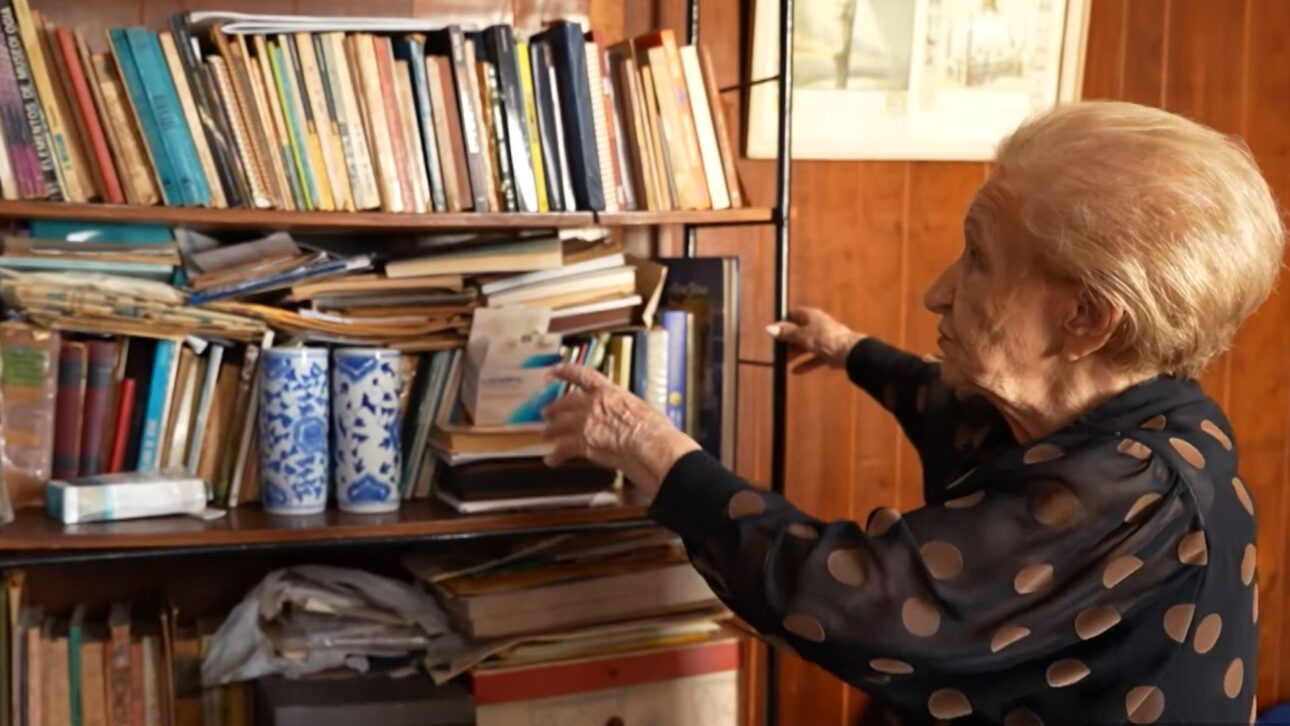
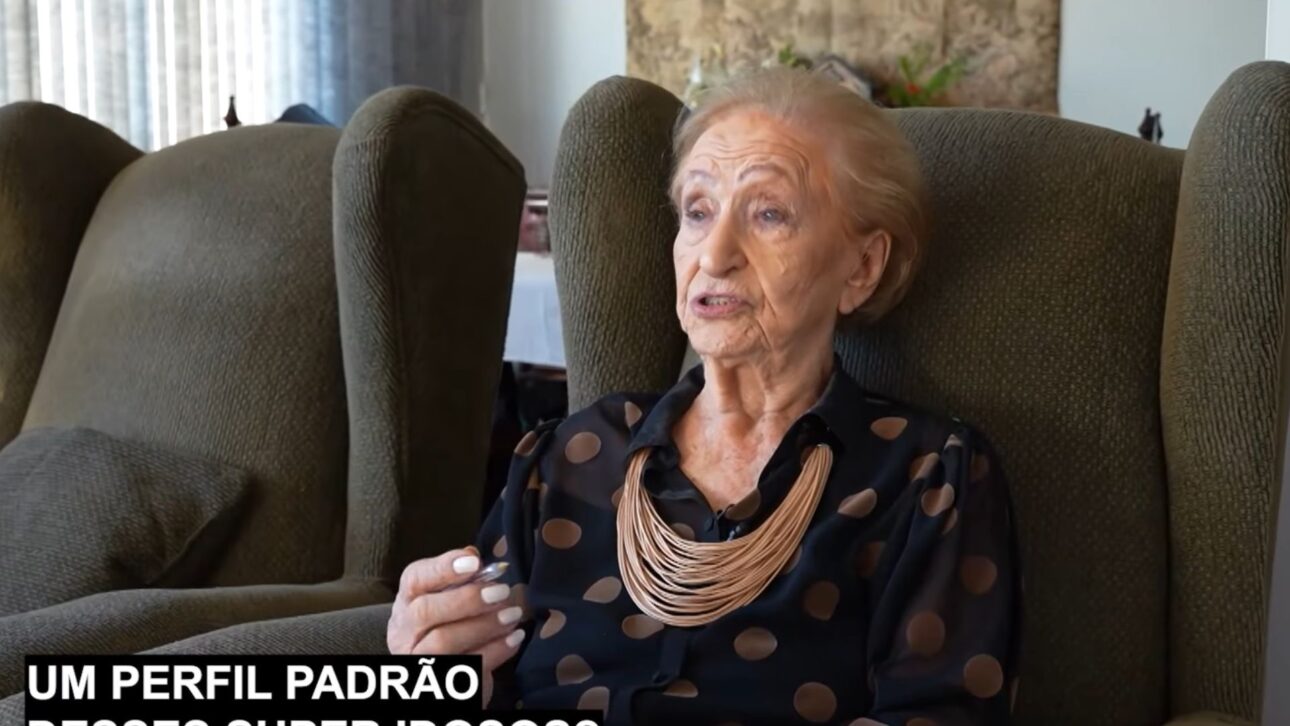
At 103 years old, Mrs. Hélina lives alone, organizes her own routine, and keeps her daily life connected to reading and memory games.
The story aired by TV Aparecida gained traction beyond human interest as it embodies longevity, domestic autonomy, and a life experience marked by travels to 26 countries.
Growth of Single-Person Households in Brazil
Her presence in the report helps to shed light on a change that has ceased to be peripheral in Brazilian statistics.
-
These living root bridges and ladders are over 700 years old and help indigenous people survive in one of the rainiest regions in the world.

-
From sertanejo star to international investor: Ana Castela invests millions in a mansion in the USA, creates a themed accommodation in Orlando, and shows that the “boiadeira” also wants to grow away from the stage.

-
The 10 most stunning motorhomes in the world: a $3 million trailer with a rooftop nightclub and garage for a Ferrari, “palaces on wheels” with Italian marble, private cinema, and five-star hotel luxury for billionaires.

-
Trump wanted to spend $400 million on the White House, but the courts prohibited the million-dollar construction.


Living alone, especially at older ages, has become a significant reality in the country and now directly correlates with the accelerated aging of the population.
The latest data from IBGE shows that, in 2022, Brazil had 72.3 million households, of which 13.6 million were single-person households.
This means that 18.8% of the surveyed households had only one occupant, a proportion that has established this arrangement as a significant part of Brazil’s housing structure.
The advancement is even more pronounced when compared to the beginning of the recent historical series.
In 2010, there were 4.1 million units of this type, and the share of households with a single occupant was much smaller, which helps explain why individual trajectories like Mrs. Hélina’s have begun to be interpreted as signs of social transformation.
This movement is not limited to census data.
According to the Continuous Pnad released in 2025, 18.6% of Brazilian households had only one occupant in 2024, equivalent to 14.4 million households, while 40% of these dwellings were occupied by people aged 60 or older.
The age profile of single-person households reinforces this link between solo living and aging.
In the 2022 Census, 76.2% of the residents of these units were 40 years or older, and 41.8% were already in the 60 years or older age range, showing that this housing pattern is strongly associated with older ages.
Accelerated Aging of Brazil’s Population
At the same time, the elderly population has increased its weight within the country.
The 2022 Census recorded 32.1 million people aged 60 or older, a group that accounted for 15.8% of the population, in addition to 22.2 million Brazilians aged 65 or older, equivalent to 10.9% of the population.
This process is also clearly reflected in the aging index.
In 2022, Brazil had 55.2 people aged 65 or older for every 100 children and adolescents aged 0 to 14, a demographic portrait that helps to situate Mrs. Hélina’s routine within a structural change.
Centenarians and Longevity Research
When the focus shifts to those over 100 years old, the picture becomes even more striking.
Brazil has more than 37,000 people aged 100 or older, a number that has made the country a relevant field for studies on extreme longevity.
Researchers from the Center for Human Genome and Stem Cell Studies at USP are tracking a cohort of over 160 centenarians, including 20 validated supercentenarians.
The research line seeks to understand which biological and functional factors may be associated with healthy aging at very advanced ages.
In this context, cases of maintaining routine and independence tend to attract scientific and journalistic attention.
USP itself reported that some of the very elderly evaluated maintained lucidity and independence in basic daily activities, though this does not allow for generalizations about all Brazilian centenarians.
Female Autonomy in Old Age
The story of Mrs. Hélina fits into this context particularly clearly.
The TV Aparecida report does not present her as an improvised domestic exception, but as a woman who runs her own home, preserves cognitive habits, and maintains an organized routine, at an age where dependence often dominates social imagination.
Another fact helps to add depth to this scenario.

Among Brazilians aged 60 or older, 55.7% were women in 2022, while men represented 44.3%, which helps to explain why women’s stories of longevity and staying in their own homes are increasingly frequent in the news.
The difference also aligns with the overall composition of the Brazilian population, characterized by a female predominance.
At older ages, this imbalance becomes even more noticeable and helps to consolidate a social landscape where old age, possible autonomy, and individual housing increasingly coexist.
Routine and Independence at 103 Years Old
In Mrs. Hélina’s case, the information that she has visited 26 countries amplifies the symbolic reach of her story, but does not shift the center of the narrative.
The strongest data continues to be the daily life within her own home, where reading, memory games, and personal organization appear as concrete marks of active persistence.
The combination of extreme longevity, individual residence, and preserved routine helps to transform this trajectory into a portrait of a Brazil that is aging differently.
Instead of reducing old age to fragility or automatic dependence, this case exposes a more complex reality of Brazilian aging, now supported by robust national numbers and individual stories that reflect profound demographic changes.







Em países como Italia, por exemplo, 60 anos é considerado jovem.
A expectativa de vida está mudando no Brasil!