





 Portuguese
  English
  Spanish
  3 min of reading
  0 comments


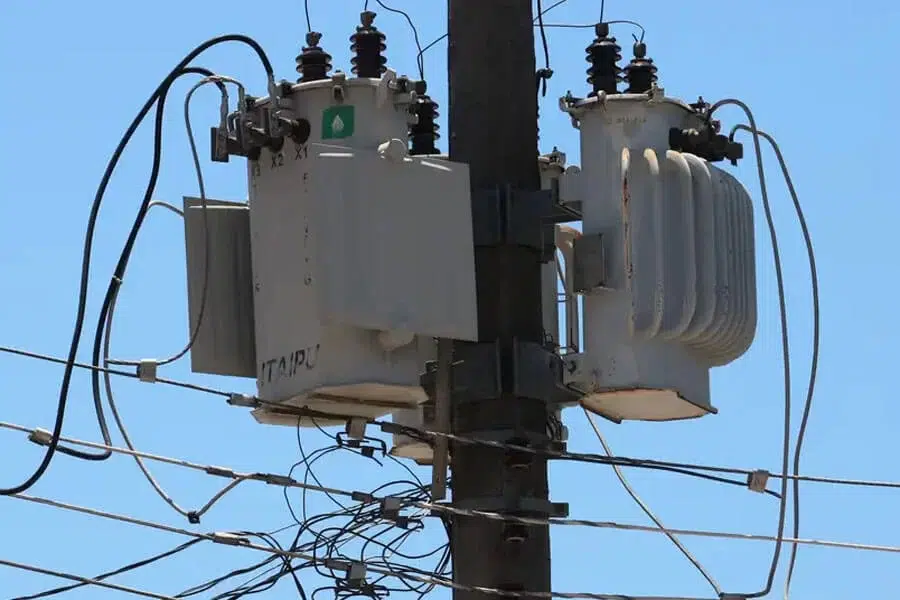
Storms, High Winds, and Severe Weather Conditions Are Common Causes of Electricity Supply Interruptions. Know How This Happens.
The dependence on electricity in modern society is complete. Whether for lighting, transportation, or communication, electric power is essential for daily functioning. However, severe weather events, such as storms and heavy rains, often result in blackouts, affecting millions of people and causing significant damage.
But why do these blackouts still occur in an era of technological advancement? To understand this issue, it is essential to analyze how energy distribution systems work and the impacts of severe weather conditions on them.
How Energy Systems Work
In Brazil, most electricity is generated in plants that use sources such as hydroelectric, wind, and solar energy. Thus, electricity travels a long way to reach homes and businesses. This process occurs as follows:
-
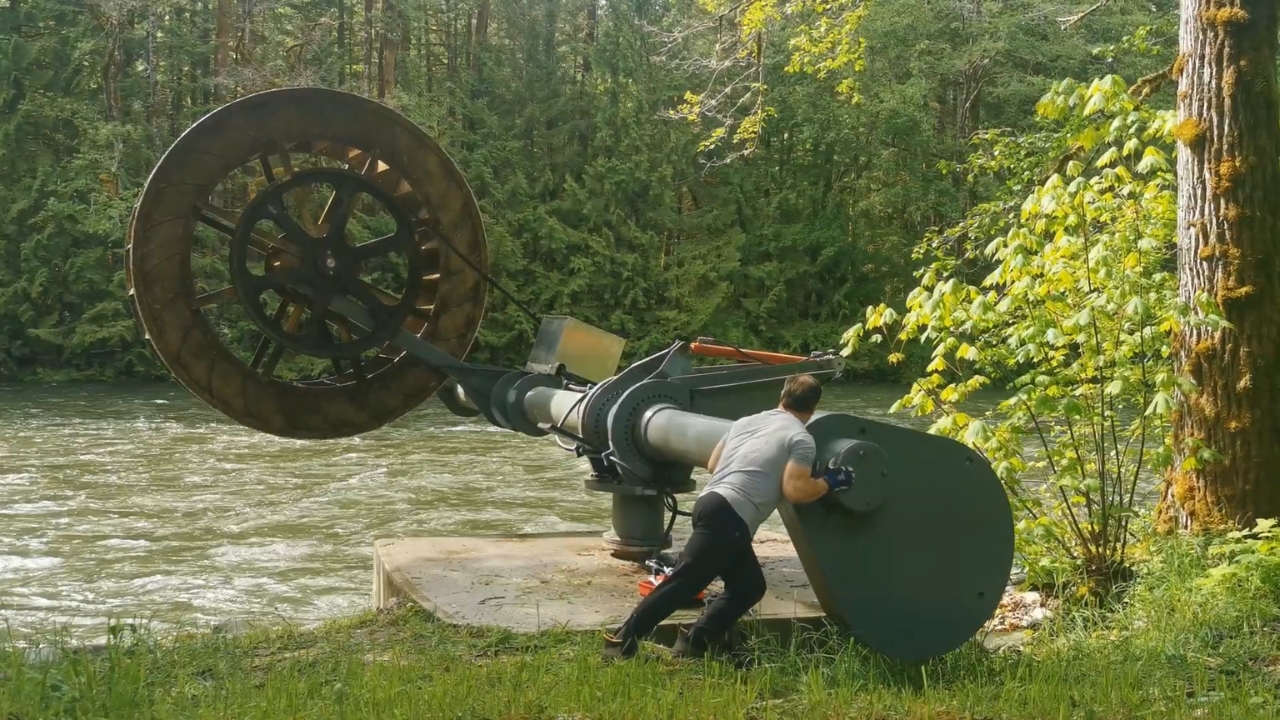
A Canadian retiree creates a hydroelectric system on a real river, generating energy continuously throughout the day and demonstrating how the power of water can supply a house with stability even in a simple structure.
-
Petrobras reaffirms its commitment to the market and ensures that it will carry out the energy transition safely to maintain national sovereignty.

-
Researchers discover a possible hydrogen deposit of up to 46 million tons beneath an ancient coal basin, and the volume could exceed half of the entire global production.

-
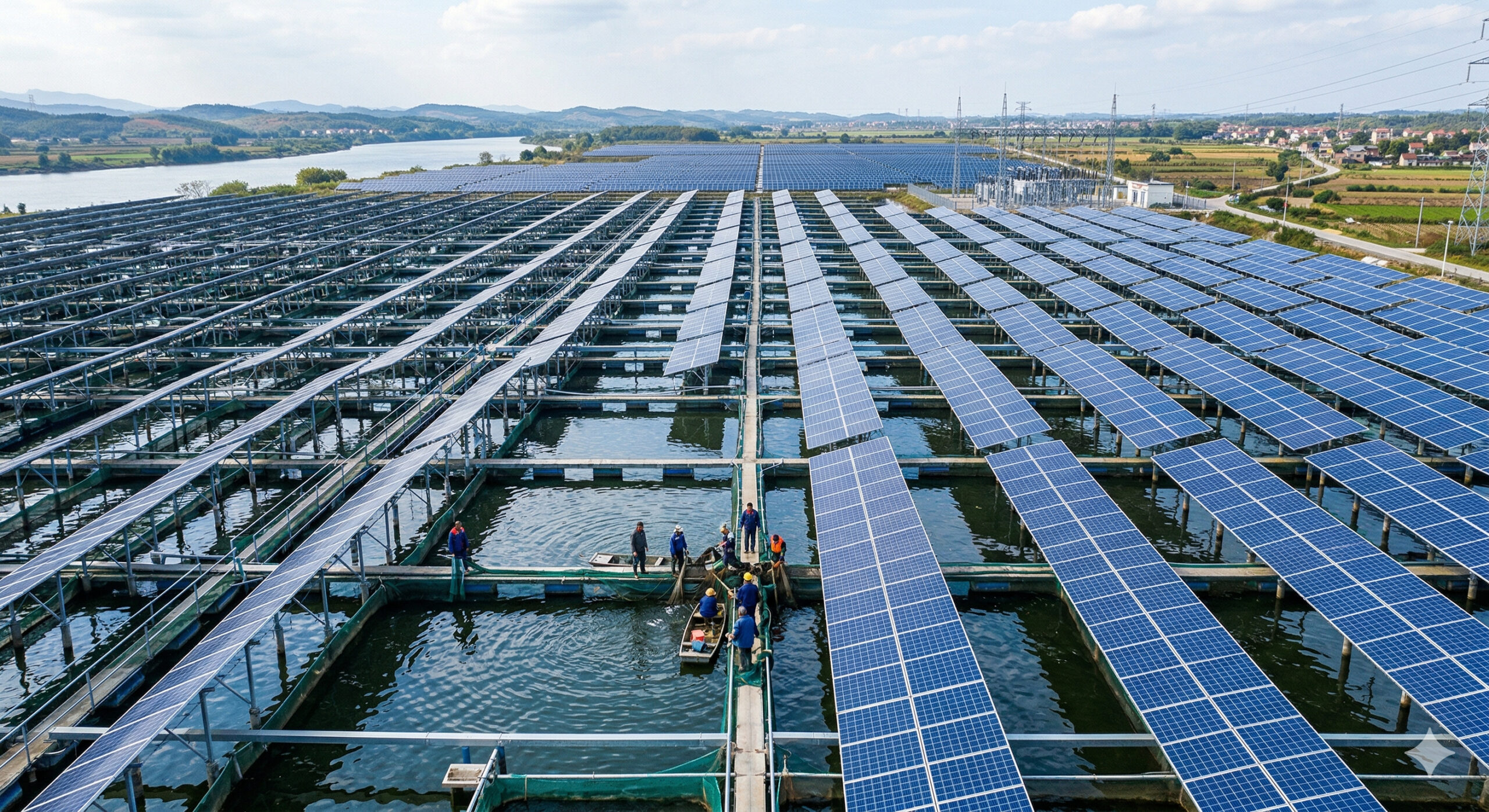
China bets on the Fishery-PV model and transforms fish farms into giant solar plants, covering ponds with panels that generate energy while utilizing the same space for large-scale aquaculture production.
Generation and Transmission: The generated electricity is transported by high-voltage transmission lines, which allow it to travel long distances without excessive energy losses.
Distribution: Upon reaching substations, the voltage is reduced to be safely distributed to consumers.
Local Transformers: Small transformers convert electricity to a voltage suitable for residential and commercial use.
Overhead power lines, common in most cities, are more vulnerable to storms, while underground networks are more protected. However, Brazil still makes little use of underground electrical wiring.
The Impact of Weather on Energy Distribution Leading to Blackouts
Adverse weather events can significantly affect electrical networks. Among the main factors contributing to power outages are:
High Winds and Falling Trees: Storms often bring winds that can exceed speeds of 100 km/h. These winds can uproot entire trees or break large branches, which fall on transmission lines and cause short circuits. In many cases, electricity is automatically shut off to avoid greater risks, such as fires.
Lightning and Power Surges: Lightning represents another major threat. When it strikes power lines or transformers, it can cause surges, damaging equipment and interrupting power supply. Although there are lightning rods and protection systems, they are not always sufficient to prevent interruptions.
Heavy Rains and Flooding: Moisture can cause short circuits in substations and electrical equipment. Additionally, floods can damage underground installations, making repairs difficult and prolonging power restoration times.
Underground Lines: Solution or Challenge?
Given the vulnerability of overhead networks, the installation of underground lines is often debated. Indeed, these systems offer greater protection against winds and falling trees. However, they have disadvantages:
- High Cost: Burrowing electrical networks is significantly more expensive than installing poles and overhead wires.
- Maintenance Difficulty: Identifying and repairing faults in underground networks can be a challenge, making repairs more time-consuming.
- Sensitivity to Flooding: Water can damage underground cables, especially in flood-prone areas.
As a result, many cities opt for a mixed system, combining underground networks in urban areas and overhead wiring in less dense locations.
Strategies to Minimize Blackouts
To reduce the impact of storms on power supply, various measures are adopted:
- Preventive Tree Trimming to avoid falls on transmission lines.
- Investments in Technology to modernize the grid, including sensors that quickly detect faults.
- Use of Decentralized Energy Sources, such as solar panels and batteries, allowing homes and businesses to have alternative energy during blackouts.
- Training Emergency Teams to accelerate repairs and reduce downtime.
The Future of Energy Distribution
With advancements in technology, new solutions are being implemented to make the electrical grid more resilient.
The so-called smart grids are expanding, using sensors and automation to quickly detect problems and efficiently redistribute power. Additionally, increased distributed generation, with solar panels and micro-grids, reduces dependence on centralized systems.
Because of this, even though blackouts will continue to occur, it is expected that in the future their frequency and duration will be significantly reduced. In the meantime, keeping candles and flashlights nearby is always a good precaution!







Seja o primeiro a reagir!