





 Portuguese
  English
  Spanish
 3 min of reading
  0 comments


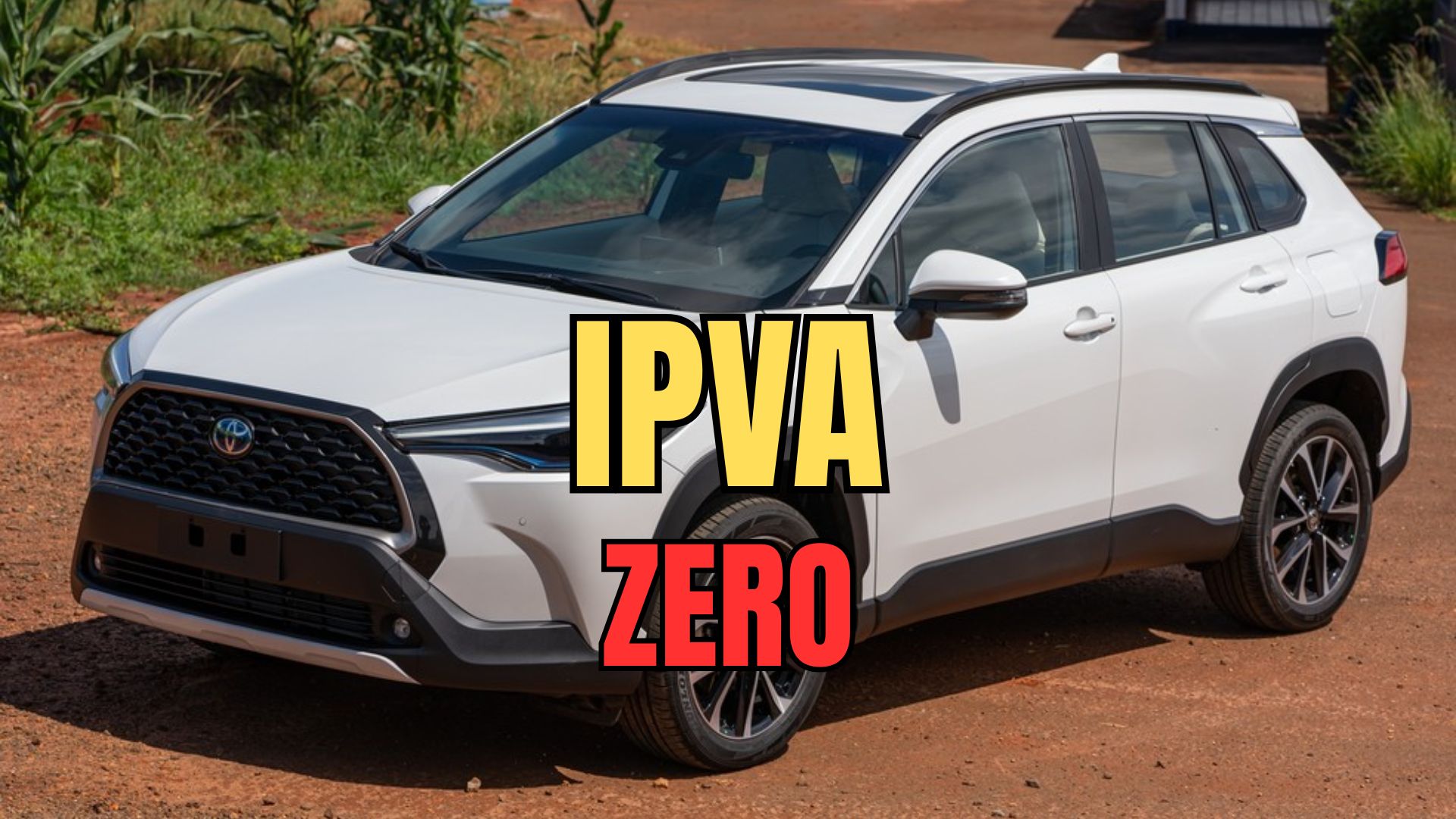
Tax Benefit Has a Defined Deadline, Imposes Strict Technical Requirements, and Limits the Vehicle’s Value, Making Only Specific Toyota Models Eligible for the IPVA Exemption in São Paulo
The beginning of 2026 marks another phase of the schedule for the Motor Vehicle Property Tax (IPVA) in São Paulo. However, contrary to what many drivers were expecting, only two hybrid cars will have total exemption from the state tax, according to rules already established by the State Department of Finance and Planning.
The measure is neither broad nor permanent. On the contrary, it is a temporary tax benefit, conditioned on specific technical and financial criteria, which significantly reduces the number of eligible vehicles in the Brazilian market. This information was disclosed through official ordinances from the Government of São Paulo and reported by specialized automotive media.
Which Hybrid Cars Will Not Pay IPVA in São Paulo Until 2026
In practice, the SRE Ordinance 94/2024 regulates the IPVA exemption for vehicles that have a minimum electric motor power of 40 kW, equivalent to approximately 54 horsepower, and that are powered by a minimum voltage system of 150 volts.
-
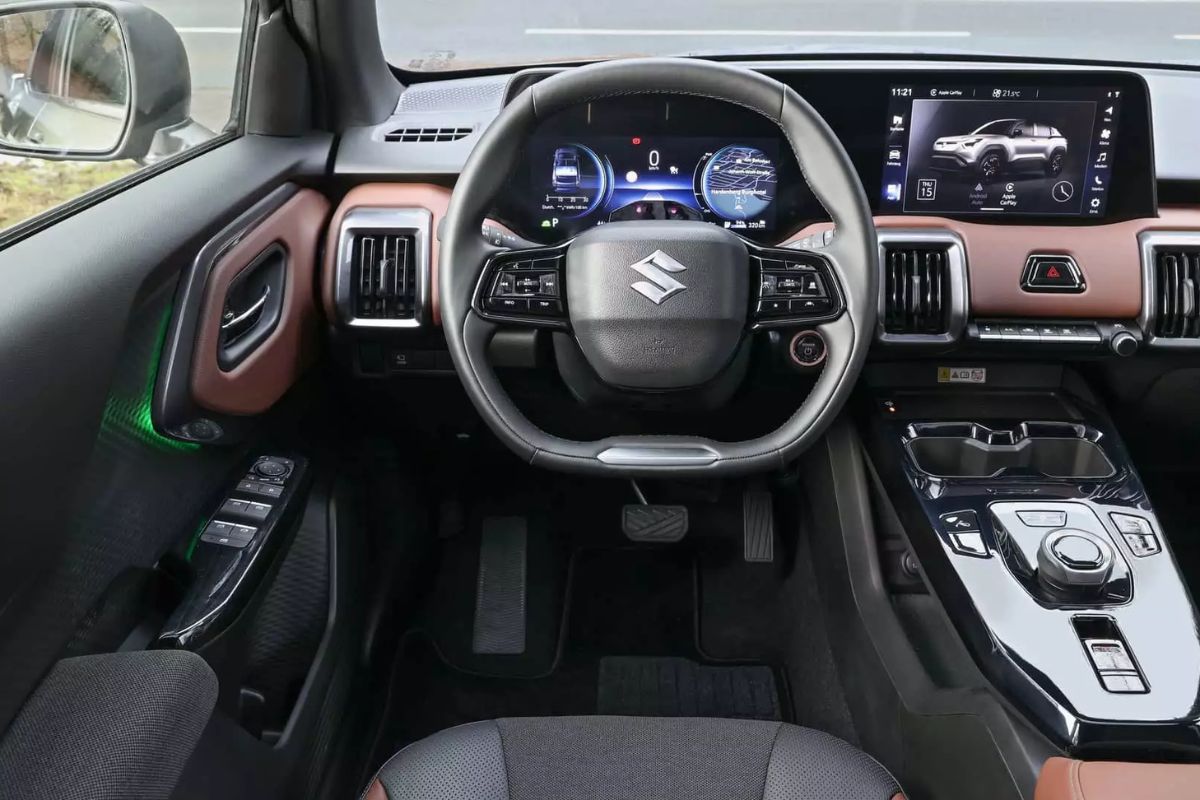
The 2026 electric Vitara arrives in Brazil and proves that Suzuki is not leaving: 4×4 traction, 184 hp, 61 kWh LFP battery, 293 km range, R$ 259,000, and a trunk capacity of 224 L.
-
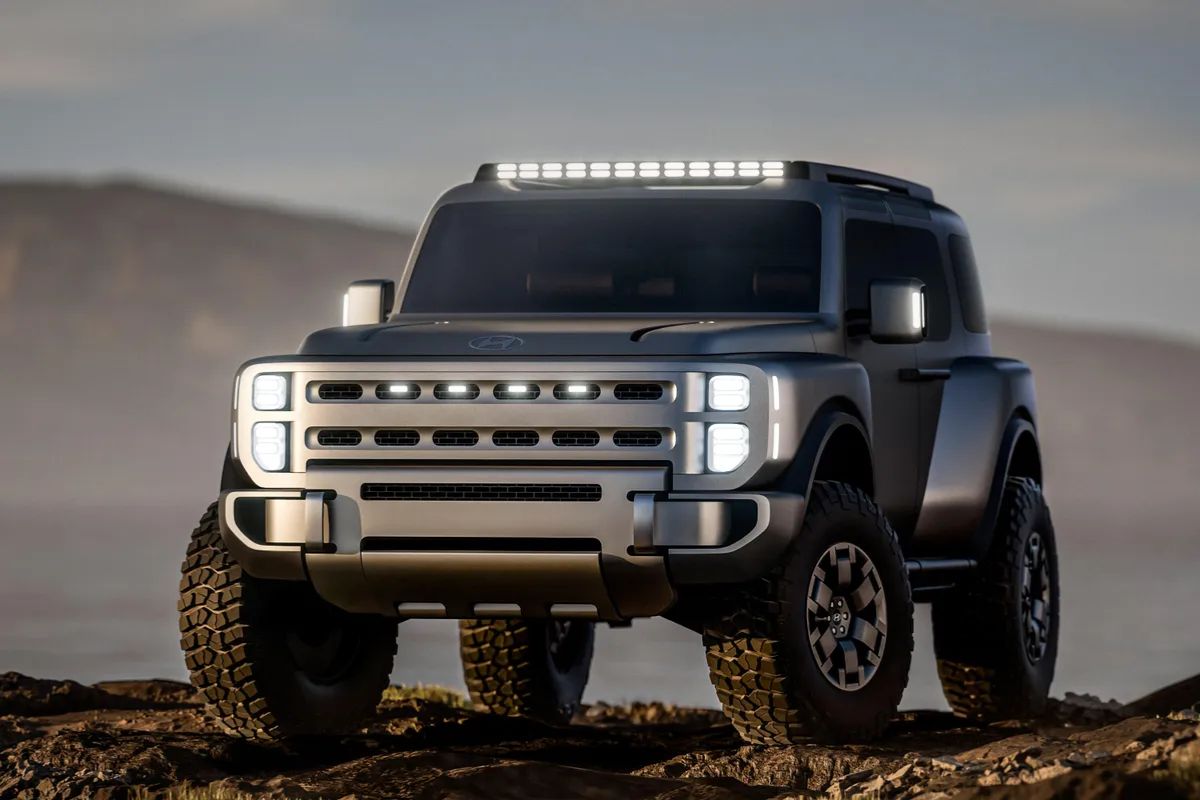
Hyundai has unveiled the Boulder, a square SUV with a body-on-frame design, 37-inch mud tires, and carriage-style doors that seems to be made to take on the Ford Bronco and the Scout Traveller in the United States.
-
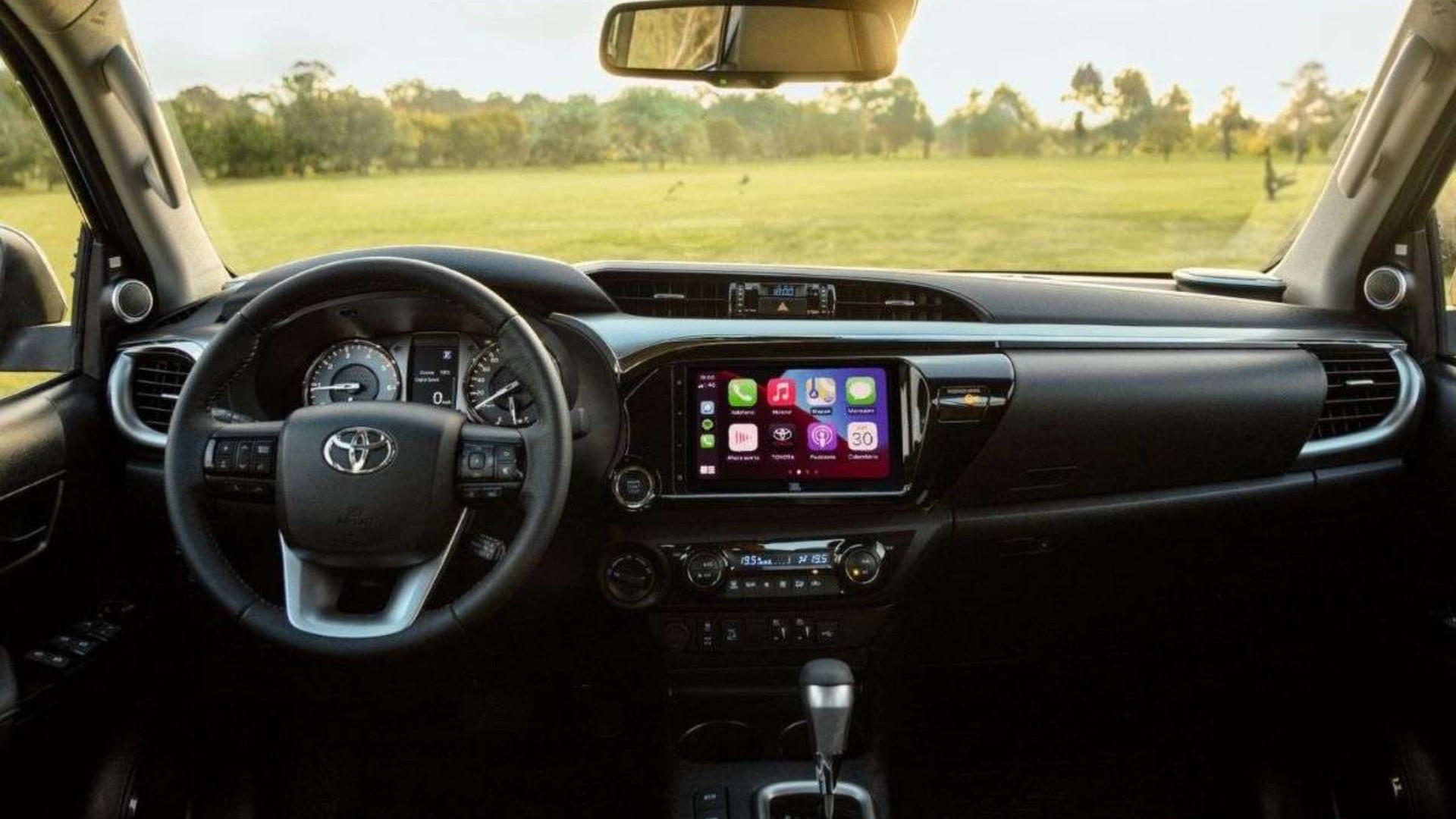
The Toyota Hilux is R$ 75.5 thousand cheaper and bets on the 2.8 turbodiesel engine with up to 204 hp and 50.9 kgfm to catch up with the VW Saveiro, which leads with 4,472 sales.
-
The new Renault Koleos has a screen exclusively for the passenger that is invisible to the driver, heated rear seats, and 29 assistance systems, but its Chinese competitors cost R$ 40,000 less and deliver more power.
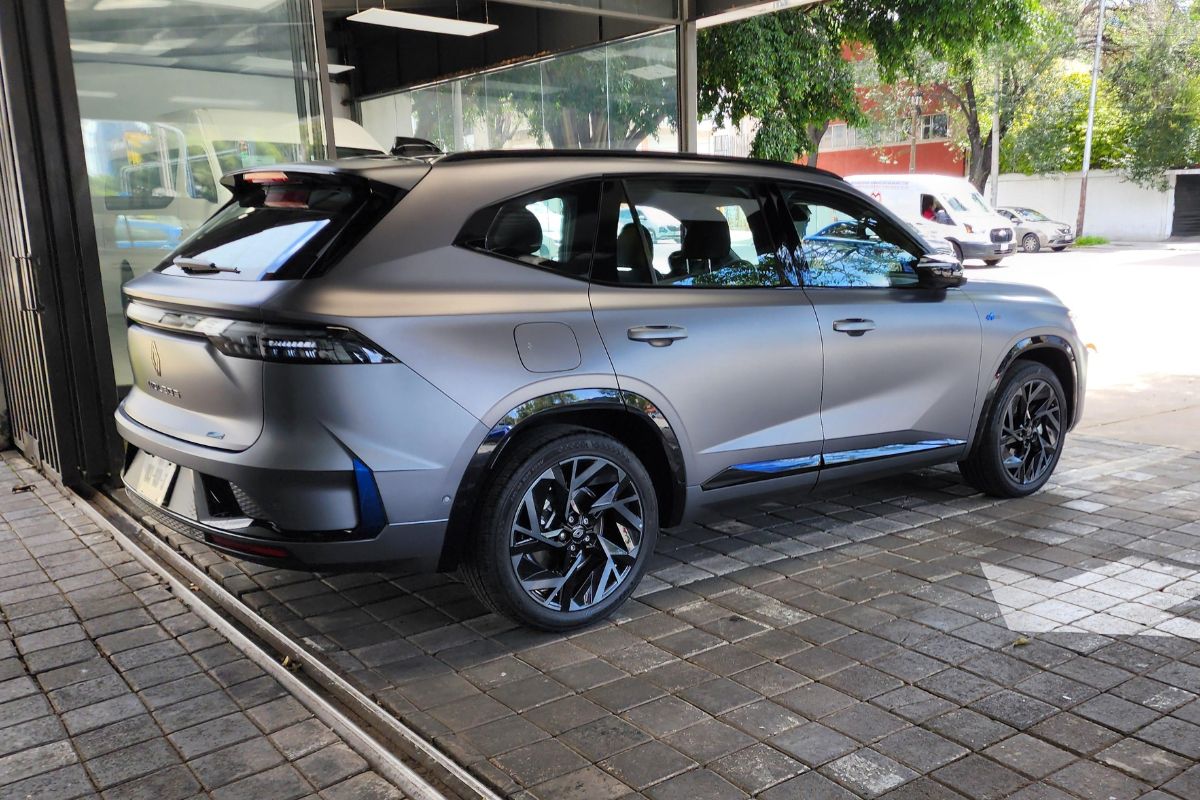

In addition to the technical criteria, the regulation imposes a financial ceiling: the vehicle’s value cannot exceed R$ 250,000. Given these requirements, only two models fully comply with the established rules: Toyota Corolla Cross Hybrid and Toyota Corolla Sedan Hybrid.
The legal text also clearly states that the benefit applies to vehicles “powered exclusively by hydrogen or hybrids with an electric motor and a combustion engine that uses, alternatively or exclusively, ethanol,” provided the value limit is respected. This excerpt is specified in item III of Article 9 of Law No. 13,296, dated December 23, 2008.
Exemption Period and Progressive Rates After the Benefit
Despite the exemption drawing attention, it will not be definitive. The exemption period for the IPVA for these models runs from January 1, 2025, to December 31, 2026. After this period, the tax will be charged gradually, according to an established schedule.
In 2027, the rate will be 1%; in 2028, it will rise to 2%; in 2029, it will reach 3%; and starting from 2030, the full rate of 4% will apply to passenger vehicles in the state of São Paulo. This gradual transition seeks to avoid an immediate financial impact on consumers adopting hybrid technology.
How IPVA 2026 Will Be and Payment Methods in São Paulo
For other vehicles, the IPVA rates in 2026 remain unchanged in São Paulo. Passenger cars continue with a rate of 4%, while motorcycles, single-cab pick-ups, microbuses, buses, and heavy machinery still pay 2%. Trucks maintain a rate of 1.5%, and rental vehicles are 1%.
The taxpayer may choose to pay in full, with a 3% discount in January, or settle the tax in February without a discount. It will also be possible to spread the amount over five installments, due between January and May. For trucks, there are specific rules, with discounts in January, a single payment in April, or installment plans extending until September.
Do you think that the limit of only two models really encourages the adoption of hybrid cars, or should the IPVA exemption policy in Brazil be broader?









-

Uma pessoa reagiu a isso.